
Last updated November 14, 2026
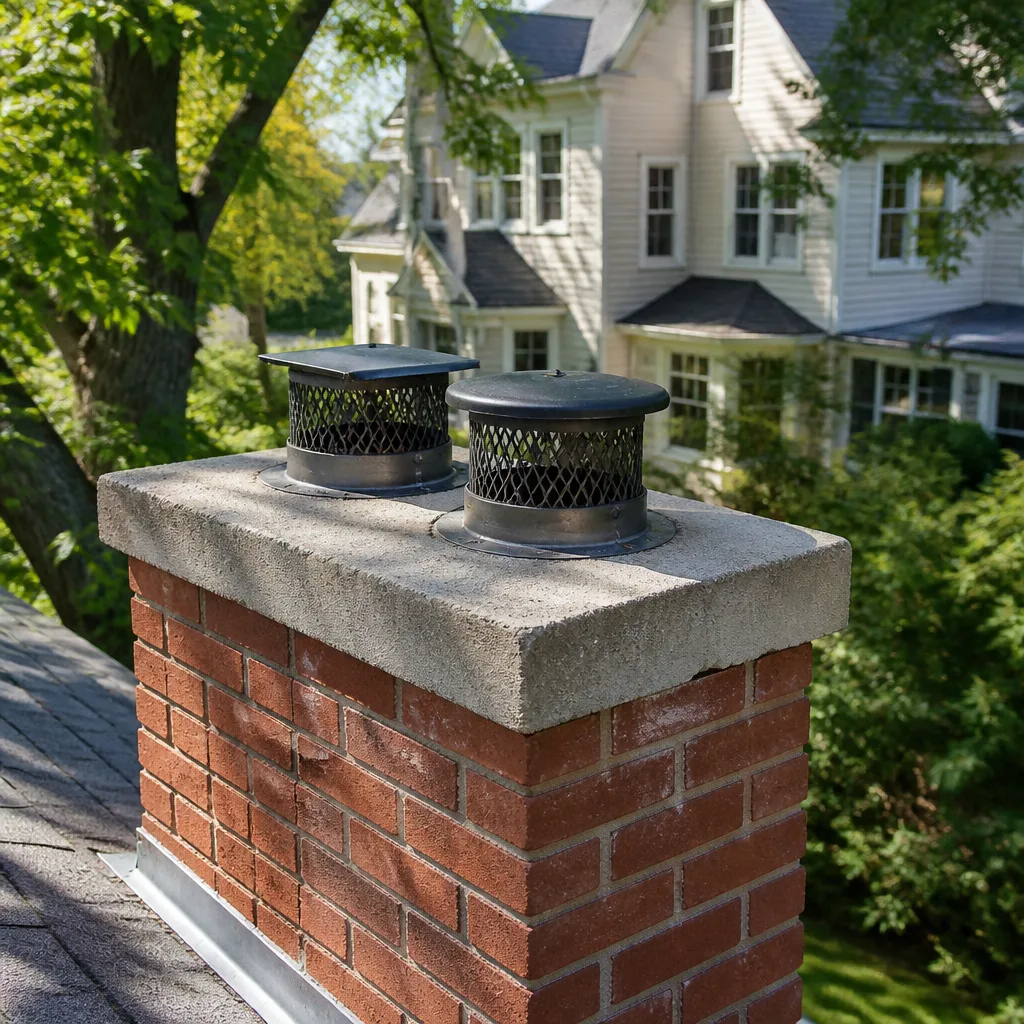 Sweep & inspection
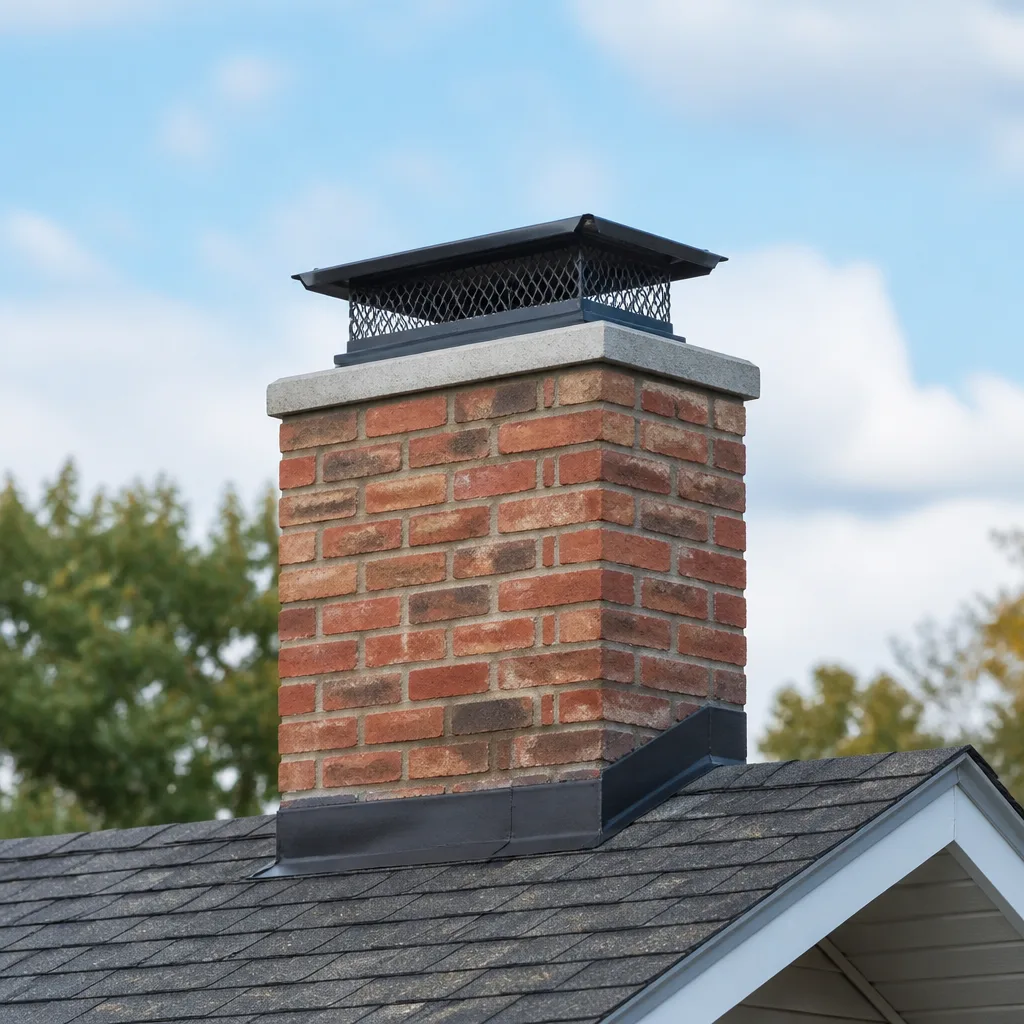 Caps & crowns
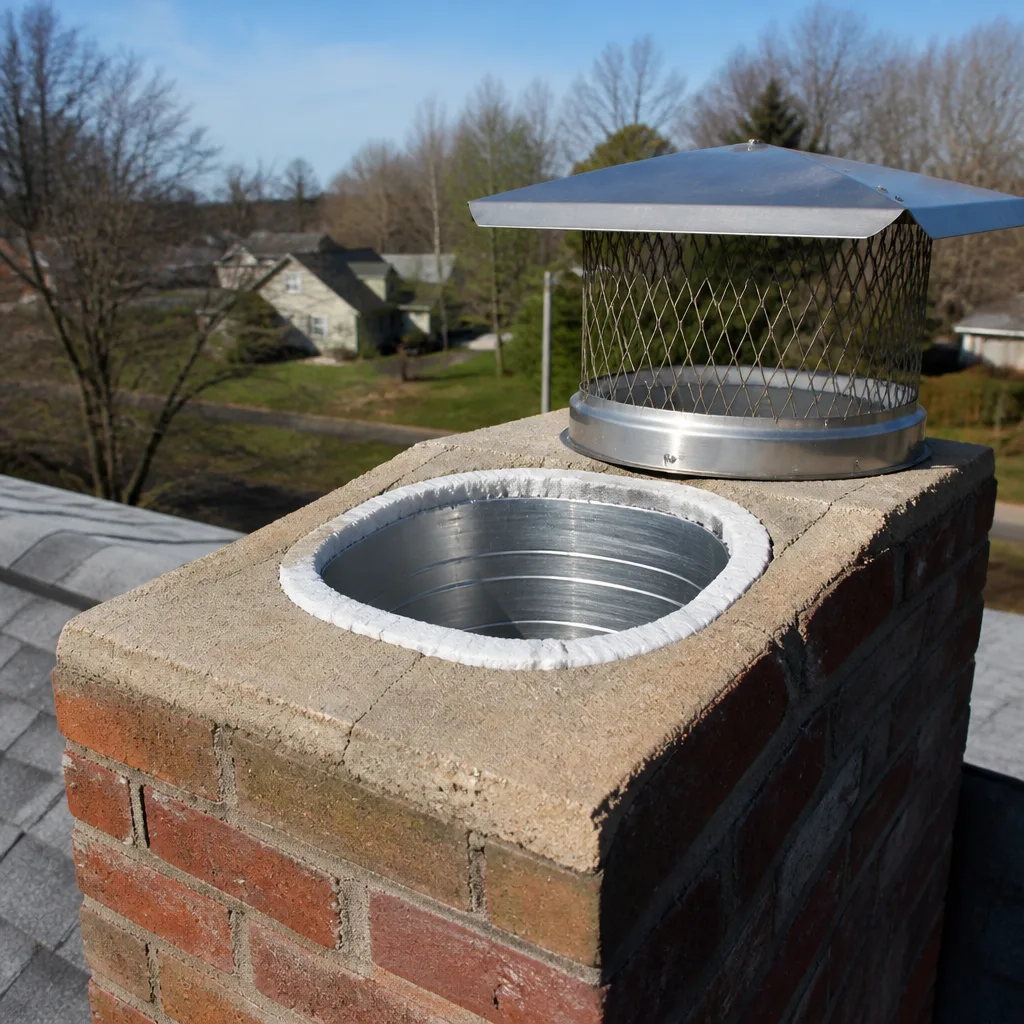 Flue relining
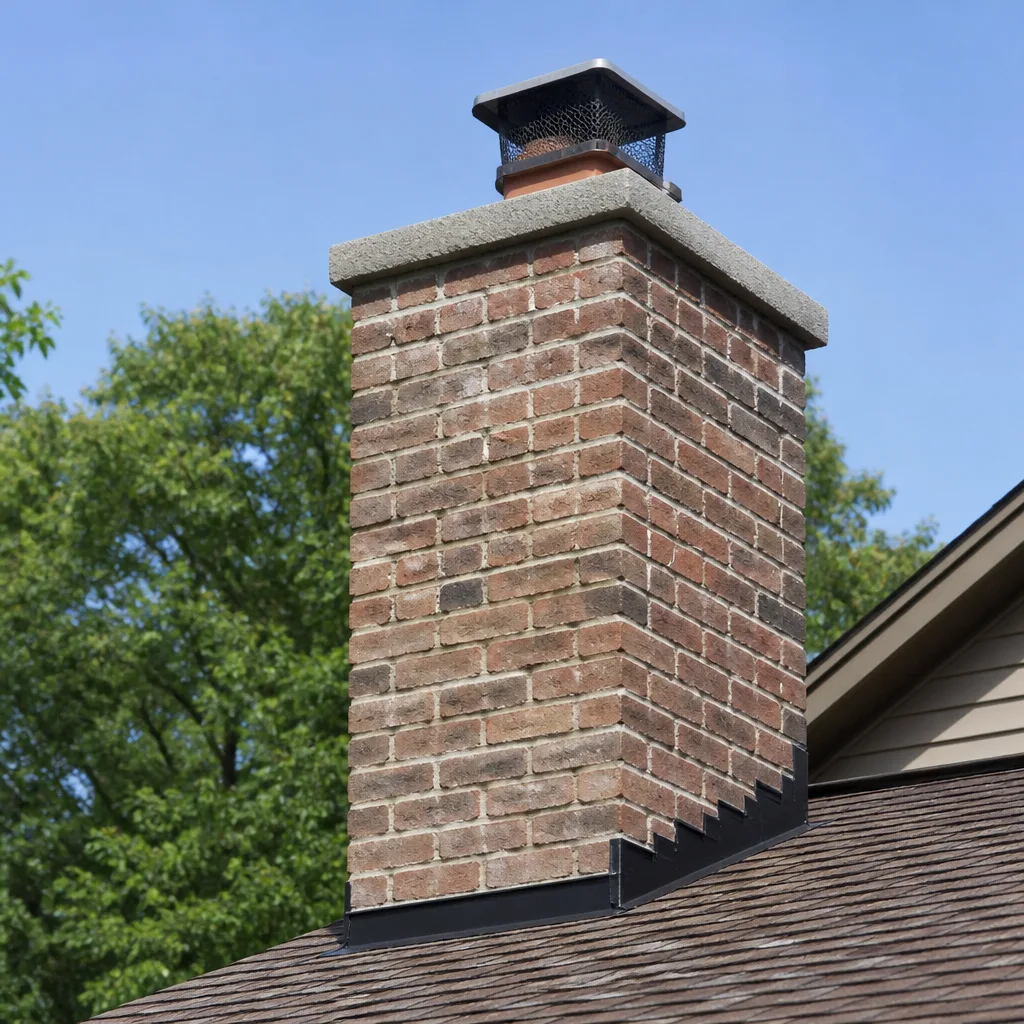 Masonry repair
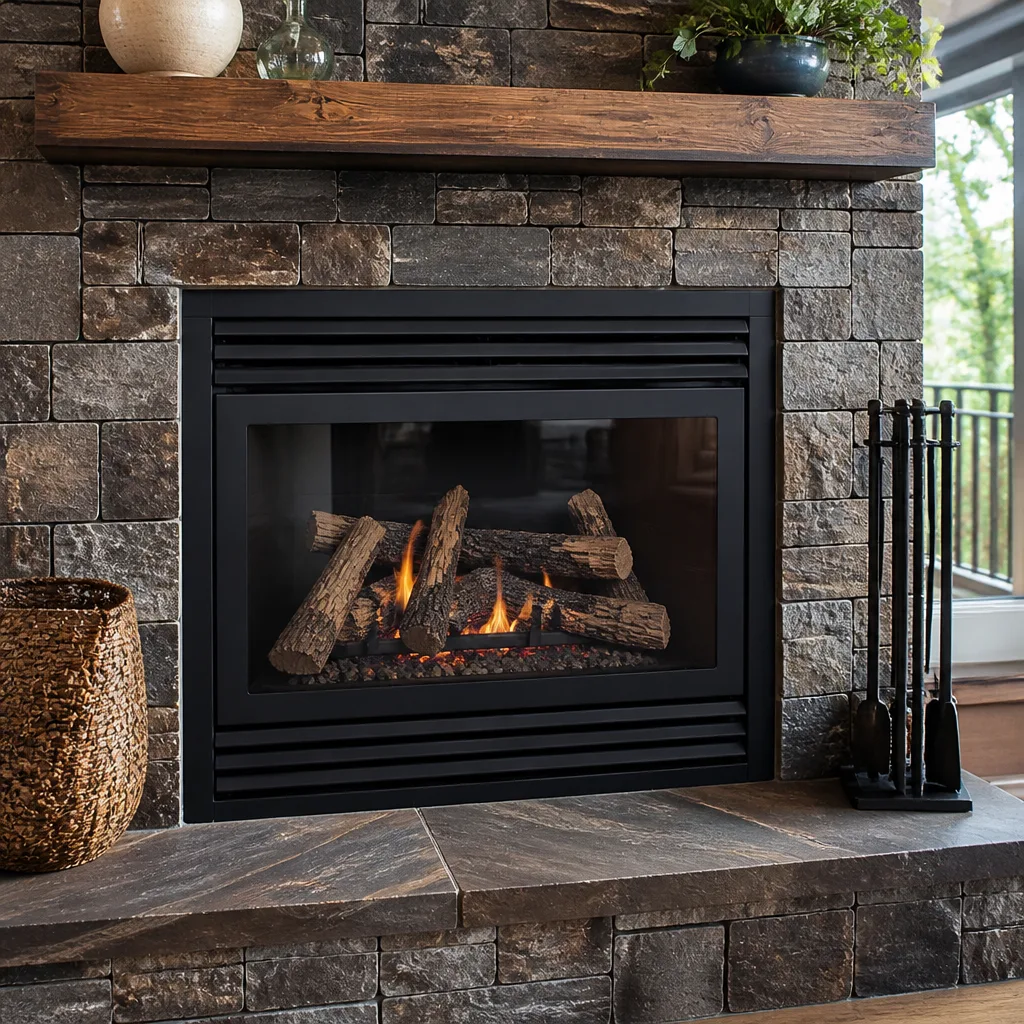 Gas fireplace service
Level 1 sweep and inspection to the NFPA 211 annual standard - flue, crown, cap, and flashing checked and photographed
Chimney sweep logs do not sweep chimneys. They loosen some creosote - which then falls where a brush and vacuum still have to collect it.
Choosing the Right Chimney Cleaning Brand: A Buyer’s Guide for Phoenix
When a contractor replaces your chimney cap or trowels a crown sealant onto the top of your flue, they’re choosing between products that differ by decades of field-tested formulation. Most homeowners never think to ask what brand is going on their home. That’s the problem. The materials a chimney company keeps on the truck tell you more about how they work than any online review ever could, because a sweep who stocks professional-grade supplies has made a deliberate choice to spend more on products formulated for the trade. This guide explains what “professional-grade” actually means in chimney supply, which brands matter, and how to ask the question that separates a real specialist from a guy with a brush and a shop vacuum. If you heat with wood or run a fireplace in Phoenix, this is the conversation worth having before anyone climbs on your roof.
Quick Answer
Professional-grade chimney products are formulated and tested to industry specifications, usually ASTM standards, rather than the lighter consumer versions sold at hardware stores, and the brands a contractor uses are a reliable signal of the quality of their work. In Phoenix, where summer heat drives thermal expansion on flue components and roof temperatures get genuinely punishing, those material differences show up faster than in cooler climates. Ask any chimney company which brands they install and why; a confident, specific answer is your best evidence of a real specialist.
Styles & brands we work with
- Sweep & inspection
- Caps & crowns
- Flue relining
- Masonry repair
- Gas fireplace service
Table of Contents
- Why the Brand Behind the Product Matters More Than the Review
- The Professional Chimney Supply Brands Worth Knowing
- Why Big-Box Chimney Products Fall Short in Arizona Heat
- What “Professional-Grade” Actually Means
- Stainless Steel Liners: Industry Supplier vs. Generic Equivalent
- How to Ask a Contractor What Materials They Use
- What Phoenix Conditions Do to Chimney Materials
- What We Use at Phoenix Chimney Cleaning and Why
Why the Brand Behind the Product Matters More Than the Review
A review tells you whether someone showed up on time and left the floor clean. Useful, but it says nothing about the crown sealant they spread across the top of your chimney, or the gauge of the stainless steel in a new liner. Those are the decisions that determine whether the work lasts a season or twenty years. A chimney is a small structure exposed to everything, and every component in it, from the cap to the flue lining, is doing a job under real stress. The product behind that job matters.
Homeowners in Phoenix tend to focus on the visible parts of their homes, and rightly so, because the sun is brutal on stucco, paint and roofing. The chimney sits up there getting the same treatment, often ignored until something fails. When it does fail, the difference between a product engineered for the trade and a consumer-grade substitute becomes obvious in a hurry.
Think about what a chimney company actually installs on a typical repair:
- Crown sealant and repair mortar for the top of the flue
- Chimney caps and the adhesive or fasteners that hold them
- Stainless steel liners and the insulation that wraps them
- Flue resurfacing compound for damaged clay tiles
- Firebox mortar and refractory materials
- Connector pipe and fittings
Every one of those has a professional version and a consumer version. They are not the same product with different labels. The professional version is formulated to a specification, often an ASTM standard, that sets minimum performance requirements for heat, adhesion, flexibility and lifespan. The consumer version is formulated to a price point for a homeowner doing a weekend project. When you hire someone, you’re paying for the former. It’s fair to make sure that’s what you get.
This isn’t about brand loyalty for its own sake. It’s about the fact that a contractor’s material choices are a window into their whole approach. Someone who buys professional supplies has usually also invested in training, in proper tools, and in doing the job once and doing it right. That’s the reasoning behind how we stock our own truck, and it’s why we’re happy to talk through it with any Phoenix homeowner who asks.
The Professional Chimney Supply Brands Worth Knowing
You don’t need to memorize a catalog to hire well, but knowing a handful of names helps you recognize a real answer when you hear one. These are brands that specialty contractors specify, and each is known for something specific in the trade.
HeatShield. A resurfacing system for damaged clay flue tiles, applied as a compound that cures into a smooth, heat-resistant lining. It’s the option between “your liner is fine” and “you need a full reline,” and it’s only as good as the applicator’s training. A company that carries HeatShield can often restore a flue rather than replace it.
DuraFlex. A flexible stainless steel liner system, the kind that gets dropped down an existing chimney to create a new, continuous flue. Flexible liners are what most relines use today because they navigate offsets and bends in older masonry chimneys that rigid pipe can’t.
Famco. A name in chimney caps, dampers and top-of-flue components. Caps matter more than people think: they keep water, birds and debris out of the flue, and a cheap cap that rusts through in a couple of summers is a false economy.
Copperfield. Known in the trade for chimney caps and related sheet-metal work, including custom pieces for odd flue sizes and shapes. When a standard cap won’t fit, this is the kind of supplier a specialist turns to.
Other names circulate in the supply chain, and a good contractor may work with several depending on the job. The point isn’t the logo on the box. The point is that the contractor can name the brand, tell you why they chose it, and explain what it’s designed to do. If they can’t, that tells you something too.
Why Big-Box Chimney Products Fall Short in Arizona Heat
Hardware store chimney products aren’t junk. They’re formulated for a homeowner doing a small repair, sold at a price that makes sense for that use, and they perform fine in mild conditions. Phoenix is not mild conditions.
Roof surfaces here get extraordinarily hot in summer, and the chimney assembly sits right in the middle of that. Materials expand when heated and contract when the desert cools off at night. This daily cycle repeats for months, and it works on sealants, adhesives and metal fittings the way a flex test works in a lab. Consumer-grade sealants formulated for a general climate can dry, crack and lose adhesion under that kind of cycling far sooner than products specified for chimney use. A crown sealant that fails means water gets into the chimney structure, and water in a masonry chimney in a place that gets sudden summer downpours is a slow problem that turns expensive.
The same logic applies to metal components. A cheap cap or a thin-gauge connector may look identical to a professional part on the shelf. It isn’t the same steel, and it won’t last the same number of years in full sun and 100-degree-plus heat.
There’s a broader point here about how products get chosen. A homeowner standing in an aisle picks what’s available and affordable. A contractor who does this every day picks what has held up on the roofs they service, because a callback costs them far more than the price difference on the product. That’s the incentive you want working for you.
- Consumer products are formulated to a price for occasional, low-stress use.
- Professional products are formulated to a performance specification for continuous exposure.
- Arizona conditions accelerate the difference, especially on anything exposed to sun and heat cycling.
When we quote a repair, the materials are part of the quote. We use products from suppliers like Famco and Copperfield because that’s what holds up on a Phoenix roof, not because it’s what was closest to the counter. If a repair needs to be done, we’d rather do it with the right material the first time.
What “Professional-Grade” Actually Means
The phrase gets thrown around loosely, so here’s the plain version. In chimney supply, “professional-grade” usually means the product is manufactured and tested to a recognized standard, frequently an ASTM standard, that sets minimum requirements for the material’s performance. Those standards exist for a reason: a chimney liner or a crown sealant has to survive heat, moisture and thermal movement, and the standard defines what “survives” means in measurable terms.
A product made to an ASTM specification has been tested against criteria for things like:
- Heat resistance and behavior under sustained flue temperatures
- Adhesion and flexibility after thermal cycling
- Corrosion resistance of metal components
- Material thickness and dimensional tolerance
- Durability under moisture exposure
Consumer products may meet some of these and not others. They’re often thinner, or formulated with a broader temperature range in mind so they can be sold nationwide, which means they’re not optimized for extremes in either direction. Professional products are specified for the actual job a chimney component does.
The practical effect for you as a homeowner: a professional-grade product is more likely to still be doing its job years from now. That’s the whole claim. It’s not magic, and no product lasts forever. It’s a matter of getting a reasonable service life out of the money you spend.
This is also why the supply source matters. When a material thing is bought through a chimney industry supplier rather than a general retailer, it comes with traceability: you can find out what it is, what standard it meets, and what the manufacturer says about its limits. That’s a level of accountability a generic product doesn’t offer.
Stainless Steel Liners: Industry Supplier vs. Generic Equivalent
A chimney liner is the single most consequential component in the system, and the difference between a proper liner and a generic equivalent comes down to two things: gauge and warranty. Both are measurable, and both are worth asking about directly.
Gauge is the thickness of the stainless steel. Lower gauge numbers mean thicker metal. A liner made from thinner steel is more prone to crimping, kinking and developing cracks at the seams over time, especially through the repeated heating and cooling that any working flue goes through. Thicker steel costs more and lasts longer. A liner from a chimney industry supplier is specified at a gauge appropriate for the application, and the contractor should be able to tell you what that is.
Warranty is where the difference gets stark. A manufacturer that stands behind a liner for a defined period is making a statement about how confident they are in the product. A generic liner often comes with a warranty that’s short, vague, or effectively unenforceable because there’s no clear manufacturer to hold to it. When something goes wrong five years later, the warranty is the difference between a covered replacement and a full out-of-pocket job.
There’s a third factor worth knowing: installation method. A flexible liner system, like the DuraFlex line, is designed to work as a complete assembly, with the liner, the insulation and the top and bottom terminations engineered to fit together. Mixing a generic liner with generic fittings removes that engineered fit. It may work. It may not. The manufacturer’s warranty generally assumes the system is installed as designed.
What to ask about a liner:
- What gauge is the stainless steel, and what alloy?
- Who manufactures it, and what does the warranty cover?
- Is the liner insulated, and with what?
- Are the top plate and bottom termination from the same manufacturer as the liner?
- Will I get the warranty documentation in writing?
Those questions are fair, and a specialist will answer them without hesitation. If the answers are vague, that’s your answer.
How to Ask a Contractor What Materials They Use
You don’t need to sound like an inspector to get a useful answer. You need one good question, asked plainly, and then you listen to the shape of the reply.
The question: “What brands do you use for liners, caps and crown sealant, and why those?”
Here’s what a confident answer sounds like. The contractor names specific brands without hesitating. They explain the reason: “We use HeatShield because it lets us resurface a damaged flue instead of replacing the whole liner when the tiles qualify.” They connect the material to the job, not to a sales pitch. They may mention a standard, or a warranty, or a failure they’ve seen with a cheaper product. They’re comfortable being specific because they make these decisions regularly.
Here’s what a vague answer sounds like. “We use good materials.” “Whatever’s best for the job.” “Don’t worry, it’s all high quality.” A shrug. A change of subject. Or the tell: the contractor names a product sold primarily at hardware stores and presents it as professional-grade.
A few more questions worth asking before you book:
- Can you tell me the brands you’ll use on my job specifically, not in general?
- What happens if a product fails? Who honors the warranty?
- Do you carry the materials, or do you order them per job? (Both are fine; the answer tells you how they work.)
- What training do you have with the products you’re installing? HeatShield, in particular, requires proper application to work.
- Will the written estimate list the materials and brands?
None of this is adversarial. A good contractor enjoys talking about materials, because it’s the part of the job most customers never ask about. We’d rather spend five minutes explaining why we stock what we stock than have a homeowner wondering what got put on their roof.
What Phoenix Conditions Do to Chimney Materials
Phoenix is a specific place to own a chimney, and the local conditions shape which materials hold up. The heat is the obvious factor and the one that does the most work on a chimney over time. Summer roof temperatures push metal and sealant through expansion and contraction daily, and materials that aren’t specified for it age faster.
The seasonal swing matters too. Winters here are mild, so the freeze concerns that dominate chimney care in colder parts of the country don’t apply the same way. What does apply is the dry-to-wet transition: long dry stretches followed by intense monsoon rain. Water is the enemy of a masonry chimney, and a crown that’s cracked or a cap that’s missing lets that rain in. The failure mode here isn’t ice; it’s water soaking into masonry and finding its way to the wrong places.
Dust and debris are a factor as well. A chimney in Phoenix collects what the desert air carries, and a flue that isn’t swept stays coated in creosote and dust. That’s a fire risk regardless of climate, and it’s the reason an annual chimney sweep matters even in a place where the heating season is short.
There’s also the simple fact of housing stock. Phoenix has a wide range of homes, from older masonry chimneys to newer construction with manufactured fireplaces and metal flues, and each needs different materials. A contractor working in Phoenix regularly has seen both and knows which product goes with which system. A company that only handles one type of chimney, or one type of product, is going to be limited when your home doesn’t match their default.
This is part of why the brand question matters locally. A product formulated for a general climate may be technically fine and still be the wrong choice for a roof that bakes through the summer. The right material is the one specified for the conditions it’s actually in.
What We Use at Phoenix Chimney Cleaning and Why
We’re a full-service chimney and vent specialist in Phoenix, and we handle the whole system: sweeping, dryer vent work and structural repair. That range shapes how we buy materials. When you’re doing repairs, not just cleaning, the products you stock are the products that end up on customers’ homes, and there’s no hiding a cheap choice behind a nice invoice.
Our repair work uses professional-grade brands, the same lines specification contractors rely on. HeatShield for flue resurfacing, which lets us restore a damaged liner rather than defaulting to a full replacement when the condition qualifies. DuraFlex flexible liner systems for relining, so a chimney gets a proper new flue instead of a patch. Famco and Copperfield for caps and top-of-flue components, because those are the parts that sit in the sun. We buy from chimney industry suppliers because that’s where the products specified for the job come from, not the shelf at the hardware store.
That capability changes what a service call can be. If we assess a chimney and find the liner is damaged, we can tell you whether resurfacing with HeatShield will work or whether a DuraFlex reline is the right call, and we can do the work rather than hand you off to someone else. A sweep-only operation can’t do that, which means their recommendation is limited to what they can offer.
We also treat dryer vent cleaning as a core service, not an afterthought. Both a chimney and a dryer vent are venting systems, and both carry fire risk when they’re blocked or coated with the wrong stuff. Handling both with the same team means one call covers the venting in your home, and one crew knows the whole picture. That’s a practical benefit for a homeowner who doesn’t want to coordinate three vendors for problems that are closely related.
We’ve worked in Phoenix since 2012. In that time we’ve learned that homeowners don’t mind paying for good materials; they mind not knowing whether they got them. So we tell them. The estimate lists what we’ll use, and we’re happy to explain why. If you want to talk through a repair or a sweep, call (855) 360-8261. We answer 24/7. Fast dispatch from 7am to 7pm, Sunday through Friday.
Common Mistakes to Avoid
- Never asking what brands the contractor uses. Most homeowners ask about price and availability and never about materials. The materials are the part that determines how long the work lasts on a Phoenix roof.
- Assuming a hardware store product is the same as a professional one. They look alike on the shelf, but consumer formulations are built to a price point and a general climate. In Arizona heat, the difference shows up within a few summers.
- Choosing a liner by price alone. Gauge and warranty are the two specs that matter most, and a cheaper liner is almost always thinner steel with a weaker warranty. Ask both questions before you compare quotes.
- Booking a sweep-only company for a repair. A company that only sweeps will recommend what it can do, which is sweeping. If your flue needs resurfacing or relining, you want a team that does that work.
- Skipping the written estimate. A verbal price and a vague promise of “good materials” gives you nothing to hold anyone to. The estimate should name the work and the products.
- Ignoring the chimney because winters are mild. Phoenix heating seasons are short, but creosote still builds, and a cracked crown still lets in monsoon rain. Short seasons don’t mean no maintenance.
- Letting one venting problem wait while fixing the other. A blocked dryer vent and a dirty chimney are separate fire risks, and both deserve attention from someone who works on both. Handling them together is simpler than chasing two contractors.
See the difference
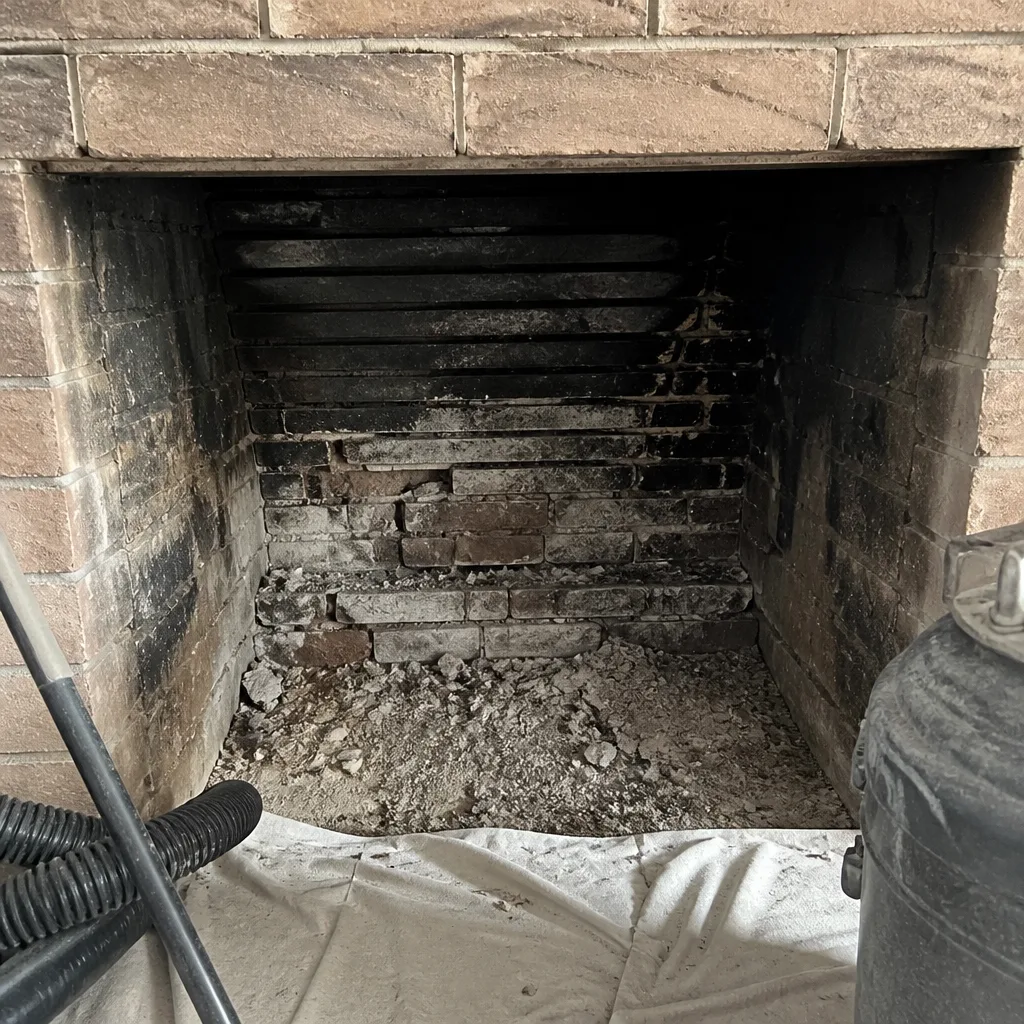 Before
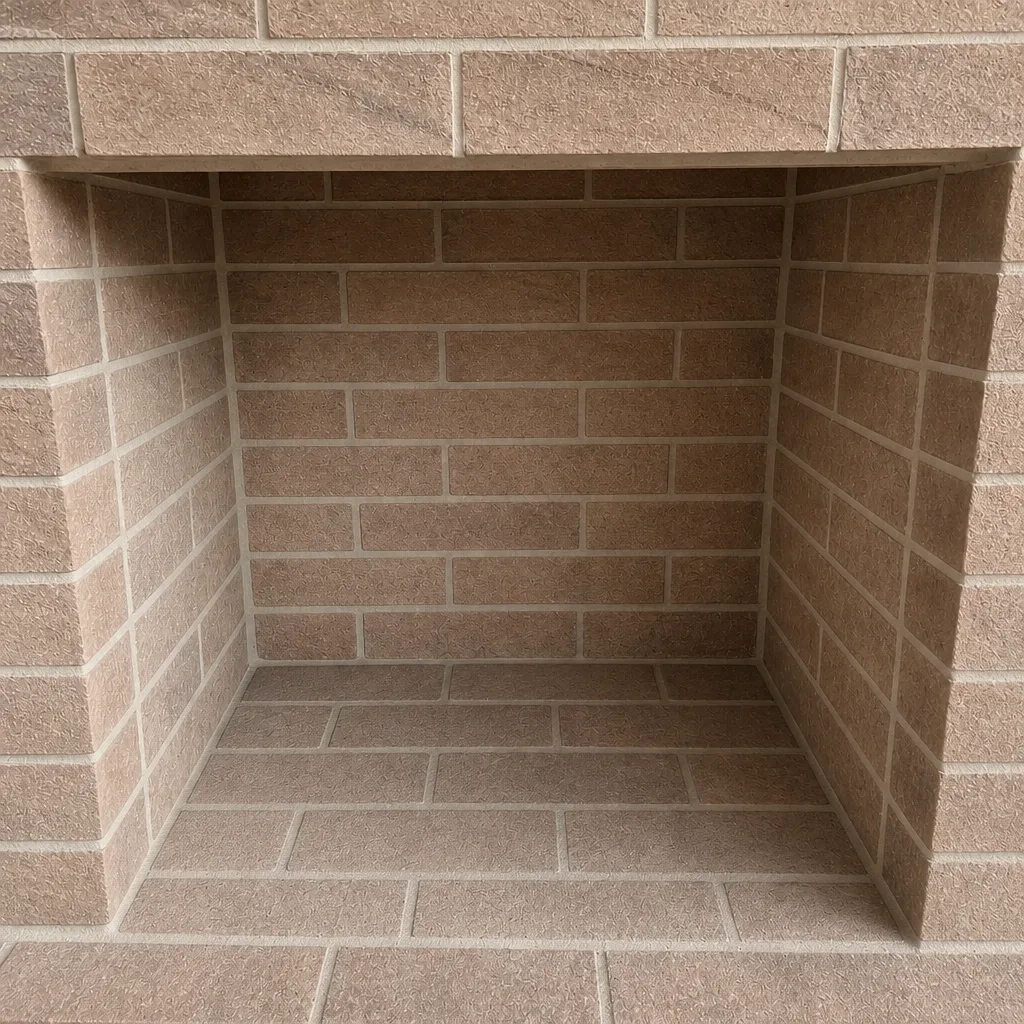 After
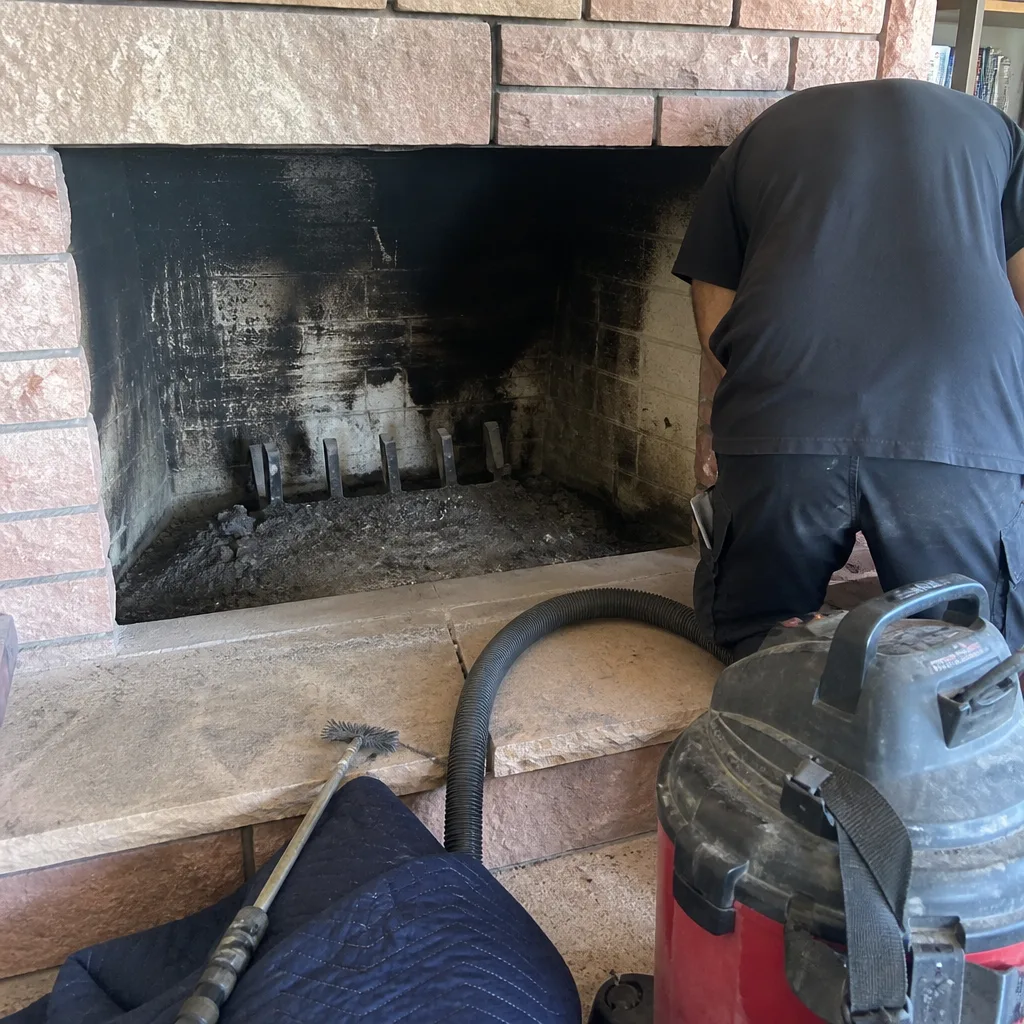 Before
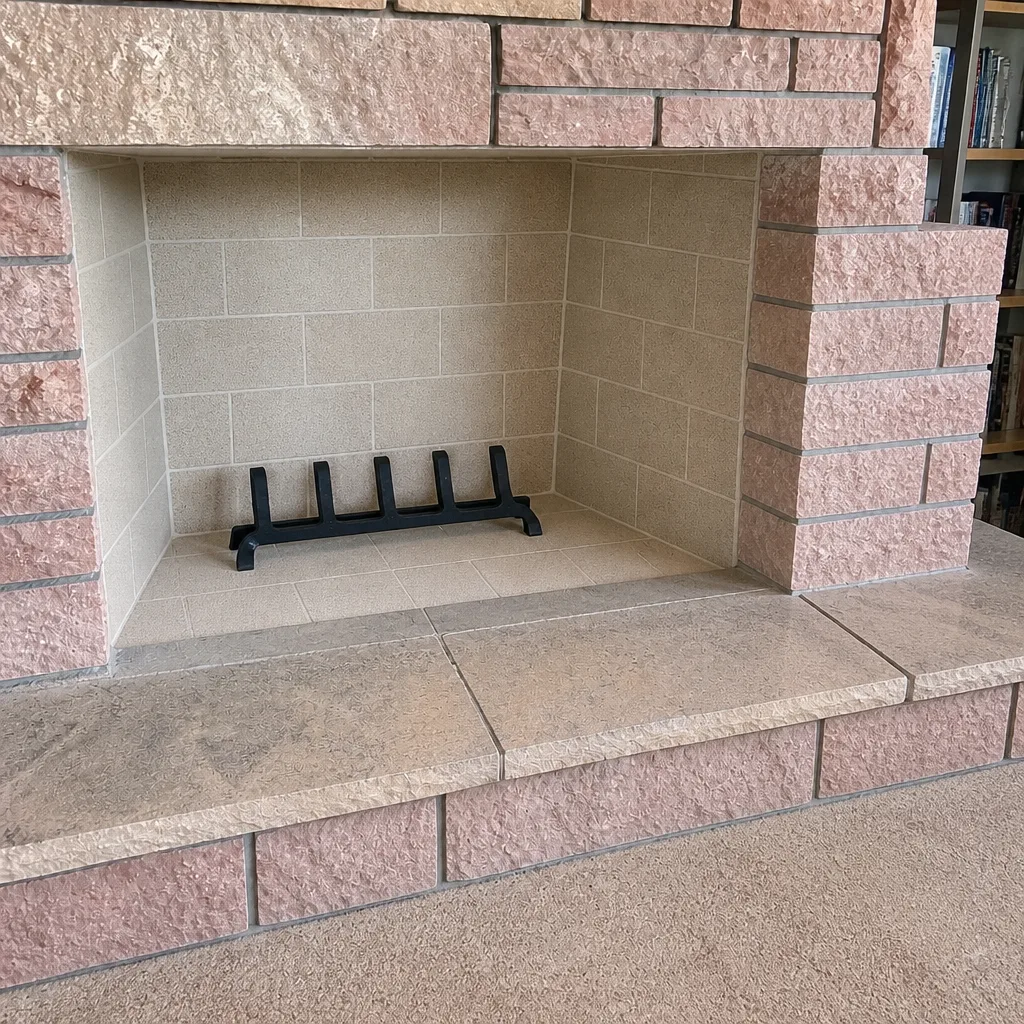 After
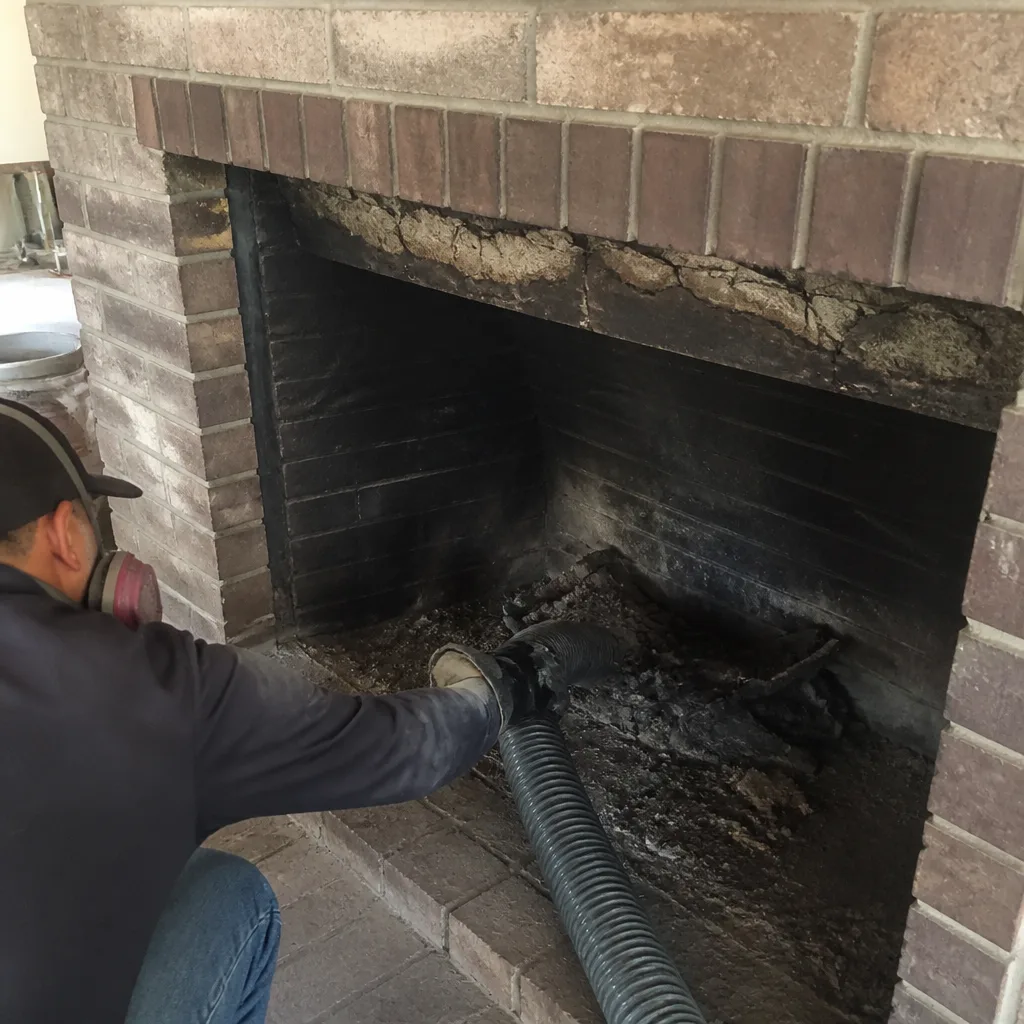 Before
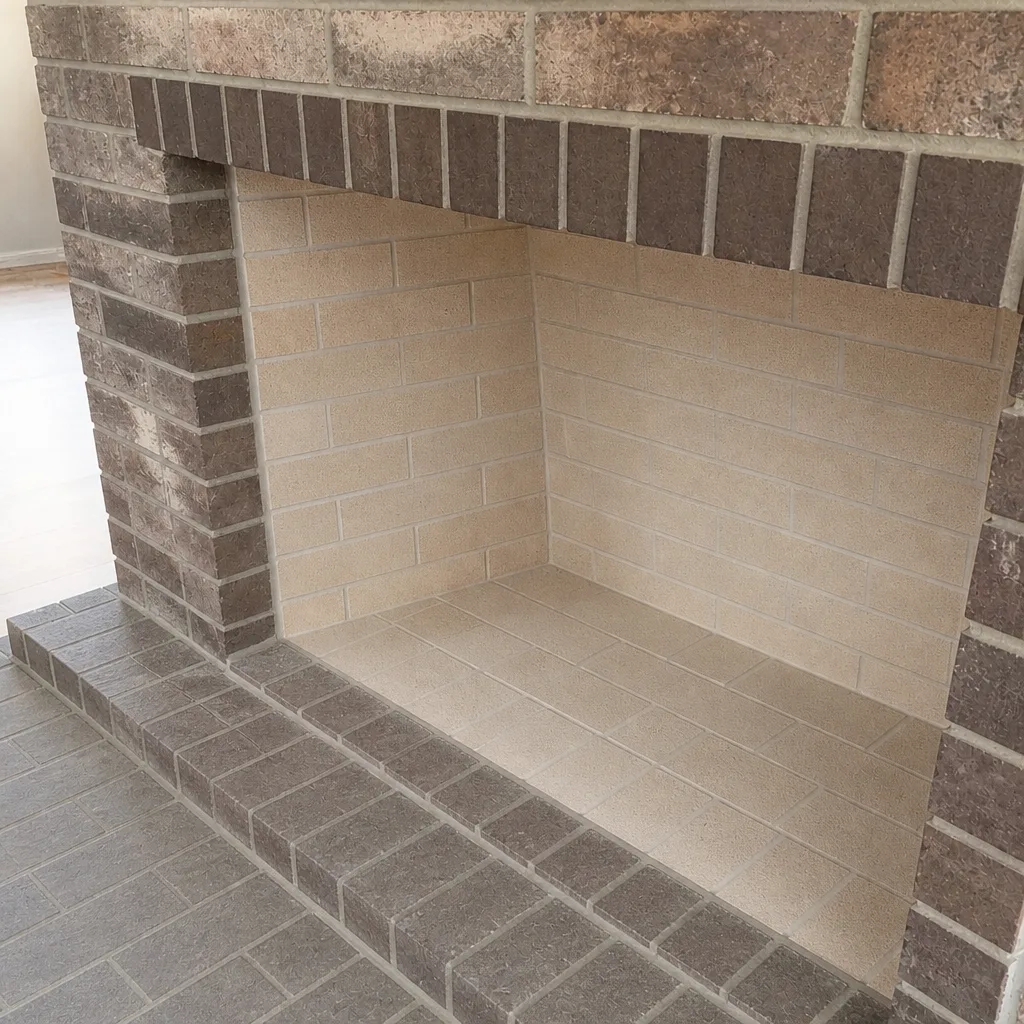 After
When to Call a Professional
Some chimney work is a homeowner’s business and some isn’t. If you smell smoke in the house when the fireplace is going, or you see staining on the exterior of the chimney, or the firebox has visible cracks, that’s a call. If it’s been more than a year since the last sweep, or you’ve just moved into a home and don’t know its service history, that’s a call. Anyone who burns wood regularly should have the flue checked and swept on a schedule, and the start of the heating season is the natural time. On the venting side, a dryer that takes two cycles to dry a load or feels hot to the touch is telling you the duct is restricted, and that’s worth addressing promptly. Phoenix Chimney Cleaning offers free estimates in Phoenix. Call (855) 360-8261. We answer 24/7. Fast dispatch from 7am to 7pm, Sunday through Friday.
Frequently Asked Questions
It means the product is manufactured and tested to a recognized industry specification, often an ASTM standard that sets minimum requirements for heat resistance, adhesion, corrosion resistance and material thickness. A professional-grade chimney product is built for continuous service in a working flue, while a consumer version is built for occasional homeowner use. Ask any contractor which standard their material meets and see how they answer.
The names that come up most in professional supply are HeatShield for flue resurfacing, DuraFlex for flexible stainless liners, and Famco and Copperfield for caps and top-of-flue components. Each is known for a specific part of the system rather than everything. What matters isn’t that a contractor uses every one; it’s that they can name what they use and explain why.
Yes, mainly in formulation and thickness. Consumer products are built for a broad climate range and a lower price, so they’re often thinner or less heat-resistant than the professional version of the same category. In Phoenix, where chimneys sit through extreme summer heat and daily expansion cycling, that difference affects how long a repair holds. Call (855) 360-8261 if you want to talk through what a specific repair would use.
The only reliable way is a proper inspection with a camera, and the answer depends on the condition of the existing flue. Cracks in clay tiles, gaps at the joints, or a flue that isn’t sized for the appliance are the usual reasons a liner becomes necessary. Some damaged flues qualify for HeatShield resurfacing instead of a full reline. Nobody should recommend a liner without showing you what they saw. Call (855) 360-8261 to book an assessment.
It does, because of heat. Roof and flue surfaces here get hot enough in summer to stress sealants and metal through repeated expansion and contraction, and the dry-then-monsoon cycle adds water exposure on top of that. Materials specified for chimney use handle that better than general-purpose products. It’s not a dramatic difference on day one; it’s a difference over years.
They should be able to name the brands they’ll install, explain why they chose them, tell you the gauge and warranty on any liner, and put all of it in a written estimate. They should also tell you honestly when work can wait. A specialist with nothing to hide will answer all of that without pressure. Call (855) 360-8261 for a free estimate and ask us anything on this list.
The Bottom Line
The materials behind a chimney repair do the same job the repair does: they hold or they fail. Knowing the difference between professional-grade supply and a consumer substitute gives you a way to judge a contractor that no review can match. Ask which brands they use. Ask what gauge the liner is and what the warranty covers. Ask whether they can resurface a damaged flue instead of replacing it. The answer tells you whether you’re hiring a specialist. Phoenix Chimney Cleaning handles sweeping, dryer vent cleaning and chimney repair with the same team, using the materials specification contractors rely on, and we’ve served Phoenix since 2012.
Written by the team at Phoenix Chimney Cleaning, serving Phoenix since 2012.