
Last updated November 14, 2026
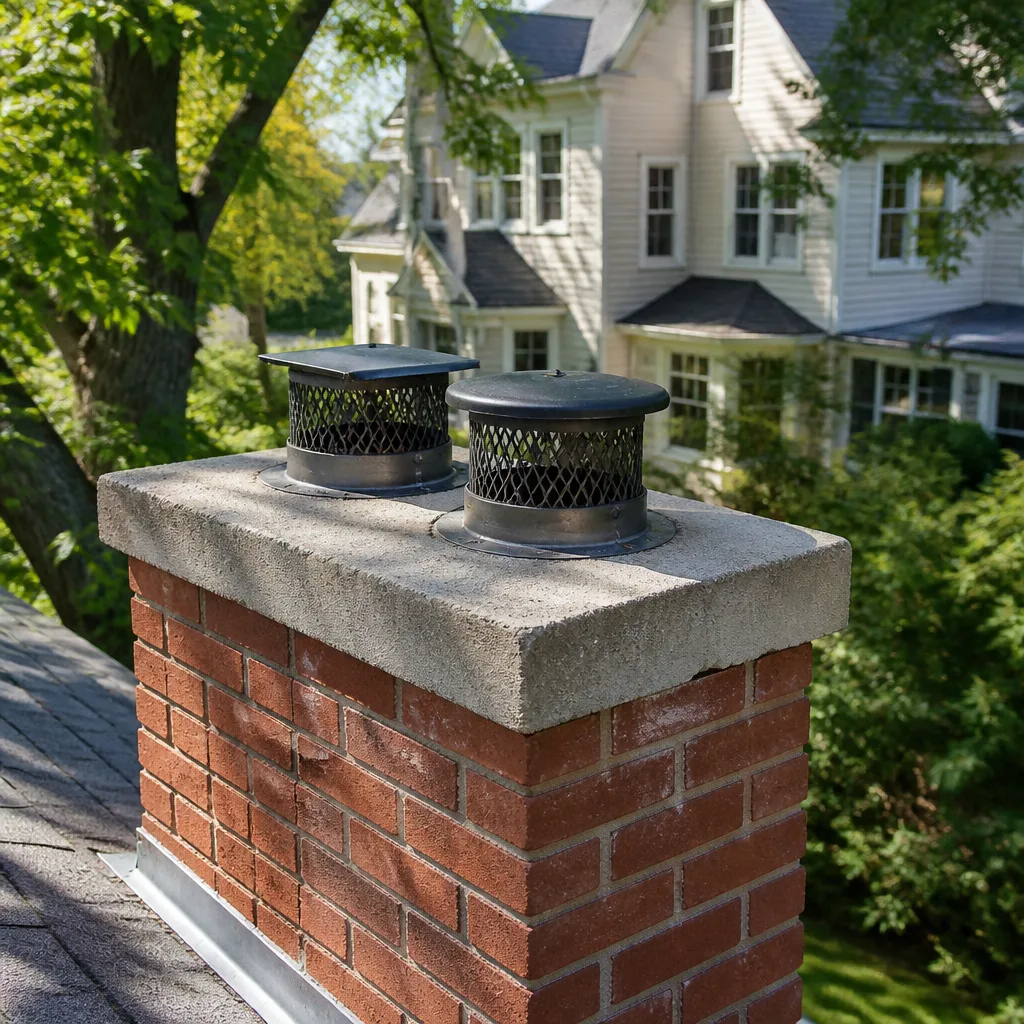 Sweep & inspection
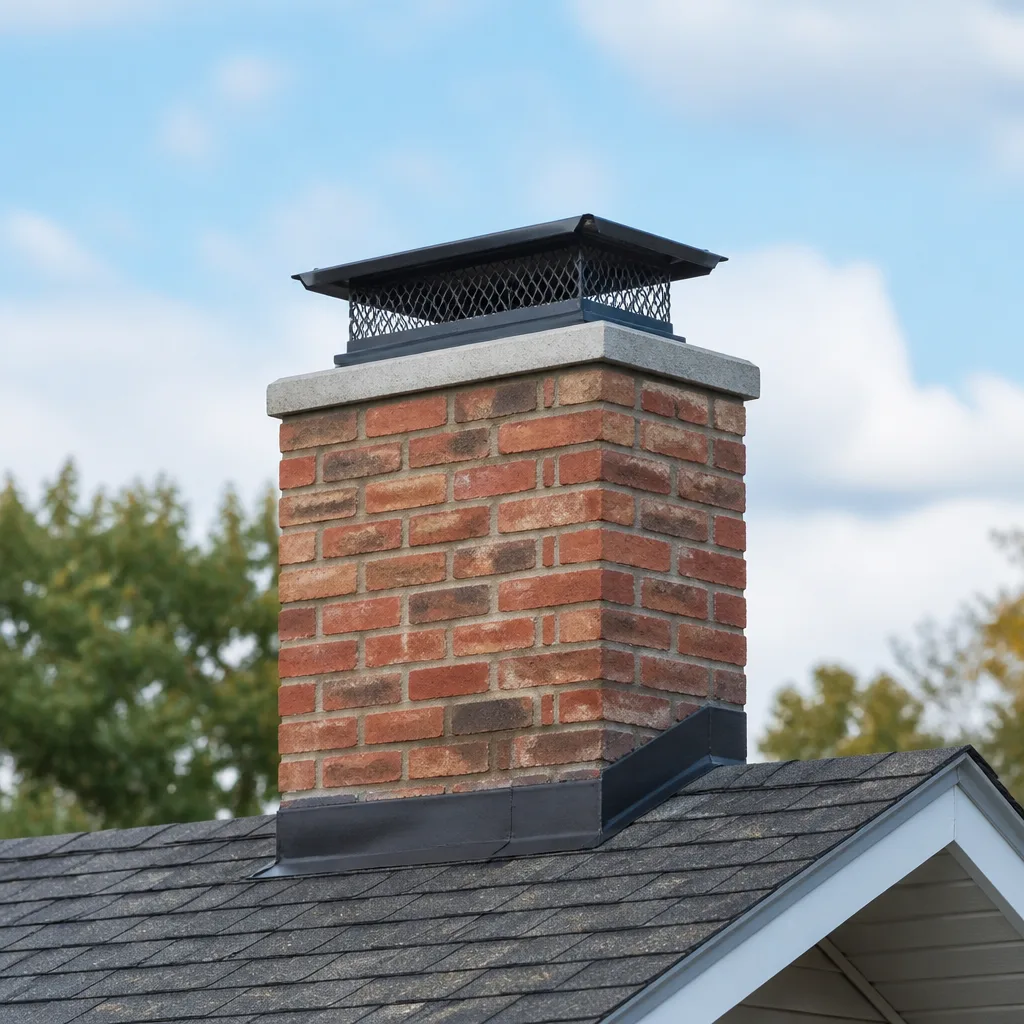 Caps & crowns
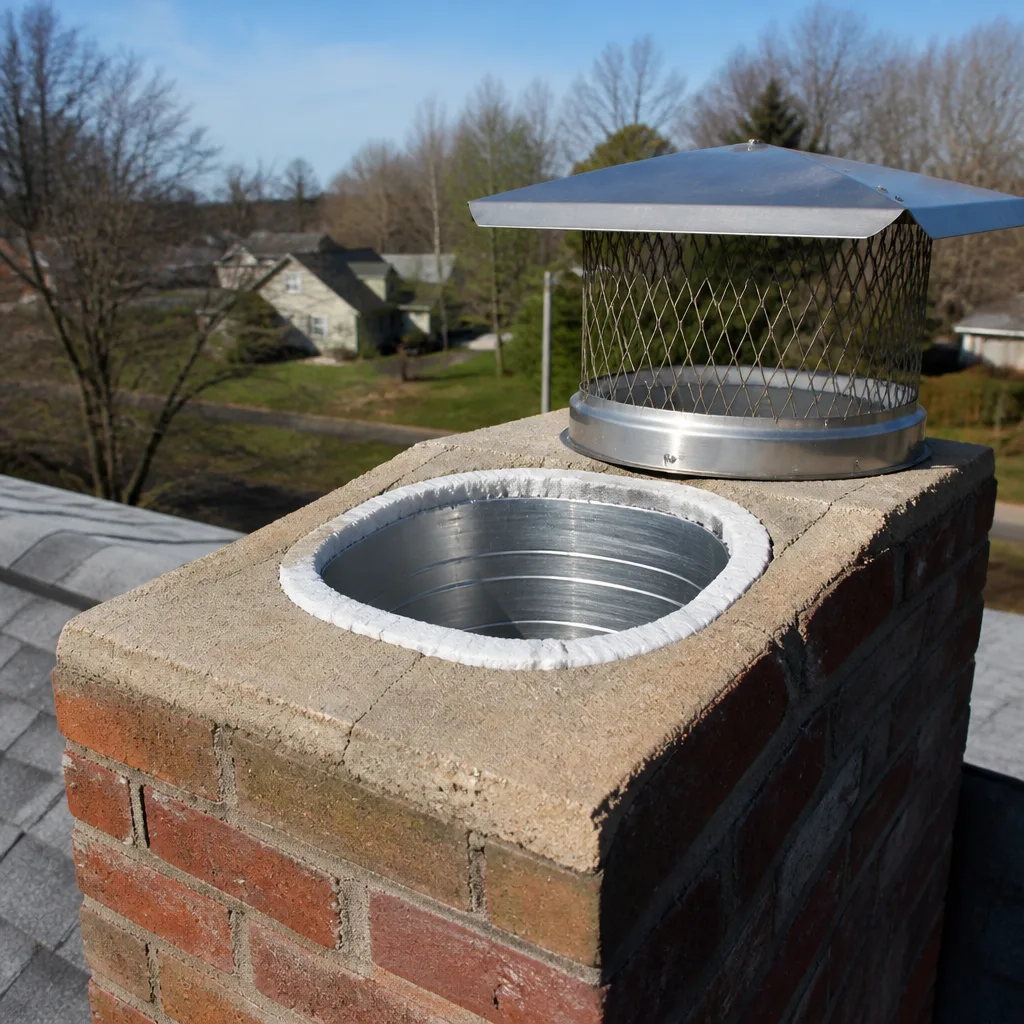 Flue relining
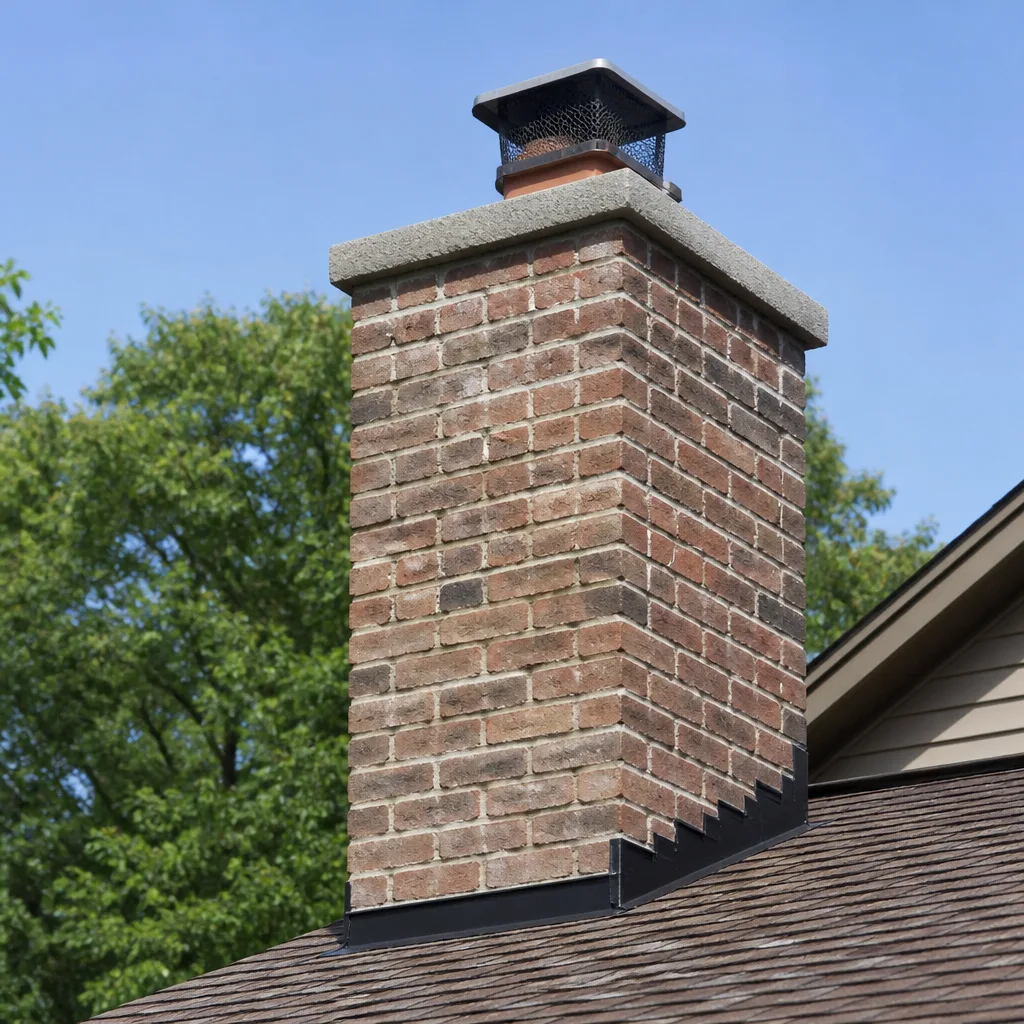 Masonry repair
 Gas fireplace service
Level 1 sweep and inspection to the NFPA 211 annual standard - flue, crown, cap, and flashing checked and photographed
Chimney sweep logs do not sweep chimneys. They loosen some creosote - which then falls where a brush and vacuum still have to collect it.
Chimney Sweep Troubleshooting in Phoenix: Common Problems and How to Fix Them
If smoke is rolling into your living room, the instinct is to blame the chimney. But most of the time, the real culprit is an air-pressure problem your house is creating, not the flue itself. Modern Phoenix homes are sealed tight and run air conditioning for months on end, and that combination changes how a chimney breathes. The symptom you see at the firebox rarely matches the cause you’d guess. This guide maps the complaints we hear most often to the failures that actually produce them, so you can tell the difference between a problem that needs a sweep, one that needs a repair, and one that needs a mason. You’ll also learn which issues you can diagnose yourself and which need a camera.
Quick Answer
Most chimney problems in Phoenix trace back to one of four causes: a blocked or dirty flue, negative air pressure inside a tightly sealed house, moisture getting in during monsoon season, or a damaged liner that needs repair rather than a simple sweep. A slow draft, smoke spillage, and odors after cleaning are usually airflow and pressure issues, while staining, crumbling mortar, and rust point to moisture or structural wear. A camera inspection tells you which one you’re dealing with before anyone quotes a repair.
Styles & brands we work with
- Sweep & inspection
- Caps & crowns
- Flue relining
- Masonry repair
- Gas fireplace service
Table of Contents
- Why Does Smoke Come Into the Room Instead of Going Up?
- The Negative Pressure Problem in Sealed Phoenix Homes
- Matching Each Symptom to Its Real Cause
- Monsoon Moisture and the Odor That Isn’t a Cleaning Problem
- What You Can Test Yourself and What Needs a Camera
- Sweep, Repair, or Mason: Which One Do You Actually Need?
- When the Problem Isn’t the Chimney At All
- Keeping a Phoenix Chimney Healthy Year to Year
Why Does Smoke Come Into the Room Instead of Going Up?
Smoke spilling into the room almost always means the chimney can’t pull air up fast enough to overcome something pushing back. A chimney works on the principle that warm exhaust rises. When the flue is cold, blocked, or fighting a house that’s pulling air downward, that rise stalls out and the smoke takes the path of least resistance: into your living room. The fireplace itself is usually fine. The problem lives in the relationship between the flue and the air around it.
In Phoenix, three conditions make this worse than it might be elsewhere. First, the shoulder seasons. A cool evening in the desert can drop fast, and a flue that hasn’t warmed up yet drafts poorly until it does. Second, the house itself. Most Phoenix homes built in the last couple of decades are built tight, with good insulation and sealed windows, and a tight house has fewer paths for replacement air to enter. Third, the air conditioning. When the AC runs hard all day and you light a fire in the evening, the house is already under a slight negative pressure from exhaust fans and the system itself, and that pressure competes with the chimney’s upward pull.
What to check first
- Crack a window near the fireplace an inch before you light a fire. If the smoke problem clears up, you’ve confirmed a pressure issue rather than a blockage.
- Look up the flue with a flashlight. A visible bird nest, leaf pack, or heavy soot load is a blockage a sweep will clear.
- Check the damper. If it won’t open fully or is stuck, the flue is being choked at the throat.
- Note the weather. Smoke problems that only happen on windy days point to a termination or cap issue, not a dirty flue.
If cracking a window fixes it, the chimney needs an airflow correction, not a cleaning. That’s an important distinction, because a sweep won’t solve a pressure problem no matter how many times it’s done. Call chimney sweep professionals who can tell the difference before you spend money on the wrong fix. Call (855) 360-8261. We answer 24/7. Fast dispatch from 7am to 7pm, Sunday through Friday.
The Negative Pressure Problem in Sealed Phoenix Homes
A house that’s sealed tight for air conditioning can pull harder on your chimney than the chimney can push back. This is called negative pressure, and it’s one of the most common and least understood causes of fireplace trouble in Phoenix. Every time a bath fan, kitchen exhaust hood, or clothes dryer runs, it pushes air out of the house. Something has to replace that air. In a leaky older home, it seeps in through gaps around windows and doors. In a well-sealed Phoenix home, the easiest path for replacement air is often straight down your chimney.
That downward pull competes directly with the fire’s need to send exhaust up. The result is a weak draft, smoke that lingers, and a fire that’s hard to keep lit. Homeowners often assume the chimney is dirty or the fireplace is defective, and they pay for a sweep that doesn’t change anything because the flue was never the problem.
Signs you’re fighting negative pressure
- Smoke spills when the house is closed up but behaves on mild days with windows open.
- The problem is worse when the kitchen hood or a bath fan is running.
- You smell smoke in rooms far from the fireplace, not just near it.
- The fire burns lazily and smolders more than it flames.
Fixing negative pressure isn’t about the fireplace at all. It’s about giving the house a way to breathe. A dedicated outside air source, a properly sized flue, or a chimney fan can all correct the balance. Which one fits your home depends on the layout and the flue, and that’s a conversation for someone who inspects these systems every day. We serve Phoenix homes of every age, and the tight, modern ones are where this problem shows up most.
Matching Each Symptom to Its Real Cause
The mistake most homeowners make is treating every fireplace complaint as a cleaning problem. They aren’t the same, and lumping them together leads to paying for the wrong service. Here’s how the common symptoms break down, and what each one usually points to.
- Smoke in the room: Most often negative pressure or a cold flue, less often a blockage. A cracked flue tile can also cause it by disrupting the draft.
- Slow, weak draft: A flue that’s too short for the fireplace opening, a partially closed or stuck damper, or a heavy soot load choking the passage.
- Persistent odor after a cleaning: This one fools people. If the smell continues right after a sweep, the cause isn’t creosote. It’s often moisture, a deteriorating liner, or a buildup of glaze that a standard sweep doesn’t remove.
- Staining on firebox walls: Dark streaks or white powdery marks point to water getting in or to a liner that’s no longer sealed. Staining isn’t cosmetic; it’s a signal.
- Rust on the damper or firebox: Metal rusts from moisture, not from fire. If you see rust, water is entering the flue.
- Crumbling mortar or loose bricks: This is structural wear, and it belongs with a mason, not a sweep.
- Smoke smell that appears when you’re not burning: Often a downdraft pulling cold, sooty air back into the house, common in the cooler months when the flue is cold.
The value of mapping symptoms this way is that it keeps you from being sold services you don’t need. A staining problem doesn’t need a sweep any more than a smoke spillage problem needs a new liner. Getting the diagnosis right first is the whole game.
Monsoon Moisture and the Odor That Isn’t a Cleaning Problem
A smell that appears after summer storms isn’t a sign your chimney needs another sweep. It’s moisture interacting with soot, creosote, and dust inside the flue, and it spikes when the desert’s monsoon season pushes humid air through an unprotected chimney. This is one of the most misread problems in Phoenix. Homeowners smell something musty or smoky, assume the flue is dirty, and book a cleaning. The cleaning helps briefly, then the smell returns with the next storm because the water is still getting in.
Moisture enters a chimney in a few predictable ways. A missing or damaged rain cap is the most common. Cracked mortar at the crown, the concrete cap on top of the chimney, lets water seep down around the flue. A failed flashing where the chimney meets the roof is another entry point. Once water is inside, it mixes with soot to create that sharp, acrid smell, and over time it corrodes the damper and breaks down the liner.
What actually stops the smell
- Inspect the cap and crown for cracks and gaps, and confirm the cap is actually covering the flue opening.
- Check the flashing at the roofline for lifted or deteriorated seals.
- Have the flue inspected with a camera to see whether moisture has already damaged the liner.
- Repair the entry point, then address any liner damage the water caused.
The monsoon pattern in Phoenix makes this a seasonal rhythm. Storms build through the summer, and that’s when the calls spike. But the fix isn’t a seasonal sweep. It’s sealing the chimney against water so the next storm doesn’t restart the cycle. We handle dryer vent cleaning and chimney repair as part of the same venting work, because both are about keeping the paths that carry exhaust and moisture working the way they should.
What You Can Test Yourself and What Needs a Camera
Some chimney problems are simple enough to diagnose at home. Others hide behind a bend in the flue where no flashlight reaches, and those need a camera. Knowing the difference saves you a wasted service call and tells you when it’s time to bring in a professional.
The candle-smoke test
This is a safe, simple way to check draft without lighting a fire. Open the damper, hold a lit candle or a stick of incense near the open damper, and watch the smoke. If it rises steadily up the flue, your draft is working. If it stalls, curls back into the room, or gets pushed downward, you’ve got a draft or pressure problem. Run the test with the house sealed up and again with a nearby window cracked. The difference tells you whether pressure is the cause. Don’t attempt this with a fire already burning, and don’t reach into the firebox while the flue is hot.
What you can check visually
- The damper opens and closes freely.
- The firebox walls for staining, rust, or crumbling mortar.
- The cap on the roof for cracks or missing pieces, viewed safely from the ground with binoculars.
- The firebox for a heavy soot or creosote buildup you can see.
What needs a camera
A camera inspection goes where your eye can’t. It reveals cracked or separated flue tiles, hidden creosote glaze, gaps in a liner, and blockages sitting above a bend in the flue. These are the failures that cause smoke problems, odor, and real safety risk, and no amount of flashlight work will reveal them. When someone recommends a liner or a repair, ask to see the camera footage. Nothing should be recommended that you can’t see for yourself. If a technician won’t show you what they found, that’s your cue to get a second opinion.
In our experience, the camera is what separates a real diagnosis from a guess. It’s also what lets us tell a homeowner when work can safely wait, which is a conversation worth having before you spend anything.
Sweep, Repair, or Mason: Which One Do You Actually Need?
Not every chimney problem is a cleaning problem, and one of the most useful things a homeowner can learn is which trade handles which issue. Sorting them correctly keeps you from being sold a repair when you needed a sweep, or a sweep when you needed a mason. Here’s the breakdown.
- A sweep handles: soot and creosote removal, blockages like bird nests or leaf packs, and routine annual cleaning. If the flue is structurally sound but dirty, this is the fix.
- A repair handles: a damaged or deteriorating liner, a failed damper, a missing cap, cracked mortar at the crown, and flashing that’s letting water in. This is where liner restoration with HeatShield or a reline with DuraFlex comes in, depending on how much damage the camera shows.
- A mason handles: rebuilding a firebox, replacing loose brickwork, and structural work on the chimney itself. Sweeping and relining won’t fix masonry that’s coming apart.
The reason this matters is that the three trades overlap in ways that can be confused. A crumbling crown looks like a chimney problem, and it is, but a sweep won’t fix it. A liner that’s separating looks like a dirty flue until the camera shows the gap. And a smoky fireplace sometimes isn’t a chimney problem at all, it’s an airflow problem, which is neither a sweep, a repair, nor a masonry job. When liner damage qualifies, HeatShield resurfacing can restore the flue without the cost of a full replacement. We’ll tell you honestly which one you need, and we have the materials and training to do the repair once we’ve confirmed it.
When the Problem Isn’t the Chimney At All
Homeowners sometimes call about a “smoky smell” or poor ventilation and assume it’s the chimney, when the real issue is the clothes dryer vent. Both are venting systems, both carry exhaust out of the house, and both can fail in ways that are easy to mistake for each other. The dryer vent pulls lint and moisture out, and when it’s clogged, the dryer runs hot, the house feels more humid, and the machine takes longer to dry a load. That trapped heat and lint is a genuine fire hazard, not just an inconvenience.
We treat dryer vent cleaning as a core service rather than something tacked onto a fireplace visit, because the same skills that clear a chimney apply to a dryer duct. The lint that builds up in a dryer vent behaves a lot like the creosote in a flue: it accumulates, it restricts airflow, and it’s flammable. If your dryer is taking two cycles to dry a load, or the laundry room feels warm and damp, the vent is the first thing to check. Keeping both venting paths clear is part of keeping a home safe, and it’s work worth doing before you have a problem rather than after.
Keeping a Phoenix Chimney Healthy Year to Year
Chimney care in Phoenix follows a different calendar than it does in colder parts of the country. Winters are mild, so the burning season is shorter and less intense, but the desert’s dry heat, seasonal monsoons, and the way homes are built and cooled create their own patterns. A chimney here faces dust, sudden summer humidity, and the constant pressure of a sealed, air-conditioned house. Those conditions repeat every year, which means the maintenance that keeps a chimney healthy is fairly predictable.
- Have the flue swept on a regular schedule based on how much you burn, not just once and done.
- Inspect the cap, crown, and flashing ahead of monsoon season, before the storms arrive.
- Get a camera inspection whenever you notice a new symptom, rather than waiting for it to get worse.
- Keep the dryer vent clear alongside the chimney, since both are venting systems in the same house.
- Run the candle-smoke test once a season so you catch a draft problem early.
This routine is what keeps small issues from turning into big ones. A crown crack caught before monsoon season is a minor repair. Caught after a season of water intrusion, it’s a liner replacement. Getting to problems earlier is the whole point.
Common Mistakes to Avoid
- Assuming every problem is a dirty flue. A sweep fixes creosote and blockages. It won’t fix negative pressure, moisture intrusion, or a cracked liner, and paying for a sweep that changes nothing wastes money.
- Lighting a fire before checking the flue. The first burn of the season is when blockages and draft problems show up. Check the damper and run a draft test before you light anything.
- Treating monsoon odor as a cleaning problem. If the smell returns right after a sweep, the cause is moisture getting in, and the fix is sealing the chimney against water, not another cleaning.
- Agreeing to a liner replacement without seeing the evidence. Ask to see the camera footage. Nothing should be recommended that you can’t verify for yourself.
- Ignoring a rusted damper or stained firebox. Rust and staining are signals of water or liner damage. They don’t fix themselves, and they tend to get worse through a monsoon season.
- Slamming a tightly sealed house with a hard-running fire. A sealed, air-conditioned home with a hot fire is a classic setup for negative pressure. Crack a window and watch the difference.
- Forgetting the dryer vent. Many venting complaints that sound like chimney problems turn out to be a clogged dryer duct, and that’s a real fire risk worth checking.
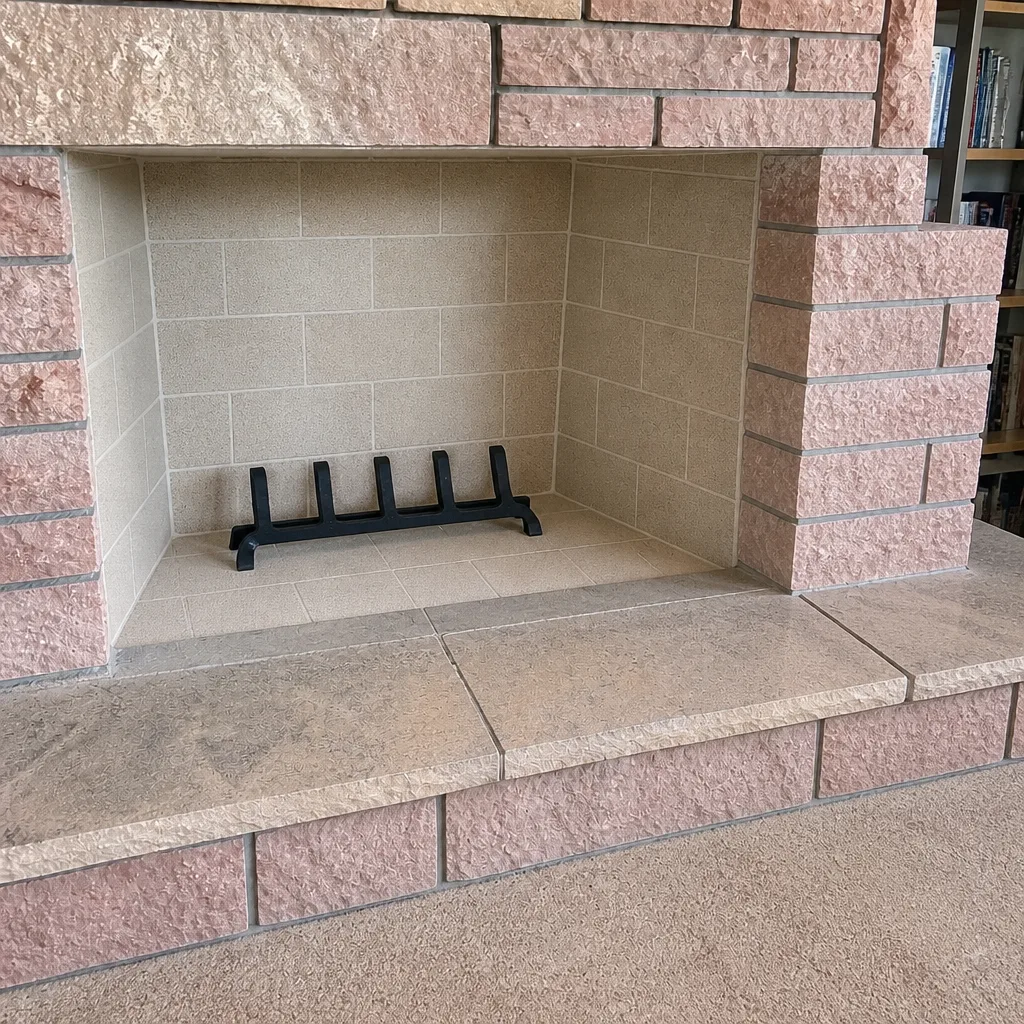
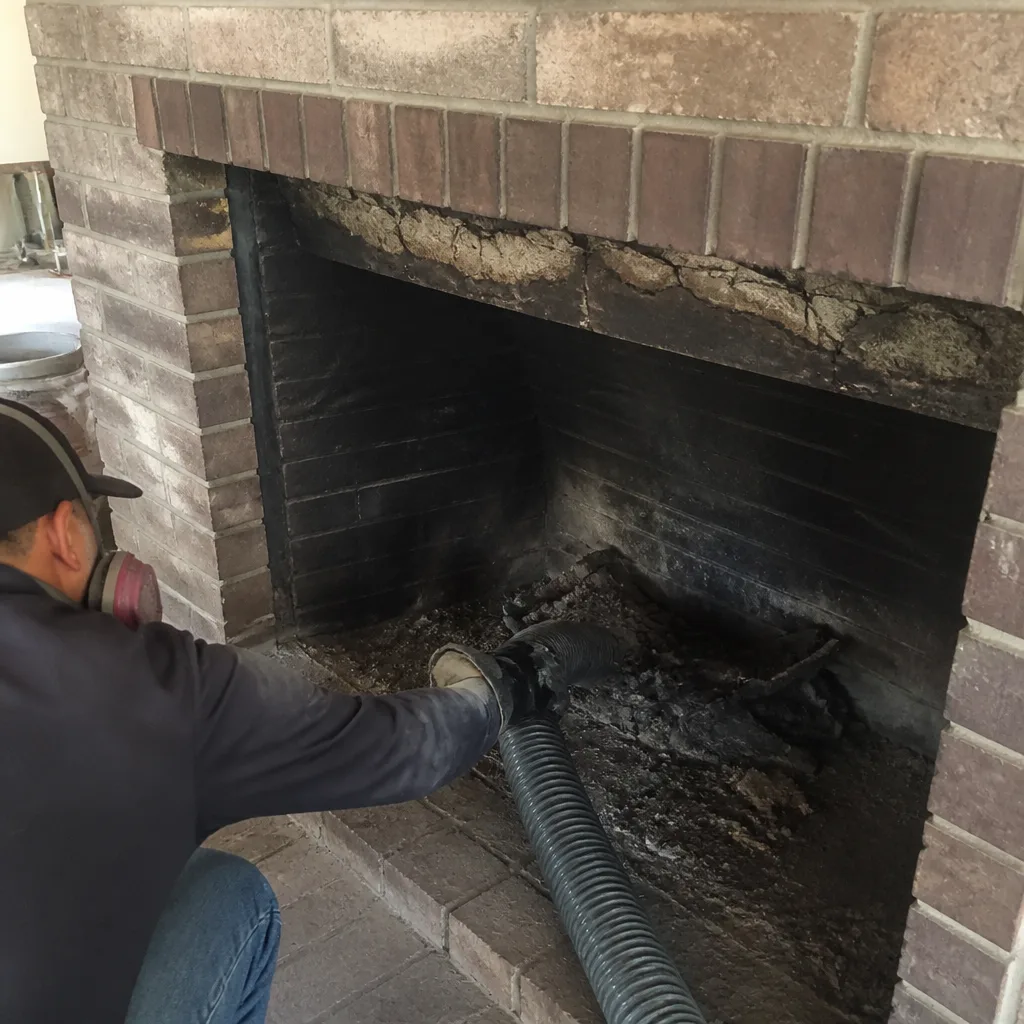
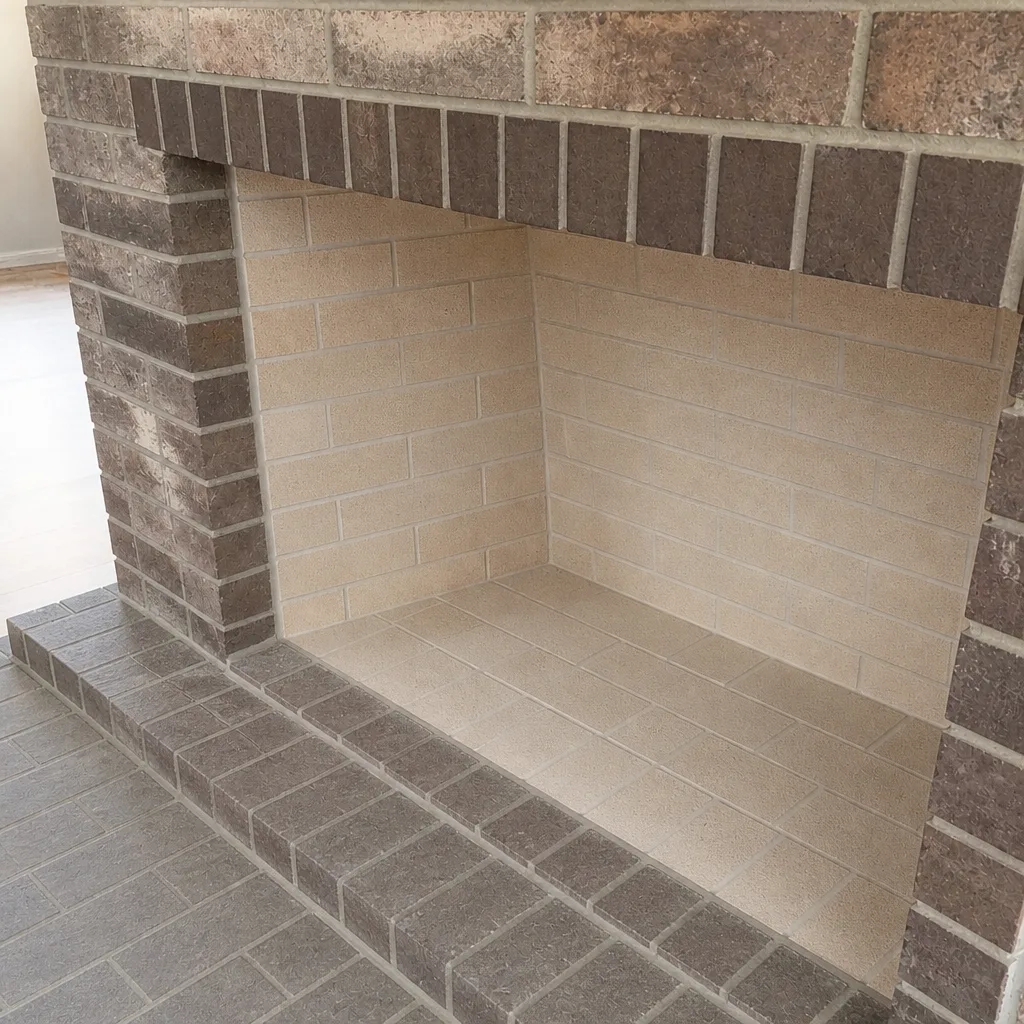
See the difference
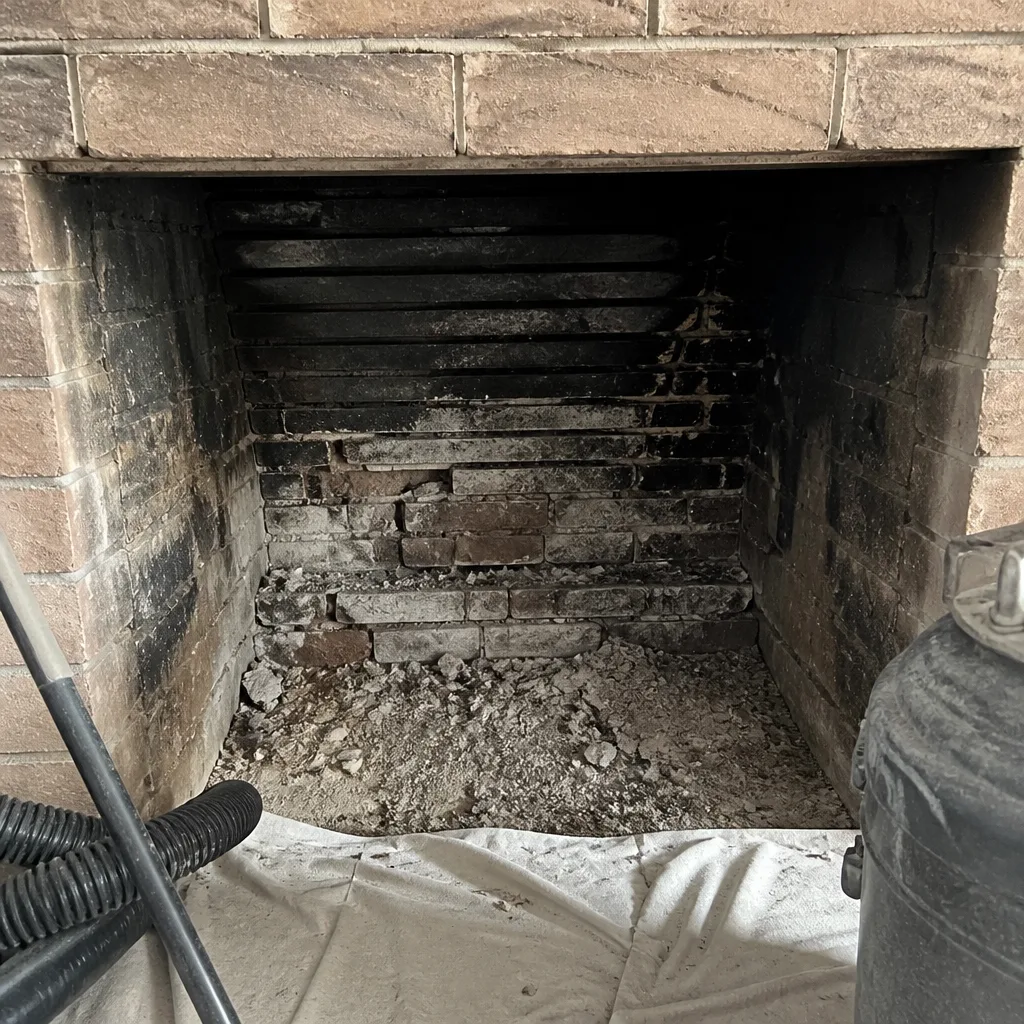 Before
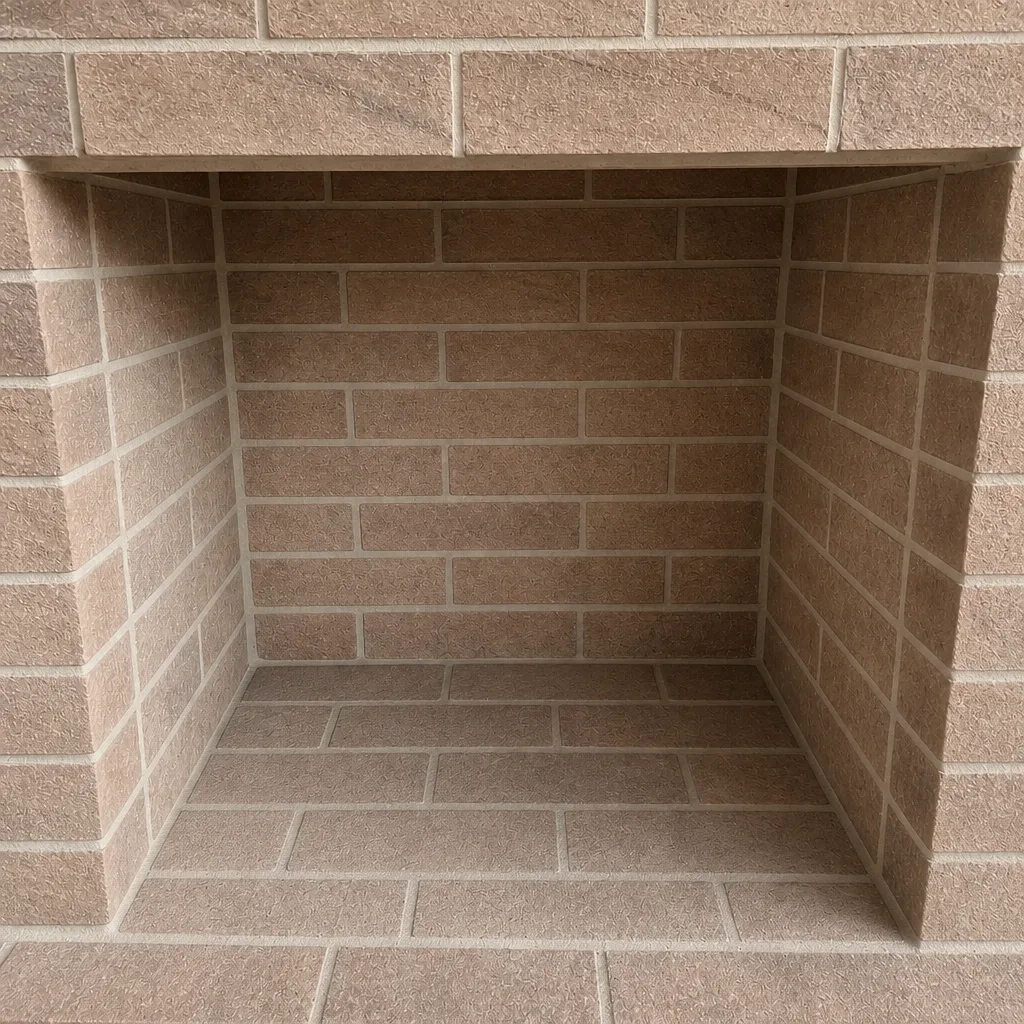 After
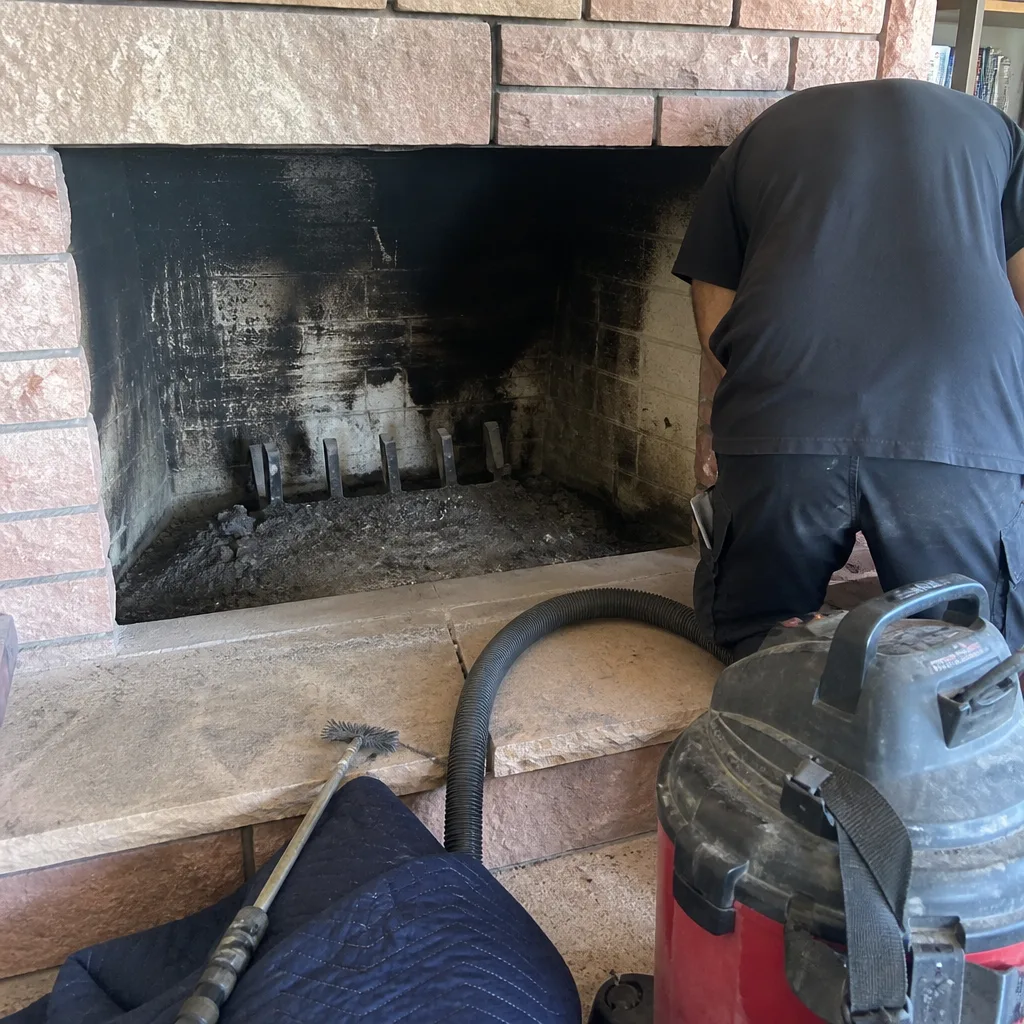 Before
 After
 Before
 After
When to Call a Professional
Some problems you can diagnose yourself. Others need eyes on the flue before anything gets lit. Call a professional if you smell smoke or gas, if smoke rolls into the room no matter what you try, if you see rust, staining, or crumbling mortar, or if the smell returns soon after a cleaning. Call before lighting the first fire of the season if you haven’t had the flue inspected in a while and the chimney is older. Call if the camera shows something you don’t understand and you want a straight answer on whether it can wait. And if what sounds like a chimney problem turns out to be a dryer vent, that’s worth calling on too. Phoenix Chimney Cleaning offers free estimates in Phoenix. Call (855) 360-8261. We answer 24/7. Fast dispatch from 7am to 7pm, Sunday through Friday.
Frequently Asked Questions
A standard chimney sweep is priced per job by a written estimate, and the estimate is free. The price depends on the flue’s condition and how much buildup there is, so it’s set after an inspection rather than quoted blind over the phone. Call (855) 360-8261 for an exact quote. Estimates are free, and you’ll see what we find before anything is agreed.
Only if the camera shows real liner damage that resurfacing can’t fix. A cracked or separated liner is a genuine safety concern and a common cause of smoke problems and odor, but plenty of flues that look bad from the outside are structurally sound inside. When damage qualifies, HeatShield resurfacing can restore the liner without the cost of a full replacement, and we’ll tell you honestly which one your chimney needs. Call (855) 360-8261 and ask to see the camera footage before you decide.
In Phoenix, the right interval depends on how much you burn, not on a fixed calendar. A fireplace used regularly through the cooler months needs more frequent sweeping than one used a handful of times a year. The safest approach is to check the flue at the start of each season and let what’s in it decide. Call (855) 360-8261 to talk through your usage and get a free estimate.
Creosote builds up, and enough of it can fuel a chimney fire, while blockages and draft problems get worse rather than settling down. Liner damage from moisture or heat gets more expensive to fix the longer it goes. Skipping maintenance doesn’t stop the problem; it lets it compound through another burning season and another monsoon. Call (855) 360-8261 for a free estimate before the flue gets worse.
Because moisture is getting into the flue and mixing with soot and creosote to create that sharp smell. The monsoon season pushes humid air through unprotected chimneys, and it spikes when the rain comes. A sweep won’t stop it from returning. The fix is finding the water’s entry point, whether that’s a missing cap, a cracked crown, or failed flashing, and sealing it. Call (855) 360-8261 for a free estimate.
Sometimes, yes. Cracking a window near the fireplace an inch often clears a smoke problem that’s caused by negative pressure, and that tells you the issue is airflow rather than a blockage. But if smoke still spills with a window open, the cause is in the flue, and that needs a camera inspection. Never keep burning a fire that’s spilling smoke; call (855) 360-8261 for a free estimate instead.
The Bottom Line
Most chimney problems that look like a bad fireplace are really diagnosable symptoms with fixable causes. Smoke in the room usually points to negative pressure in a tightly sealed, air-conditioned Phoenix home. Odor after a cleaning usually means moisture, not dirt. Rust and staining mean water. And some venting complaints turn out to be the dryer, not the chimney. The key is matching the symptom to the real cause before anyone sells you a service. Get the diagnosis right, see the evidence, and only fix what actually needs fixing. If you want a straight assessment, we’re here across Phoenix Chimney Cleaning and the neighborhoods we serve.
Call (855) 360-8261 for a free estimate. We answer 24/7. Fast dispatch from 7am to 7pm, Sunday through Friday.
Written by the team at Phoenix Chimney Cleaning, serving Phoenix since 2012.