
Last updated November 14, 2026
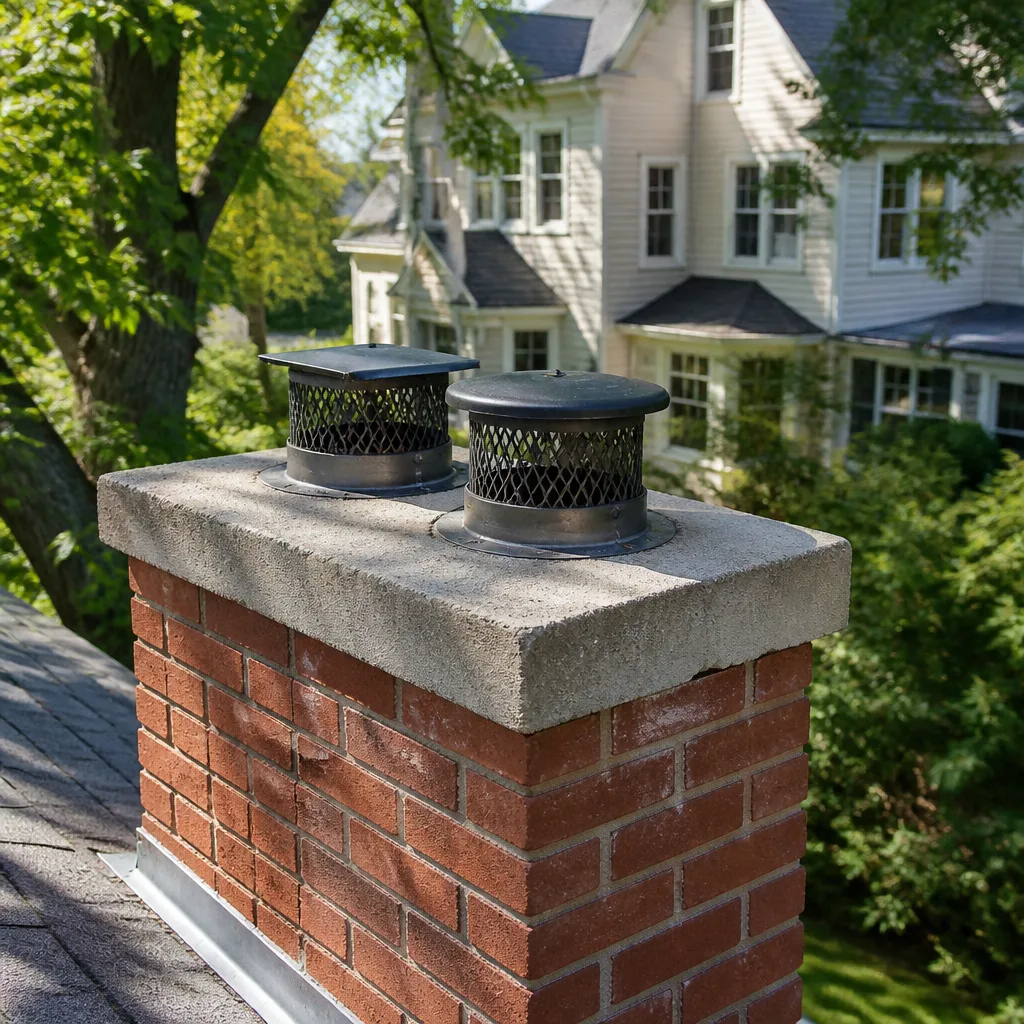 Sweep & inspection
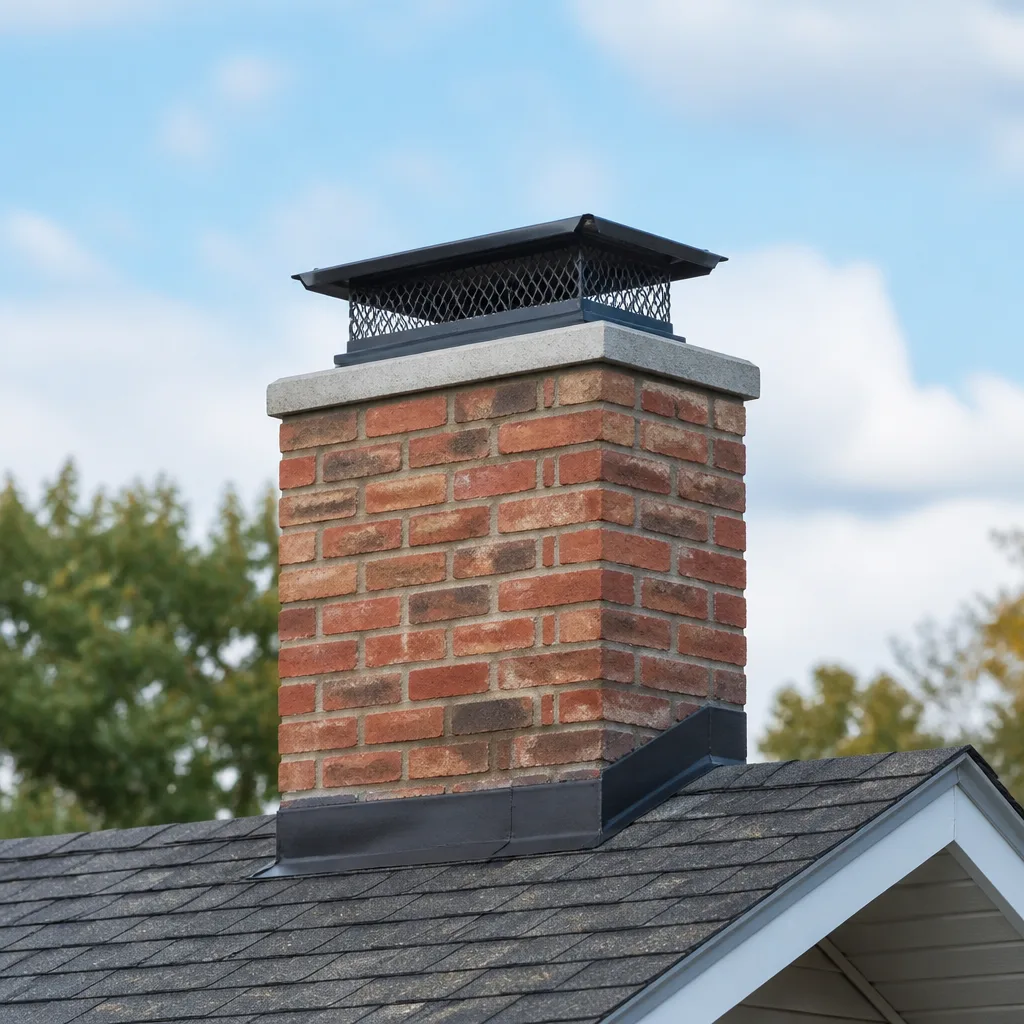 Caps & crowns
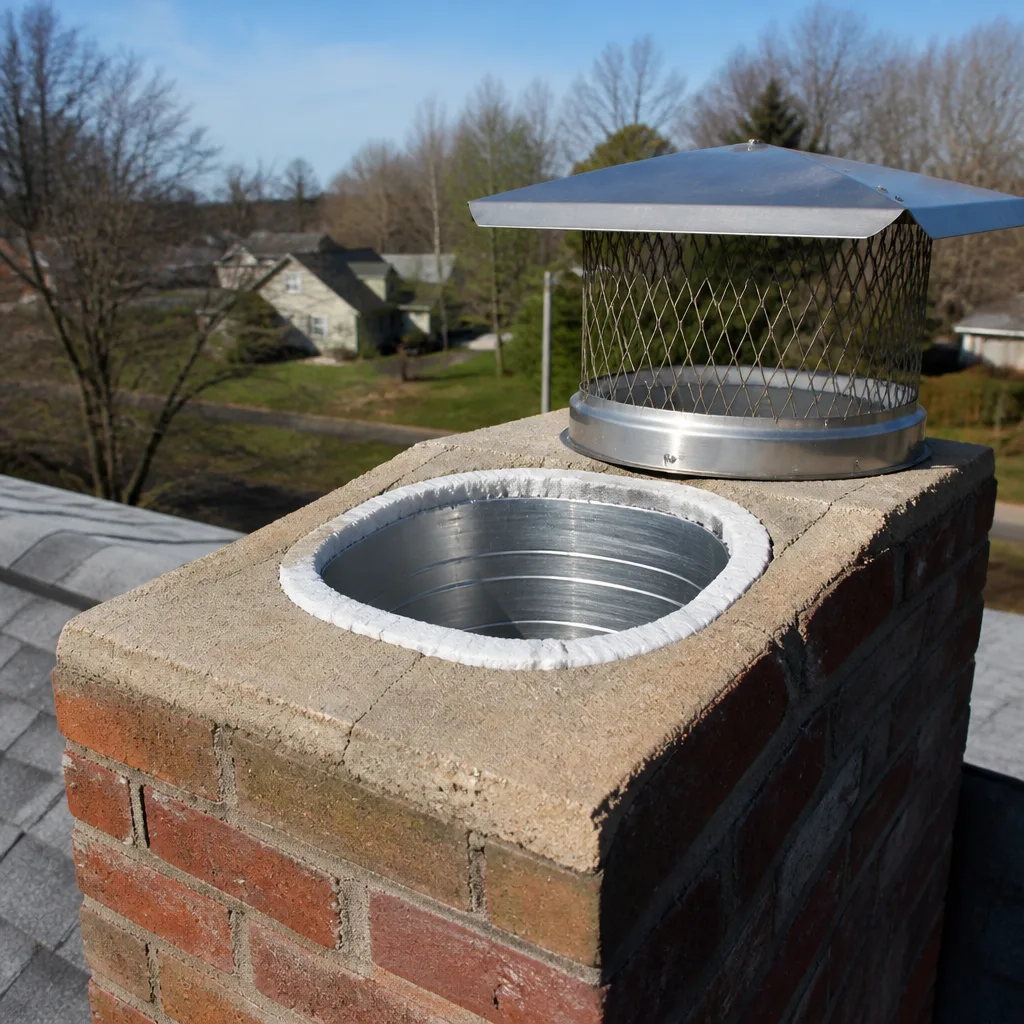 Flue relining
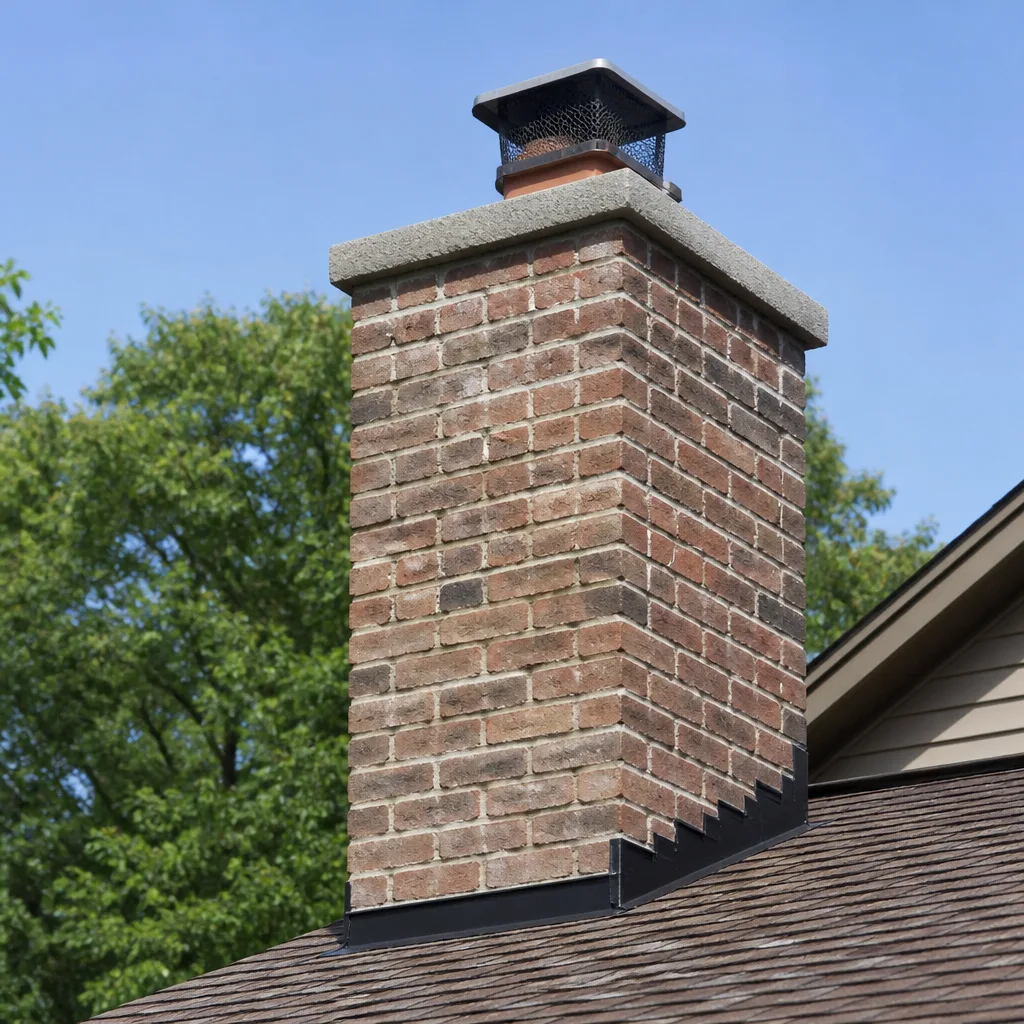 Masonry repair
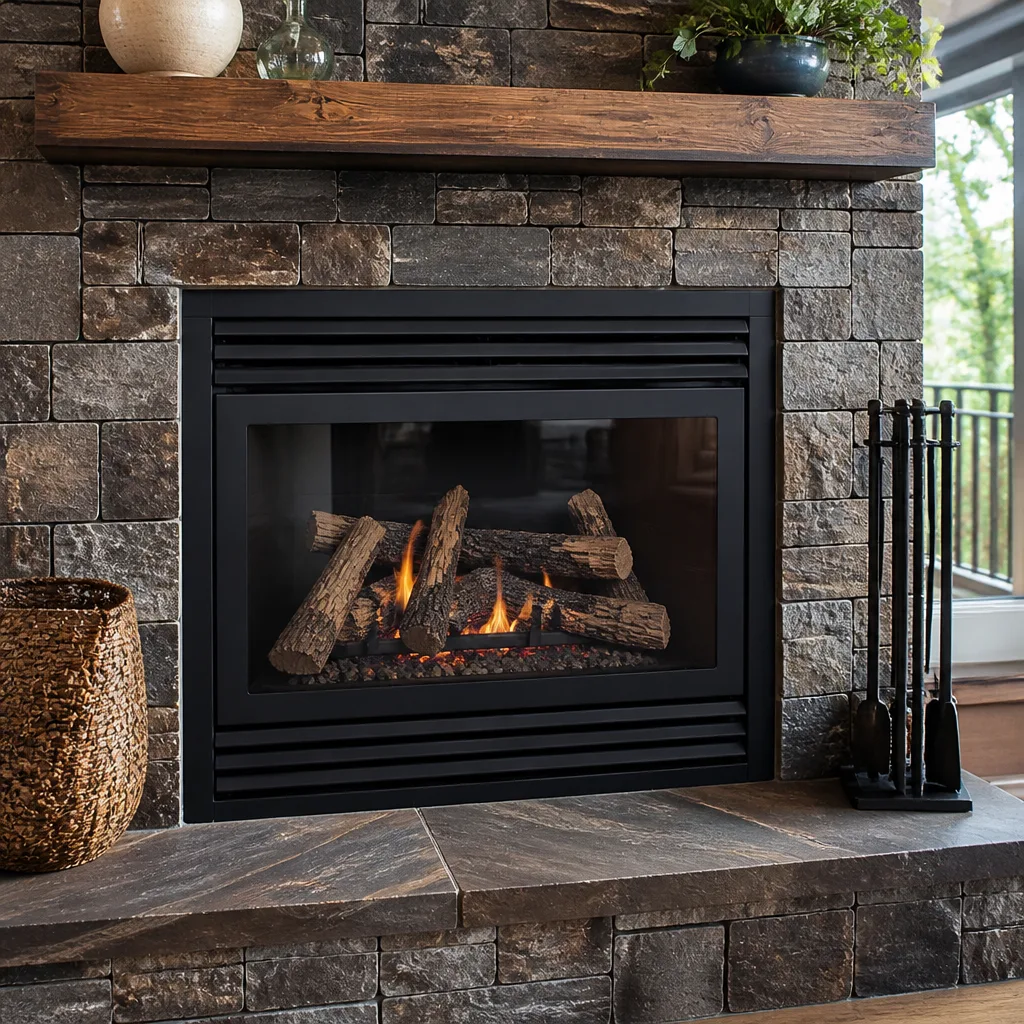 Gas fireplace service
Level 1 sweep and inspection to the NFPA 211 annual standard - flue, crown, cap, and flashing checked and photographed
Chimney sweep logs do not sweep chimneys. They loosen some creosote - which then falls where a brush and vacuum still have to collect it.
Seasonal Chimney Cleaning Care for Phoenix: Year-Round Homeowner’s Guide
The most damaging thing to a Phoenix chimney usually isn’t a fire. It’s the seven months it sits open and untended between April and October. In a valley that skips real winter, homeowners tend to think of chimney care as a cold-climate chore that doesn’t apply here. It does. Heat, dust, monsoon humidity, and summer lint all work on a chimney and a dryer vent in ways a snowy climate never does. This guide breaks the Phoenix year into four distinct care phases, none of which line up neatly with the calendar seasons, and lays out exactly what each phase asks of you.
Quick Answer
Seasonal chimney care in Phoenix follows four phases: a pre-fire sweep and intrusion check in September and October, mid-season cleaning in January or February if you burn heavily, a cap and crown inspection in March and April before summer heat cracks old mortar, and monsoon waterproofing in June and August. Dryer vent clearing belongs on the same schedule, and summer is the highest-risk season for lint fires in Phoenix homes.
Styles & brands we work with
- Sweep & inspection
- Caps & crowns
- Flue relining
- Masonry repair
- Gas fireplace service
Table of Contents
- Why Phoenix Chimney Care Doesn’t Follow the Calendar
- Pre-Fire Season (September-October): Clearing Off-Season Intrusion
- Active Fire Season (November-March): When to Schedule a Mid-Season Cleaning
- Post-Fire Season (March-April): Cap and Crown Inspection Before Summer Heat
- Monsoon Readiness (June-August): Waterproofing and Why Humidity Matters
- Year-Round Dryer Vent Clearing and the Summer Lint-Fire Problem
- Building Your Phoenix Chimney Calendar
- Common Mistakes to Avoid
- When to Call a Professional
- Frequently Asked Questions
Why Phoenix Chimney Care Doesn’t Follow the Calendar
Homeowners moving here from colder parts of the country bring a sensible habit with them: sweep the chimney once a year, usually in the fall, and forget about it. That habit assumes one long heating season defined by cold weather. Phoenix doesn’t work that way. Our burning season is short and intense, our off-season is long and dusty, and the real structural damage happens in the hot months when nobody is thinking about the flue at all.
So instead of one annual task, think in four phases. Each one has a specific job, and each one protects the chimney from the damage that phase brings.
- Pre-fire season (September-October): clean out what got in during the off-season and confirm the flue is clear before the first burn.
- Active fire season (November-March): watch for buildup and schedule a mid-season cleaning if you burn often.
- Post-fire season (March-April): inspect cap and crown while the weather is still mild, before summer heat goes to work.
- Monsoon readiness (June-August): waterproofing, and a real conversation about masonry and humidity.
That last point surprises a lot of people. In Phoenix we worry less about snow melt and more about what a sealed-up, sun-baked masonry structure does when a monsoon storm dumps rain on it in an afternoon. Cracks that opened in the heat take water fast. The care calendar is built around that reality.
One more thing worth naming up front: your dryer vent cleaning belongs on this same calendar. It’s a venting problem, just like the chimney, and it’s a fire risk for the same underlying reason. We’ll get to that in its own section.
Pre-Fire Season (September-October): Clearing Off-Season Intrusion
By late September, your chimney has been open and ignored for months. That’s the specific problem this phase solves. A flue that sits idle through a Phoenix summer collects things: dust, grit from the occasional dust storm, bird nests, the odd wasp nest, and sometimes leaves and debris blown in by monsoon wind. None of that belongs above your firebox when you light the first fire of the year.
A pre-fire inspection and sweep is the task. Here’s how a typical visit runs:
- Open and examine the firebox and damper. The damper should open and close smoothly, and the firebox should be free of loose debris and buildup.
- Check the flue for blockages from above and below. A nest or a crumbled section of liner can reduce or block the draft entirely.
- Sweep the flue if there’s creosote or soot to remove. Creosote is the flammable residue that builds up from burning, and it’s why chimneys are swept at all.
- Look at the cap and the visible exterior. A missing or damaged cap is how most of the intrusion gets in, so it’s worth catching now rather than mid-season.
If a block is found, it gets cleared before anyone strikes a match. This is also the time to ask yourself how the last burning season actually went. If smoke rolled into the room, that’s a draft problem worth diagnosing in October while there’s time to fix it, not in December when you want to build a fire.
A September sweep in Phoenix also books you ahead of the crowd. The week the weather finally turns cool, everyone wants an appointment at once. Getting on the schedule earlier means the chimney is ready when you are.
Active Fire Season (November-March): When to Schedule a Mid-Season Cleaning
Phoenix’s burning season is short, but that doesn’t mean light use. On a cool desert evening, a lot of us build a fire most nights. That frequency matters, because creosote accumulates faster with heavy burning, and how fast depends as much on what you burn as how often.
Two things drive buildup: how much you burn and what you burn. Seasoned hardwood leaves less residue than soft or unseasoned wood. Smoldering, slow, air-starved fires leave more creosote than hot fires with good airflow. If your chimney smoked heavily last year, or if you’ve been burning damp wood, buildup comes on quicker.
The practical question is when to schedule a mid-season cleaning. Consider it if any of these apply:
- You burn several nights a week through the winter.
- You notice soot or creosote building visibly in the firebox or on the damper.
- The draft seems weaker than it did at the start of the season.
- You had a lot of buildup at the last sweep.
A general rule most chimney professionals follow is to inspect once a year and sweep when there’s roughly an eighth of an inch of buildup in the flue. For a heavy burner, that can happen mid-season. For a light user, it may take more than a year. We’ll tell you straight which category you’re in based on what we find. There’s no upsell in a mid-season cleaning if your flue doesn’t need one.
One safety note for this phase: don’t try to clean creosote out yourself. Creosote is flammable, and the tools and method matter. A trained technician knows how to clear it without damaging the liner. This is genuinely a job for a professional, every time.
Post-Fire Season (March-April): Cap and Crown Inspection Before Summer Heat
The fire season is over by April, so most people close the damper and stop thinking about the chimney until fall. In Phoenix, that’s exactly backwards. The hot months are when exterior damage accelerates, and the window to catch it is the mild stretch in March and April before the heat sets in.
The two things to look at are the cap and the crown.
- The cap sits on top of the flue and keeps rain, animals, and debris out. A damaged or missing cap is the single most common source of everything the pre-fire season has to clean up.
- The crown is the sloped concrete surface at the very top of the chimney that sheds water away from the masonry. In Phoenix heat, a crown that’s already cracked can open up further through the summer, and each crack lets water into mortar and brick.
This is where our choice of materials matters. When a crown or other exterior component needs repair, we use recognized industry brands like Copperfield and Gelco rather than whatever a hardware store stocks. These are the materials specification contractors specify for exterior chimney work. They hold up the way a chimney exterior needs to hold up through a Phoenix summer.
Catch a cap or crown problem in April and it’s a minor repair. Let it ride through a hundred-degree summer and a monsoon, and it can become masonry work. That’s why chimney sweep appointments in April should include a look at the top of the system, not just the inside.
Monsoon Readiness (June-August): Waterproofing and Why Humidity Matters
Here’s where Phoenix chimney care diverges hardest from the national playbook. In a cold climate, the enemy is freezing. Here, the enemy is the opposite: a masonry structure baked dry and sun-cracked all summer, then hit with a sudden monsoon downpour. Water finds every small opening in that first storm. The damage doesn’t come from rain alone; it comes from water soaking into mortar and brick that can’t shed it fast enough.
June and early July are the time to prepare. Waterproofing treatment, applied before the monsoon pattern settles in, helps the masonry shed water instead of absorbing it. It’s not a coat of paint. It’s a breathable treatment that keeps liquid water out while letting moisture vapor escape, so the masonry doesn’t trap water against itself.
The other piece is the flash-flood humidity itself. A monsoon can dump serious rain in a short window, and masonry around a capped flue can take on water faster than it drains away. That’s why a crown that sheds water properly, a cap that fits tightly, and a waterproofing treatment all work together. Any one of them missing undercuts the others.
What to expect from a monsoon-readiness check:
- Inspect the crown and cap for cracks, gaps, and fit.
- Check the mortar joints on the visible exterior for soft or missing mortar.
- Confirm waterproofing is intact or recommend treatment if the masonry is exposed.
- Note any water staining inside near the firebox or in the attic, which can point to a leak that got in over the last season.
Do this in June and you’re ahead of the storm. Put it off, and you’ll be dealing with whatever the first real monsoon leaves behind.
Year-Round Dryer Vent Clearing and the Summer Lint-Fire Problem
Dryer vent cleaning is one of our three core services, not an add-on, and Phoenix summer is the reason. Lint and heat are the two ingredients in a dryer-vent fire. Here, summer delivers heat on both ends: high outdoor temperatures and a dryer running in a hot house, pushing warm, moist air through a duct packed with lint.
The lint is the fuel. It builds up in the duct over time, and once airflow is restricted, the dryer runs hotter. That combination is where fires start. It’s not a rare fluke; it’s a predictable result of a vent that’s been ignored.
Schedule your dryer vent clearing on the yearly calendar, and add an extra check before summer if you dry laundry heavily:
- Clean the duct at least once a year, and more often for a household that does a lot of laundry.
- Clear the lint filter before every load. That’s the easy one, and it makes a difference.
- Watch for warning signs: clothes taking longer to dry, a dryer that’s hot to the touch, a burning smell, or lint visible around the vent outside.
- Check the outside vent flap. It should open freely when the dryer runs, and if it doesn’t, the duct is restricted.
The dryer vent is a venting system, just like the flue. Same underlying safety logic, same reason to have a professional look at it. One call covers both your chimney and your dryer vent, and we treat both as what they are: fire risks that get solved by clearing them properly.
Building Your Phoenix Chimney Calendar
Put the four phases on a single calendar and the year becomes manageable. Here’s the whole thing laid out as a sequence, whether you’re in a central Phoenix neighborhood or out toward the edges of the valley.
- June: monsoon readiness check and waterproofing before storm season.
- September: pre-fire sweep and intrusion inspection, ahead of the first burn.
- January or February: mid-season cleaning if you burn heavily.
- March or April: post-fire cap and crown inspection while weather is mild.
- All year, with a summer check: dryer vent clearing, more often if you do a lot of laundry.
The reason this calendar holds up in Phoenix is that each phase addresses damage the local climate actually causes. Our summers bake the exterior. Our monsoon soaks it. Our burning season is short but heavy. Our off-season is long and dusty. The flue, the exterior, and the dryer vent all need attention at points the traditional national schedule ignores.
We’ve been serving Phoenix for 14 years, since 2012, and one thing has stayed consistent: the homeowners who avoid expensive repairs are the ones who follow this kind of schedule, not the ones who call only when something has already gone wrong. Straightforward assessment, professional materials, work that holds. That’s the goal every phase serves.
If it’s your first year with a fireplace, or you’ve never had the chimney looked at, one inspection will tell you where you stand. You don’t need to reason it out yourself from a guide. The point of the four phases is to know when to ask, not to diagnose the flue on your own.
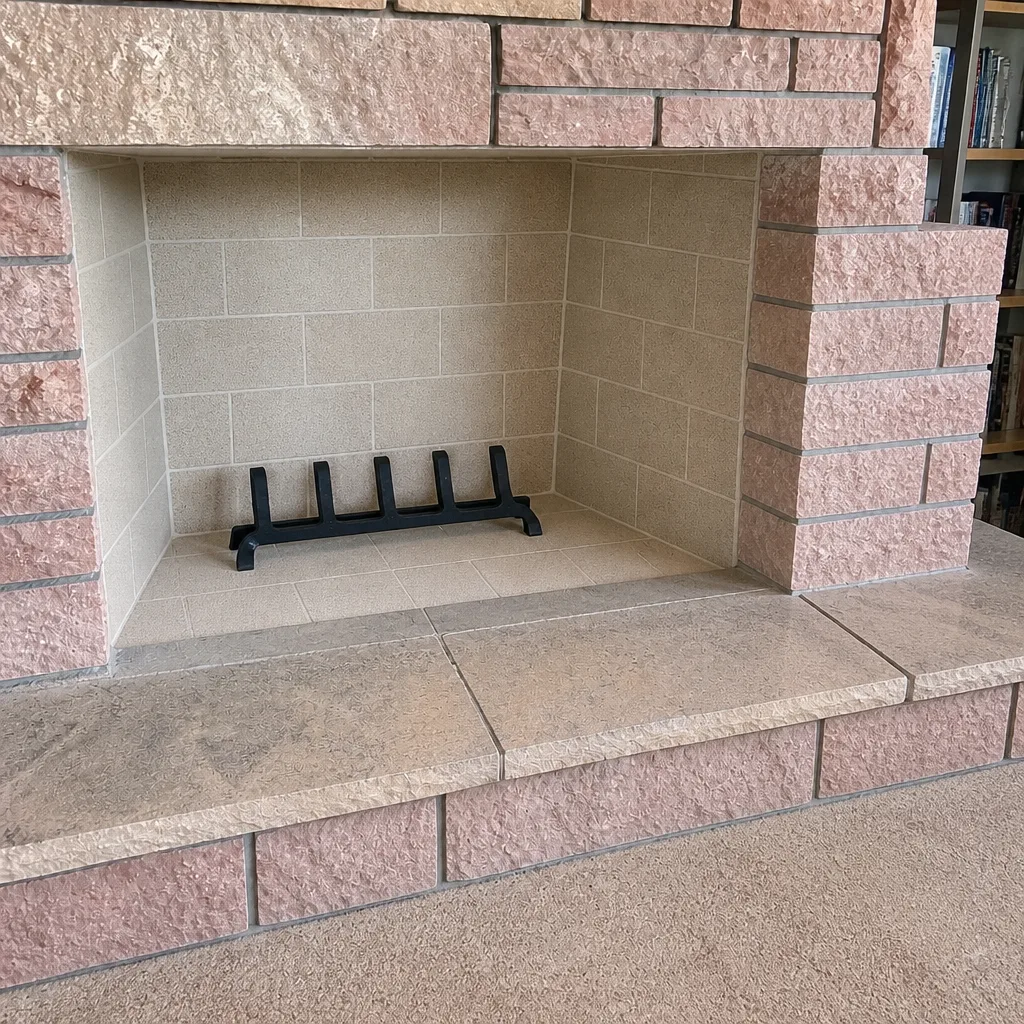
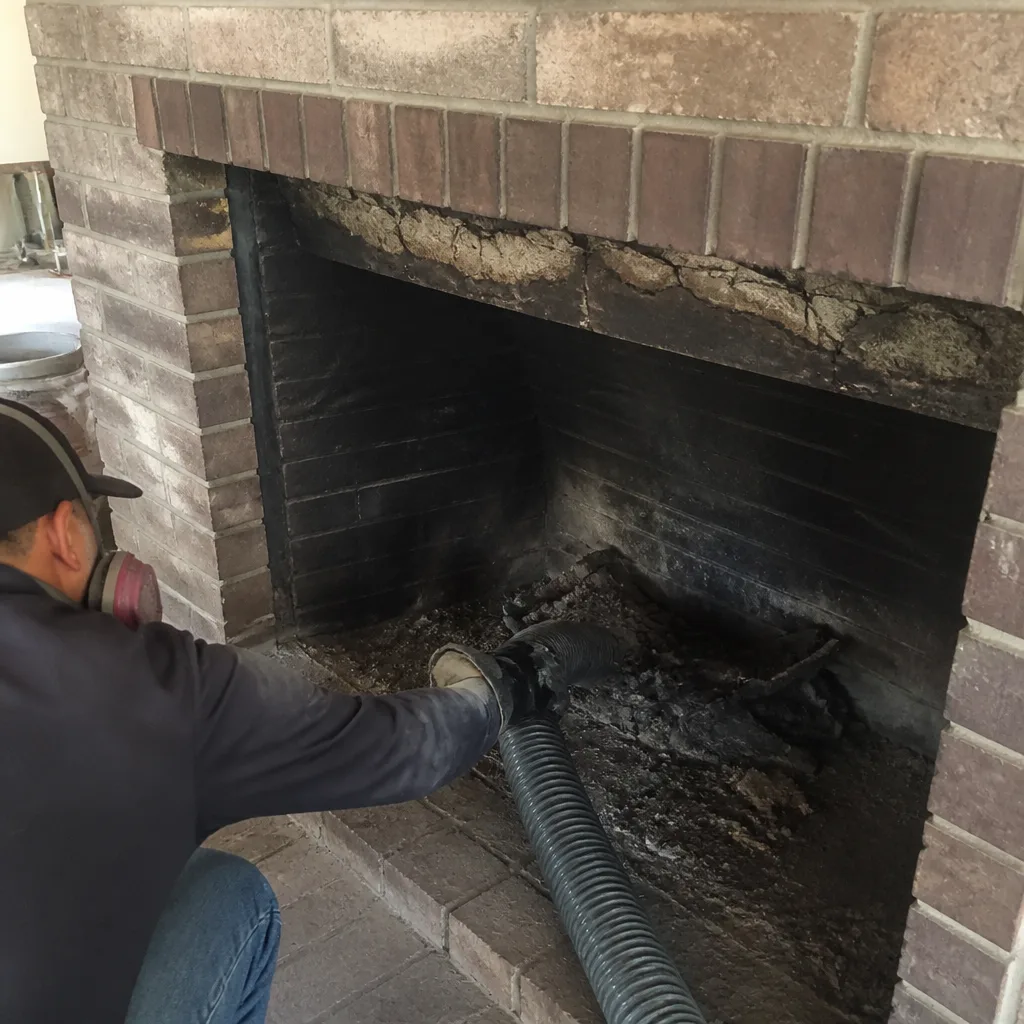
See the difference
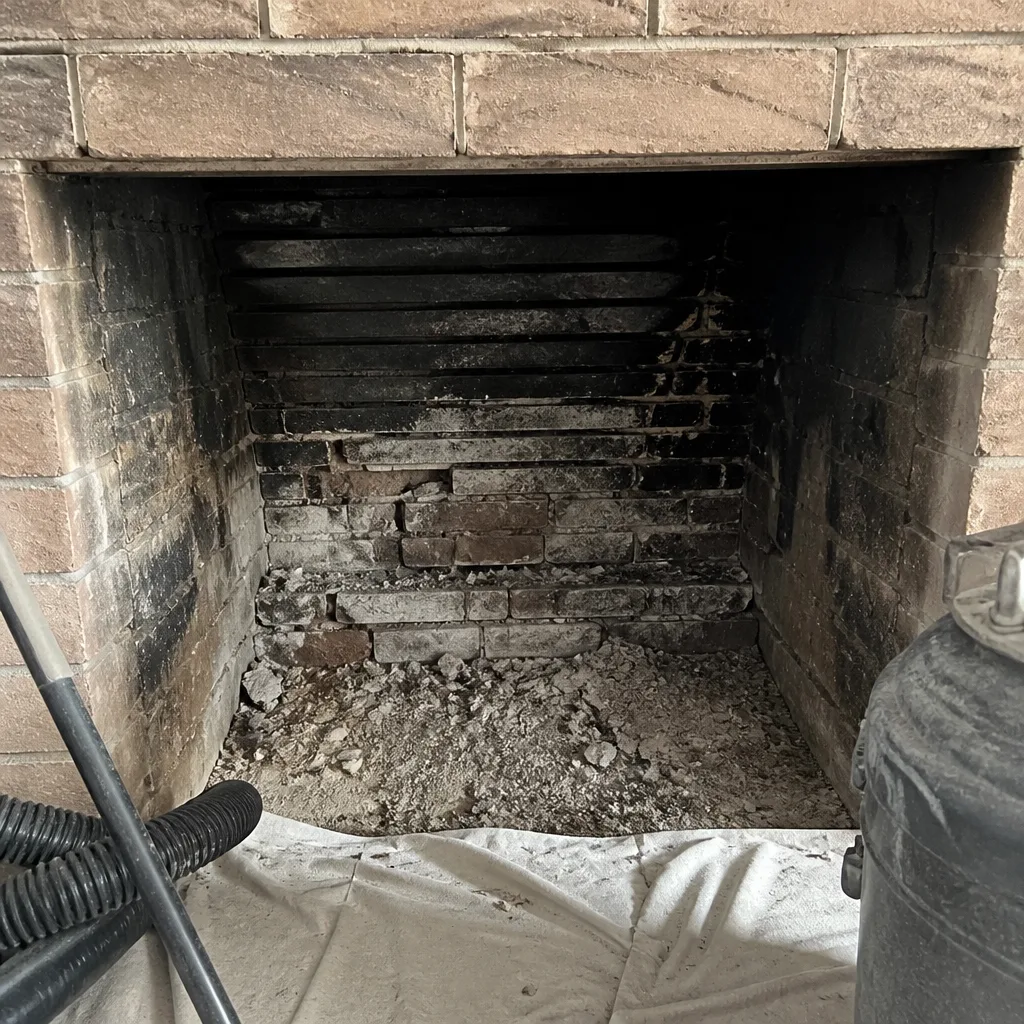 Before
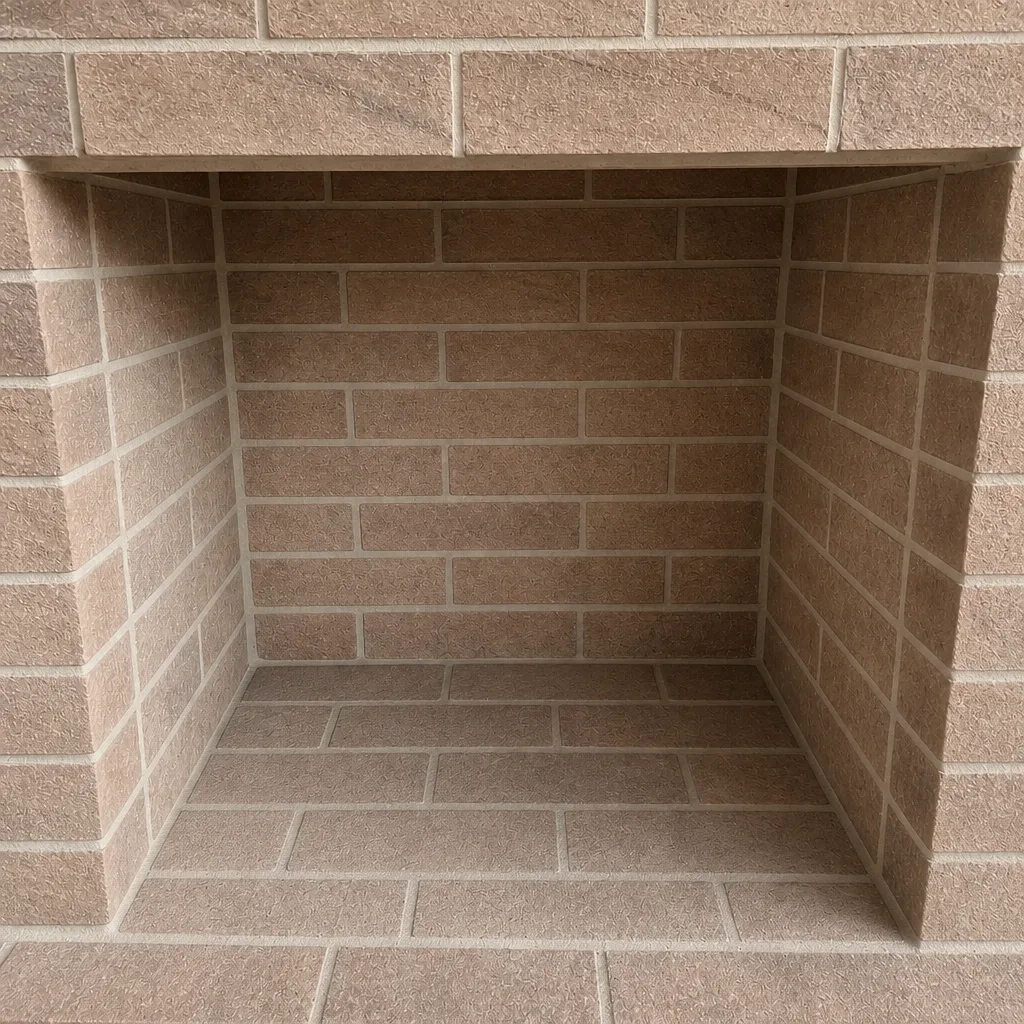 After
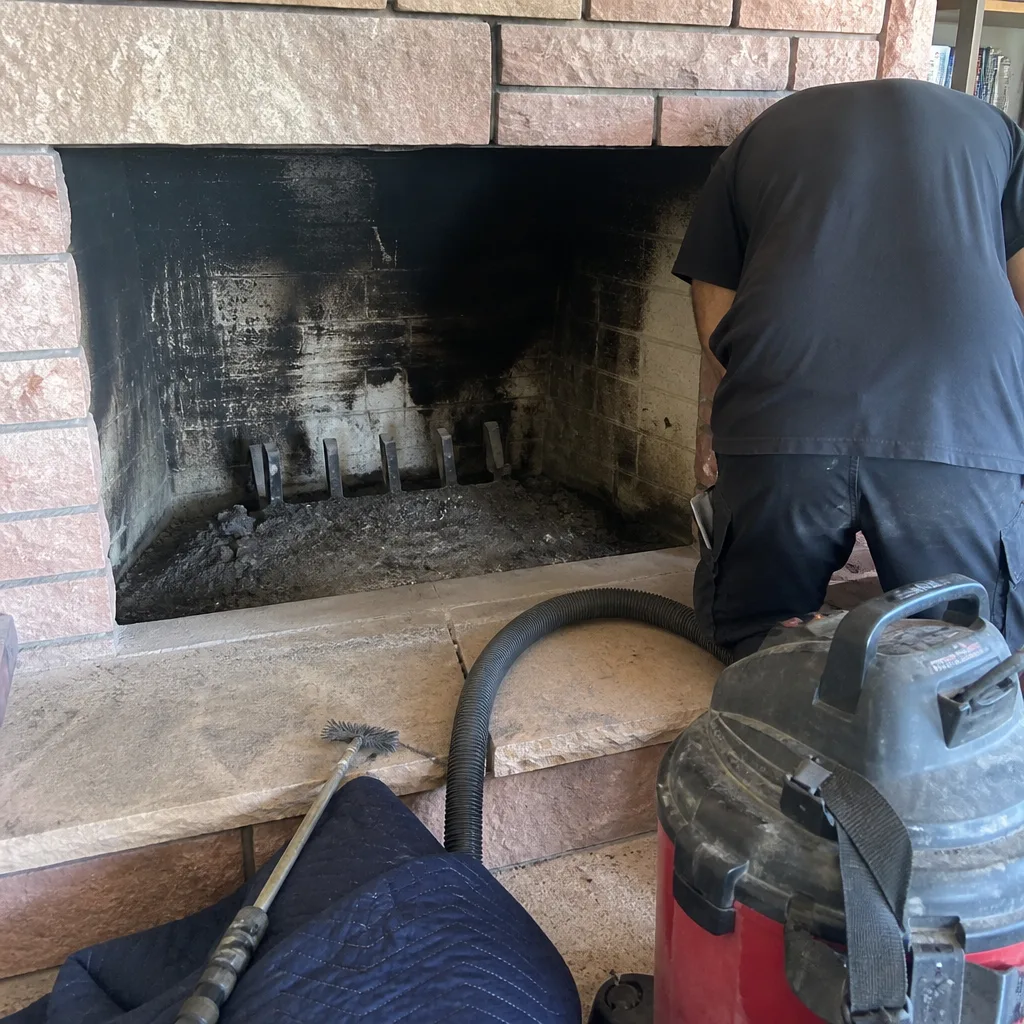 Before
 After
 Before
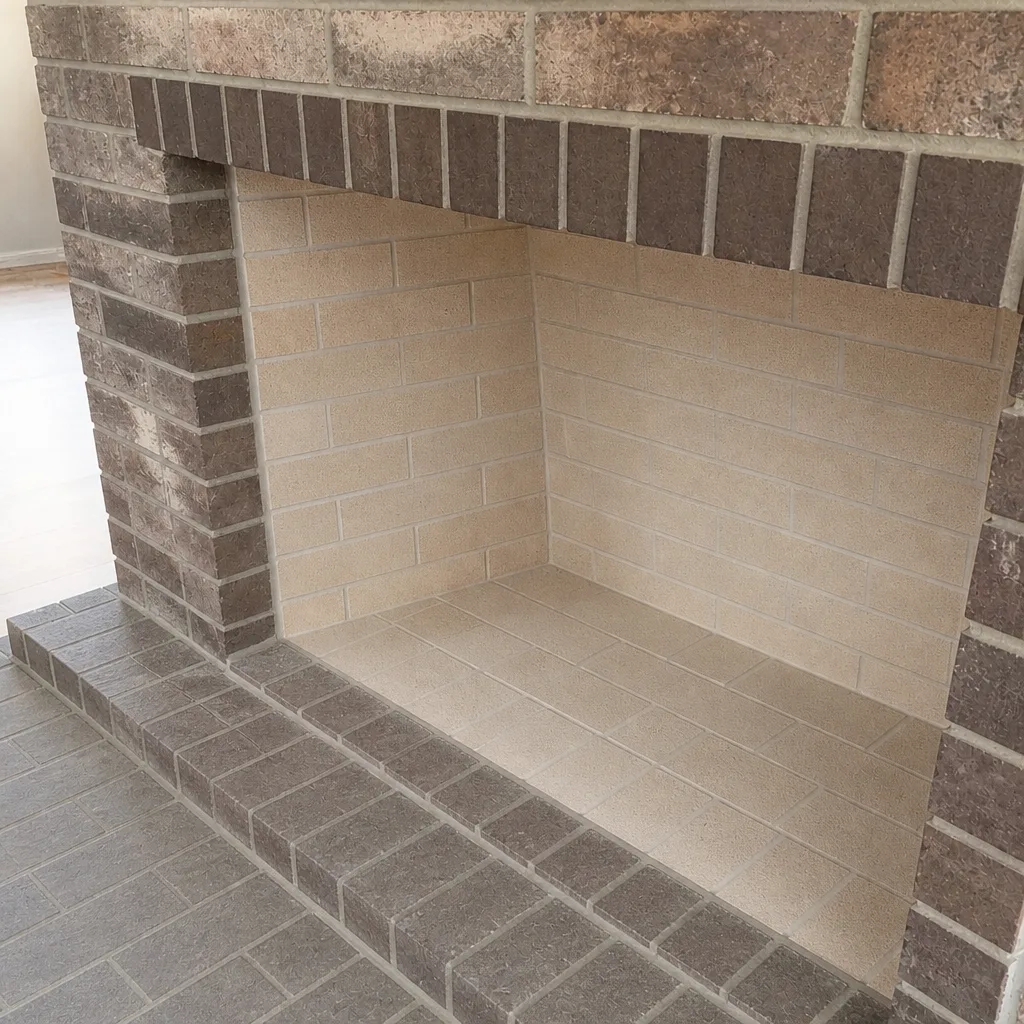 After
Common Mistakes to Avoid
- Treating chimney care as a fall-only chore. Phoenix’s calendar is split across four phases, not one. Following a cold-climate schedule leaves the exterior unexamined through the hottest, most damaging months.
- Skipping the pre-fire inspection because the chimney “worked fine last year.” Off-season intrusion happens quietly. A nest or a downed liner section can sit in the flue for months and only reveal itself on the first fire of the season, when the smoke doesn’t go up.
- Ignoring the cap. It’s the smallest piece on the roof and the biggest reason for everything the pre-fire sweep has to clean up. A damaged or missing cap invites debris and rain into the flue all year.
- Leaving a cracked crown through the summer. A crack caught in April is a repair. Left through a Phoenix summer and a monsoon, it can become a masonry job. Inspect the crown before the heat arrives, not after.
- Thinking monsoon rain can’t reach your masonry. It can, and the water comes in every crack the summer heat opened. Waterproofing before storm season is the shield, and skipping it leaves the masonry exposed.
- Cleaning the dryer lint filter and calling the vent done. The filter catches some lint, not all of it. The duct still fills over time, and lint in the duct is the fire risk, especially in a hot Phoenix summer.
- Putting off a professional look because a neighbor says theirs is fine. Every chimney and duct is different. What’s true on one roof doesn’t tell you anything about yours. A proper look is what settles it.
When to Call a Professional
Some calls are routine and some are urgent. The routine calls follow the calendar: a pre-fire sweep in September, a mid-season cleaning if you burn heavily, a cap and crown check in March or April, and a monsoon-readiness look in June. Any of those is the natural point to call.
The urgent calls are different. Call us if smoke rolls back into the room when you light a fire, if you smell a strong, sharp odor from the flue, if you see visible soot or creosote buildup, if the damper won’t open or close, or if your dryer is running hot or taking far longer to dry clothes than it should. Those are signs something needs a look now, not next season.
Phoenix Chimney Cleaning offers free estimates in Phoenix and works across the whole system: chimney sweeping, dryer vent cleaning, and chimney repair. One call covers both your chimney and your dryer vent, since both are venting problems and both are fire risks. Call (855) 360-8261. We answer 24/7. Fast dispatch from 7am to 7pm, Sunday through Friday.
If you want the broader picture of how we work in Phoenix, start there, or head back to Phoenix Chimney Cleaning to see the full scope of what we handle.
Frequently Asked Questions
The main appointment is a pre-fire sweep in September or October, before the first burn of the season. If you burn heavily, add a mid-season cleaning in January or February. A cap and crown inspection belongs in March or April, and a monsoon-readiness check in June. Call (855) 360-8261 for a free estimate and we’ll help you choose the right slot.
Generally once a year, and more often if you burn heavily or had a lot of creosote at the last sweep. How fast buildup happens depends on how much you burn and what you burn. We’ll tell you after a look whether you’re due for a sweep or can wait. Call (855) 360-8261 for a free estimate.
Often the existing liner can be resurfaced rather than replaced. HeatShield resurfacing can restore a damaged liner without the cost of a full replacement when the liner damage qualifies, and a DuraFlex flexible liner system is the option when repair won’t be enough. We’ll tell you honestly which one you need. Call (855) 360-8261 to find out.
We price each job individually with a free written estimate, so the number depends on your chimney’s condition and what the inspection turns up. That’s why we don’t quote a flat number over the phone. The written estimate sets the final price. Call (855) 360-8261 for an exact quote; estimates are free.
Lint and heat are the two ingredients, and summer delivers the heat on both ends: hot outdoor temperatures and a dryer running in a hot house, pushing warm air through a lint-clogged duct. That’s why dryer vent clearing belongs on your yearly calendar, with an extra check before summer if you do a lot of laundry. Call (855) 360-8261 for a free estimate.
The flue accumulates creosote and debris, which raises the risk of a chimney fire, and the exterior takes on water through cracks in the crown and cap over our hot, then wet, months. Catching these things early is a small repair; catching them late can be a masonry job. Call (855) 360-8261 for a free estimate and we’ll tell you where yours stands.
The Bottom Line
Phoenix chimney care doesn’t follow the seasons the way it does in colder states. It follows four phases: a pre-fire sweep in September and October, a mid-season cleaning in January or February if you burn heavily, a cap and crown inspection in March or April before summer heat opens cracks in the masonry, and a monsoon-readiness check in June with waterproofing before the storms. Dryer vent clearing runs on its own yearly schedule, with the summer lint-fire risk in mind. Each phase protects a different part of the system from a different kind of local damage. Keep the calendar, get a look when a phase comes around, and we’ll tell you plainly what needs doing and what can wait.
Written by the team at Phoenix Chimney Cleaning, serving Phoenix since 2012.