

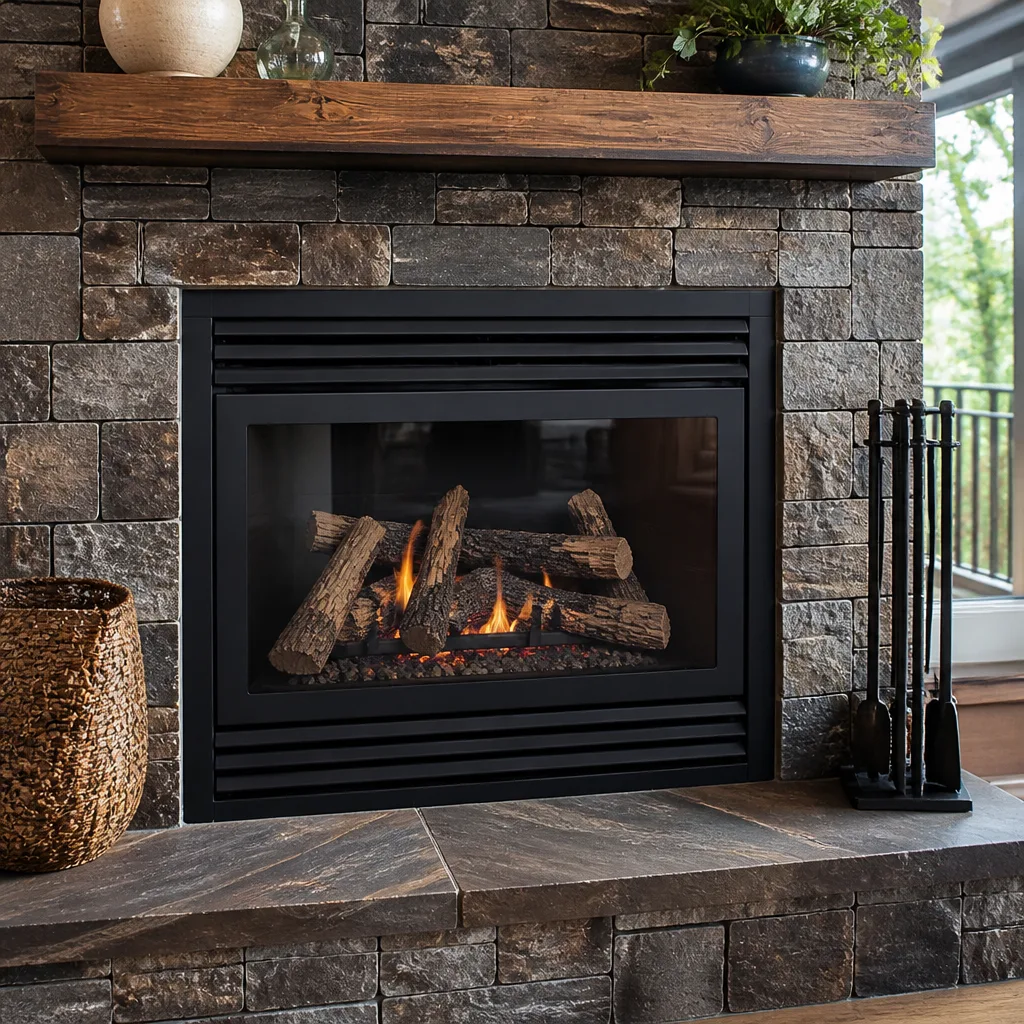
 Gas fireplace service
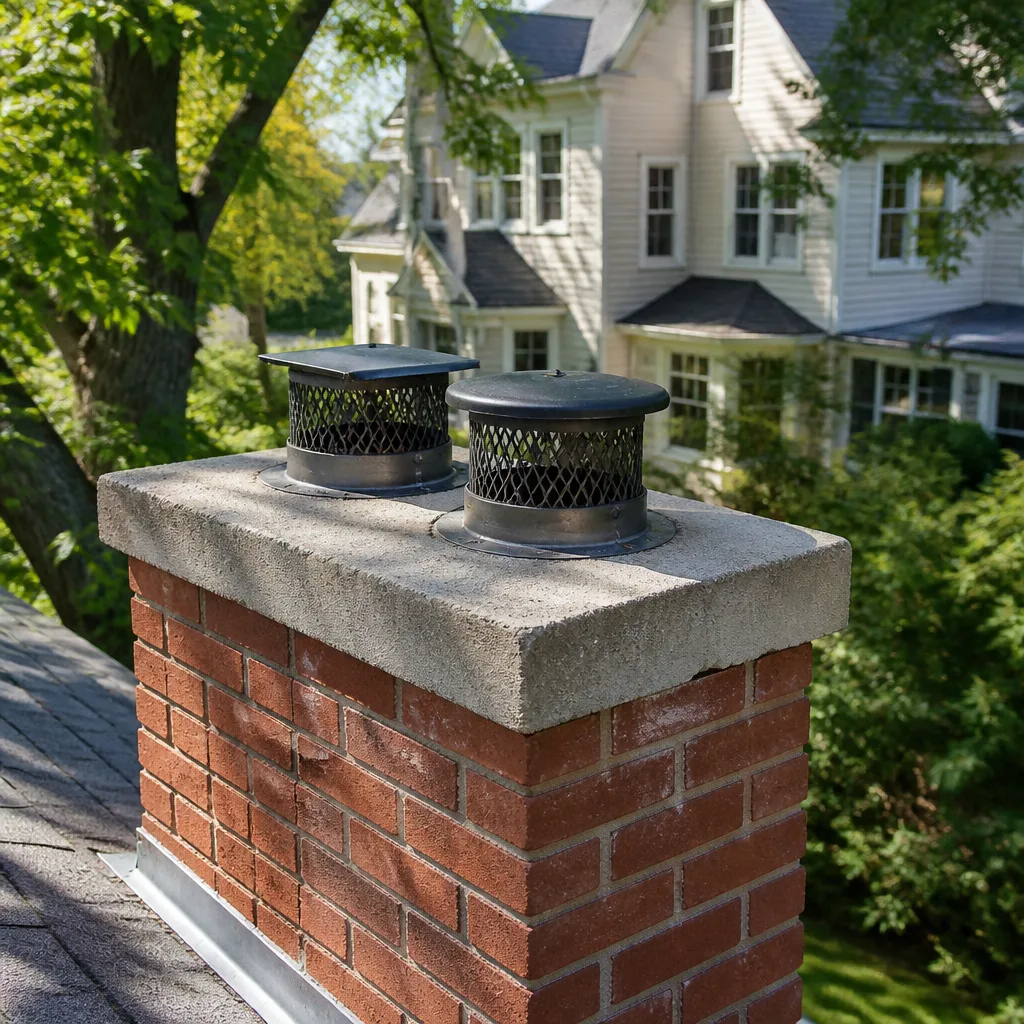 Sweep & inspection
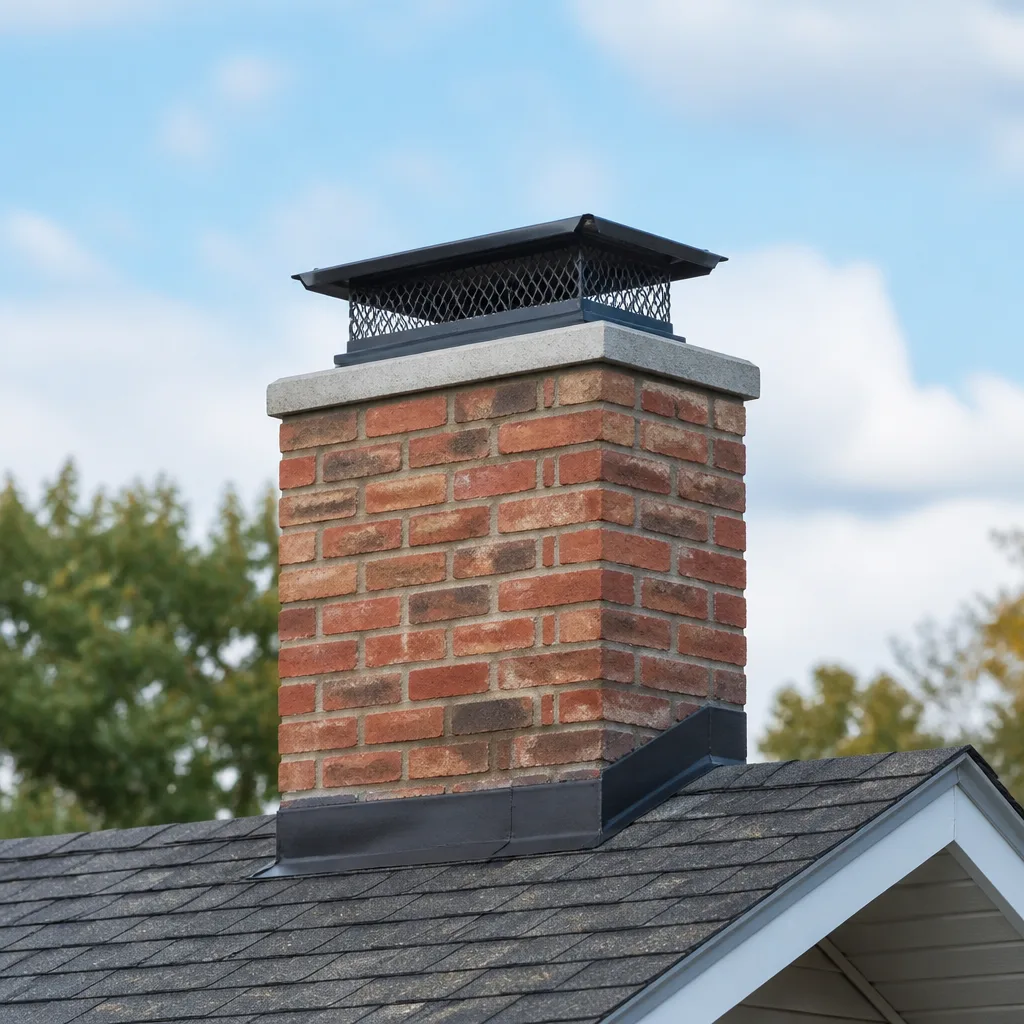 Caps & crowns
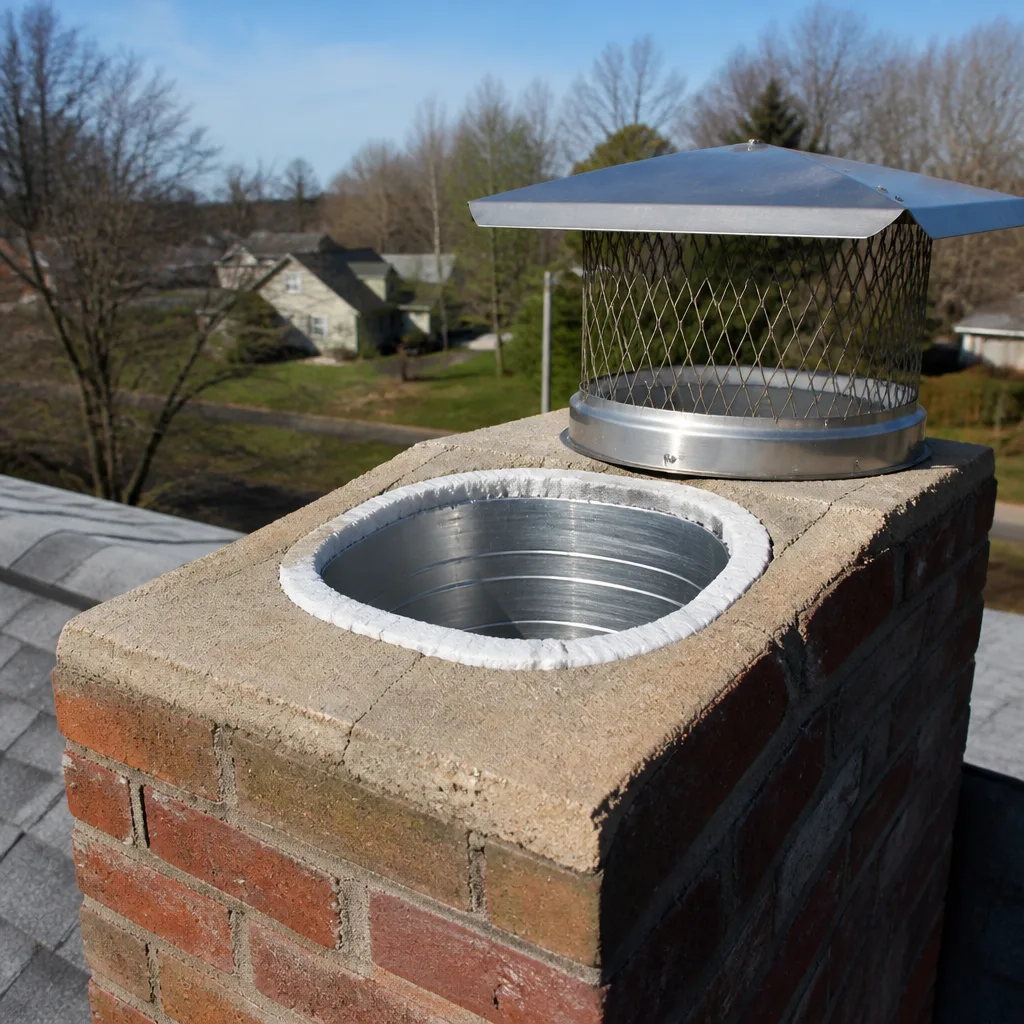 Flue relining
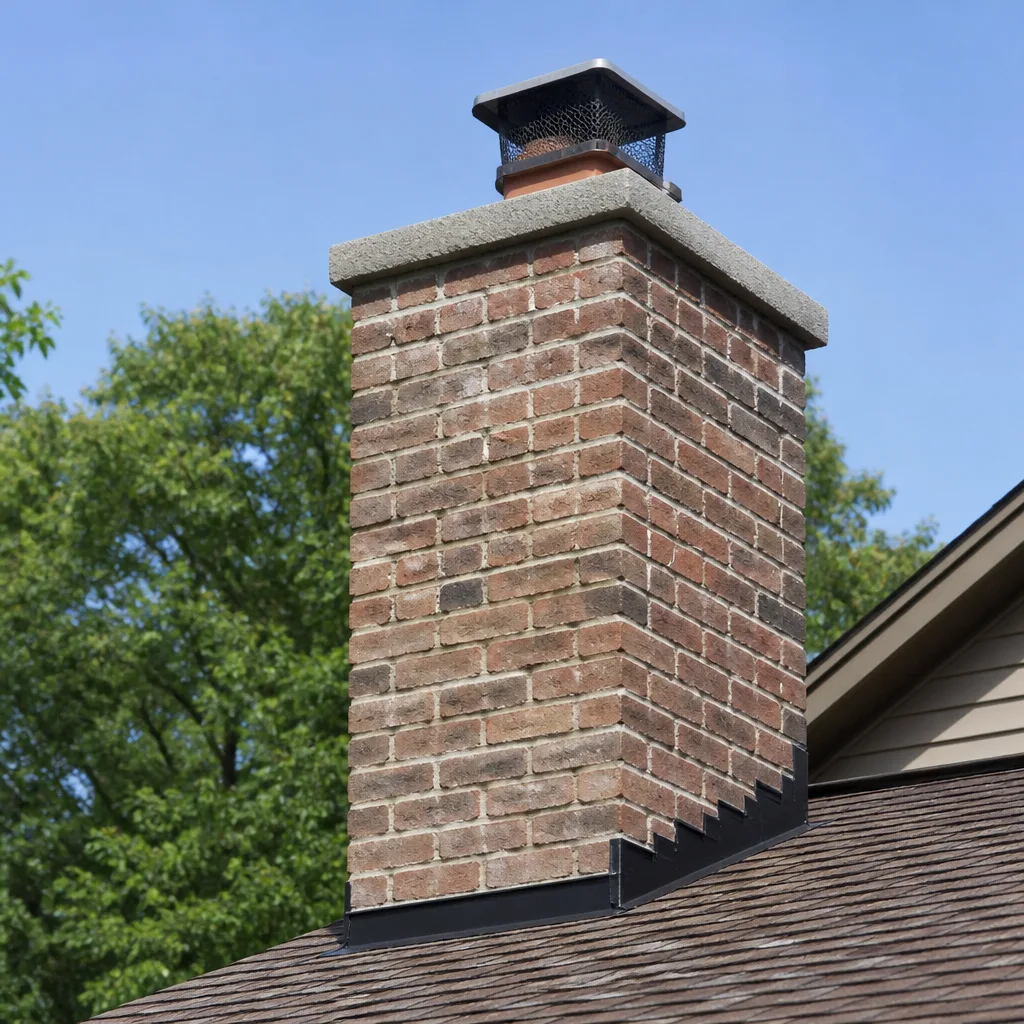 Masonry repair
Level 1 sweep and inspection to the NFPA 211 annual standard - flue, crown, cap, and flashing checked and photographed
Chimney sweep logs do not sweep chimneys. They loosen some creosote - which then falls where a brush and vacuum still have to collect it.
Why Phoenix Homeowners Choose HeatShield Chimney Cleaning
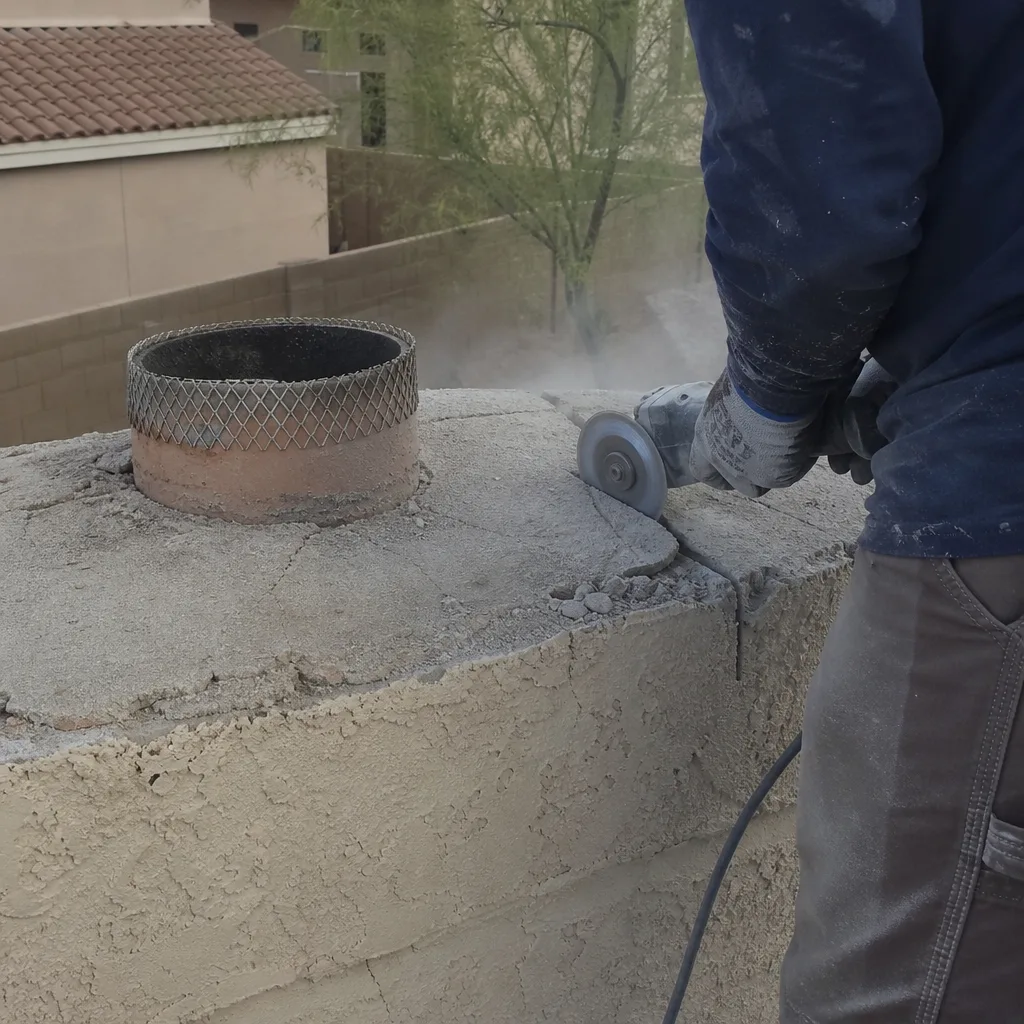
We provide independent HeatShield chimney cleaning and service in Phoenix, including Level 2 camera inspections, creosote removal, firebox repair, and HeatShield flue resurfacing. What makes our HeatShield work different is that we’re not tied to any manufacturer: we assess whether your ceramic or refractory lining can be recoated or needs a rebuild, and we tell you which one, plainly. Phoenix Chimney Cleaning serves the whole metro, from central-corridor masonry chimneys to the short metal flues on 1990s-2000s stucco tract homes.
One thing up front: we are an independent HeatShield service provider. We are not affiliated with, authorized by, or a dealer for HeatShield. That independence is deliberate. It’s what lets us give you a straight answer about your liner instead of steering you toward a sale.
Call (855) 360-8261. We answer 24/7. Fast dispatch from 7am to 7pm, Sunday through Friday.
Key Takeaways
- We service HeatShield ceramic, refractory, and flexible stainless liner systems as an independent shop.
- Phoenix work is inspection-first: most valley fireplaces burn a dozen nights a year, so the real call is a creosote and liner condition check, not a routine annual sweep.
- We use quality ceramic/refractory and stainless components that fit HeatShield equipment, from brands like DuraFlex and Gelco when a different fit is correct.
- Bob Conway has worked chimneys in the Valley for more than two decades and started Phoenix Chimney Cleaning in 2012.
Why Trust Phoenix Chimney Cleaning for Your HeatShield Chimney Cleaning?
Our technicians work on HeatShield linings often enough to know how they fail in this climate, which is different from how they fail in wet or cold parts of the country. We understand that a HeatShield ceramic or refractory surface in a Phoenix fireplace goes through hard heat-up and cool-down swings every time it’s used, and that monsoon moisture in July through September finds its way behind a lining layer that has already begun to crack. We inspect for those two things first.
We use quality parts that fit HeatShield equipment and follow practices that protect your existing warranty rather than void it. When a lining can be recoated with material compatible with what’s already there, we say so. When it can’t, we explain why.
Bob Conway grew up in the Ahwatukee Foothills area and learned the trade through the HVAC and building systems programs at Mesa Community College before doing fireplace and flue work for other contractors. He spent more than two decades in the trade, then started Phoenix Chimney Cleaning in 2012. His rule for a HeatShield lining is the same as for any other flue: “If I wouldn’t light a fire in it myself, I’ll tell you that first.”
Phoenix Chimney Cleaning has served Phoenix for 14 years. That’s long enough to have watched a good number of HeatShield linings age in real valley homes, and to know what the manufacturer’s generic literature leaves out.
Styles & brands we work with
- Sweep & inspection
- Caps & crowns
- Flue relining
- Masonry repair
- Gas fireplace service
Common HeatShield Chimney Cleaning Problems We Fix in Phoenix
Here’s what we actually find when we open up a HeatShield-lined flue in Phoenix. These are the failure modes a plain product listing never mentions, and they’re the reason a thorough inspection matters more than a quick sweep.
- Micro-cracking and spalling of the ceramic or refractory surface. Phoenix fireplaces cycle from cold to full heat and back quickly, and that repeated expansion and contraction opens fine cracks in the lining face. Left alone, the surface flakes and spalls. It looks cosmetic until the cracks reach the substrate.
- Delamination at joints from monsoon moisture. When water works behind the refractory layer during the July-September storms, the lining can separate at joints and lift away from the flue wall. A camera inspection finds this before you do, because it usually shows up as smoke rolling back into the room rather than anything visible from the hearth.
- Corrosion or pitting in flexible stainless liners. A HeatShield ArmorFlex flexible stainless liner in an under-insulated flue is vulnerable to corrosion when creosote and condensate sit against the metal. The symptom is often a sour smell in the off-season and a rough, pitted surface you can only see from the inside with a camera.
- Settlement of poured-in-place lining. Poured-in-place refractory material can settle or shift over time, opening gaps at the flue collar and the damper area. Those gaps let smoke and heat escape where the lining should be sealing, and they’re a firebox-repair issue as much as a flue one.
- Glazed creosote over a lining that’s otherwise sound. A well-installed lining doesn’t prevent creosote from building up, especially in a fireplace someone burns often. Glazed, tar-like creosote bonds to the surface and needs real removal work, not a brush pass, before any lining repair can hold.
A homeowner in central Phoenix called us about smoke rolling back into the room from a wood-burning fireplace that had a HeatShield flexible stainless liner installed years earlier. Our tech ran a Level 2 camera inspection and found the liner joints had separated near the damper and heavy glazed creosote had built up in the flue. We removed the creosote, re-secured and resealed the liner joints, and the fireplace drafted cleanly with no smoke intrusion.
HeatShield Parts & Our Repair-vs-Replace Approach
We use HeatShield-compatible OEM ceramic and refractory lining material and stainless components wherever they are the correct fit, and we only turn to quality aftermarket alternatives when OEM isn’t available. We never substitute a lesser material that won’t survive the desert heat cycle to save a few dollars. That’s a promise about how we work, not about what we keep on a shelf; we don’t claim to stock genuine HeatShield parts.
Call (855) 360-8261 for a free estimate and a clear answer on repair versus replace.
Our HeatShield Service Process – Step by Step
- 1
Diagnosis. We start with a Level 2 camera inspection of the full flue, checking the lining surface, joints, and the flue collar and damper area for the cracking, delamination, corrosion, and settlement patterns above. You see the camera feed.
- 2
Repair or install. If the lining is sound and the problem is creosote, we remove it. If cracks or separated joints can be recoated or resealed, we do that with compatible material. If the lining has failed structurally, we explain why a rebuild with a HeatShield poured-in-place or flexible liner system is the right call.
- 3
Test. We check draft and confirm the fireplace performs without smoke intrusion before we consider the job done.
- 4
Warranty. We follow practices that keep your existing HeatShield warranty intact and go over what the work means for it going forward. Nothing we recommend happens without camera evidence you can see for yourself.
One service call can cover both your chimney and your dryer vent. Both are venting problems, both are fire risks, and Phoenix Chimney Cleaning handles both.
See the difference
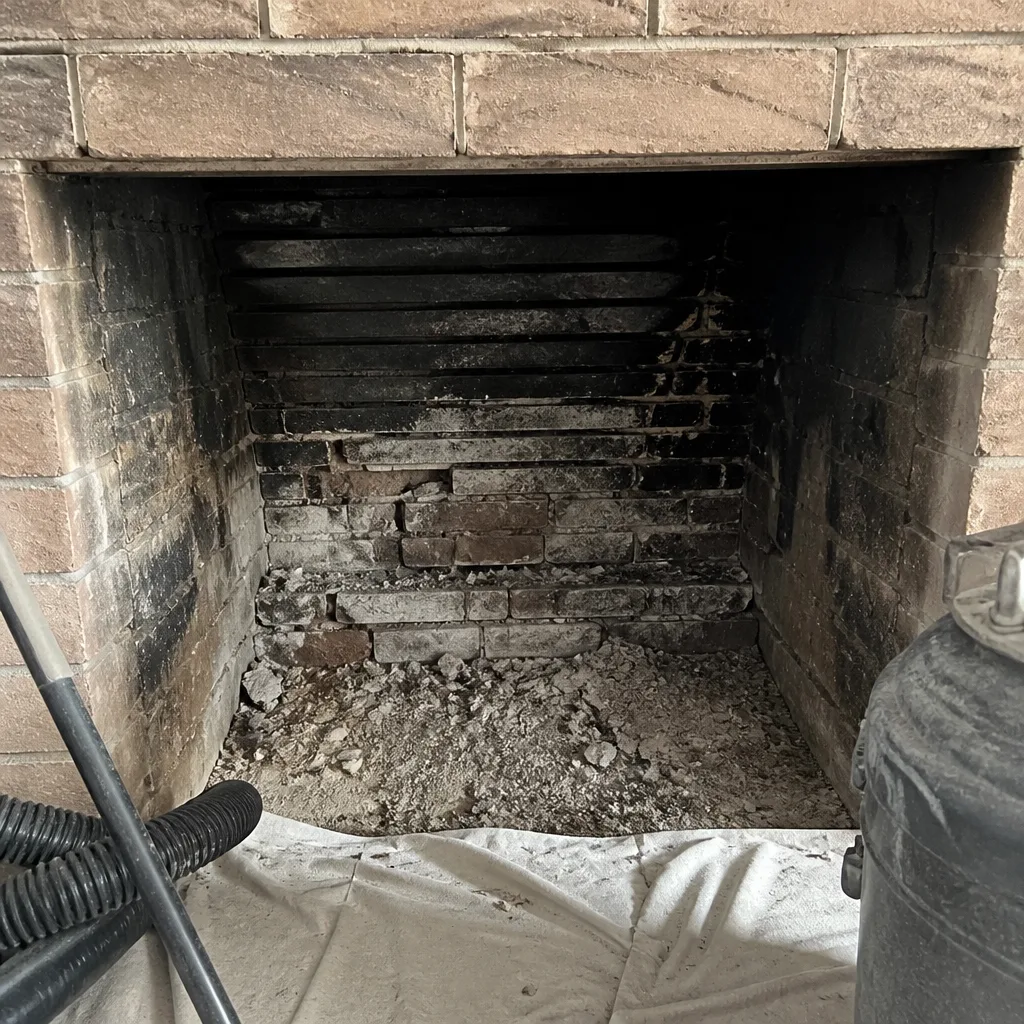 Before
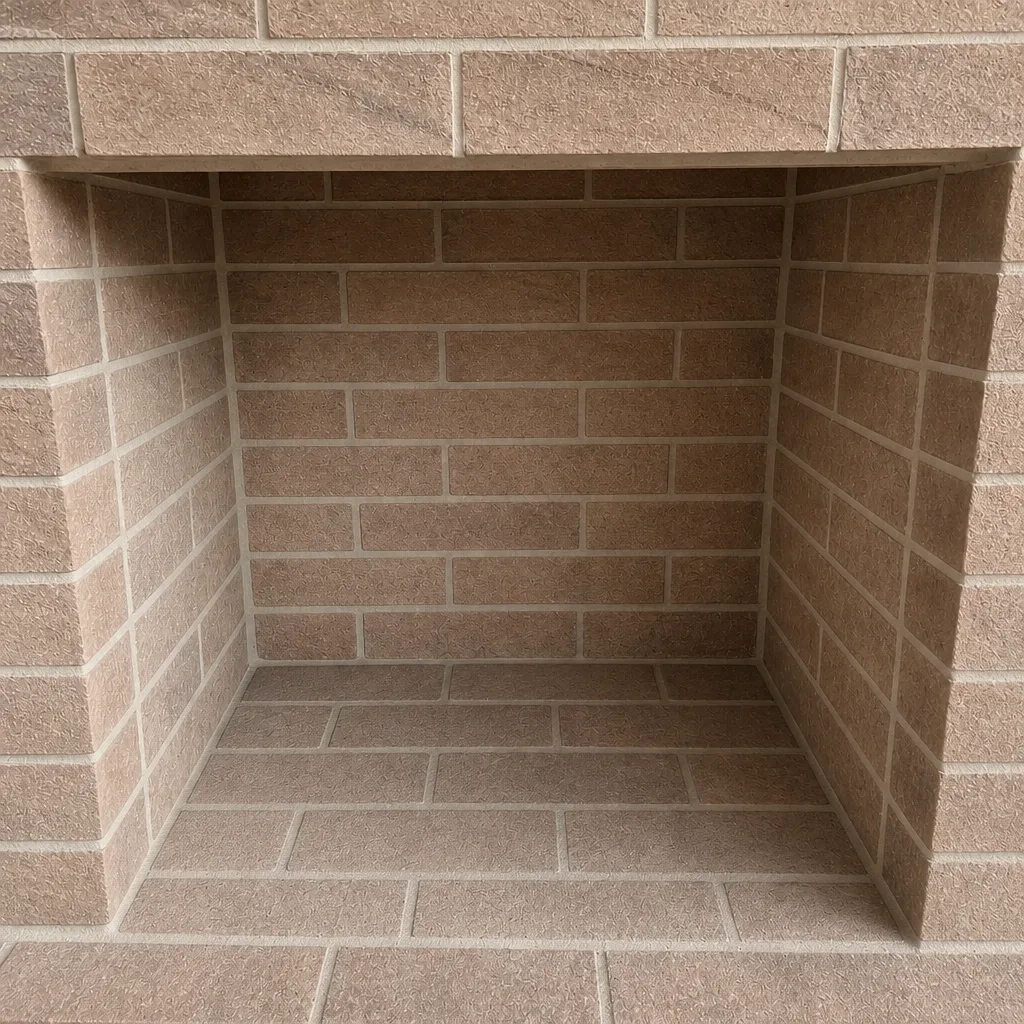 After
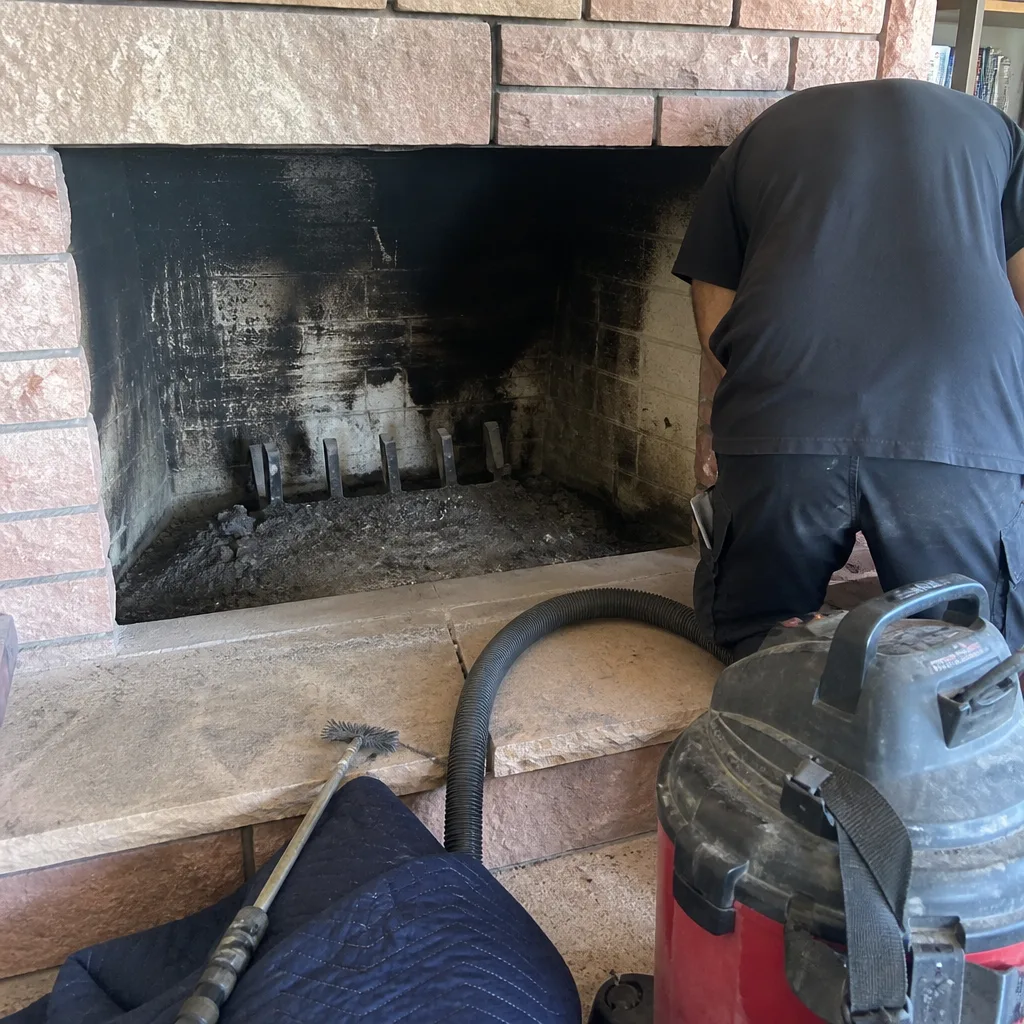 Before
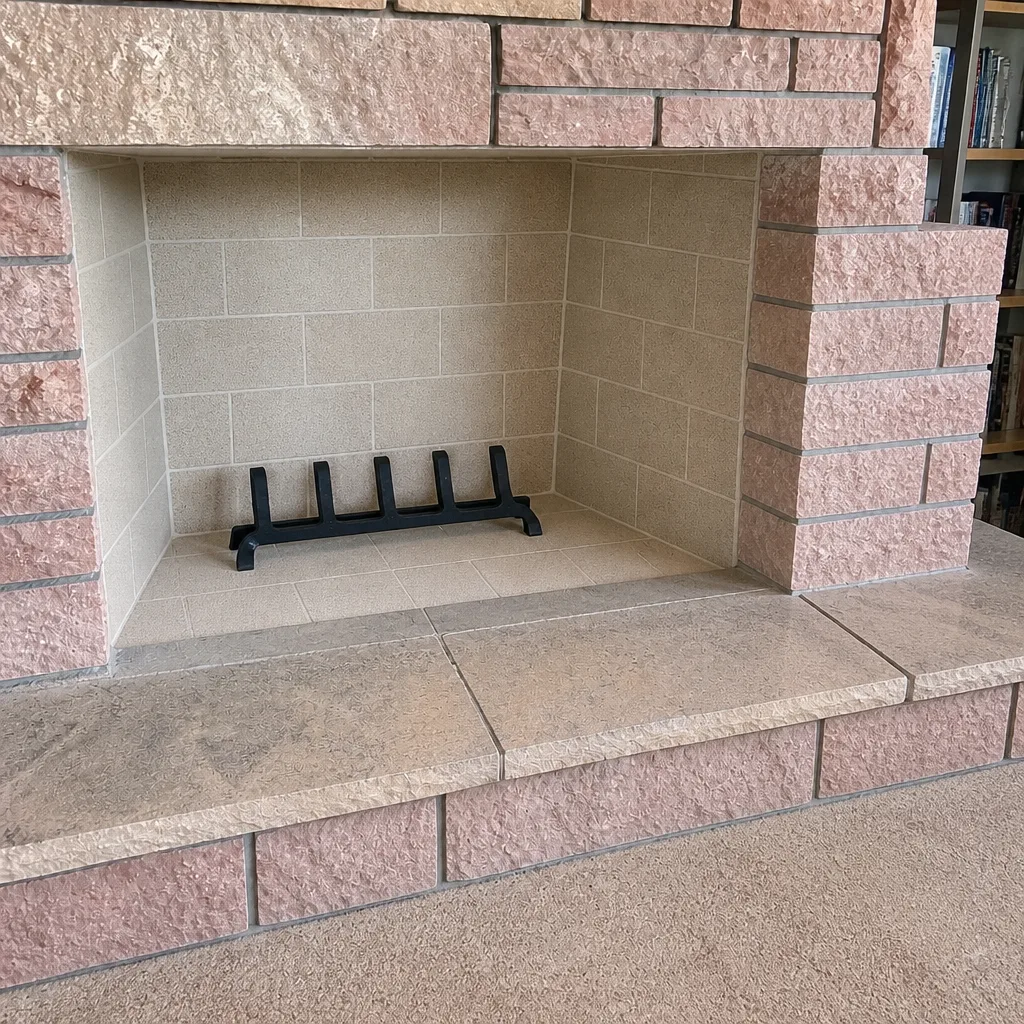 After
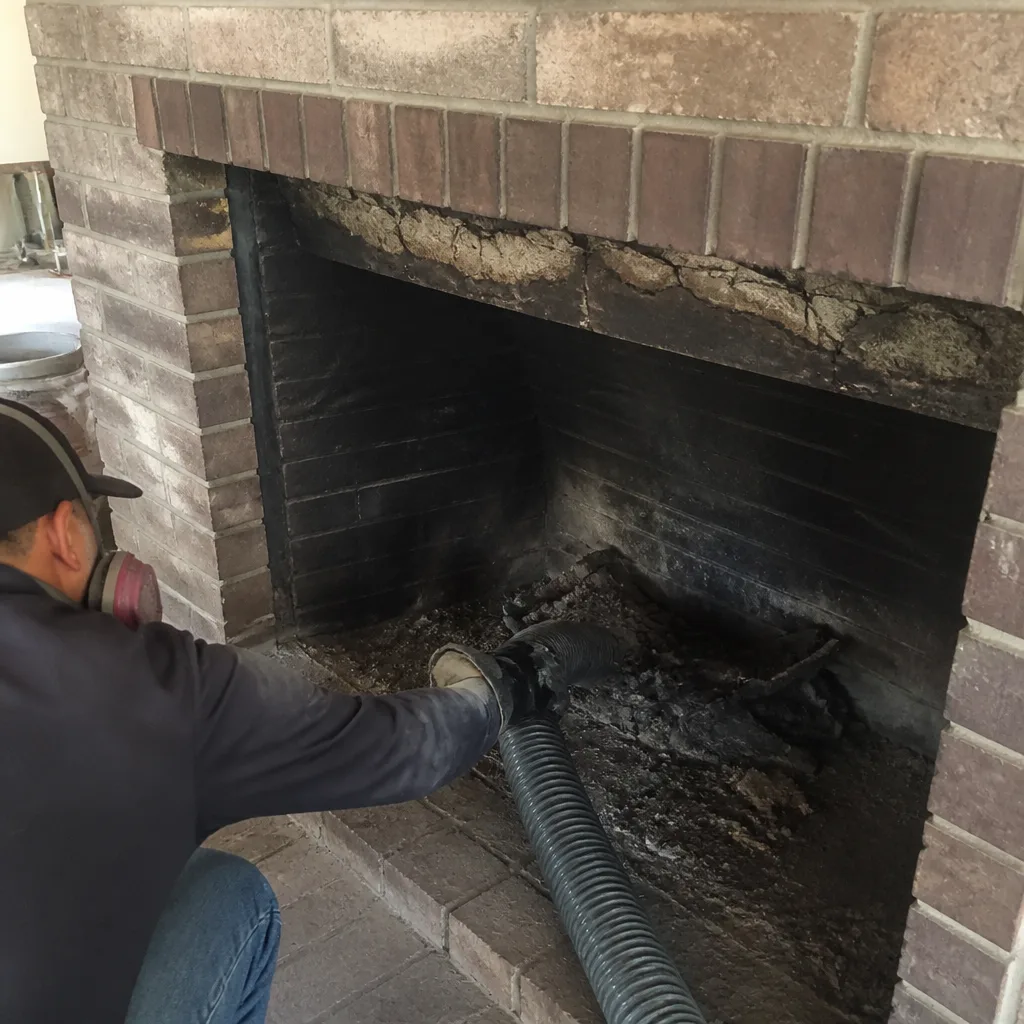 Before
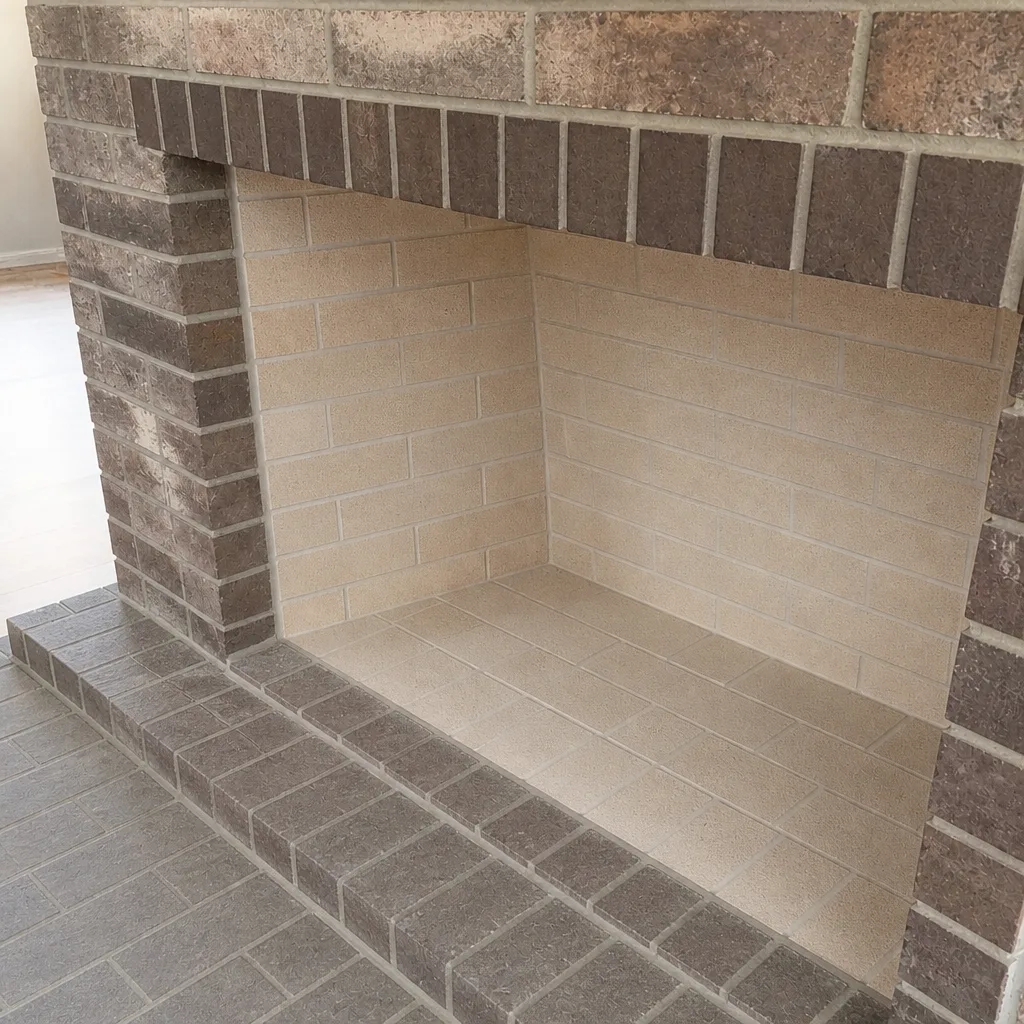 After
HeatShield Products We Service & Install in Phoenix
Here are the kinds of HeatShield products we service in the Phoenix area:
- HeatShield ArmorFlex flexible stainless relining system. We inspect, clean, and reseal flexible stainless liners and address corrosion and separated joints.
- HeatShield ceramic and refractory flue tile relining. We assess surface condition and repair cracking and spalling where the lining can hold.
- HeatShield poured-in-place refractory chimney lining. We check for settlement and gaps and repair or recommend a rebuild when the material has failed.
- HeatShield pre-insulated flexible liner kit. We verify insulation is doing its job against condensate and advise when it isn’t.
These are the product types we work with. We don’t claim to stock or carry any of them as a dealer.
We Also Service These Brands
Phoenix Chimney Cleaning isn’t a single-brand shop. If your home has a DuraFlex flexible liner or Gelco liner system instead of HeatShield, we service and repair those just as readily. Our toolkit covers the professional lines specialty contractors specify, so one call handles whatever your flue was built with.
FAQs – HeatShield Chimney Cleaning Service in Phoenix
No. We are an independent HeatShield service provider, not affiliated with, authorized by, or a dealer for HeatShield. That means you get an honest assessment of whether your lining is worth repairing or should be rebuilt, with no manufacturer agenda behind the recommendation.
Yes. We use OEM ceramic and refractory lining material and stainless components wherever they fit correctly, and only quality aftermarket alternatives when OEM isn’t available. We never drop to a lesser material that won’t hold up to Phoenix heat swings. Call (855) 360-8261 for a free estimate.
It depends on what the camera inspection finds. Creosote removal on an otherwise sound lining is a single visit. A partial reline and recoat takes longer than a straightforward reseal, and a full rebuild takes longer still. We set the timeline from the written estimate, so you know what to expect before we start.
We service HeatShield ArmorFlex flexible stainless relining systems, ceramic and refractory flue tile relining, poured-in-place refractory lining, and pre-insulated flexible liner kits. Call (855) 360-8261 if you’re not sure which system your Phoenix home has.
No, when the work is done correctly. We follow practices that keep your existing HeatShield warranty intact and use compatible materials, and we’ll walk you through what the work means for your warranty before we begin. Call (855) 360-8261 with questions.
We set the price per job by a free written estimate after we’ve inspected the flue, since a simple creosote removal and a partial reline are very different jobs. Call (855) 360-8261 for an exact quote. Estimates are free. We answer 24/7, with fast dispatch from 7am to 7pm, Sunday through Friday.
You can call us. We inspect and service HeatShield ceramic linings independently, and you don’t need the original installer. Our Level 2 camera inspection shows you the exact condition of the lining.
Phoenix heat cycles the lining hard. The rapid heat-up and cool-down of a valley fireplace opens fine cracks in the ceramic or refractory surface, and month after month of extreme sun on the exterior can work the masonry crown and mortar joints. That cracking is what later lets monsoon moisture in.
Yes. A stainless liner doesn’t stop creosote from forming, and in an under-insulated flue the creosote can combine with condensate and corrode the metal. Glazed creosote needs real removal, not a brush pass.
Not always. A separated joint near the damper is often re-securable and resealable. Whether a partial fix will hold or the flue needs a full rebuild is exactly what the camera inspection tells us. Call (855) 360-8261 for a free estimate.
Yes. We service DuraFlex and Gelco liner systems as well. One call to Phoenix Chimney Cleaning covers whatever brand your flue was built with.
Book Your HeatShield Service in Phoenix, AZ
If your Phoenix home has a HeatShield lining and you want a straight answer about its condition, call Phoenix Chimney Cleaning at (855) 360-8261 for a free estimate. We’re an independent HeatShield service provider, and we’ll show you the camera evidence and tell you plainly whether repair or rebuild is right. Call (855) 360-8261. We answer 24/7. Fast dispatch from 7am to 7pm, Sunday through Friday.
Written by Bob Conway, Owner at Phoenix Chimney Cleaning, serving Phoenix since 2012.