
Last updated November 14, 2026
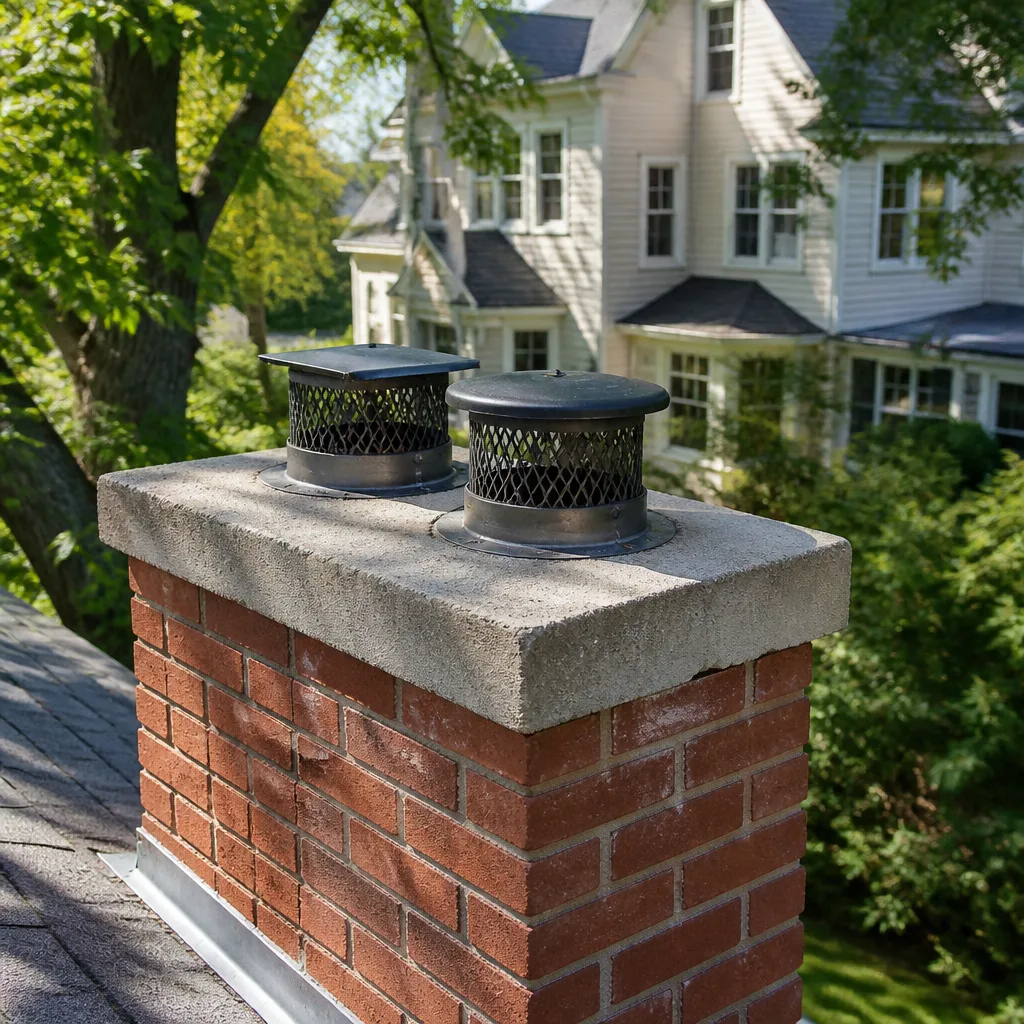 Sweep & inspection
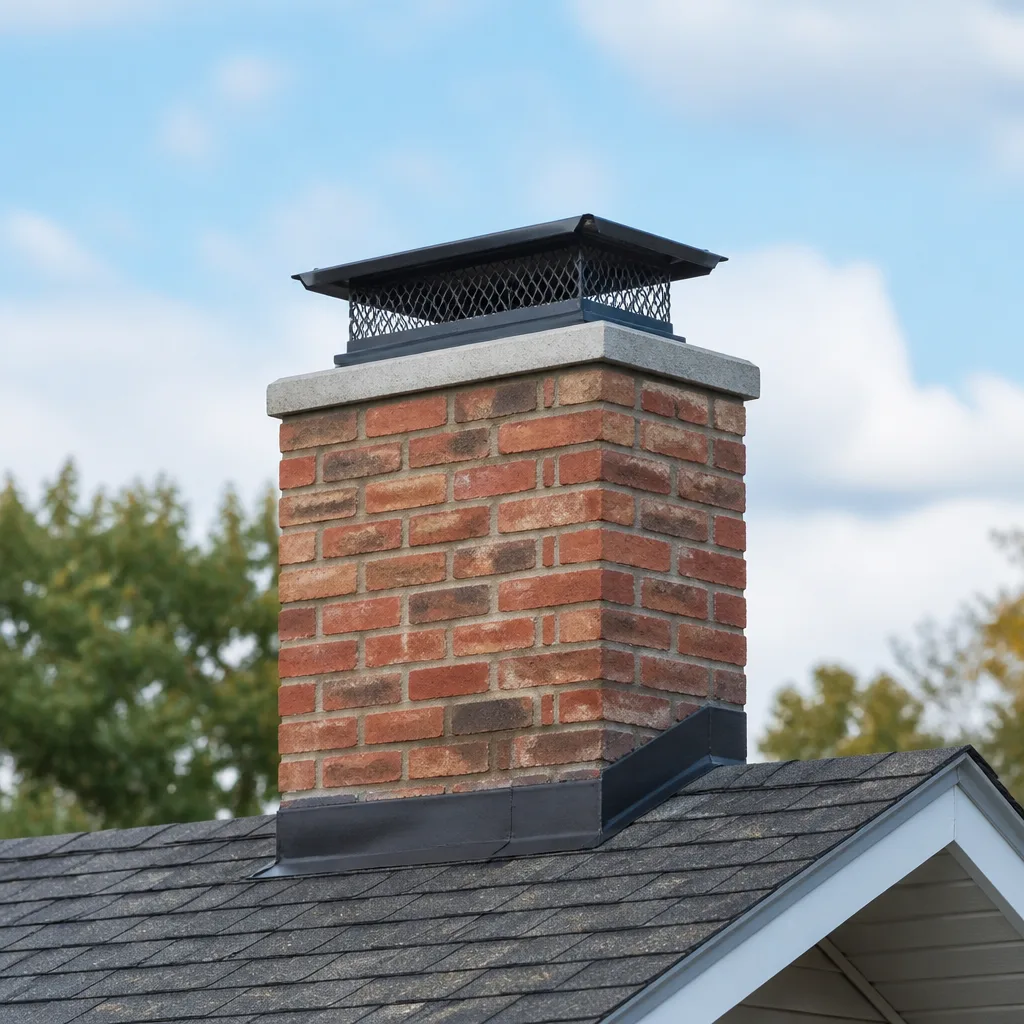 Caps & crowns
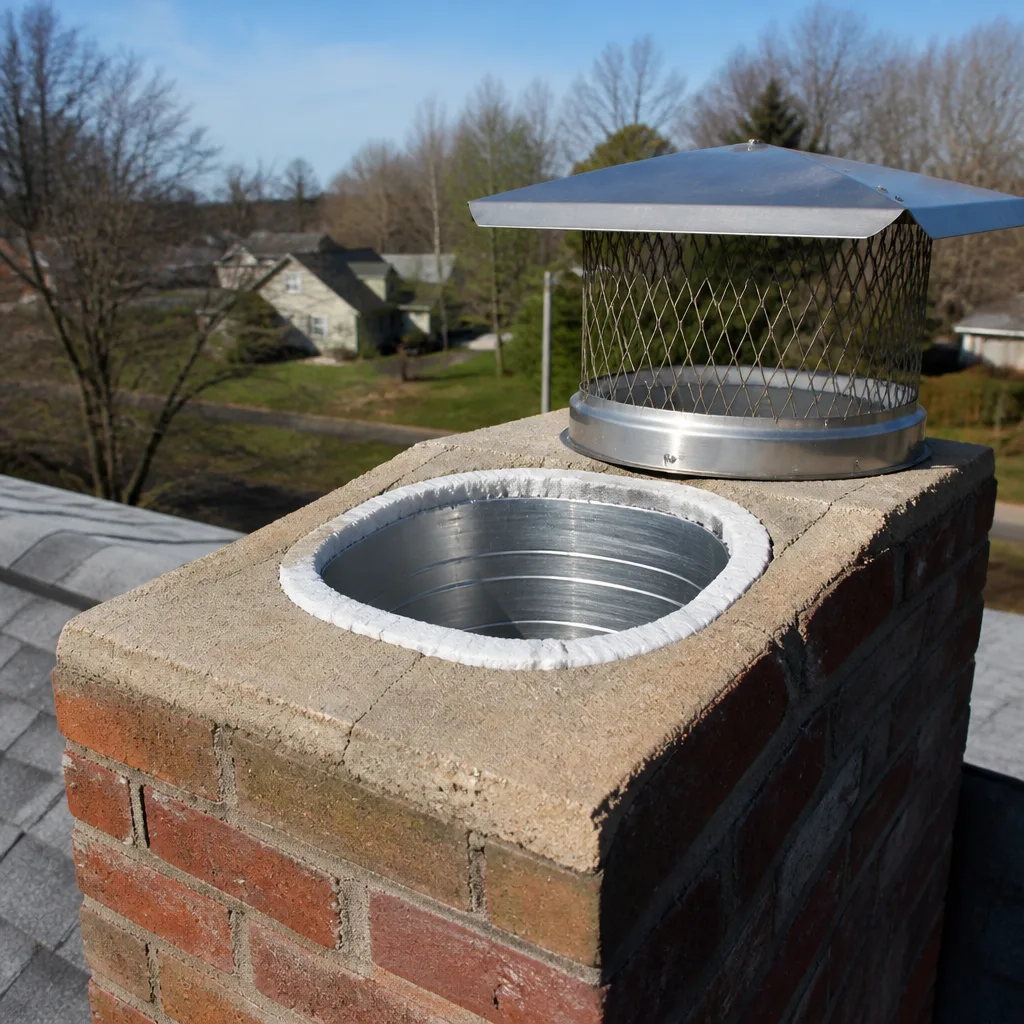 Flue relining
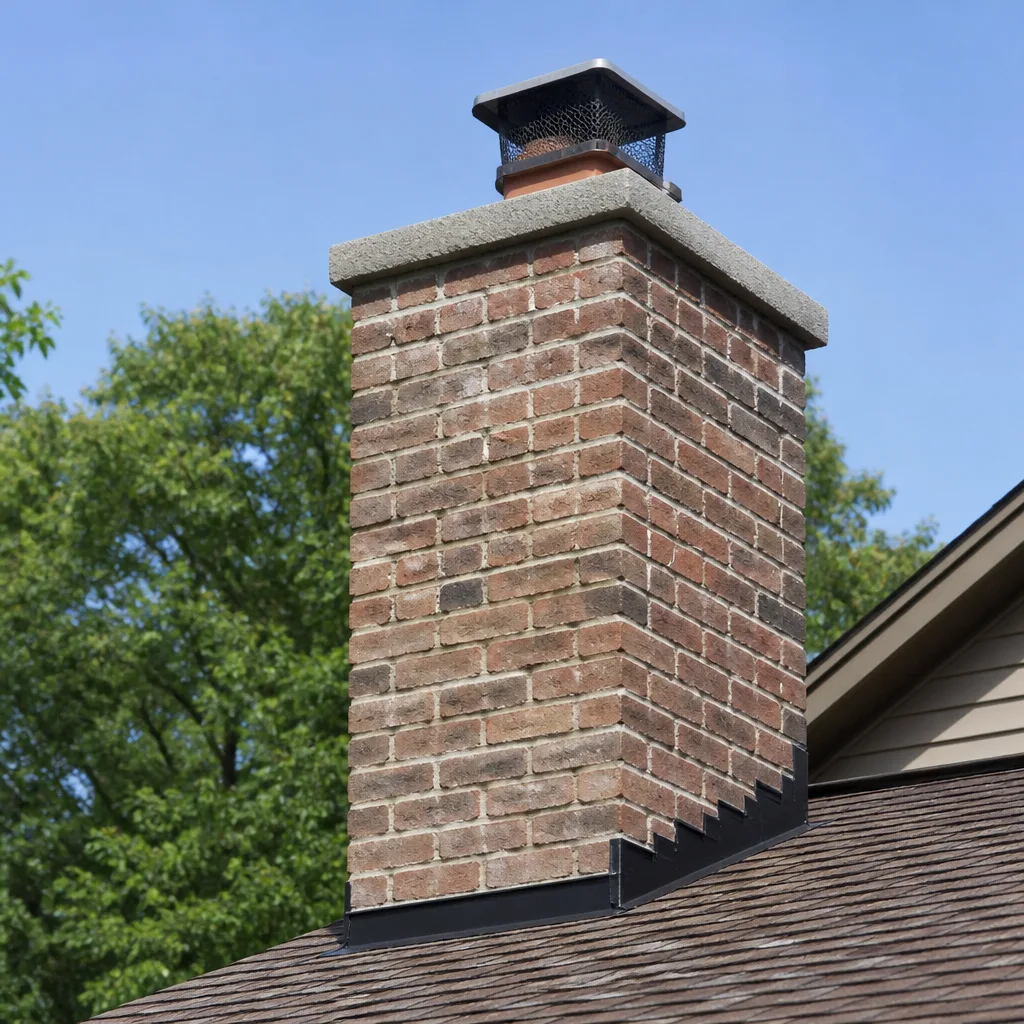 Masonry repair
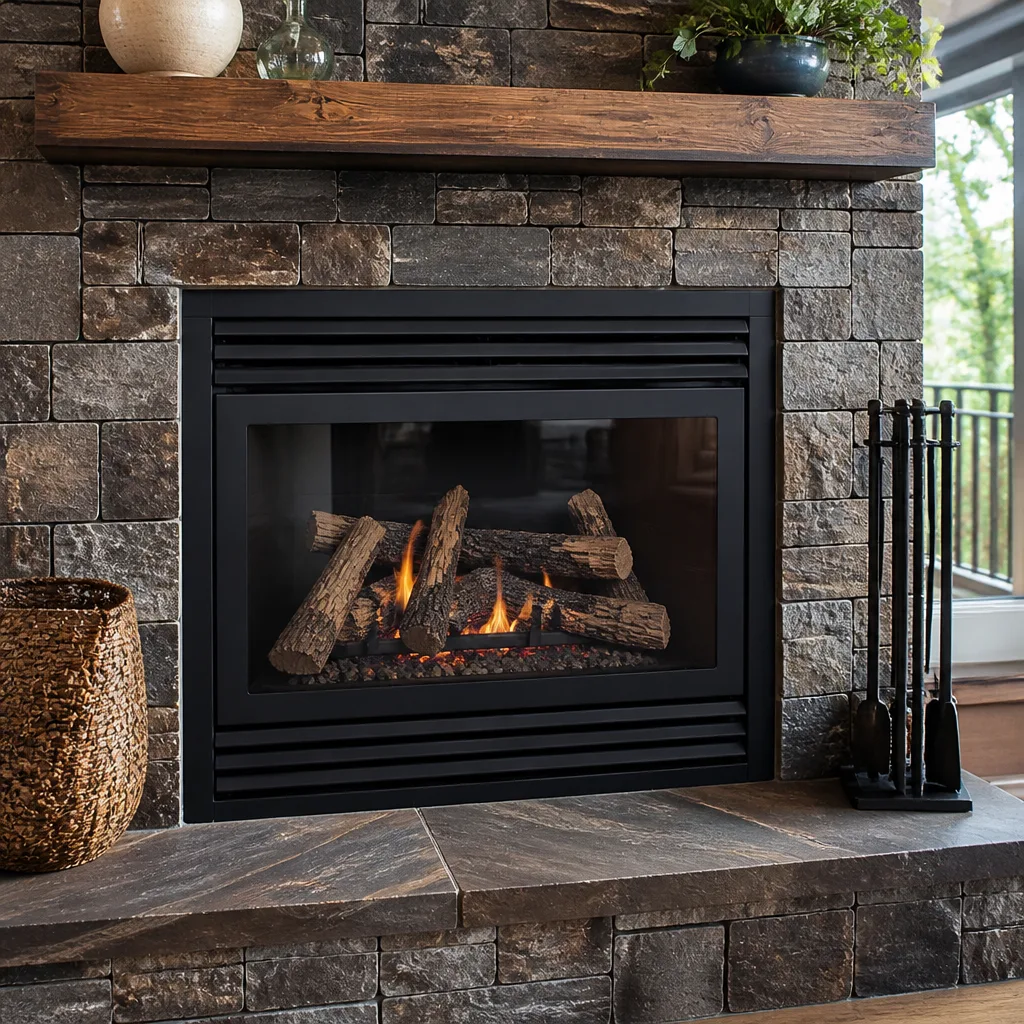 Gas fireplace service
Level 1 sweep and inspection to the NFPA 211 annual standard - flue, crown, cap, and flashing checked and photographed
Chimney sweep logs do not sweep chimneys. They loosen some creosote - which then falls where a brush and vacuum still have to collect it.
The Complete Guide to Chimney Cleaning in Phoenix
Most Phoenix homeowners light their fireplace fewer than ten times a year. That sounds like good news for the chimney. It isn’t. A flue that sits idle for months in a desert climate collects debris, moisture, and wildlife, and the handful of burns you do run tend to be short, cool fires that leave more creosote behind than a season of steady burning would. Cold-climate chimney advice doesn’t fit here, because the failure mode is different. In this guide we’ll explain what a Phoenix flue actually faces, how a proper cleaning here works, what the different inspection levels mean, and how to tell real problems from upsells. It’s written from the perspective of a Phoenix Chimney Cleaning team that works on these systems every week.
Quick Answer
Chimney cleaning in Phoenix means removing soot, creosote, and debris from the flue, then inspecting the liner and cap for damage, moisture intrusion, or blockages, usually once a year for a fireplace that gets regular use. Because chimneys here sit unused for much of the year, they collect desert dust, monsoon moisture, and bird or pack rat nests between fire seasons, which makes an annual sweep and inspection more important than the burn count suggests. A professional sweep with a camera inspection is the only way to know what’s actually inside your flue.
Styles & brands we work with
- Sweep & inspection
- Caps & crowns
- Flue relining
- Masonry repair
- Gas fireplace service
Table of Contents
- Why Infrequent Use Still Builds Creosote
- What Monsoon Season Does to an Idle Flue
- Birds, Pack Rats, and Blocked Flues
- Level 1 vs Level 2 Inspections in Practice
- How a Professional Cleaning Actually Works
- Why Brushes and Vacuums Matter in a Ranch Home
- How Often You Should Schedule a Sweep
- The Other Vent in Your Home: Dryer Ducts
Why Infrequent Use Still Builds Creosote
Creosote forms whenever wood burns incompletely, and a fireplace that’s used a few times a year tends to produce more of it per fire, not less. In a cold climate, people burn hot, sustained fires that consume most of the smoke. In Phoenix, the typical fire is a short evening burn on a cool winter night, often with wood that’s been stacked outside and hasn’t fully dried. Cool fires and damp wood leave more unburned material to condense on the flue walls.
That residue falls into three stages, and each one matters for a different reason:
- Stage 1 creosote is a light, flaky soot that a brush removes easily. This is what most Phoenix flues look like after a light season of use, and it’s the stage where a normal sweep keeps everything in good shape.
- Stage 2 creosote is a crusty, tar-like layer that clings to the flue and requires more aggressive tools to break loose. It builds faster when fires are cool and repeated, which is exactly the pattern here.
- Stage 3 creosote is a glazed, hardened deposit that needs specialized removal. It’s less common in Phoenix than in cold climates, but it does happen in flues that have gone years without a sweep.
The point is simple: a low burn count doesn’t mean a clean flue. It means the creosote that does form is likely sitting there longer, hardening, and combining with dust and debris. An annual chimney sweep resets the clock before any of that becomes a real problem. For the same reason, we tell homeowners in Phoenix to have the flue checked even if they only light a fire a few times each winter. The inspection costs far less than ignoring it.
What Monsoon Season Does to an Idle Flue
Phoenix’s monsoon months bring sudden, heavy rain after long dry stretches, and a chimney cap that’s missing, loose, or damaged lets that water straight down the flue. The result is a chimney that stays damp inside for weeks after the storm has passed, because desert air dries the outside of the house long before it dries the inside of a masonry flue. Moisture in a flue does two things: it rusts metal liners and damper components, and it combines with soot to form a corrosive paste that eats into mortar joints.
You’ll often see the evidence before you smell it. Rust streaks on the firebox, a damper that sticks, white staining on exterior brick, or a musty odor when the fireplace hasn’t been used in months. Those are all signs that water has been getting in and staying in.
What a typical monsoon-season check covers
- Inspect the cap and spark arrestor for looseness, rust, or missing fasteners.
- Check the crown, the concrete top of the chimney, for cracks that let water seep into the masonry.
- Look at the flashing where the chimney meets the roof for gaps and lifted edges.
- Run a camera down the flue to check for moisture damage, rust, or deteriorated liner joints.
- Confirm the damper closes fully and seals when the fireplace isn’t in use.
None of this requires a storm to have hit your house directly. Wind-driven rain during a monsoon storm reaches caps and crowns that look fine from the ground. A proper Phoenix chimney inspection catches these issues before the next fire season, when a damp flue and a fresh fire make a poor combination. This is also where repair work becomes relevant: a cracked crown or a rusted liner section gets addressed during the same visit when possible, rather than deferred to a second appointment months later.
Birds, Pack Rats, and Blocked Flues
An open chimney in the desert is a prime piece of real estate. Birds nest on top of caps and inside flues that are missing an arrestor, and pack rats are notorious for dragging nesting material into any sheltered cavity they can reach, including chimney tops. When a flue is blocked, smoke has nowhere to go but back into the room, and in the worst case, carbon monoxide can follow the same path.
The signs are usually obvious once you know what to look for:
- Nesting material visible when you look up the flue with a flashlight, or debris around the top of the chimney.
- A strong animal odor in the firebox, especially after months of disuse.
- Smoke rolling back into the room when you first light a fire.
- Scratching or rustling sounds from the chimney, particularly in the cooler months when animals seek shelter.
Never try to clear an animal nest yourself by reaching into the firebox or lighting a fire to “burn it out.” Both can be dangerous, and a blocked flue is one of the few situations in this trade where we tell homeowners to stop and call before doing anything else. A professional sweep removes the blockage safely, checks the flue for damage the animal may have caused, and can advise on a cap or screen that keeps it from happening again. In our experience, a properly fitted cap with a spark arrestor is the single most effective step toward preventing wildlife blockages in Phoenix.
Level 1 vs Level 2 Inspections in Practice
Chimney inspections are classified by how much of the system gets examined, and the difference matters when you’re deciding what you actually need. A Level 1 inspection is a visual check of readily accessible parts of the fireplace and flue, done with a flashlight and basic tools. A Level 2 inspection adds a camera run through the entire flue and covers accessible attics, crawl spaces, and the chimney exterior. A Level 3 inspection goes further still and may involve opening walls, which is rare and usually only needed after a chimney fire or a major structural concern.
In practice, here’s how we decide which one fits:
- Level 1 fits a fireplace that’s swept and inspected regularly, with no changes to the system and no performance complaints.
- Level 2 fits a new home purchase, a change in fuel type, a liner or appliance replacement, a chimney that’s had a fire, or any persistent performance issue like smoke backup or unusual odors.
- Level 3 is reserved for cases where a Level 2 finds something that can’t be assessed without opening up part of the structure.
Most Phoenix homeowners end up needing a Level 2 at some point simply because so many houses here change hands and so many chimneys sit unused for long stretches. If you’ve just bought a home with a fireplace, a Level 2 with camera documentation is the honest starting point. You get photos of what’s actually inside the flue instead of a verbal summary, and that record is useful if you ever need to compare condition over time.
How a Professional Cleaning Actually Works
A proper cleaning follows a sequence, and skipping any step tends to leave a mess or miss a problem. Here’s the process a trained sweep should walk through:
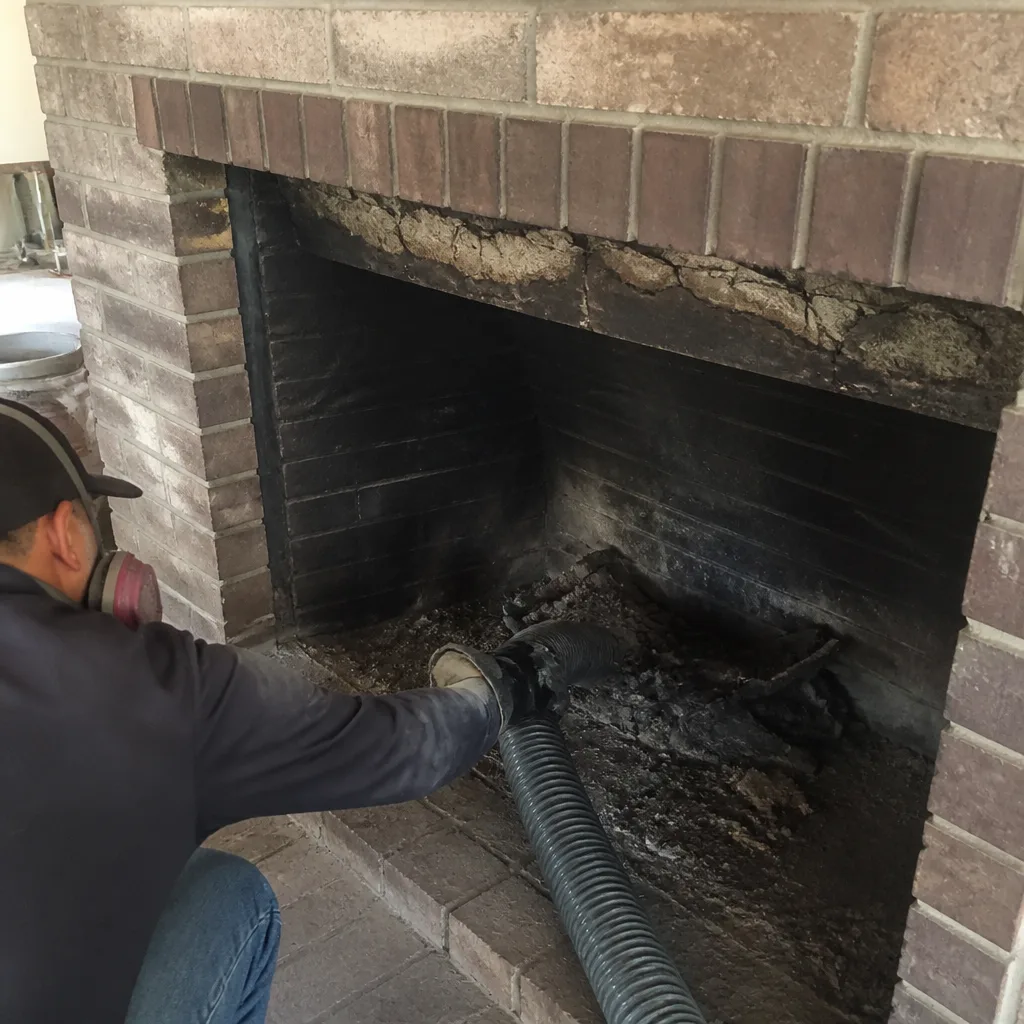
- Protect the room. Drop cloths go down and a high-powered vacuum with a HEPA filter runs throughout, which keeps soot out of the living space.
- Check the firebox and damper. Before sweeping, the sweep confirms the damper opens and closes, and notes any obvious damage.
- Sweep the flue. The right brush for the liner type breaks creosote loose from the walls, top to bottom.
- Clear the smoke shelf and smoke chamber. These are common places for soot to collect and are easy to overlook with a quick brush-and-go.
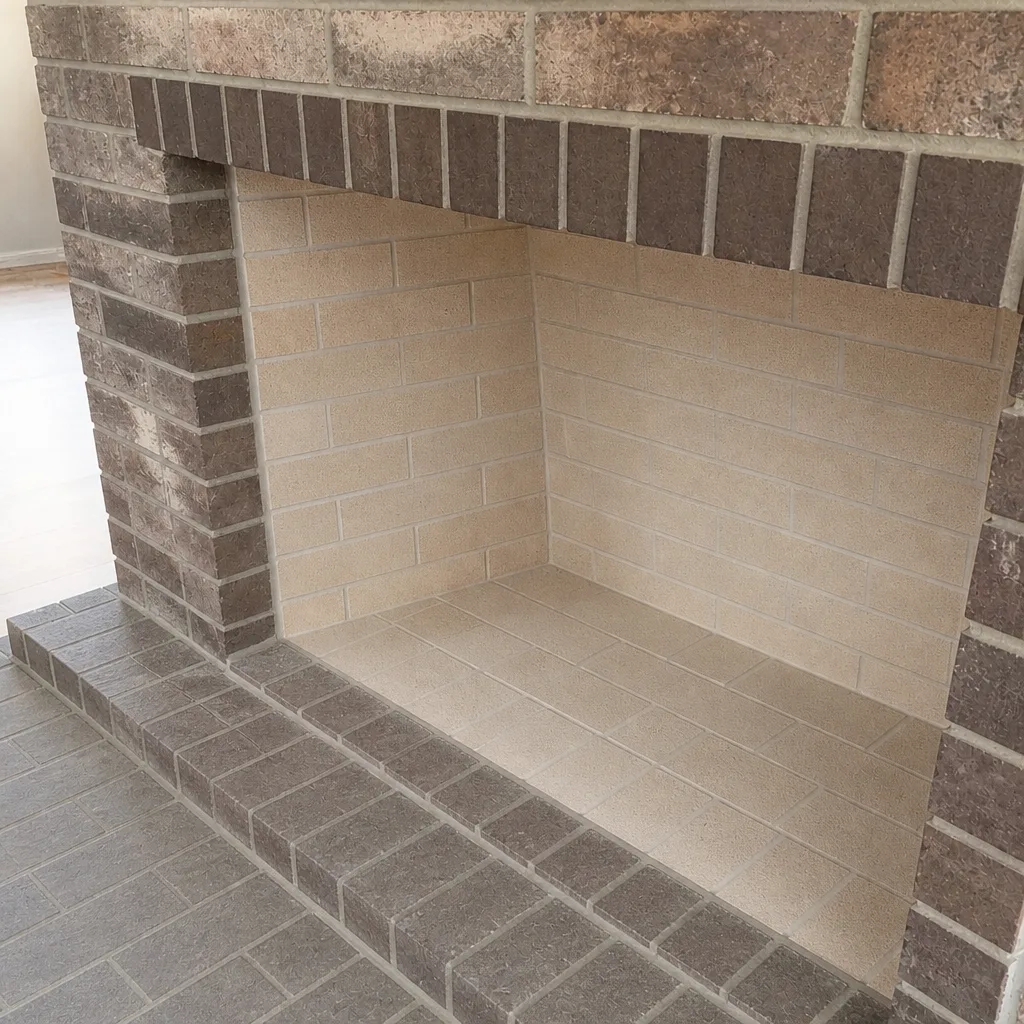
- Vacuum and clean the firebox. Loose debris gets removed and the firebox is wiped down.
- Inspect with a camera. A camera run through the flue confirms condition, catches cracks or gaps, and documents what was found.
A sweep-only operation often does steps three and five and calls it a day. That’s the difference between a chimney that looks clean and a chimney that’s actually been assessed. If the camera inspection reveals damage to the liner, we can talk about options on the spot, because we carry repair materials and capabilities that a sweep-only crew doesn’t. HeatShield resurfacing can restore a liner with certain kinds of damage without the cost of a full replacement, and DuraFlex liner systems are the right answer when resurfacing isn’t enough. Our repair work uses professional-grade brands like Olympia Chimney and Famco, the same lines specialty contractors specify, not hardware-store substitutes. We’ll tell you honestly which one you need.
Why Brushes and Vacuums Matter in a Ranch Home
Phoenix has a lot of single-story ranch homes, and that matters more than it might seem. In a two-story house, the chimney often runs up an exterior wall with plenty of room to work. In a single-story ranch with low attic clearance, the flue chase is often tight, and access can be awkward. The right tools make the difference between a thorough clean and a hurried one.
Professional-grade brushes are matched to the liner type. A stiff poly brush that’s fine for a masonry flue can damage a stainless liner, and a brush that’s too soft for heavy creosote won’t break it loose. On the vacuum side, a standard shop vac doesn’t have the filtration to keep fine soot out of your air. A HEPA-filtered chimney vacuum does, and it runs continuously through the job rather than being switched on and off.
Low attic clearance also affects the camera inspection. It takes the right length of camera and the right technique to get a clean look at the full flue in a tight chase. If a sweep tells you they can’t inspect the whole flue because of access, that’s a real limitation, and you should ask how they handle it. We use cameras and flexible rods that work in tighter spaces so the inspection covers the full run rather than stopping at the first bend.
How Often You Should Schedule a Sweep
Once a year is the usual recommendation for a fireplace that sees regular use, and in Phoenix we suggest the same cadence even for a fireplace that only gets lit a few times a season. The reason isn’t burn count; it’s everything that happens between fires. Dust, monsoon moisture, and wildlife all work on your flue during the months it sits idle.
Some situations call for a sweep sooner than the annual cycle:
- You’ve just bought the home and don’t know the last time the chimney was cleaned.
- You’ve noticed smoke backing up into the room, a strong odor, or visible debris in the firebox.
- You’ve changed what you burn, or replaced the fireplace insert or stove.
- There’s been a chimney fire, even a small one you think you caught early.
- The cap or crown is damaged, or you’ve seen signs of water intrusion.
The best time to book is before fire season, which in Phoenix means before the first cool evenings when everyone wants to light a fire. Booking ahead of the rush means your chimney is ready when you are, and any repair that comes up has time to be scheduled without pressure. The written estimate sets the price, and the estimate itself is free. If the camera shows the flue is in good shape, we’ll say so plainly and tell you the next sweep can wait.
The Other Vent in Your Home: Dryer Ducts
Most homeowners think of the fireplace when they think of chimney cleaning, but the dryer duct is the other vent in the house that collects lint and can become a fire risk. It runs through the same kind of walls, often in the same parts of the house, and it’s usually the last thing anyone thinks to check. In a single-story ranch home with a long duct run, lint can build up faster than you’d expect.
We treat dryer vent cleaning as a core service alongside chimney work, not an add-on. Both are venting problems, both are fire risks, and one visit can cover both. Signs your dryer duct needs attention include clothes taking longer than usual to dry, a dryer that feels hot to the touch on the outside, a lint screen that fills faster than it used to, or visible lint around the outside vent flap. A camera inspection of the dryer duct follows the same principle as the chimney inspection: you see the evidence yourself before anything is recommended.
Common Mistakes to Avoid
- Assuming a low burn count means the chimney is clean. Cool, occasional fires and damp wood produce more creosote per burn, not less, and it sits longer in a Phoenix flue between fire seasons.
- Skipping the cap. An open flue invites birds, pack rats, and monsoon rain. A properly fitted cap with an arrestor is the cheapest protection you can add.
- Burning “green” or unseasoned wood to save money. Wet wood smolders, and smoldering fires leave more residue on the flue walls.
- Ignoring a musty smell in the firebox. It usually means moisture has been getting in, and that’s a repair question, not a cleaning one.
- Hiring a sweep who won’t show you the camera footage. If the inspection isn’t documented with photos or video, you have no way to verify what you’re being told.
- Using a shop vac to clean the firebox yourself. Fine soot passes straight through standard filters and ends up in the air you breathe.
- Waiting until the first cold night to book. Fire season in Phoenix is short, and booking ahead means a chimney that’s ready before you need it.
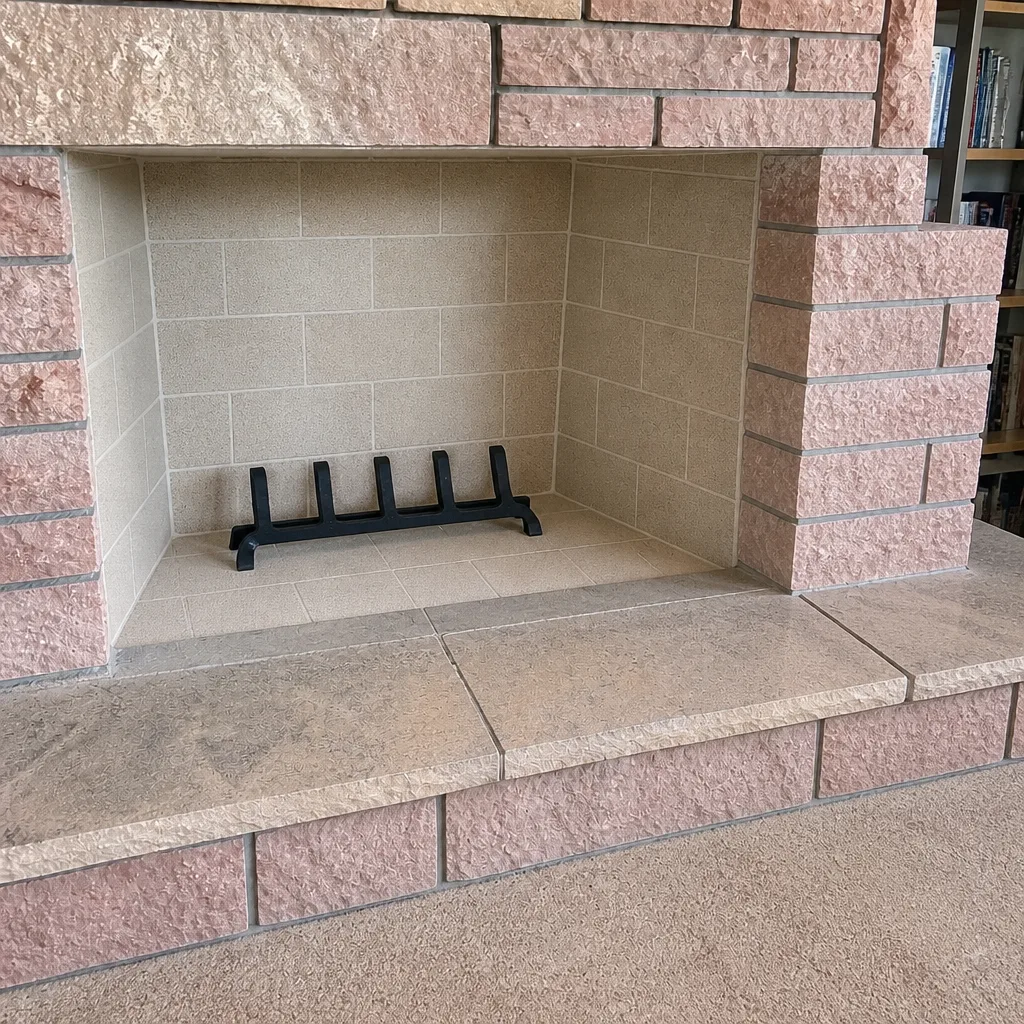
See the difference
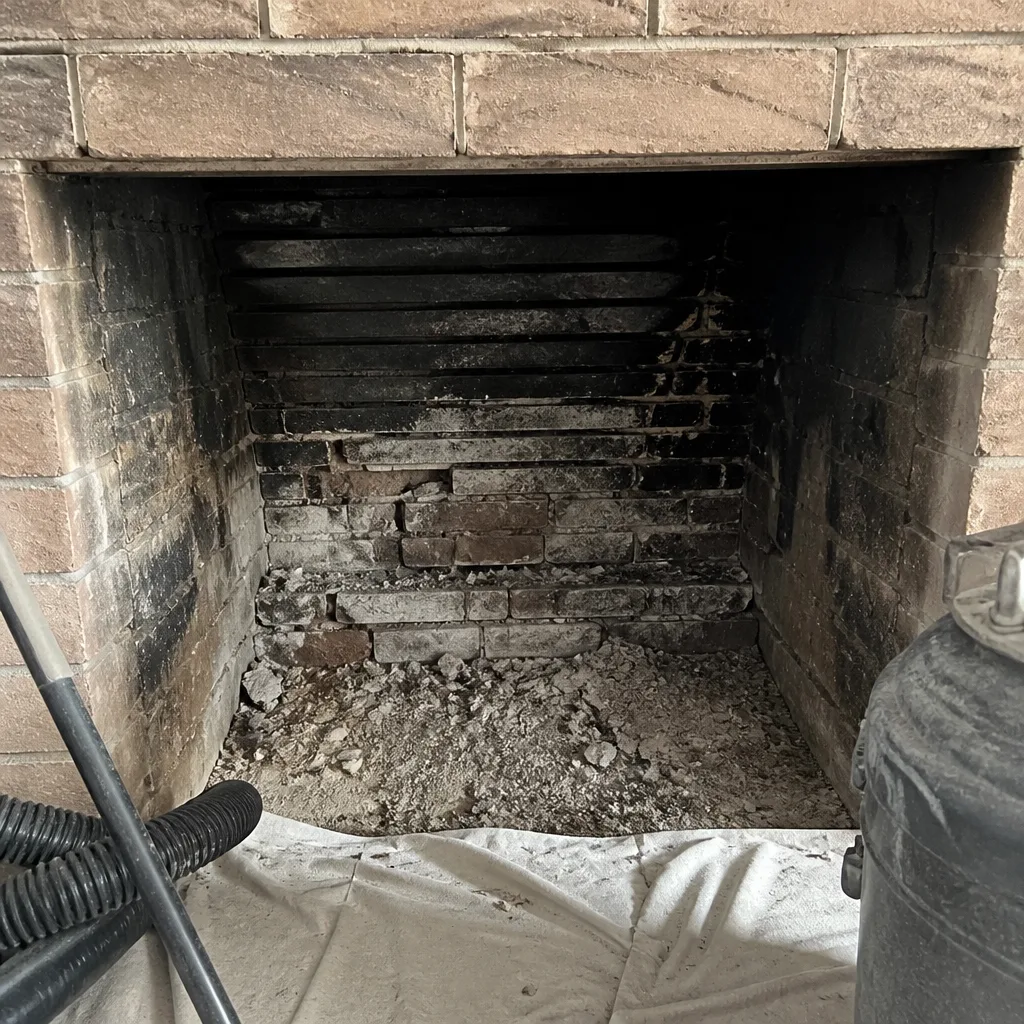 Before
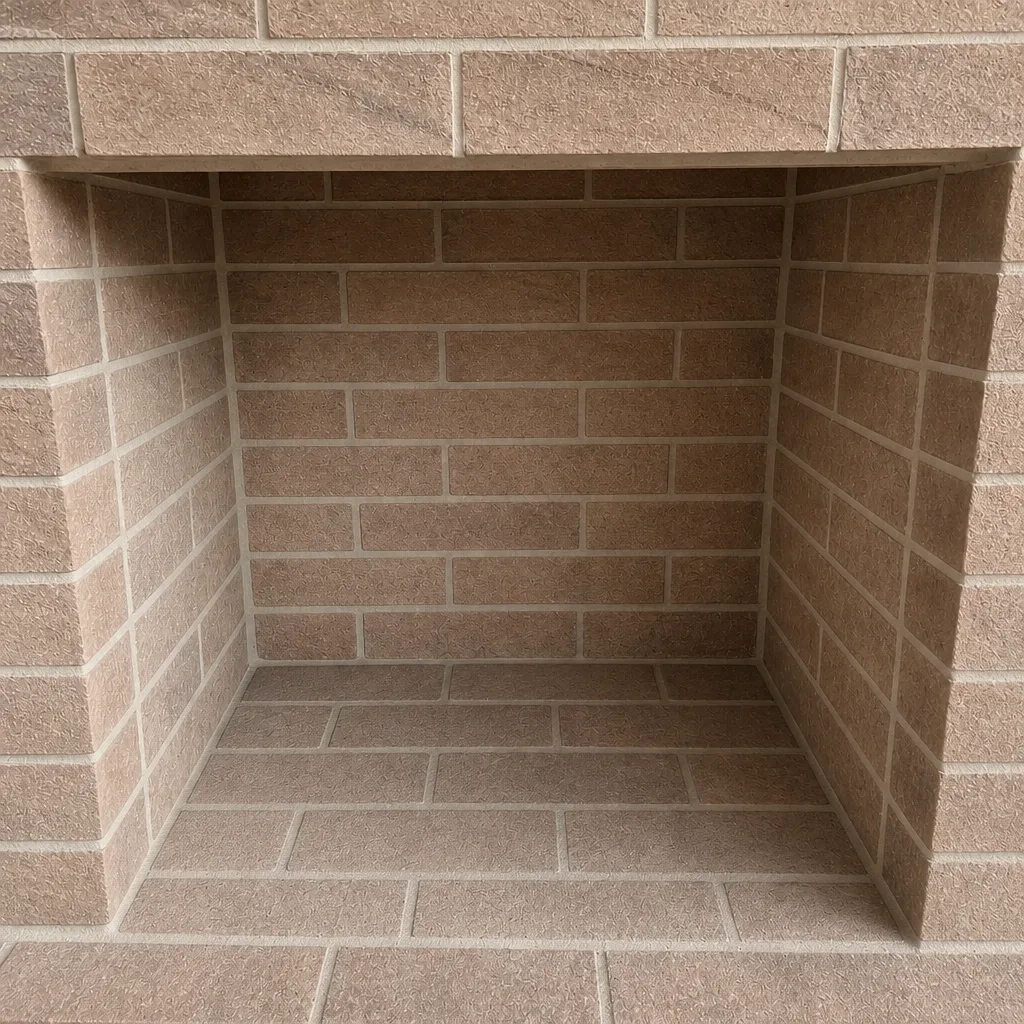 After
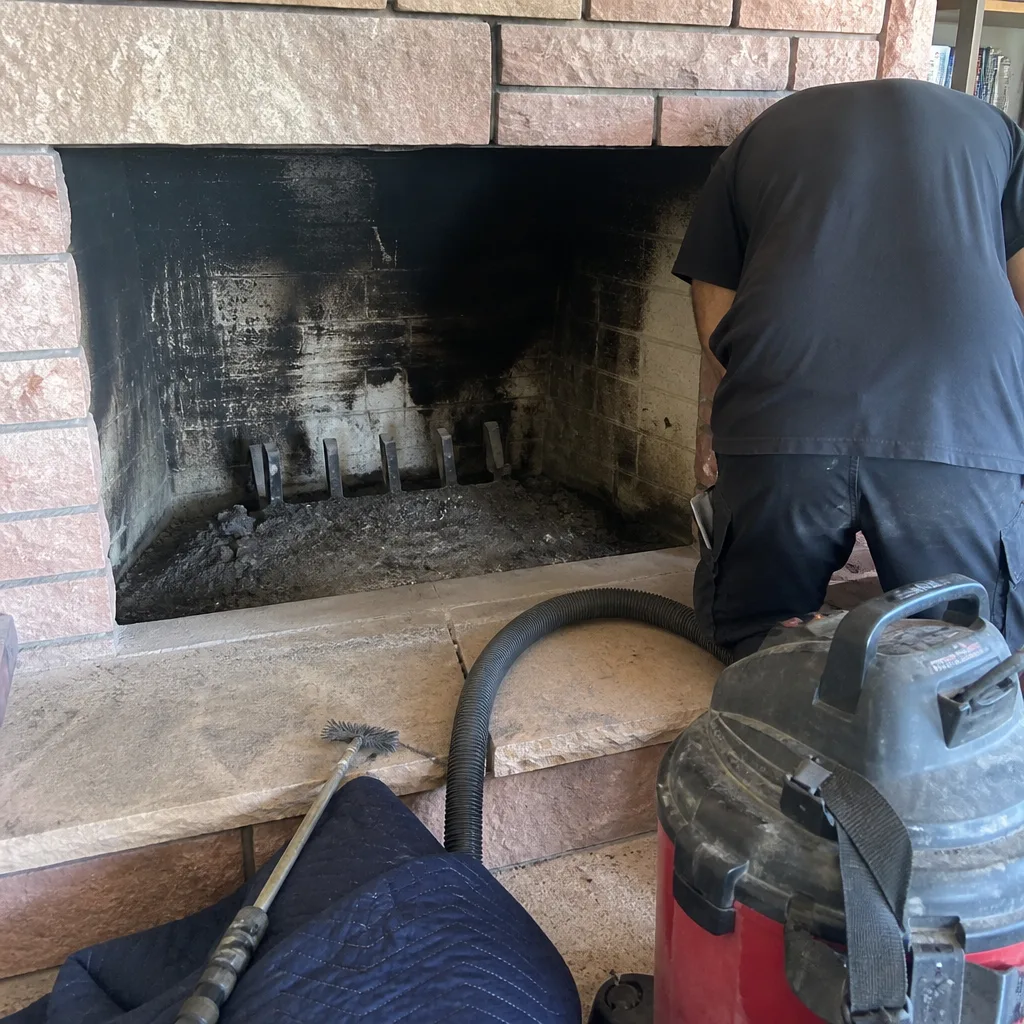 Before
 After
 Before
 After
When to Call a Professional
Some chimney issues are obvious; others only show up under a camera. Call us when smoke backs into the room, when you smell an animal or a strong musty odor in the firebox, when the damper sticks, or when you’ve noticed rust, white staining on the exterior brick, or loose debris around the chimney top. Call before lighting the first fire in a home you’ve just bought, even if it looks clean from the ground. A blocked flue or a damaged liner isn’t something to test with a fire. And call if your dryer has been taking longer to dry clothes or feels unusually hot; the duct may be packed with lint. Phoenix Chimney Cleaning offers free estimates in Phoenix, and we’ll show you the camera evidence before recommending any work. Call (855) 360-8261.
Frequently Asked Questions
A standard sweep in the Phoenix market typically runs in the low-to-mid hundreds of dollars, and inspection with camera documentation is included as part of that visit. Repair work, when it’s needed, is quoted separately and priced per job through a written estimate that sets the final price. Call (855) 360-8261 for an exact quote, and estimates are free.
Only if the camera inspection shows your current liner is cracked, rusted through, or otherwise failing. Many flues that look bad from the top can be restored with HeatShield resurfacing rather than a full reline, and some don’t need either. You should see the camera footage yourself before agreeing to any liner work, and we’ll tell you honestly if the flue can safely wait. Call (855) 360-8261 to book an inspection.
Once a year is the standard recommendation here, even for a fireplace that’s only used a few times a season, because dust, monsoon moisture, and wildlife work on the flue during the idle months between fires. Call (855) 360-8261 to schedule a sweep before fire season.
Stage 1 and Stage 2 creosote keep building, and a flue that goes unswept for years can develop a thick deposit that restricts the draft and raises the risk of a chimney fire. Moisture and animal blockages can also go unnoticed, and a blocked flue is a carbon monoxide concern. If it’s been more than a year, book a sweep. Call (855) 360-8261.
Many repairs can be handled on the same visit as the sweep when the parts are on hand and the damage is straightforward, because we carry both DuraFlex and HeatShield capabilities. If the job calls for something more involved, we’ll give you a written estimate and book it for the next available opening. We answer 24/7. A call outside dispatch hours is booked into the next opening, Sunday through Friday, 7am to 7pm.
Infrequent use is exactly what makes an inspection worth doing in Phoenix, because the flue sits open to dust, monsoon rain, and wildlife for months at a time. A camera inspection is the only reliable way to confirm the liner is intact and the flue is clear before you light the first fire. Call (855) 360-8261 and we’ll show you what we find.
The Bottom Line
A chimney in Phoenix fails differently than a chimney in a cold climate. The burn count is low, but the flue spends most of the year collecting dust, monsoon moisture, and wildlife, and the few fires you do light tend to leave more creosote behind than steady cold-season burning would. An annual sweep and a camera inspection catch all of it, and the evidence of what’s inside the flue should be shown to you, not just described. If a repair is needed, HeatShield resurfacing and DuraFlex liner systems give you options beyond a full replacement, and we’ll tell you honestly which one fits. Call (855) 360-8261 for a free estimate.
Written by the team at Phoenix Chimney Cleaning, serving Phoenix since 2012.