
Last updated November 14, 2026
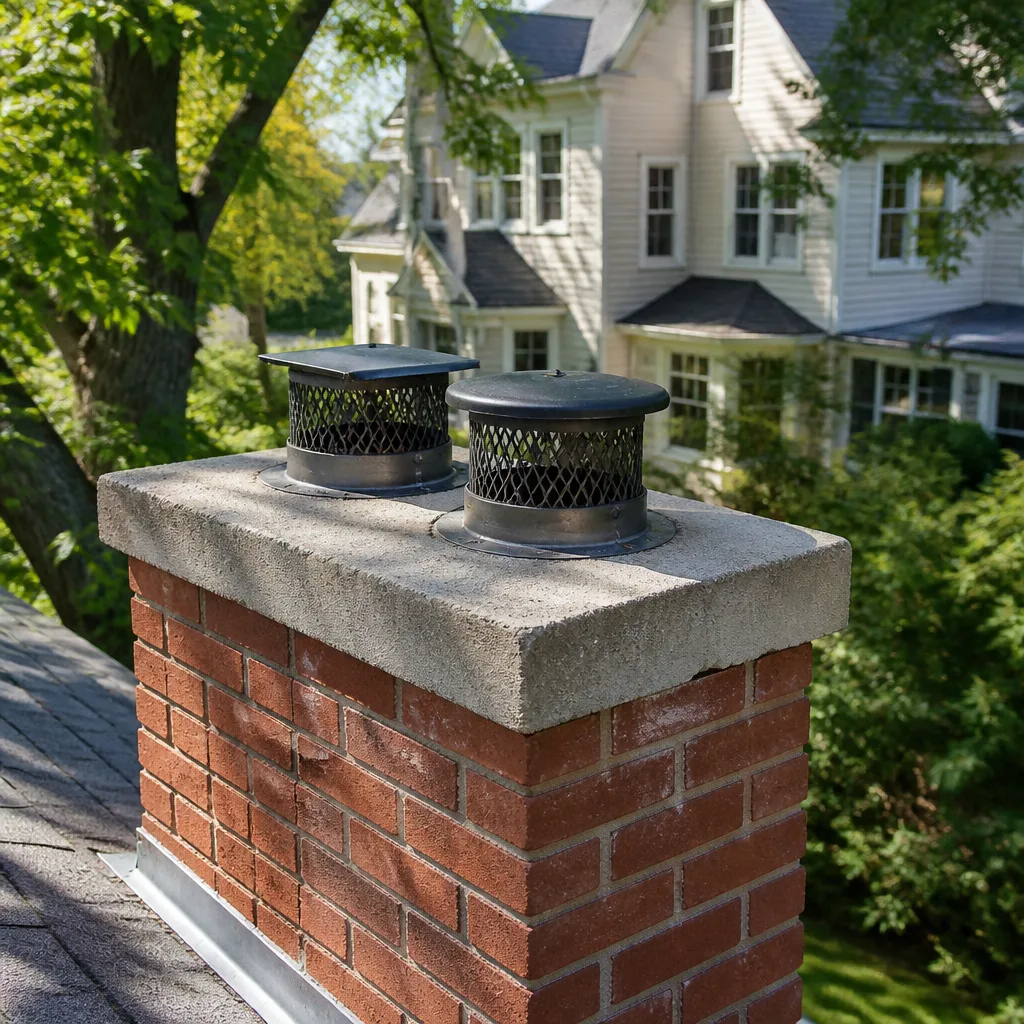 Sweep & inspection
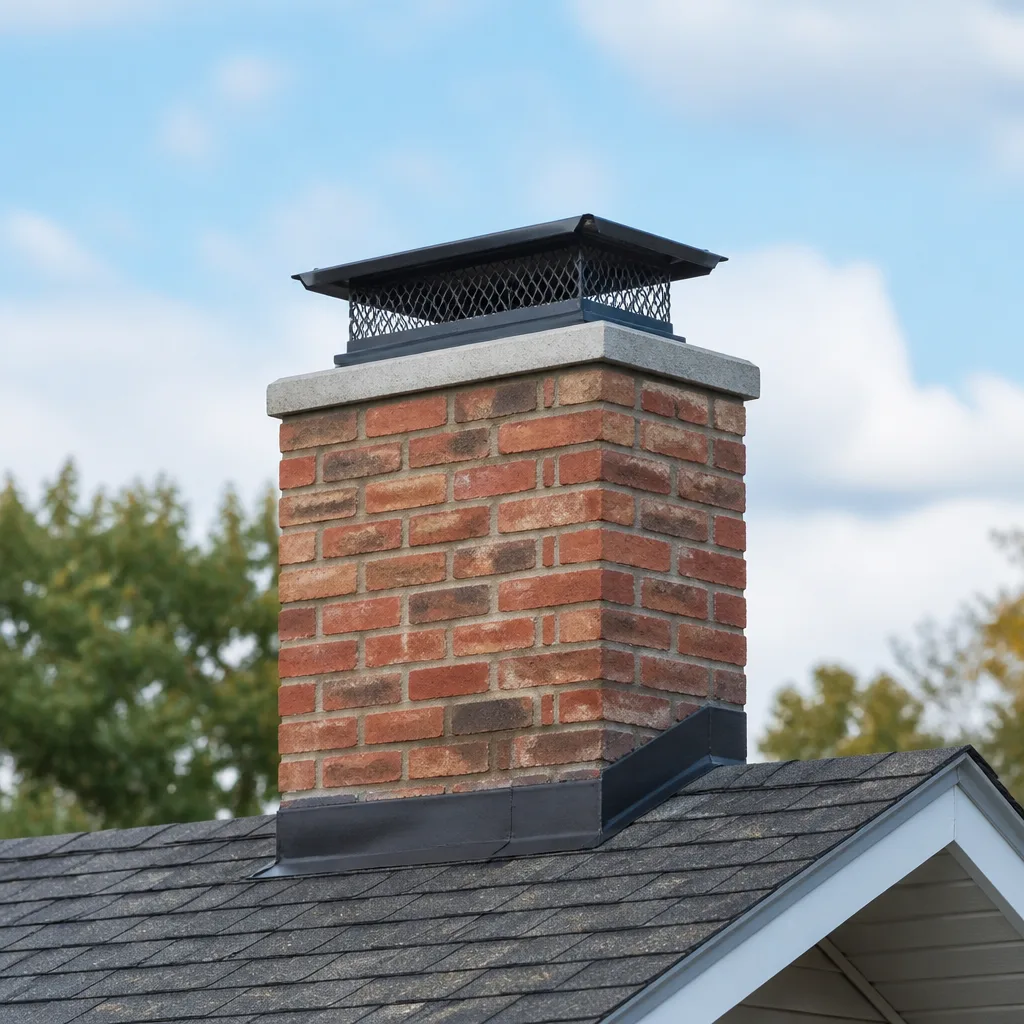 Caps & crowns
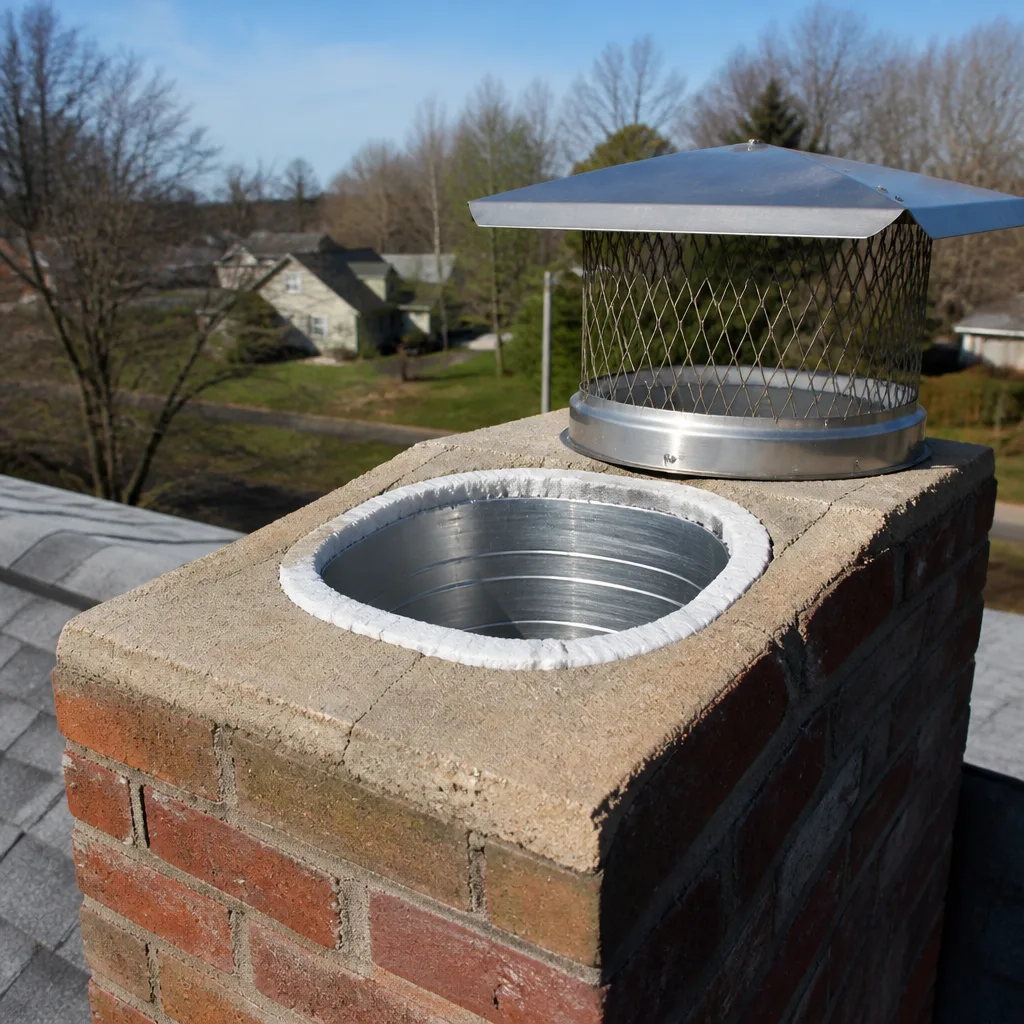 Flue relining
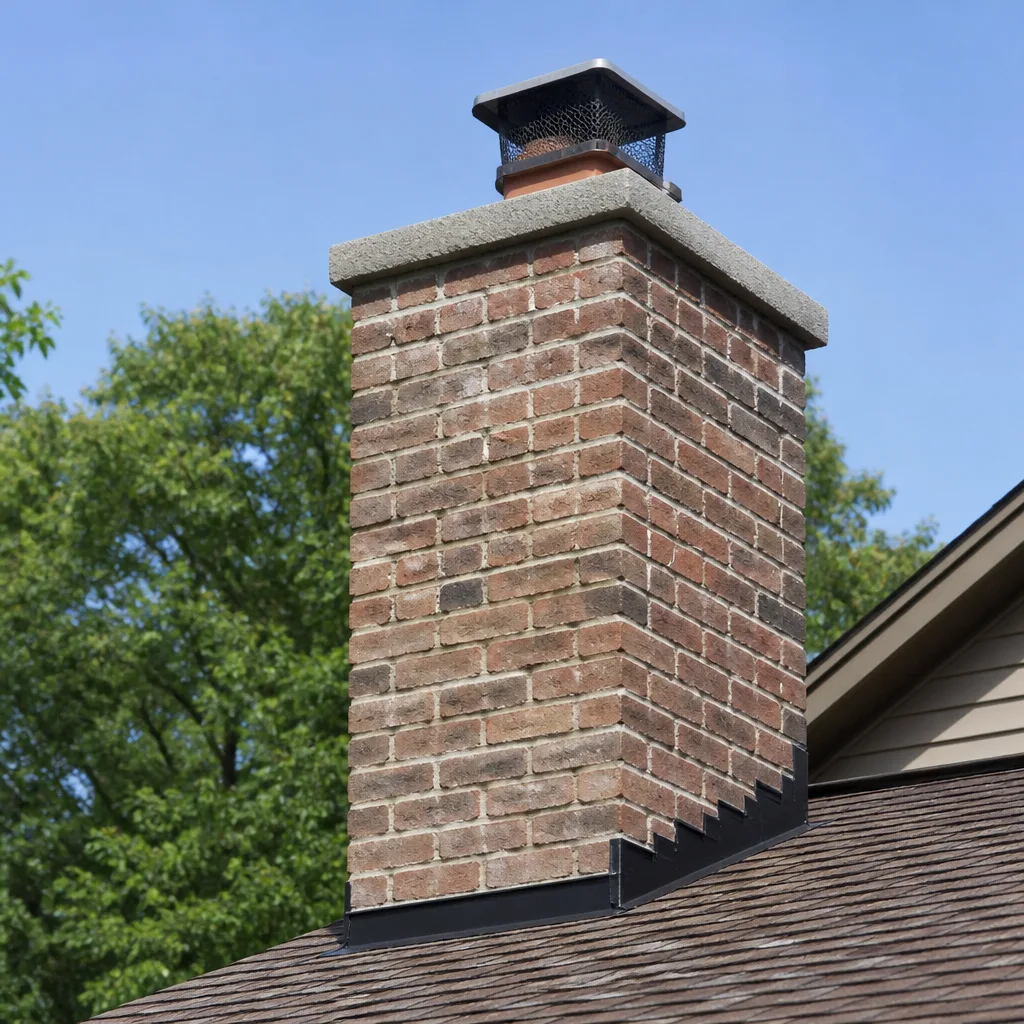 Masonry repair
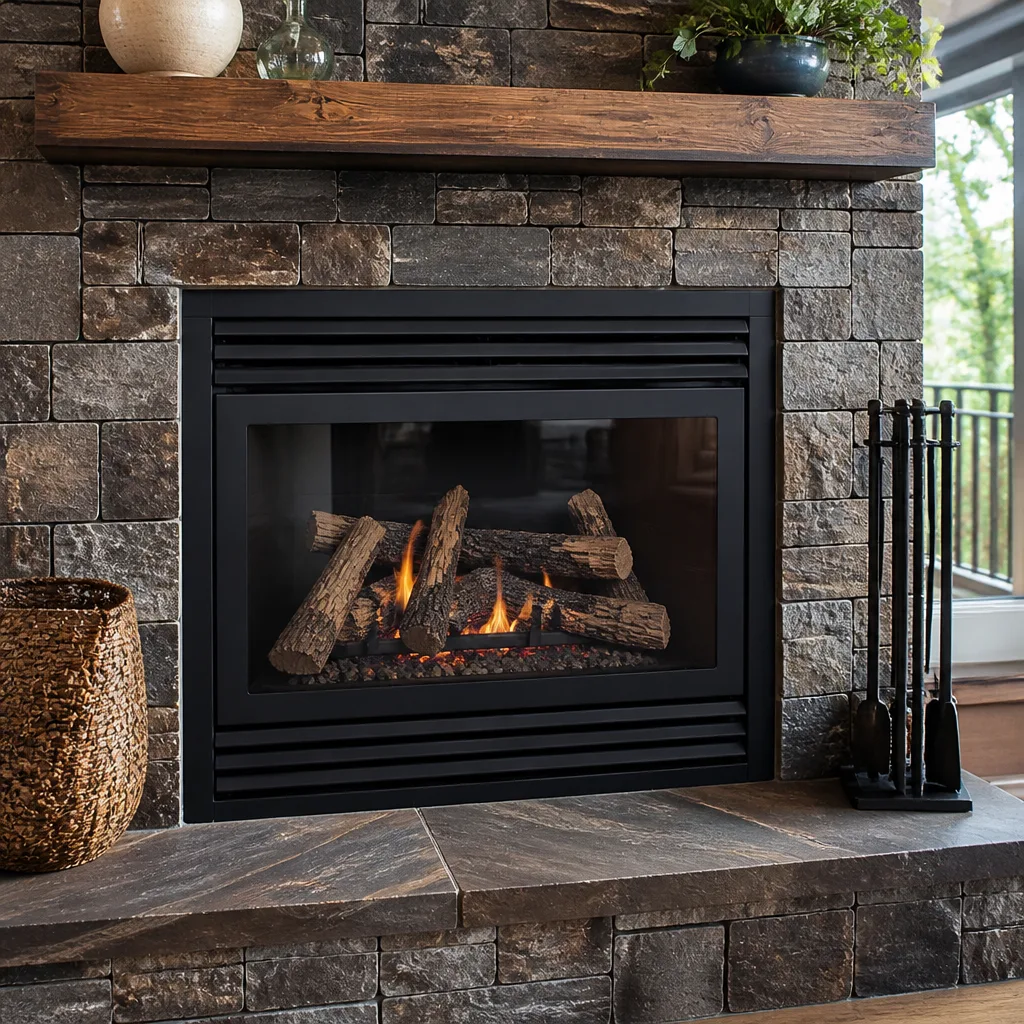 Gas fireplace service
Level 1 sweep and inspection to the NFPA 211 annual standard - flue, crown, cap, and flashing checked and photographed
Chimney sweep logs do not sweep chimneys. They loosen some creosote - which then falls where a brush and vacuum still have to collect it.
How to Hire a Chimney Cleaning Contractor in Phoenix: A Step-by-Step Guide
The most common mistake Phoenix homeowners make when hiring a chimney professional is the one that feels the most responsible: they collect three quotes, compare the numbers, and pick the lowest one. That process only works if all three contractors are actually qualified to be on your roof. In Phoenix, a lot of them aren’t. The market here has a thin bench of contractors who truly understand combustion byproducts, flue structure, and the liability that comes with a system handling fire and exhaust, and a much larger pool of handyman services that added chimney cleaning to their menu without the training or the equipment to do it correctly. This guide gives you a concrete vetting process so you can tell the difference before anyone climbs a ladder.
Quick Answer
To hire a chimney cleaning contractor in Phoenix, confirm the company holds current CSIA certification through the Chimney Safety Institute of America’s public database, ask exactly what equipment they bring (an industrial HEPA vacuum, rotary or manual flue tools, drop cloths), and require a written estimate that names the inspection level, the repair scope, the materials brand, and any warranty. A contractor who quotes you a price before asking about your fireplace type, fuel type, and last service date has not done enough to know what your job involves.
Styles & brands we work with
- Sweep & inspection
- Caps & crowns
- Flue relining
- Masonry repair
- Gas fireplace service
Table of Contents
- What Does CSIA Certification Actually Mean?
- How Do You Verify a Contractor Before You Book?
- The Equipment Questions That Separate Pros From Handymen
- Phoenix Red Flags: Quotes That Skip the Basics
- How to Read a Written Chimney Estimate
- What a Legitimate Post-Cleaning Report Should Include
- Repair Versus Reline: What to Ask When Work Is Recommended
- The Day-of Checklist: What to Watch For
What Does CSIA Certification Actually Mean?
CSIA certification is the minimum bar for a chimney contractor in Phoenix, not a bonus credential. The Chimney Safety Institute of America is the industry’s credentialing body, and its certification is the one that tells you a person has been tested on how chimneys actually work: how combustion byproducts move through a flue, how a flue’s sizing and condition affect draft, what structural problems develop in masonry and prefabricated systems, and what the liability picture looks like when something goes wrong. It’s a knowledge standard, and it’s specific to this trade.
What it isn’t: a marketing sticker. Any company can print “certified” on a truck. The difference is whether the certification is current and can be looked up. The CSIA maintains a public database of certified chimney sweeps, and it’s free to search. You enter the company or the technician’s name and the database tells you whether the credential is active. That five-minute check eliminates a large share of the contractors you’ll find advertising chimney service in Phoenix.
Two things to understand about how the credential works:
- It’s held by a person, not a company. Ask which technician will be on site and whether that person is CSIA-certified. A company that advertises certification but sends an uncertified helper for the actual sweep is not delivering what you booked.
- It can lapse. The CSIA requires continuing education to maintain certification. A contractor who was certified years ago and never renewed isn’t certified now, and the database will show it.
In a market like Phoenix, where the qualified pool is genuinely small, certification is the fastest filter you have. It doesn’t tell you everything about a contractor’s workmanship, but it tells you the person on your roof has been held to a standard that handymen adding chimney cleaning to a menu have not.
How Do You Verify a Contractor Before You Book?
Verification takes maybe fifteen minutes and it’s the most valuable fifteen minutes in this whole process. Work through these steps in order. If a contractor fails any of them, you’re done.
- Search the CSIA public database for the company name and for the individual technician’s name. Confirm the certification is current, not just present. Write down who you verified so you can confirm it’s the same person who shows up.
- Confirm the business is licensed and insured in Arizona, and ask for the certificate of insurance to be sent to you directly. General liability matters here because chimney work happens on roofs and inside flues, and a contractor without coverage shifts the risk onto you if something gets damaged or someone gets hurt.
- Ask what else they do. A company that sweeps, repairs, and handles dryer vent clearing has depth. A company that sweeps and does “handyman work” is telling you chimney service is a side job.
- Ask about their materials. A legitimate repair contractor will name the brands they specify, because professional materials are a point of pride and a quality signal. If they can’t tell you what a liner is made of or who manufactures it, they’re not doing this work often enough to have a standard.
- Get a written estimate before anyone books a date. Not a phone quote. A written estimate that names the scope of inspection, the cleaning approach, and any repair recommendation with materials and warranty spelled out.
- Read the estimate for what’s missing. More on this below, but the short version: a price with no scope is a number, not an estimate.
If you’re comparing a full-service company against a handyman, this process tends to make the decision on its own. A contractor who can answer all six steps without hesitation is a different animal from one who has to call you back about the insurance question.
The Equipment Questions That Separate Pros From Handymen
Ask what they bring. The answer tells you almost everything. Chimney cleaning produces a serious volume of fine soot and creosote, and how a contractor contains that material determines what your living room looks like afterward and how much of the flue actually gets cleaned.
Industrial HEPA vacuums, not shop vacs. A shop vac will move soot around your home rather than out of it; its filter isn’t designed for particles that fine. Professional chimney work is built around a HEPA-rated vacuum that captures the dust at the source. Ask the question directly: “What vacuum do you run?” You’re listening for an industry-grade unit and a negative-pressure setup at the fireplace opening, not a plastic tub vac with a hose.
Rotary systems and manual brushes, chosen by flue condition. A flexible rotary system with the right head does a different job than a hand brush on a rod, and a competent contractor uses both depending on what the flue looks like. Manual brushing suits a flue in decent condition. A glazed or heavily fouled flue, or a flue with an irregular liner surface, may call for a rotary approach, and the decision should be made after the contractor looks at the flue, not before.
Cameras. A chimney inspection done right involves actually looking at the flue interior, not guessing from the firebox. A camera lets the technician see cracks, gaps, and joint separation in a liner that a flashlight from below cannot show. Ask whether the inspection includes a camera and whether you’ll be shown the footage or photos.
Drop cloths and containment. Boring, and it matters. Ask how they protect the floor and the hearth area before they start.
None of this is about gadgetry. It’s about whether the person on your roof is equipped to do the job without making a mess or missing a problem. Equipment questions are the fastest way to find out. A chimney sweep running this equipment is a different service than a handyman running a shop vac.
Phoenix Red Flags: Quotes That Skip the Basics
The most telling red flag in the Phoenix market is a contractor who quotes a chimney cleaning price without asking a single question. Before anyone can know what your job involves, they need to know:
- What type of fireplace or appliance you have. A masonry fireplace, a factory-built unit, a wood stove insert, and a gas appliance all need different cleaning approaches and different inspection attention. A contractor who doesn’t ask doesn’t know which one they’re pricing.
- What you burn. Wood, gas, or pellets change the type of deposit in the flue and the cleaning method required. Gas appliances in particular produce a different deposit profile than wood, and a contractor who treats them the same isn’t paying attention.
- When it was last serviced. A flue that hasn’t been touched in years carries more material and a higher chance of a problem than one cleaned recently. The service history shapes the scope.
- Whether there’s a dryer vent involved. A company that handles both chimney and dryer vent cleaning can look at the whole venting picture at once, and dryer vents are a fire risk in their own right. Ask whether the contractor handles both.
Other Phoenix red flags worth writing down:
- A price so low it doesn’t cover the labor of a proper sweep. It’s usually a setup for an upsell once they’re on the roof.
- Immediate repair recommendations delivered without any camera evidence. Never accept this, from anyone.
- No physical address or a P.O. box only.
- Pressure to book today, or a discount that expires if you don’t.
- Reluctance to put anything in writing.
The pattern to watch for is a contractor who wants to be paid for a number rather than an assessment. The right one wants to look first.
How to Read a Written Chimney Estimate
A written estimate is only useful if it tells you what’s being done, how, with what, and what happens if something goes wrong. Here’s what a complete estimate includes, and what a thin one leaves out.
What a complete estimate names
- Scope of inspection. Chimney inspections are categorized by depth: a basic visual check, a more thorough accessible inspection, and a full inspection that may require access to concealed areas. The estimate should state which level you’re getting and what it covers.
- Scope of cleaning. Which flue or flues, which appliance, and whether any accessories (caps, dampers) are included in the work.
- Repair recommendation and reason. If repair is recommended, the estimate should say what the problem is, where in the flue it is, and what the repair involves. If it can’t be stated that specifically, the inspection isn’t finished.
- Materials brand and type. For liner and repair work, name-brand materials are a quality signal. We specify DuraFlex for flexible relining and HeatShield for flue resurfacing because those are the lines professional chimney contractors specify, not what’s sitting on the shelf at a hardware store. An estimate that says “liner” without a brand is asking you to trust a claim you can’t check.
- Warranty on repairs. Chimney repair work can carry a workmanship warranty. Ask for the terms in writing, including what it covers and for how long.
- Payment terms and schedule. When payment is due, whether a deposit is required, and how the work is sequenced.
What a thin estimate leaves out
A quote that’s just a dollar figure, or a figure with one line like “chimney cleaning,” is not an estimate. It gives you nothing to hold anyone to. The same applies to any estimate that bundles a repair recommendation into the price without explaining what the repair addresses. In our experience, an estimate that’s vague about scope is vague for a reason. Ask for the missing pieces before you sign anything, and treat resistance as an answer.
What a Legitimate Post-Cleaning Report Should Include
A sweep without documentation is a service you have to take on trust. That’s not acceptable on a system where the stakes are a flue fire or carbon monoxide, and it’s not a lot to ask of a professional. A proper report should include:
- The date of service and the technician’s name. Basic, and it matters for your records.
- The appliance and flue inspected. So you know exactly what was looked at.
- The inspection level performed. Matching the scope in the estimate.
- Condition findings in plain language. Any cracks, gaps, joint separation, or creosote accumulation, described with location (which flue, what area) rather than a vague “flue looked okay.”
- Photographs or video of the flue interior. This is the heart of it. A camera record lets you see what the technician saw and make your own judgment. You should not have to accept a repair recommendation on faith.
- An honest note on what can wait. Good chimney work includes telling customers when something does not need attention right now. If the report recommends no repair, that’s a legitimate outcome and it should say so plainly.
- A written record of any recommended repairs, with the reason.
Ask for this report before booking. A contractor who documents every job will tell you so without hesitation. One who treats the report as an inconvenience is telling you something about how they handle the work.
Repair Versus Reline: What to Ask When Work Is Recommended
This is the moment the vetting process pays off. When a contractor recommends expensive work, you need to know whether the recommendation is the minimum needed or the maximum allowed. The right question is simple: “Can you show me the evidence?” Then ask whether a less invasive repair is possible.
On a damaged liner, the options are usually resurfacing or full relining. HeatShield resurfacing can restore a damaged flue without the cost of a full replacement when the damage qualifies, while a full flexible liner installation (we work with DuraFlex systems) is the right answer when the flue can’t be resurfaced. A contractor who can do both can tell you honestly which you need. A contractor who can only sweep will recommend neither, and a contractor who only installs liners will recommend a liner. Ask what the company is qualified to do, and whether the recommendation would change if it were. Only when the recommendation matches the evidence and the contractor’s actual capability should you feel confident in it.
This is also where the material question comes back. A liner is a long-term component of your chimney, and the brand behind it matters. Professional-grade materials behave differently over the years than the cheapest available option. Ask what’s going in, who makes it, and what warranty comes with the installation.
The Day-of Checklist: What to Watch For
You’ve vetted the contractor. Here’s what to confirm on the day of service:
- Is the technician the person you verified? If a different person shows up, ask whether they’re CSIA-certified before the work starts.
- Does the equipment match what you were told? HEPA vacuum, drop cloths, containment.
- Does the inspection include the camera? If not, ask why, given what was in the estimate.
- Are you asked about the fireplace before work begins? Type, fuel, last service, any known issues.
- Do you receive the report with photos? Before payment, ideally. Ask.
- If repair is recommended, did you get the evidence and the reasoning?
None of these are unreasonable asks. They’re the standard a professional operates to.
Common Mistakes to Avoid
- Hiring on price alone. A low chimney cleaning quote usually covers less than a proper sweep, and it often comes with an upsell once the contractor is on the roof. Compare scope, not just the number.
- Accepting a repair recommendation without camera evidence. A liner or resurfacing job is a real expense, and you should be able to see what prompted it. If the contractor can’t show you the footage, don’t approve the work.
- Skipping the CSIA database check. It takes five minutes and eliminates a large share of the contractors marketing chimney service in Phoenix. Not searching is the most expensive shortcut in this process.
- Not asking about the equipment. No HEPA vacuum, no rotary or manual flue tools, no camera, no job. It’s that simple.
- Booking without a written estimate. A phone quote for a job nobody has looked at is a guess. Ask for the written scope before anyone schedules.
- Forgetting the dryer vent. Dryer vents accumulate lint and are a real fire risk. A company that handles chimney and dryer vent together can assess both at once, and ignoring one while cleaning the other leaves a gap in your home’s venting picture.
- Taking “it’s fine” as the whole report. A professional report has findings in it, whether or not any work is recommended. Ask for the documentation even when no repair is suggested.
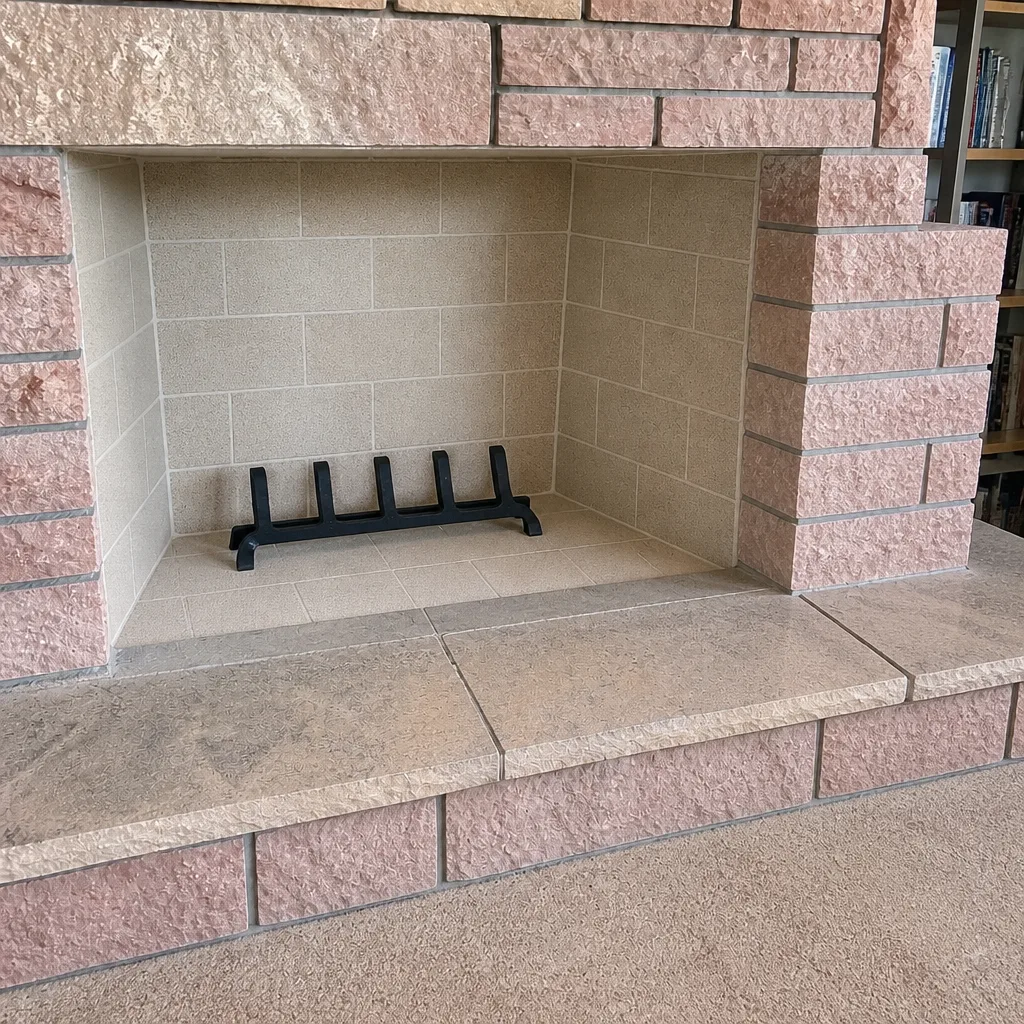
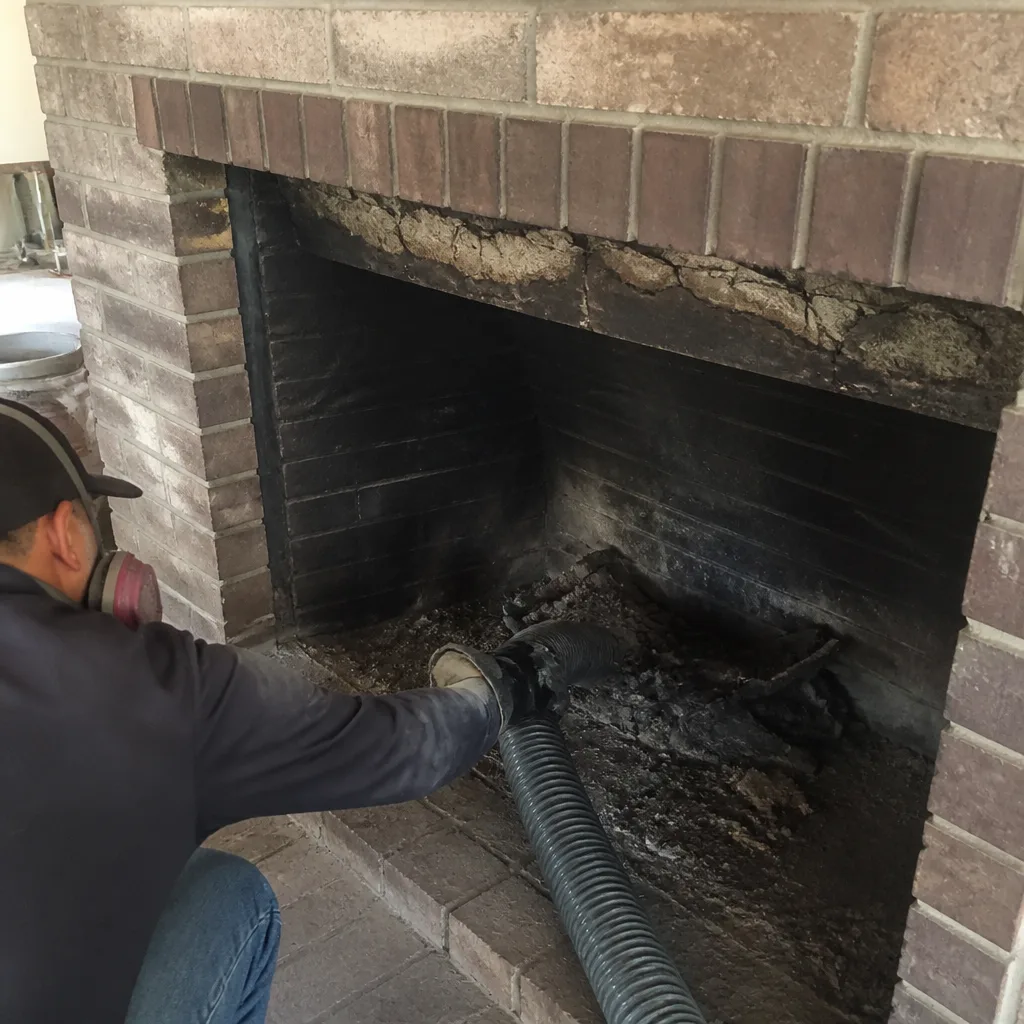
See the difference
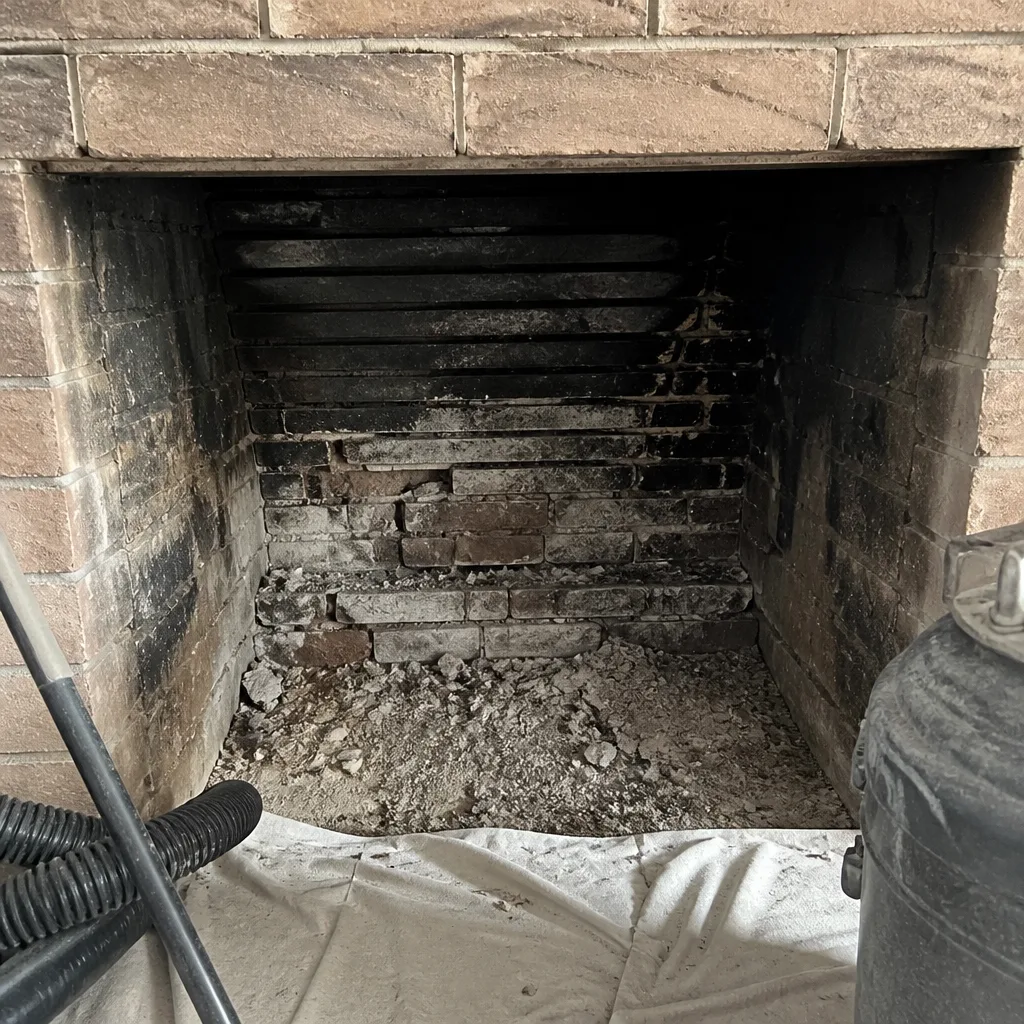 Before
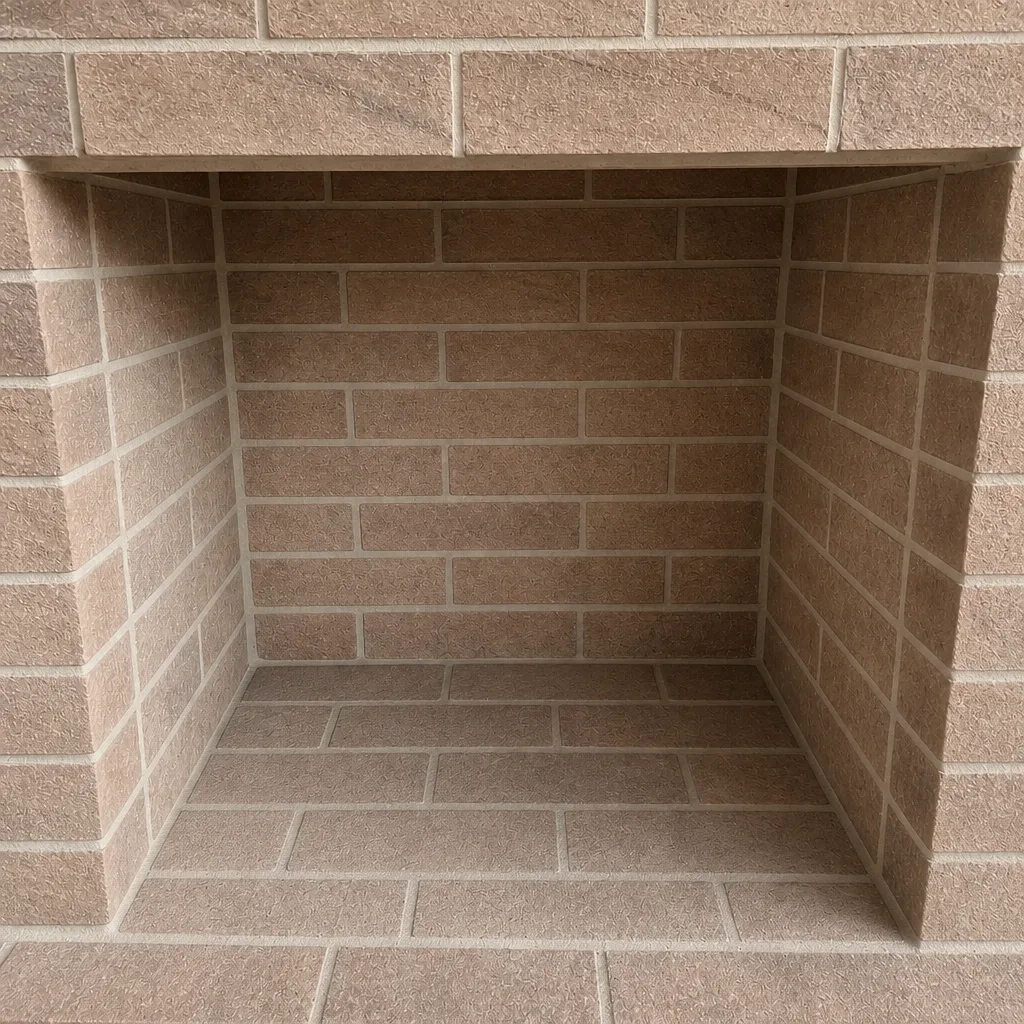 After
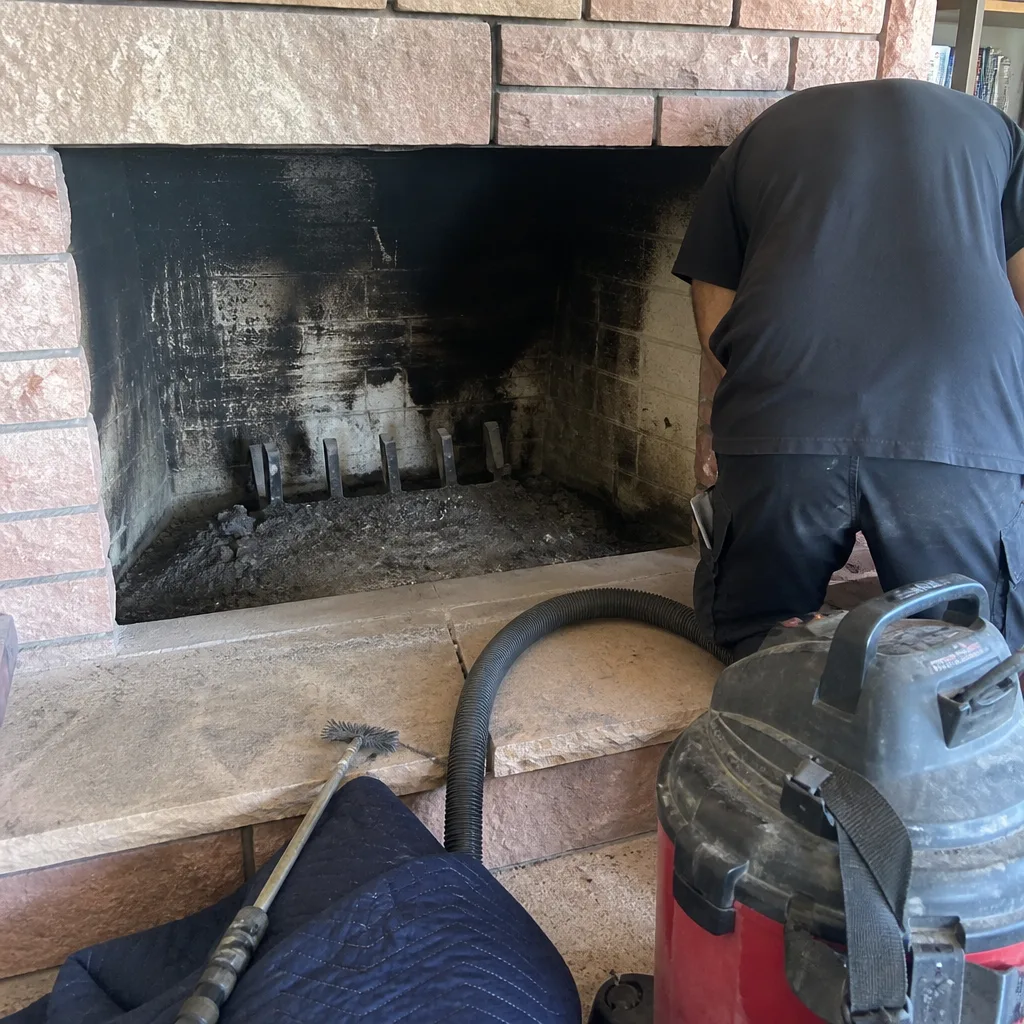 Before
 After
 Before
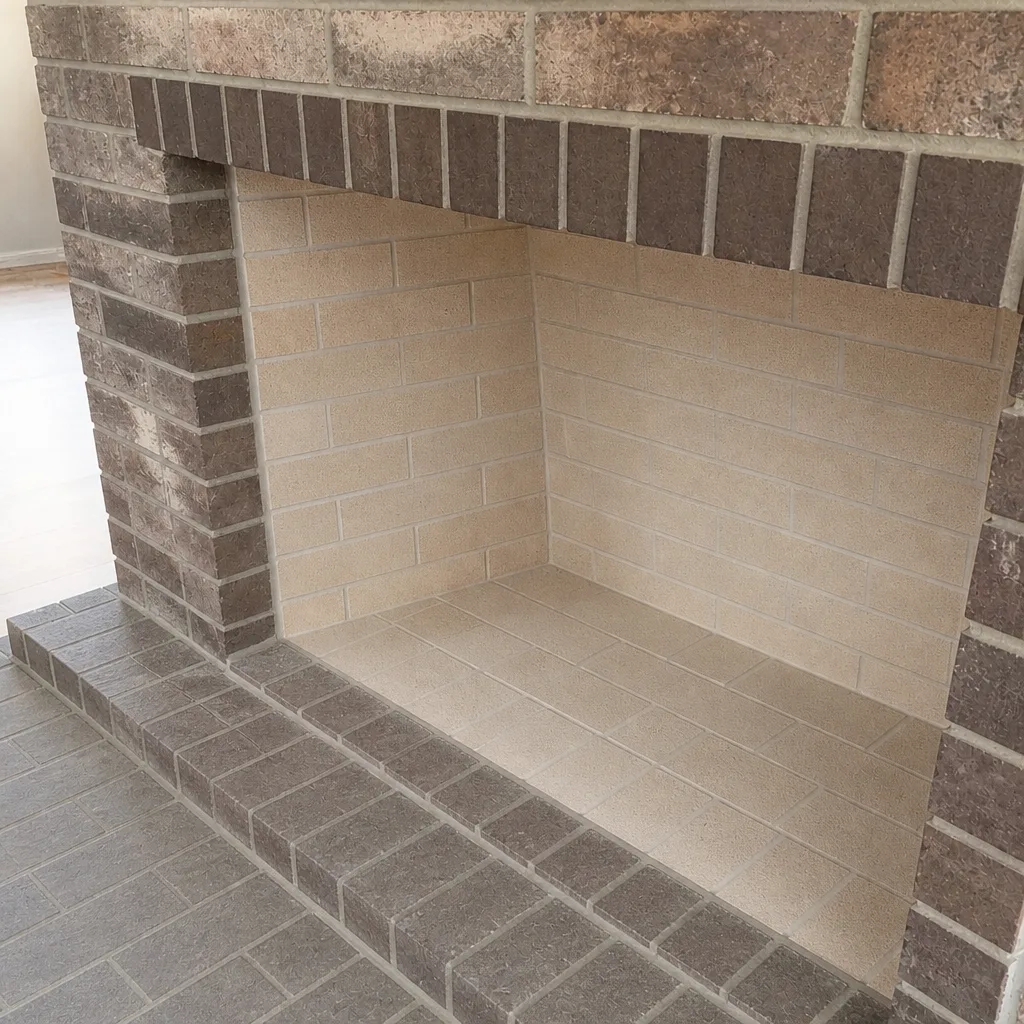 After
When to Call a Professional
Call a qualified professional whenever the issue is more than cosmetic, and do not get on the roof yourself. That includes: a flue that hasn’t been cleaned recently, any change in how your fireplace draws (smoke rolling into the room, a weak draft, or an unusual smell), visible damage to the masonry or liner from inside the firebox, a recommendation for repair you haven’t been able to verify, or a dryer that takes longer than it used to and produces more lint. Also call when you’re buying a home with a fireplace and need the system assessed before closing. Chimney and flue work involves heights, fire, and carbon monoxide; a CSIA-certified professional is the right tool for all three.
Phoenix Chimney Cleaning offers free estimates in Phoenix. We handle sweeping, repair, and dryer vent cleaning with professional-grade materials. Call (855) 360-8261.
Frequently Asked Questions
Search the CSIA’s public database online for the company name and the individual technician’s name, and confirm the certification is current, not expired. The database is free and takes a few minutes. Ask which technician will do the work when you book so you can verify the right person. Call (855) 360-8261 for an exact quote; estimates are free.
A complete estimate names the inspection level, the cleaning scope, any repair recommendation with its reason, the materials brand and type, the warranty on repairs, and the payment terms. An estimate that’s just a dollar figure with “chimney cleaning” on it gives you nothing to hold anyone to. Ask for the missing pieces before you book.
No. Chimney cleaning produces fine soot and creosote particles that a shop vac will move into your home rather than trap and remove. Professional work calls for an industrial HEPA vacuum with containment at the fireplace opening. Ask the contractor what vacuum they run before booking; the answer tells you a lot about the job you’re getting.
Frequency depends on how much you burn, what you burn, and the appliance type, so there’s no single correct interval for every Phoenix home. What’s consistent is that the flue should be inspected regularly and cleaned when the deposit level calls for it, and a contractor should be willing to say when it doesn’t. If you’re unsure, an inspection with camera evidence will tell you where you stand. Call (855) 360-8261 for an exact quote; estimates are free.
Because a camera is the only way to see inside the flue and confirm what’s actually wrong. A repair recommendation without evidence is a claim you can’t check, and a professional should be happy to show you what they saw. We include photos or video with the report on every job, so you can make the call on your own.
Resurfacing (we use HeatShield) restores a damaged flue interior without removing the existing liner, and it can be the right answer when the damage qualifies. Relining means installing a new flexible liner system (we work with DuraFlex) and is the right answer when the flue can’t be resurfaced. A contractor who can do both can tell you honestly which one you need. Call (855) 360-8261 for an exact quote; estimates are free.
The Bottom Line
Hiring a chimney contractor in Phoenix comes down to verification, not price comparison. Check the CSIA database and confirm the certification is current. Ask what equipment they bring and listen for an industrial HEPA vacuum, real flue tools, and a camera. Ask what they know about your fireplace before they quote you: type, fuel, service history. Require a written estimate that names the scope, the materials brand, and the warranty. And insist on a report with photos before you approve any repair, because you should be able to see the evidence yourself. The contractors who clear every one of those steps are a different tier from the ones who don’t, and it usually shows the moment you ask the first question.
Phoenix Chimney Cleaning offers free estimates in Phoenix and handles chimney sweeping, dryer vent cleaning, and chimney repair with professional-grade materials from brands like DuraFlex and HeatShield. If you’re ready to book, call (855) 360-8261. We answer 24/7. Fast dispatch from 7am to 7pm, Sunday through Friday. You can also read more about Phoenix Chimney Cleaning and our service across Phoenix.
Written by the team at Phoenix Chimney Cleaning, serving Phoenix since 2012.