
Last updated November 14, 2026
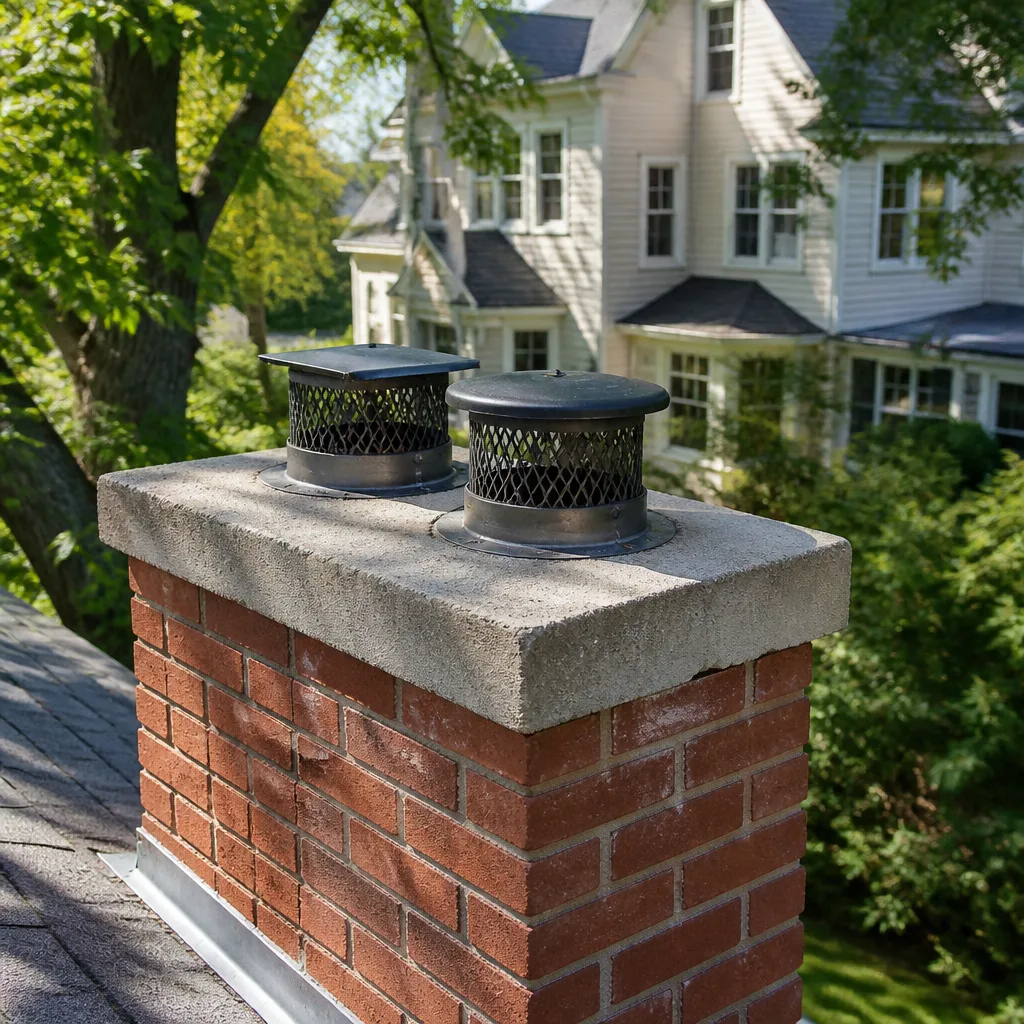 Sweep & inspection
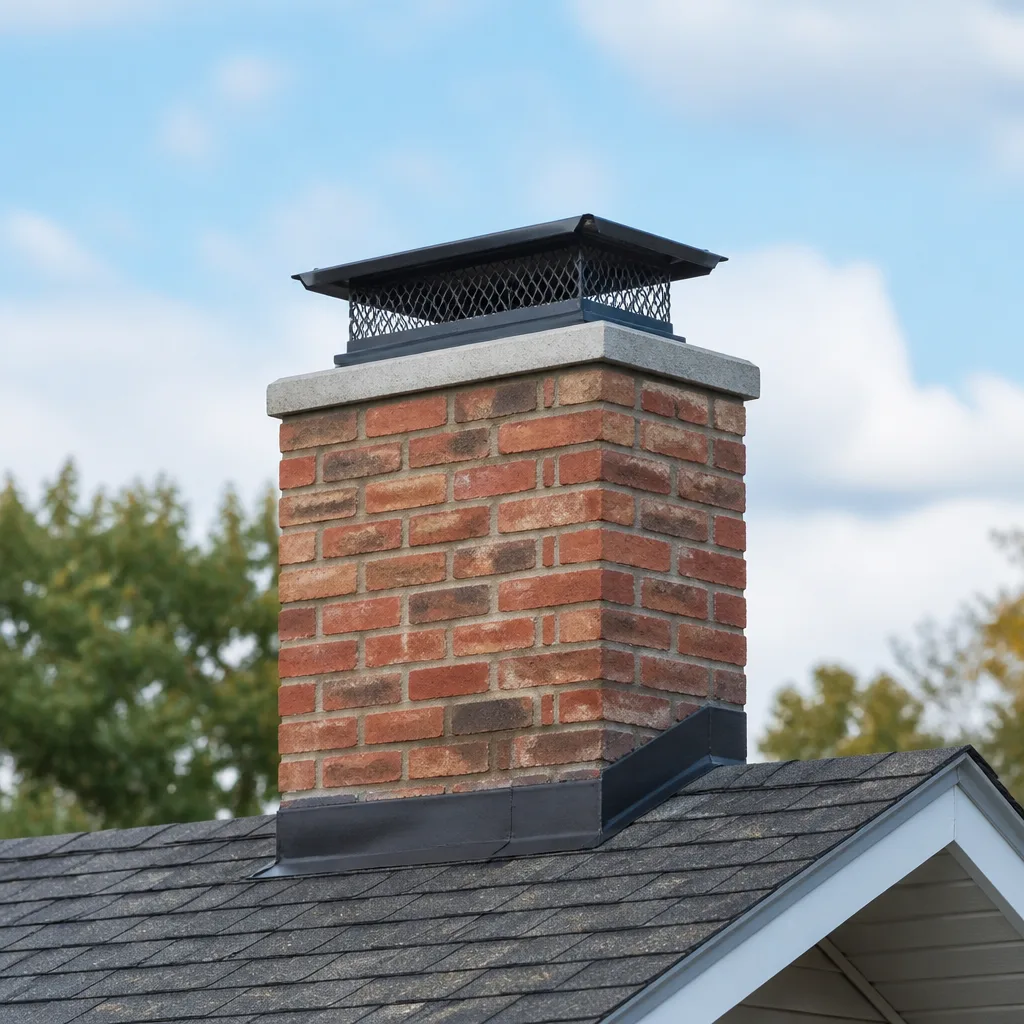 Caps & crowns
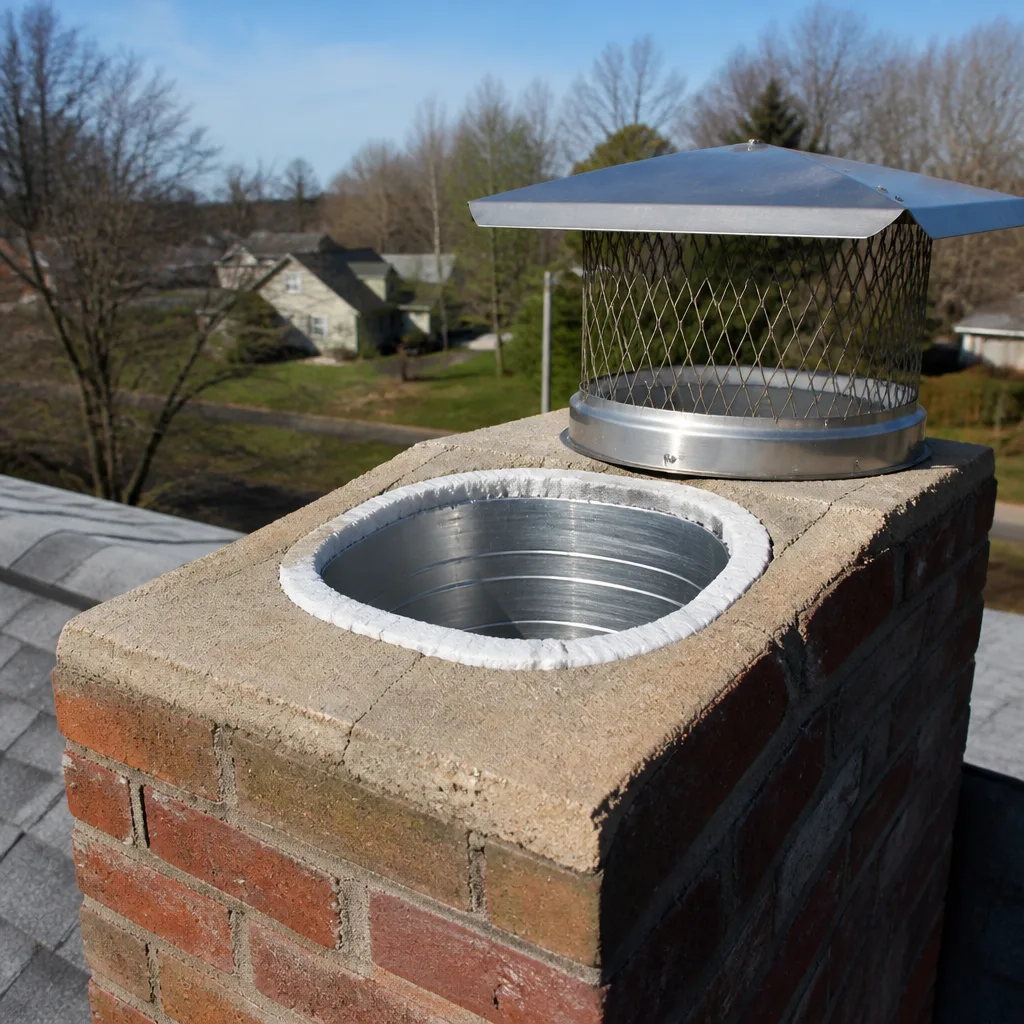 Flue relining
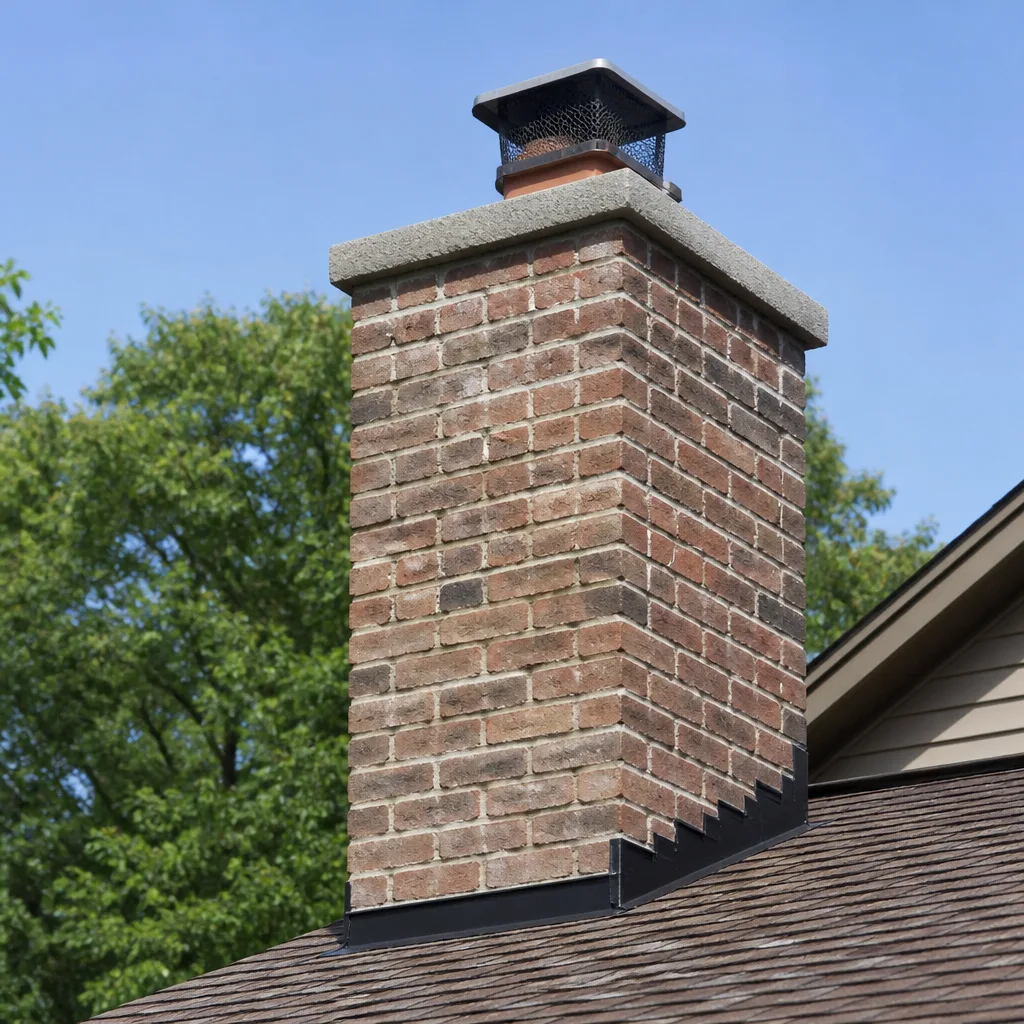 Masonry repair
 Gas fireplace service
Level 1 sweep and inspection to the NFPA 211 annual standard - flue, crown, cap, and flashing checked and photographed
Chimney sweep logs do not sweep chimneys. They loosen some creosote - which then falls where a brush and vacuum still have to collect it.
DIY vs Professional Chimney Cleaning: The Phoenix Homeowner’s Decision Guide
The chimney cleaning kits sold at hardware stores are built for one kind of flue: short, straight, and easy to reach from the roof. A surprising number of Phoenix homes don’t have that flue. In the ranch houses and late-century subdivisions across the Valley, we regularly find offset flues that jog sideways behind a wall, two-story chases with a bend you can’t see from above, and fireboxes that share a structure with a furnace or a dryer vent. Push a stiff poly brush through those and the brush goes where the rod points, not where the flue actually goes. That’s how a cleaning turns into a cracked tile or a dislodged joint. This guide walks through which Phoenix setups a careful homeowner can genuinely handle, which ones to leave alone, and why the inspection matters more than the brushing.
Quick Answer
Most Phoenix homeowners should not clean their own chimney. A careful DIYer with the right tools can safely handle a straight, single-story flue on a lightly used fireplace, but offset flues, two-story chases, and any chimney that hasn’t been inspected in years need a professional who can see the whole flue with a camera. The real risk in DIY chimney work isn’t the brushing. It’s skipping the inspection that finds a cracked tile or a failing liner before it becomes a fire or carbon monoxide problem.
Styles & brands we work with
- Sweep & inspection
- Caps & crowns
- Flue relining
- Masonry repair
- Gas fireplace service
Table of Contents
- The Two Phoenix Chimney Scenarios Where DIY Is Reasonable
- The Three Phoenix Situations Where DIY Is Not Safe
- What a Real DIY Chimney Cleaning Requires
- What the Retail Rod-and-Brush Kits Actually Give You
- Why the Inspection Is the Actual Point
- How DIY Chimney Work Affects a Homeowner’s Insurance Claim
- The Honest Time and Labor Cost of DIY in a Phoenix Ranch Home
- Creosote in a Desert Climate: What Actually Builds Up
The Two Phoenix Chimney Scenarios Where DIY Is Reasonable
DIY chimney cleaning is reasonable in exactly two situations. The first is a single-story home with a straight, vertically aligned flue you can see from the firebox all the way to the top. The second is a fireplace you use a handful of times each winter, burning dry, well-seasoned hardwood, where the buildup is light and visible. If both apply, a careful homeowner with proper tools can do a basic sweep without much risk.
Here’s why the fireplace use matters so much in Phoenix. Most Valley homes aren’t heating with wood the way a cold-climate house does. A fireplace here is often ambiance on a handful of cool evenings from December through February, not a primary heat source running every night from October to April. That lighter use means less creosote accumulation per season than a homeowner in a colder part of the country would see. A lightly used fireplace with a straight flue is the case where a homeowner’s basic sweep is genuinely low-risk.
That said, “low-risk” is not the same as “no-risk.” Even in a lightly used fireplace, you still want to confirm the flue is clear of obstructions and that the damper and smoke shelf are working. Birds and debris get into Phoenix chimneys more often than people expect. A quick visual check from the firebox up the flue, plus a look at the cap from the roof, tells you a lot. If anything looks wrong, cracked, or blocked, that’s where DIY ends.
The second scenario also assumes you can safely get on the roof. A single-story ranch home with an easy pitch and a stable roof is one thing. Anything taller, steeper, or harder to access is not. Safety on the roof is a big reason we get the calls we do, and it’s why the scope of what a homeowner should attempt stays narrow.
The Three Phoenix Situations Where DIY Is Not Safe
There are three chimney setups in Phoenix where DIY cleaning is not safe, and any one of them means calling a professional. The first is an offset flue, where the flue bends sideways behind a wall between the firebox and the top. The second is a multi-story chase, where you cannot reach or see the full run of the flue from either end. The third is a fireplace inside a home with an older masonry chimney that hasn’t been inspected in years. These three cover a huge share of the homes we see.
Start with the offset flue. A rod-and-brush kit assumes a straight vertical shaft. When the flue jogs sideways, the brush pushes into a wall you can’t see and grinds against the flue tile at an angle. It can break a tile, dislodge a joint, or wedge the brush so badly you can’t retrieve it. Professional chimney sweeps use flexible rods and camera inspection to follow the bend safely and confirm the whole run is clear.
Multi-story chases are the second problem. From the roof, you see the top. From the firebox, you see the bottom. The dangerous creosote and the failing liner joints live in the middle section you can’t see. A camera inspection is the only way to know what’s happening in a two-story flue, and no retail kit gives you that. This is the setup where skipping the professional look is most likely to hide a real problem.
The third case is the aging masonry chimney in an older Phoenix home. Tile liners crack over time, mortar joints erode, and the crown can develop gaps that let water in. Cleaning a flue with a compromised liner can push debris into those cracks and make things worse. If the liner is already failing, the honest fix might be resurfacing with HeatShield or a full reline with a DuraFlex system, and a brush alone won’t tell you which one you need.
One more thing worth saying plainly: a chimney that’s structurally sound but heavily sooted is often cheaper to have swept than to clean yourself badly. The risk stacks in the wrong direction. A trained professional spots trouble while standing on the roof, and we’d rather you get an honest assessment than find out after the fact that a $40 kit cracked a tile.
What a Real DIY Chimney Cleaning Requires
A genuine DIY chimney cleaning requires more than a brush and a ladder. At minimum: a correctly sized poly or wire flue brush matched to your flue dimensions, flexible fiberglass rods long enough to reach the full run, a heavy drop cloth and plastic sheeting to contain soot, a respirator rated for fine particulates, safety glasses, gloves, a bright work light, a shop vacuum, and a way to inspect the flue from both ends. Anything short of that makes the job more dangerous, not less.
- Brush matched to the flue. Too large and it wedges. Too small and it doesn’t contact the tile. There’s a right diameter for your flue and guessing is how damage happens.
- Flexible rods, not rigid ones. Flexible rods can follow a slight bend. Rigid rods force the brush into the wall on any offset.
- Respirator and eye protection. Soot and creosote dust are respiratory irritants. A paper mask isn’t the right protection.
- Drop cloths and containment. Cleaning a chimney without sealing the firebox makes a mess of the whole room. Fine ash dust travels.
- A bright light and a camera or mirror. You need to see the flue, not just brush it.
- Shop vacuum. Soot removal after the sweep is half the job.
- Safe roof access. A stable ladder, roof boots, and a plan for how you’ll get down. This is the part most homeowners underestimate.
Add it up and a proper DIY kit is a real expense, not the $30 to $60 people assume. The bigger issue is that most of what you’re buying is a single-use tool you’ll use once or twice a year at best. That math tends to favor calling a pro once a season, especially given the inspection that comes with a professional chimney sweep.
What the Retail Rod-and-Brush Kits Actually Give You
Retail rod-and-brush kits are designed for accessible, straight flues, and they’re built to a price. What they give you is a brush, a set of rods, and a rough sweep of a straight shaft. What they don’t give you is the flue sizing, the flexible rod geometry for an offset, the containment for soot, or any inspection capacity. The kit is a start, not a complete toolset.
The most common problem we see is sizing. A kit comes with one brush diameter, and if it doesn’t match your flue, you’re either leaving soot behind or forcing a brush into the tile. The second problem is the rods. On a short, straight run they work fine. On anything with a bend, they push the brush into the flue wall at an angle, which is how tiles crack and joints come loose. The third problem is that the kit can’t see. There’s no camera, no mirror, no way to know if the “clean” flue you just swept has a cracked tile behind the first bend.
The kind of professional-grade materials we use tell the story: Gelco brush heads are sized to the flue, and we use flexible rods that can follow a bend without grinding into the tile. That’s the equipment difference. The retail kit assumes a straight, accessible flue and stops there. Most Phoenix homes aren’t that flue.
This is why we tell homeowners to read the fine print on the kit. If the kit is rated only for “straight flues” or a specific diameter range, and your flue doesn’t match, it’s the wrong tool. A proper assessment doesn’t cost you anything and it saves you from a bad outcome. The estimate for a professional Phoenix Chimney Cleaning visit is free, and it comes with an honest read of whether your setup is DIY-appropriate at all.
Why the Inspection Is the Actual Point
The inspection is the actual point of chimney service, not the brushing. A brush removes soot and creosote from the flue you can reach; an inspection finds the cracked tile, the failing liner joint, the gap in the crown, and the obstruction you didn’t know was there. You can brush your own chimney and still miss every one of those. That gap is where house fires and carbon monoxide problems live.
A professional inspection covers the firebox, the damper, the smoke shelf, the full flue run, the crown, the cap, and the exterior of the chimney. It’s a top-to-bottom look, often with a camera, that a homeowner simply can’t replicate from the roof with a brush. The reason trained professionals find so many problems isn’t that they clean better. It’s that they look where you can’t see.
- Take the flue’s actual condition. Is the liner intact? Are there cracks, gaps, or voids?
- Check for buildup. Heavy creosote in a flue means something is wrong with draft or fuel, and it needs to be cleared safely.
- Look at the smoke path. Blockage in the flue or at the cap is a real fire and CO risk.
- Assess the structure. A cracked crown or a failing mortar joint lets water in and rot follows.
- Confirm the fix. Some problems are cleaning issues, some need HeatShield resurfacing, some need a DuraFlex reline. Knowing which is the difference between honest repair and throwing money at the wrong thing.
Our Phoenix team handles the full picture, not just the brush. We also run dryer vent cleaning for the same reason: venting safety is venting safety, whether it’s the flue or the dryer duct, and both are fire risks homeowners often underestimate.
How DIY Chimney Work Affects a Homeowner’s Insurance Claim
DIY chimney work can affect a homeowner’s insurance claim, and not in the way most people expect. Insurers don’t usually care that you swept your own chimney. They do care about the chain of neglect or improper work that leads to a fire. In a claim investigation, what matters is whether the chimney was properly maintained and whether work was done correctly. If a homeowner’s DIY brush job pushed a broken tile into the flue or dislodged a joint that later failed, that’s the kind of detail an adjuster looks at, and it can complicate a claim.
What insurers actually look at after a chimney-related loss usually comes down to a few things:
- Evidence of regular chimney maintenance. A record of professional inspections is the simplest defense.
- Whether the chimney was in known disrepair. A cracked liner documented but not fixed works against a claim.
- Who did any recent work. A professional invoice is easier to stand behind than a homeowner’s test brush.
- Whether the loss was preventable. Neglect of a known hazard is the problem case.
- Whether the chimney’s condition was consistent with the loss. The investigation looks for a reason the fire started where it did.
We’re not insurance adjusters and we don’t work for your insurer, but we can document the condition of your chimney and the work we do. That record matters. The honest take: the risk isn’t that DIY invalidates your policy. It’s that the same lack of an inspection that put you at risk also puts you in a weaker position after a claim. Work with your insurer’s requirements and keep your chimney records, and call us if you want the assessment that supports that.
The Honest Time and Labor Cost of DIY in a Phoenix Ranch Home
The honest time cost of DIY chimney cleaning in a 1,800 sq ft Phoenix ranch home is most of a day, start to finish. Getting the ladder and roof access set up, covering the firebox with drop cloths, sweeping the flue, bagging the soot, vacuuming the room, and cleaning the roof area afterward is more work than the YouTube tutorials suggest. Add the time to shop for a correctly sized brush and rods, and a weekend afternoon becomes most of a weekend. A professional job is measured in hours, not a day.
Here’s the fuller picture for a straight single-story flue:
- Setup. Ladder, drop cloths, plastic sheeting over the firebox and floors, respirator, lights. Twenty to forty minutes just to get protected.
- The sweep. The straight flue itself is a fraction of the time. Offsets and chases are where the clock runs.
- Cleanup. Soot gets everywhere. Vacuuming the room after a DIY sweep takes as long as the sweep.
- Roof work. Getting on and off the roof safely, twice, eats more of the day.
- The unknown. If you find a cracked tile or a blockage, you stop and call someone anyway.
The trade-off is straightforward. You save the service price but spend a day, a chunk of safety risk, and still end up without the inspection. A professional cleaning comes with the inspection included, which is where the real value sits. Pricing is per job by written estimate and set on the actual condition of your chimney, not a flat number. Call (855) 360-8261 for a free estimate and a straight answer on whether your setup is one you could safely do yourself.
Creosote in a Desert Climate: What Actually Builds Up
Creosote builds more slowly in a Phoenix fireplace than it does in a cold-climate home that heats with wood, but it builds all the same. Your fireplace burns less, so the accumulation is lighter per season. What changes is the risk profile: lighter buildup means fewer heavy creosote sweeps needed, and more of the real risk shifts to undetected liner damage from age and water intrusion. In a desert, chimney trouble tends to come from the structural side more than the soot side.
Phoenix winters are mild, and a fireplace here is usually not the main heat source. That means less long, slow, smoldering fires, which are the ones that lay down the most creosote. It also means fewer opportunities to spot smoke blowing back into the room, which is often the first sign of a draft or blockage problem. Fewer fires means fewer clues.
What we see more often in Phoenix is water intrusion damage. The crown cracks, the flashing loosens, the liner degrades, and the chimney looks fine from the living room. That’s why a chimney sweep here is as much an inspection as a cleaning. We look at the liner, the crown, the cap, and the firebox before we touch the flue. When the liner is damaged, HeatShield can resurface it in some cases, and a DuraFlex liner system can replace it when it can’t. The honest call between the two is part of what we do, and it’s the exact question DIY can’t answer.
We also stock professional-grade materials for repairs, not what’s sitting on the shelf at a big-box store. Gelco brushes, Olympia Chimney components, and Famco and Copperfield parts are what specialty contractors specify for this work, and using the right materials is part of why a chimney repair holds. We’ll tell you if your chimney needs repair, and we have the materials and training to do it correctly.
Common Mistakes to Avoid
- Skipping the inspection to “just brush it.” A brush only touches what it can reach. The cracked tile and the failing liner joint are behind the first bend, and a sweep without a look misses both.
- Using a kit on an offset flue. Phoenix has plenty of homes where the flue jogs behind a wall. A rigid rod pushes the brush into the tile at an angle, and that’s how tiles break.
- Ignoring the roof access risk. A single-story ranch is one thing. Getting on a two-story roof with a ladder to save a service fee puts a person at real risk of a fall.
- Not containing the soot. Cleaning a chimney without sealing the firebox coats the whole room in fine ash dust. It’s a much bigger cleanup than it looks.
- Assuming light use means no maintenance. A Phoenix fireplace used a dozen evenings a season still needs the flue checked, because the signs of trouble show up in fewer fires, not more.
- Treating a cracked liner as a cleaning issue. Cleaning a flue with a compromised liner can push debris into the cracks and make a bad problem worse. Stop and have it assessed.
- Forgetting the dryer vent. Many Phoenix homes have a dryer vent that hasn’t been looked at in years. It’s the same class of venting safety issue as the chimney, and it deserves the same attention.
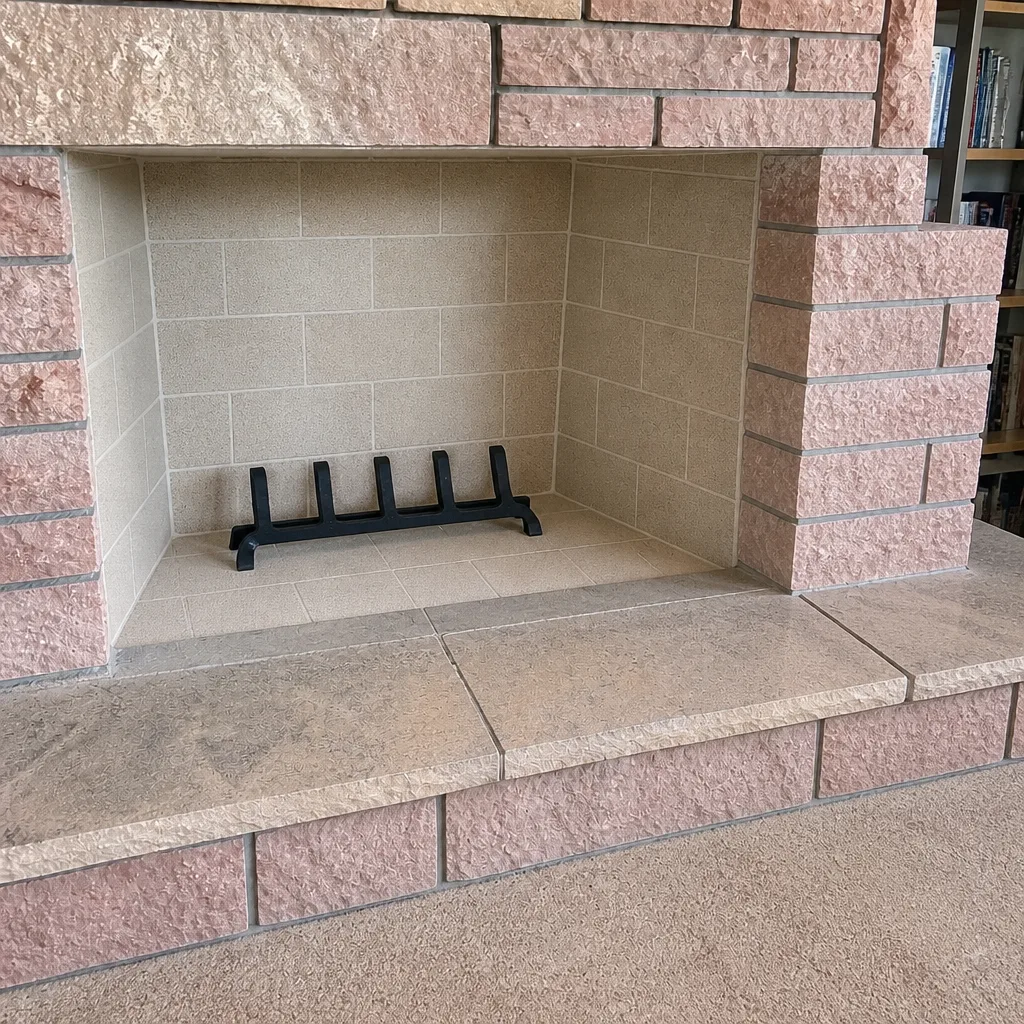
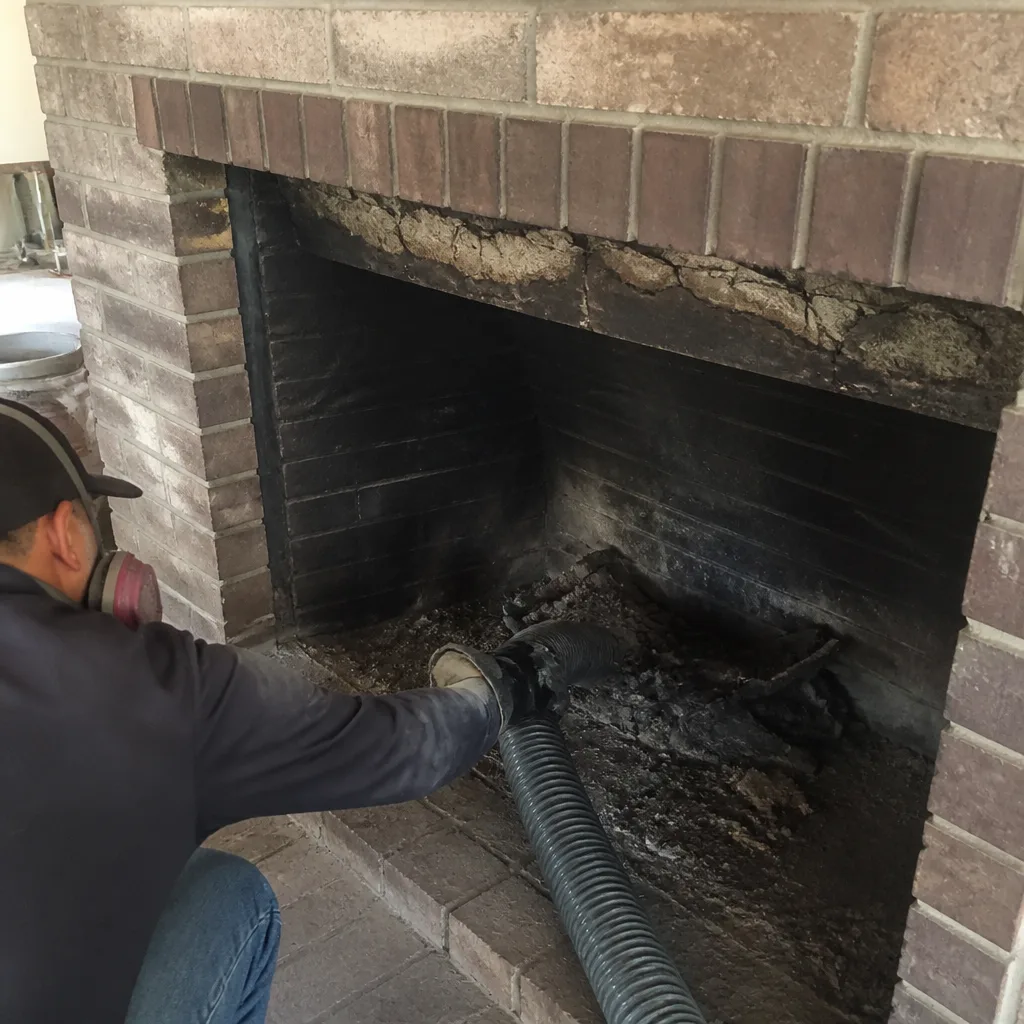
See the difference
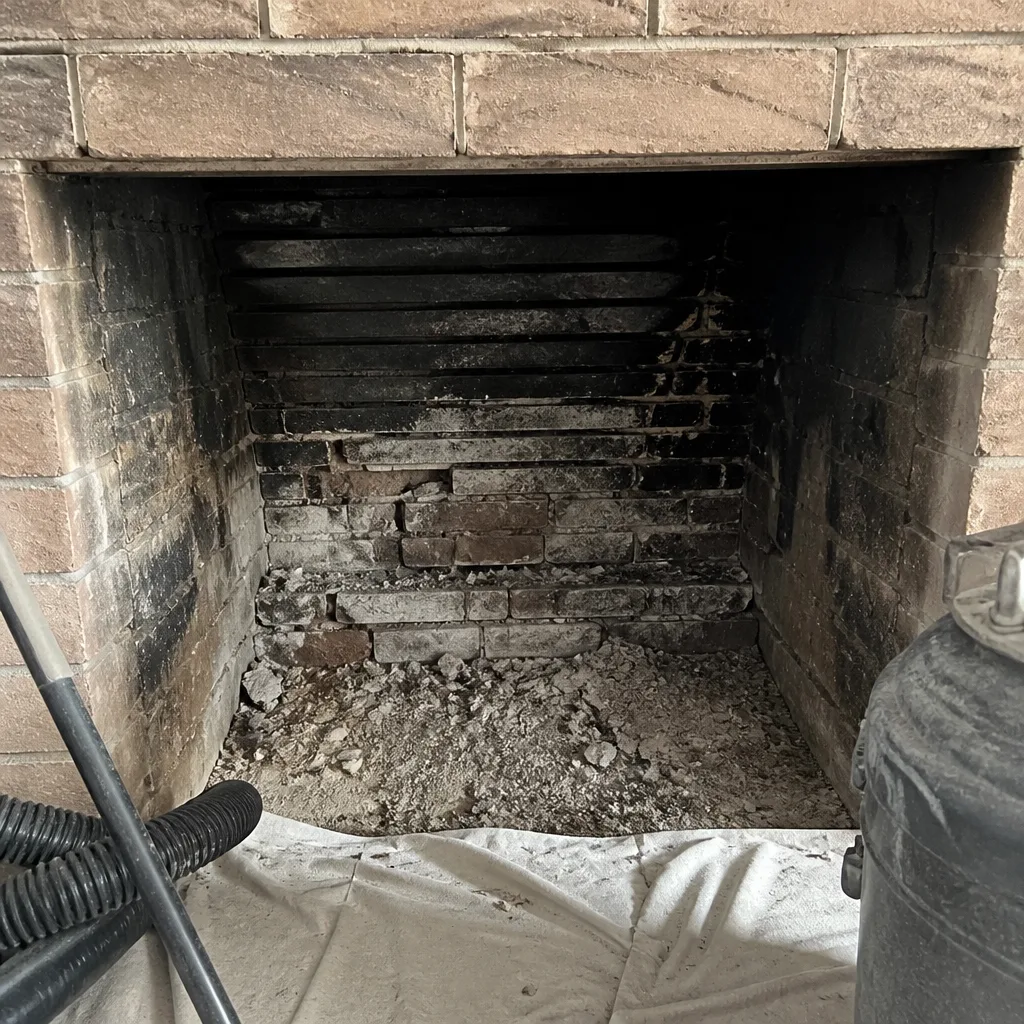 Before
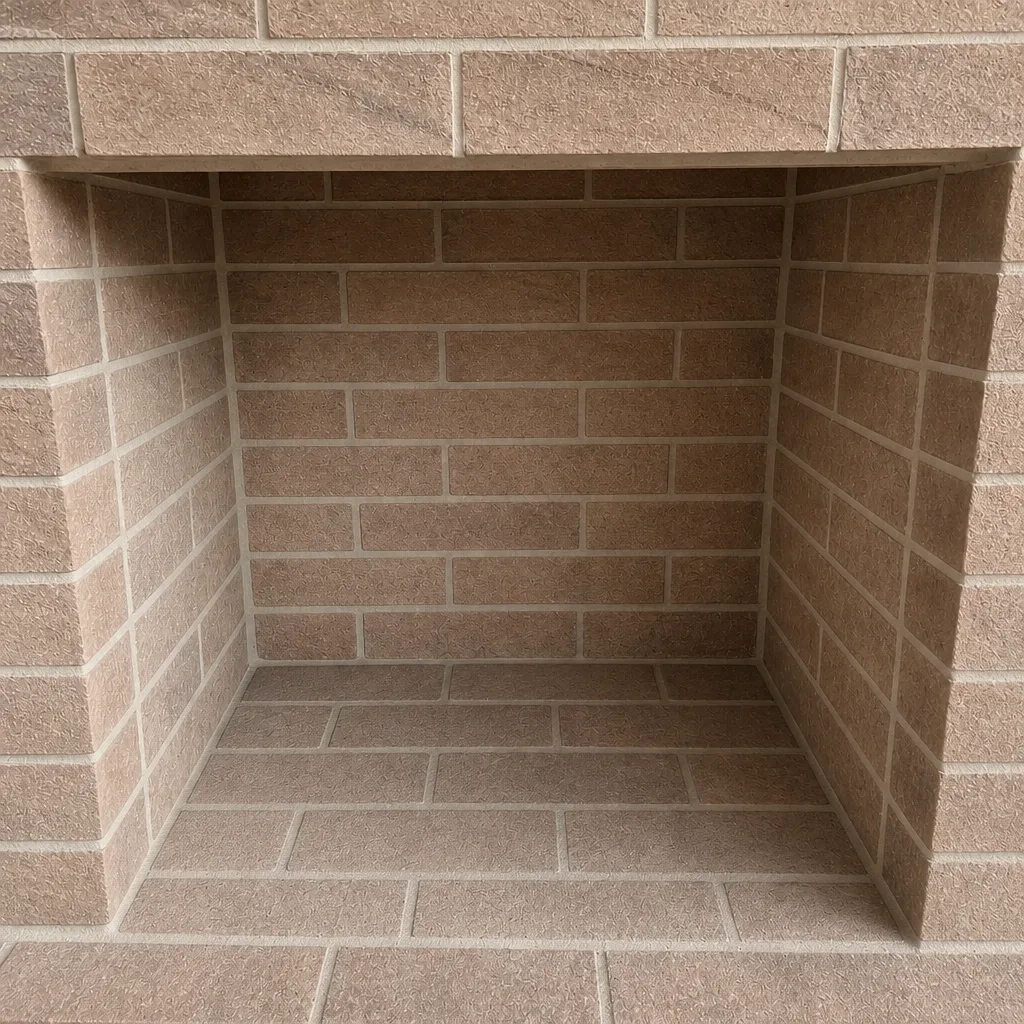 After
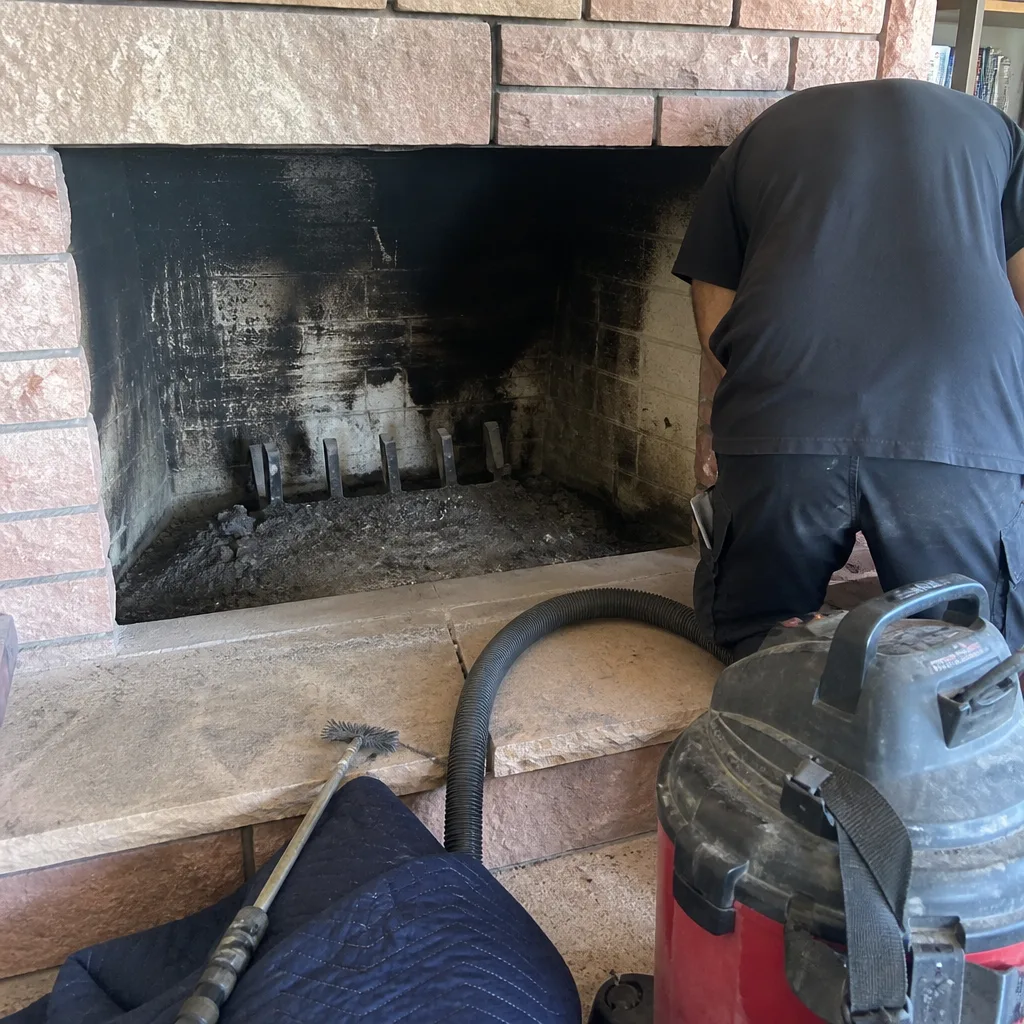 Before
 After
 Before
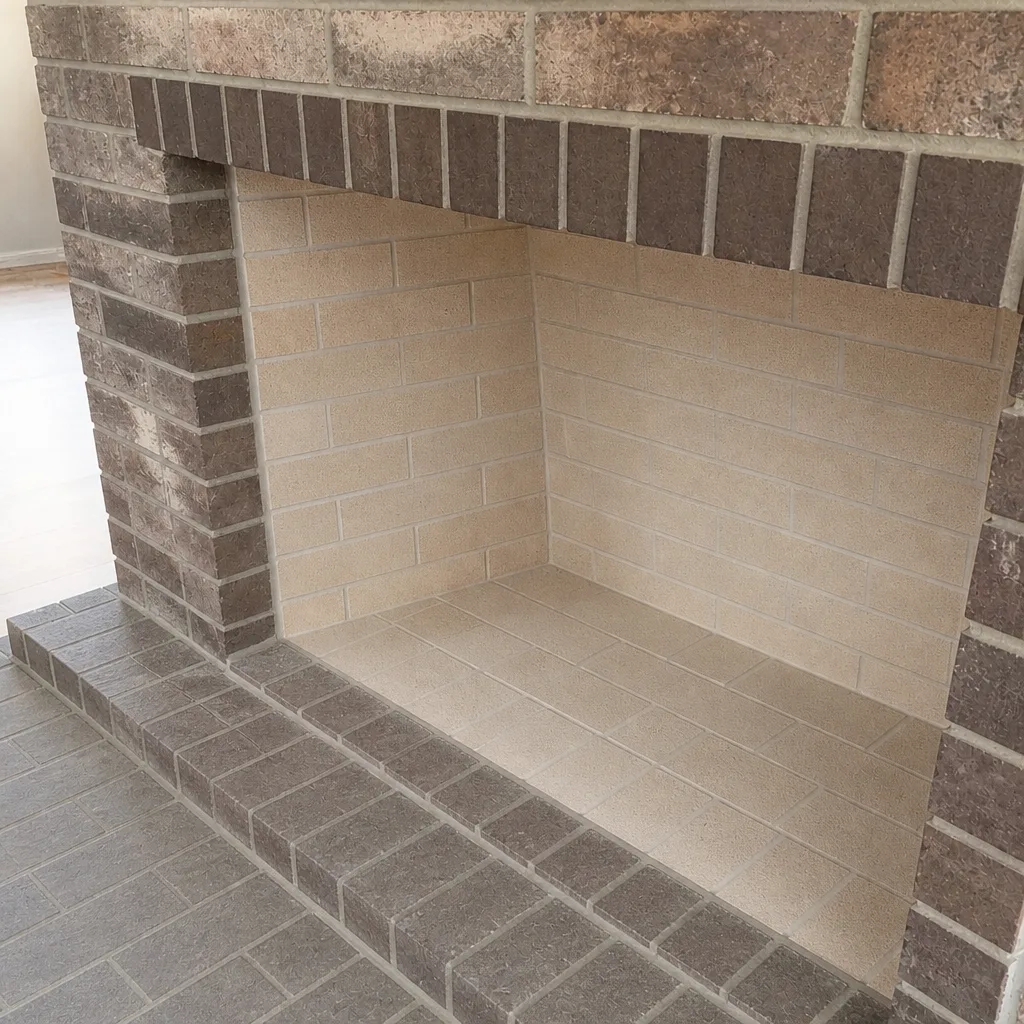 After
When to Call a Professional
Call a professional when your flue is anything other than straight and easy to reach, when you can’t see the full run from either end, or when the chimney hasn’t been inspected in several years. You should also call if you’ve had a chimney fire, if you smell smoke in the room when the fireplace is lit, or if you’re not sure whether your setup is a do-it-yourself case. Those are not failures of nerve. They’re the situations where a trained eye with a camera finds the problem a brush can’t.
Phoenix Chimney Cleaning offers free estimates in Phoenix. Call (855) 360-8261. We answer 24/7. Fast dispatch from 7am to 7pm, Sunday through Friday. We’ll tell you honestly whether your chimney is a DIY case, what it actually needs, and what it can safely wait on.
Frequently Asked Questions
You can safely clean your own chimney in Phoenix only if you have a straight, single-story flue on a lightly used fireplace and the right tools. Offset flues, multi-story chases, and aging masonry chimneys need a professional with a camera. If you don’t know which setup you have, that’s a sign to call (855) 360-8261 for a free estimate.
A Phoenix fireplace used a few times each winter should be inspected once a year, ideally before the fireplace season starts. The inspection matters more than the cleaning because the main risk here is undetected liner and crown damage, not heavy creosote. Call (855) 360-8261 to book an assessment before cold weather sets in.
Skipping chimney maintenance lets small problems turn into expensive ones: a cracked tile leads to a failing liner, a cracked crown lets water in, and a compromised flue becomes a fire and carbon monoxide risk. In Phoenix, the trouble is usually water intrusion and liner age more than soot buildup. Call (855) 360-8261 for a free estimate before a small problem becomes structural.
DIY cleaning itself doesn’t automatically affect a claim, but a lack of any inspection and improper work can complicate one after a fire. Insurers look for evidence of regular maintenance and whether a known problem was left unrepaired. Keep your records and call (855) 360-8261 if you want the condition documented properly.
A HeatShield resurface restores a damaged liner in place when the damage qualifies, and a full reline replaces it with a DuraFlex liner system when repair isn’t enough. The right choice depends on the condition of your flue, which only an inspection can determine. Call (855) 360-8261 and we’ll tell you honestly which one you need.
You have an offset flue if the flue bends sideways between the firebox and the top of the chimney, which you often can’t see from either end. It’s common enough in Phoenix subdivisions that we assume nothing until we look. Call (855) 360-8261 and we’ll inspect it with a camera.
The Bottom Line
DIY chimney cleaning is a real option in Phoenix, but for a narrower set of homes than the tutorials suggest. A straight, single-story flue on a lightly used fireplace is a reasonable case for a careful homeowner with proper tools. An offset flue, a two-story chase, or an aging masonry chimney is not. The brushing is only part of the job; the inspection is the part that actually protects your home from a chimney fire or carbon monoxide problem, and no retail kit gives you that. We’ve served Phoenix for 14 years, and our honest recommendation is simple: get the assessment, then decide. If your setup is one you could safely do yourself, we’ll tell you so. If it isn’t, we’ll explain why, in plain terms, and quote the work per job with a written estimate before anything starts.
Call (855) 360-8261 for a free estimate. We answer 24/7. Fast dispatch from 7am to 7pm, Sunday through Friday.
Written by the team at Phoenix Chimney Cleaning, serving Phoenix since 2012.