
Last updated November 14, 2026
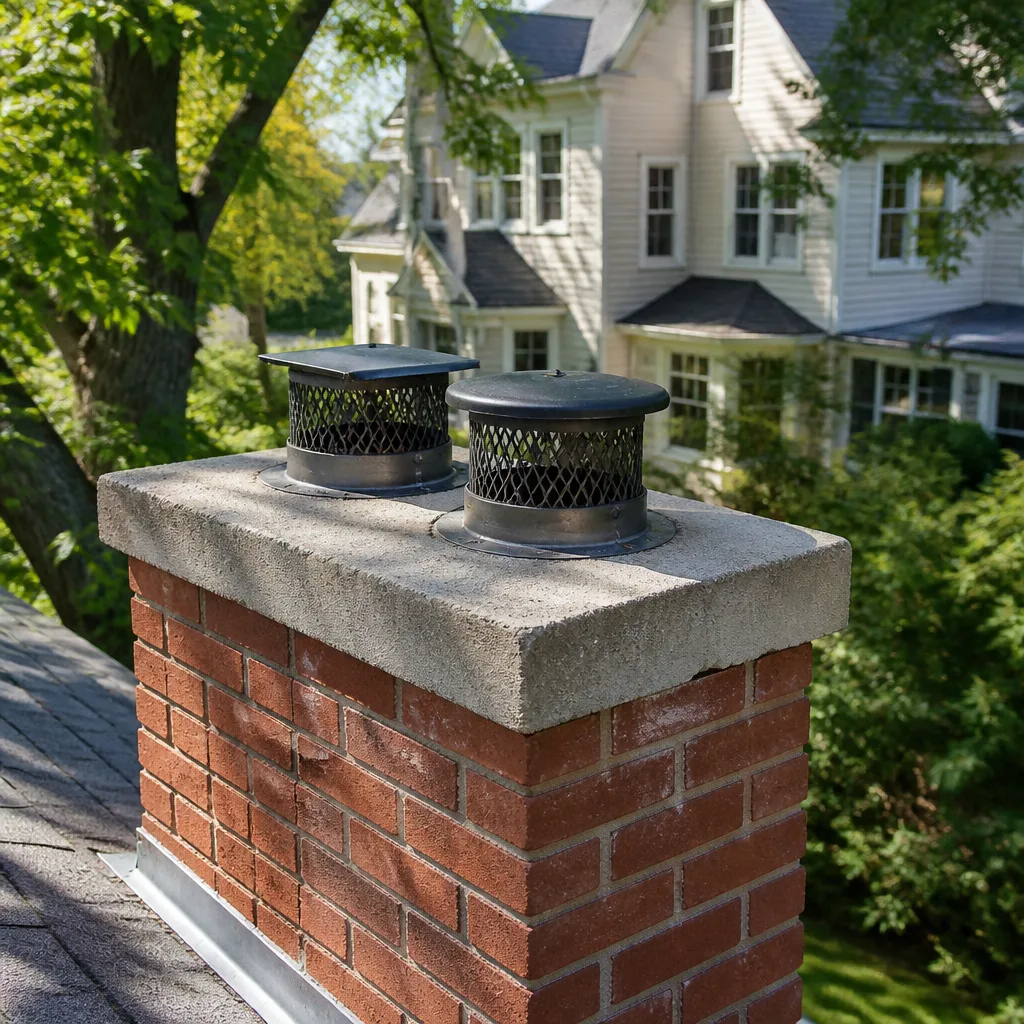 Sweep & inspection
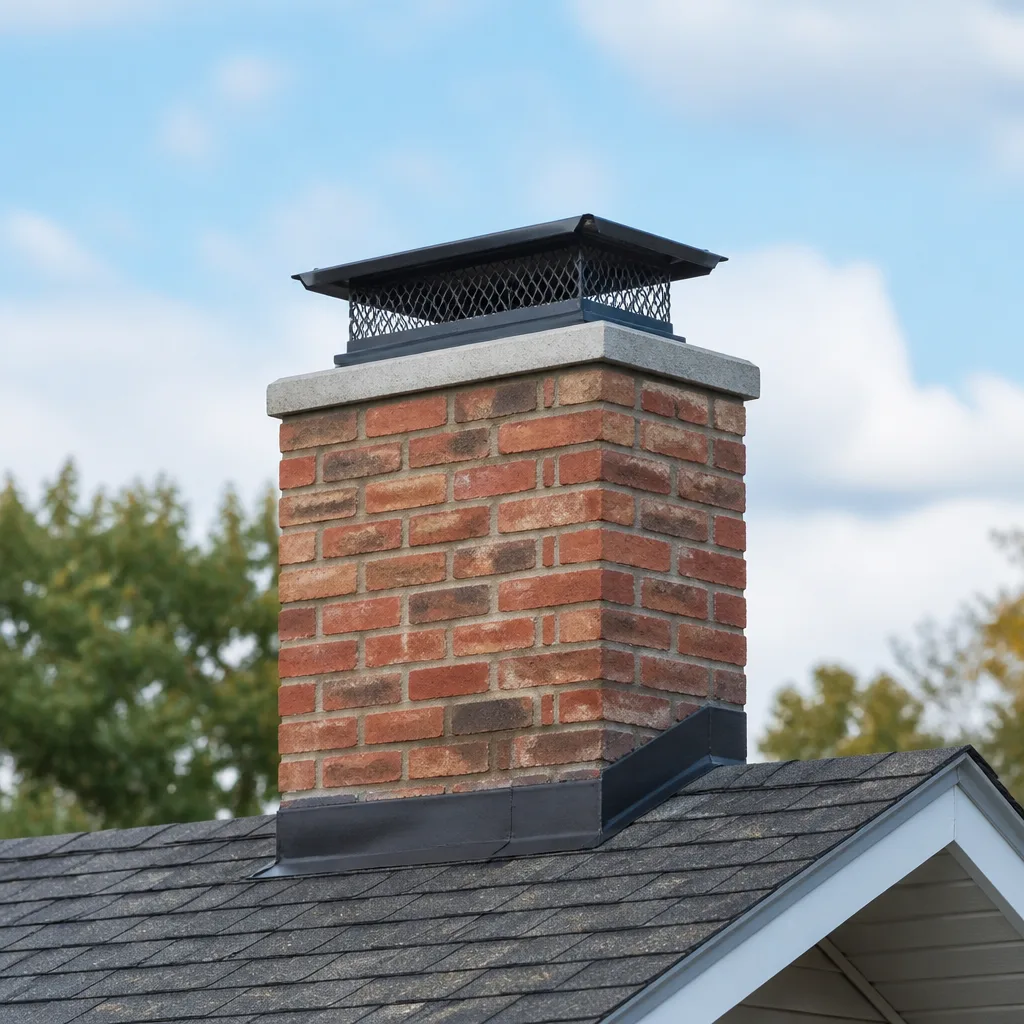 Caps & crowns
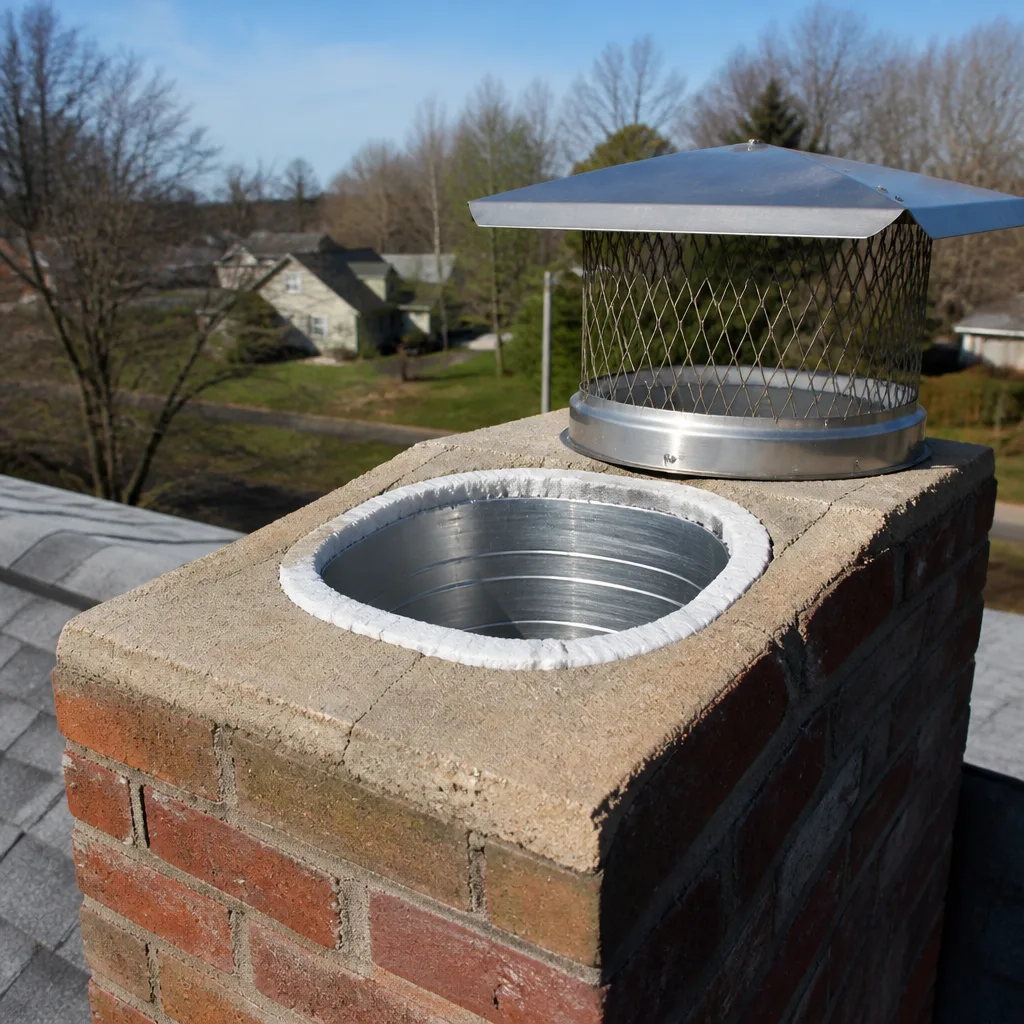 Flue relining
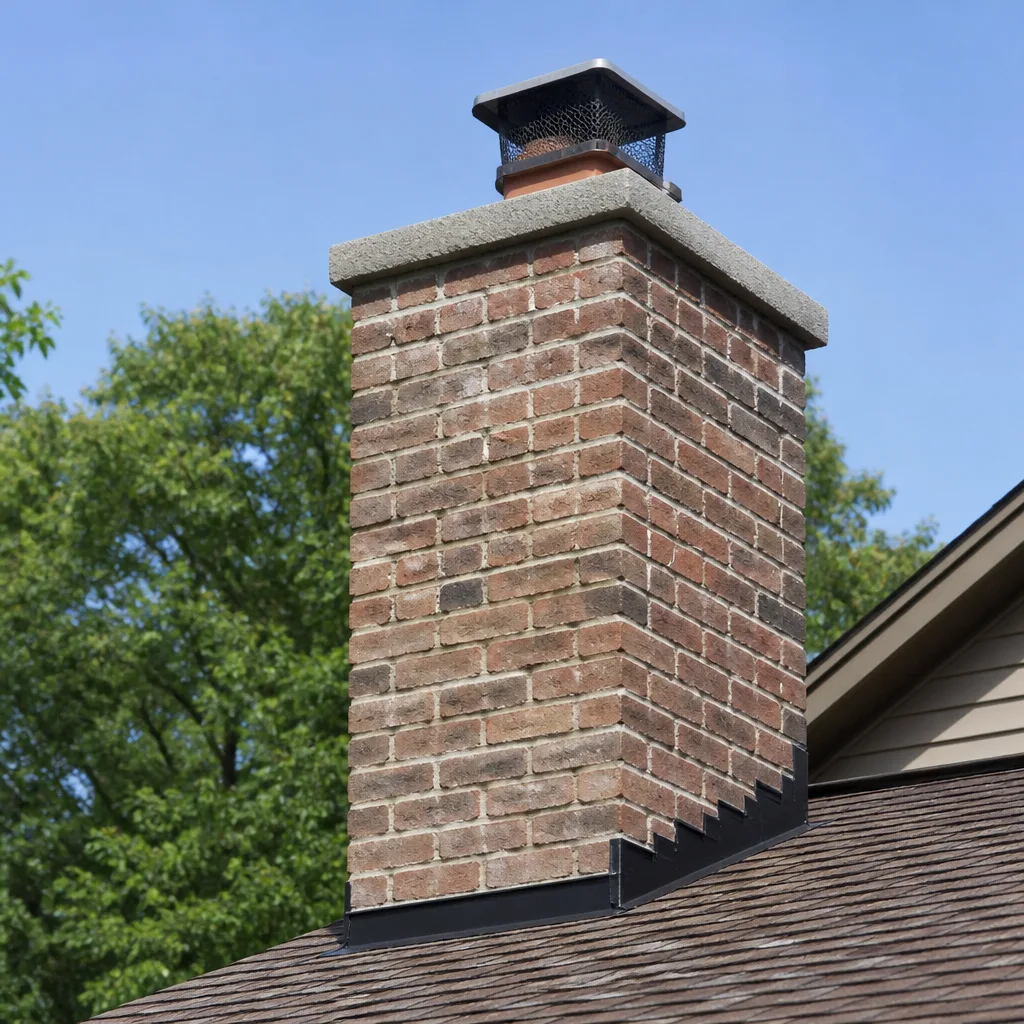 Masonry repair
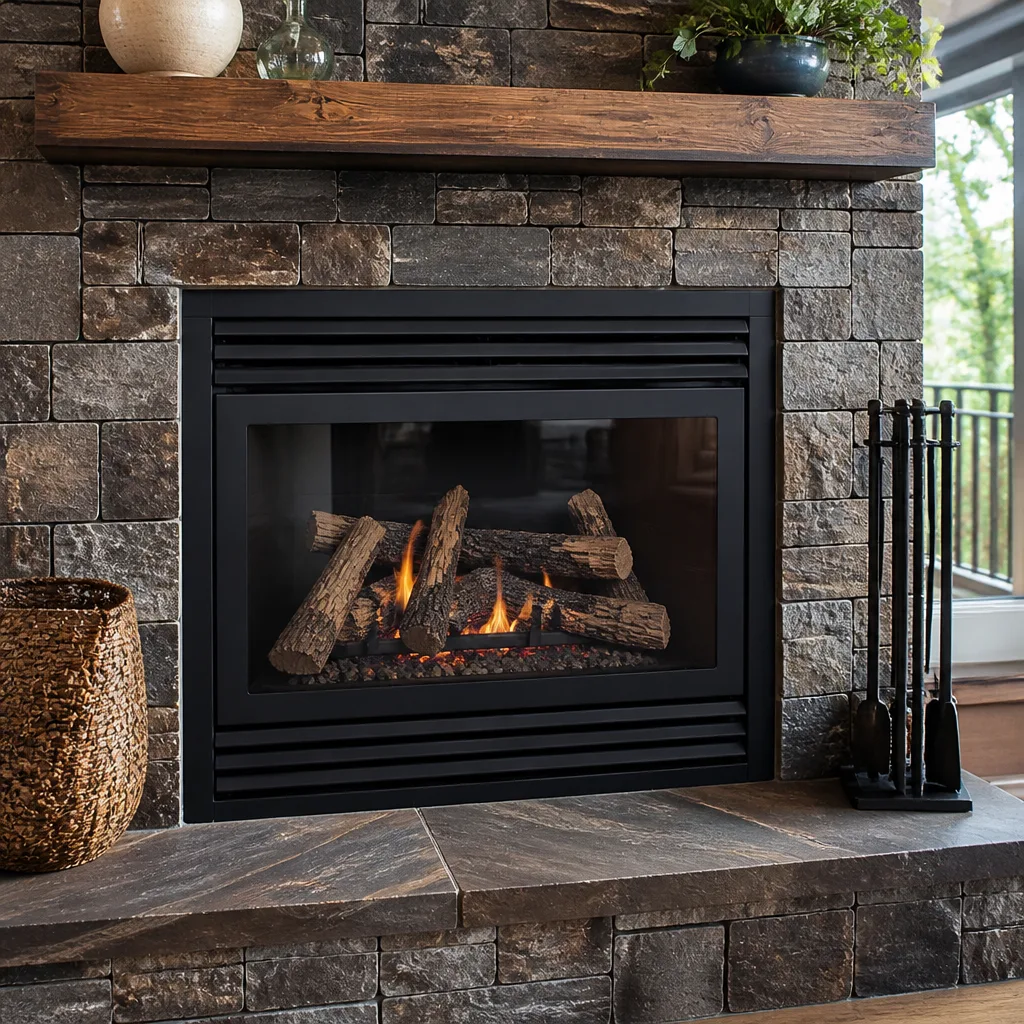 Gas fireplace service
Level 1 sweep and inspection to the NFPA 211 annual standard - flue, crown, cap, and flashing checked and photographed
Chimney sweep logs do not sweep chimneys. They loosen some creosote - which then falls where a brush and vacuum still have to collect it.
Chimney Cleaning Emergency Preparedness Guide for Phoenix Homes
A chimney fire in a Phoenix home often burns without the drama people expect from movies. There’s no wall of flame visible from the street. Many homeowners hear a low roar and assume the draft is pulling well on a cold desert night. By the time anyone calls 911, the flue liner can already be cracked. That gap between what a chimney fire sounds like and what it actually is costs people their liners, and occasionally more. This guide covers the emergencies that actually happen in Phoenix: monsoon debris blockages, chimney fires fed by abandoned bird nests, masonry movement after seismic activity, and the documentation that makes an insurance claim go smoothly. You’ll learn the response protocol for each before you need it.
Quick Answer
If you suspect an active chimney fire, get everyone out of the house, call 911, and close the damper and glass doors to starve the fire of air. Never open the damper wider. For everything short of an active fire, the emergency is usually a blocked or damaged flue, and the right move is a professional inspection before you light another fire. In Phoenix, monsoon debris and bird nests in uncapped flues are the two most common causes we find when a homeowner calls after a long summer with the fireplace unused.
Styles & brands we work with
- Sweep & inspection
- Caps & crowns
- Flue relining
- Masonry repair
- Gas fireplace service
Table of Contents
- How to Tell If You Have an Active Chimney Fire
- Post-Monsoon Debris Blockage: Checking Before Your First Fall Fire
- After Seismic Activity in Maricopa County: The Inspection Protocol
- The Numbered Emergency Response Protocol
- Who to Call for Emergency Chimney Service in Phoenix
- Documenting Chimney Damage for an Insurance Claim
- Prevention: What Actually Keeps a Phoenix Chimney Out of Trouble
How to Tell If You Have an Active Chimney Fire
An active chimney fire is happening if you hear a loud roaring or rumbling from the flue, see dense smoke or flames at the top of the chimney, notice a strong creosote smell indoors, or spot glowing or discolored metal on the chimney exterior. Any one of those signs means the fire is not contained to the firebox, and you treat it as an emergency.
Here’s what makes Phoenix different. Because our winters are mild, many homeowners run the fireplace a handful of times a season and never build up the heavy creosote loads that guidebooks describe for cold climates. But that same sparse use lets debris and nests accumulate in a flue through nine months of disuse. When a nest catches, the fire moves fast through dry twigs and feathers, and it can crack a clay tile liner before it burns itself out. The roar gets mistaken for a strong draft. That misread is the single most dangerous assumption in the whole scenario.
The correct immediate steps are short and non-negotiable:
- Get everyone out of the house and call 911 from outside.
- If the fire is still small and confined to the firebox, close the glass doors and the damper to cut off the air supply.
- Do not open the damper wider. More air feeds the fire, and an open damper can push flame and smoke further up a damaged flue.
- Do not spray water into the firebox or onto the roof from a hose. A sudden temperature drop can crack masonry.
- Wait for the fire department, and do not relight the fireplace until a professional inspects the flue.
That last point matters most. A fire that only smoldered for a few minutes can still have damaged the liner, and a cracked liner lets combustion gases into wall cavities. We’ve seen liners that looked fine from the firebox and were visibly fractured from the top. Phoenix Chimney Cleaning inspects the full flue after any fire event, which is the only way to know what you’re dealing with.
Post-Monsoon Debris Blockage: Checking Before Your First Fall Fire
After monsoon season, the flue of an uncapped chimney in Phoenix is usually holding something: dried twigs, palm frond fragments, grit, or a bird nest built in early summer and abandoned. The blockage is often invisible from the firebox because it sits higher up the flue. The first fire of fall is what turns it into a problem, because the blocked flue can’t vent.
You can check for a blockage safely without climbing on the roof or reaching into the flue:
- Look up the flue with a flashlight. You’ll see daylight at the top of a clear flue. Any patch of dark means something is in the way.
- Check for a strong, dusty smell in the firebox. Nest material and droppings leave a distinct odor, especially in an unused chimney.
- Listen on windy days. A healthy flue has a steady draft sound. A blocked one sounds hollow or dead.
- Do not light a test fire to check. A blocked flue pushes smoke and carbon monoxide back into the room. That’s the moment people call us, and it’s avoidable.
If you find debris, don’t try to clear it from the firebox with a broom or a pole. Nests can nest a live animal, and pushing material down the flue usually makes the blockage worse and messier. A chimney sweep clears a monsoon blockage with proper rods and a camera check, and confirms whether the flue itself was damaged by the debris and moisture. Call (855) 360-8261 to get on the schedule before your first cool evening.
After Seismic Activity in Maricopa County: The Inspection Protocol
If you feel an earthquake in Phoenix, the chimney is one of the first parts of a house you should look at. Masonry chimneys are stacked in sections with mortar joints between them, and lateral shaking stresses those joints more than the tiles or the flue itself. The damage is often a hairline crack in the crown or a widening mortar joint you can’t see from the ground.
What to inspect, in order:
- Walk the outside of the chimney from the ground. Note any tilted cap, cracked crown, or mortar gap.
- Look up the flue with a flashlight from the firebox, checking for daylight through a gap in the tiles.
- Check for soot or mud stains on the firebox walls at joints. Stains indicate a crack that’s passing smoke.
- Look at the roof line where the chimney penetrates, the flashing should still be tight and sealed against the shingles.
The catch with masonry damage is that it can stay hidden until the next fire, when exhaust finds the gap. Do not relight the fireplace until an inspector has approved it. Copperfield and Olympia Chimney supply components used in a lot of Phoenix repairs, and a proper inspection tells you whether a joint needs repointing or a liner needs resurfacing.
The Numbered Emergency Response Protocol
Print this list and keep it somewhere near your fireplace or in the kitchen. When you’re dealing with smoke, you won’t remember the details.
- Detect. Loud roar, visible smoke from the chimney, or a strong creosote smell means an active fire. Get out.
- Call 911. Confirm the address. Let the fire department take over.
- Starve the fire. Once everyone is safe, close the glass doors and damper if the fire is still small.
- Leave the house. Smoke and carbon monoxide build quickly indoors. Do not wait to watch.
- Wait for the all-clear. Do not relight the fireplace until the fire department leaves and a professional inspects.
- Schedule an inspection. The fire department extinguishes the fire; it doesn’t inspect for damage to the liner or masonry.
- Document everything. Photograph the firebox, the exterior, and the roof line before you call for service.
We answer 24/7 if the situation is developing and you need to know what to do next. Fast dispatch from 7am to 7pm, Sunday through Friday. The inspection that follows an emergency is what turns the incident into a repair plan, not a nasty surprise down the road.
Who to Call for Emergency Chimney Service in Phoenix
Not everyone who lists a phone number is handling an emergency. When you call for Phoenix chimney help, listen for these differences before you book.
A true emergency contractor asks what’s happening now. They want to know whether the fire is out, whether smoke is coming back into the house, and whether anyone has a headache or dizziness. That last question is about carbon monoxide, and a booking agent who skips it isn’t equipped for the job.
A true emergency contractor can inspect the full flue the same visit. That means a camera, a proper set of rods, and the ability to see what’s actually going on inside. We use Copperfield and Olympia Chimney components because they’re the kinds of parts that a repair can be trusted to, not hardware-store substitutes. A sweep-only shop can clear the flue but won’t be able to tell you whether the liner cracked.
A true emergency contractor tells you honestly when it can wait. Plenty of calls are urgent-feeling but not emergencies. If your flue is blocked but no fire is burning, it can wait a day or two without harm. We’ll say so. What we won’t do is tell you that you need a full reline when a HeatShield resurfacing will do the job. That’s the difference between a specialist and a scheduler.
A true emergency contractor stays in scope. We sweep, we clean dryer vents, and we repair chimneys. That’s our work, and we do it with materials spec’d for the trade. We won’t hand you to a generalist who treats a chimney like a duct.
Documenting Chimney Damage for an Insurance Claim
Insurance adjusters want a sequence and a paper trail. Most chimney claims get held up because a homeowner calls the insurance company first, then has the chimney cleaned, and destroys the evidence in the process. Do these steps in this order.
- Photograph before anything is cleaned. Inside the firebox, the top of the chimney, the exterior masonry, and any soot stains inside the house.
- Write down the sequence of events. Time of the fire, what you observed, who arrived, what the fire department reported. Your memory of the order is worth more than a vague summary written a week later.
- Save the fire department incident number. Most claims require it.
- Get a written contractor report that separates findings from recommendations. The adjuster needs to see what was found (cracked tile, failed crown, delaminated liner) and what’s needed (resurface, reline, rebuild). Those are two different documents.
- Photograph the later inspection, not just the incident. A photograph of a cracked tile after the fire, alongside one before, tells the adjuster something the pre-fire photo can’t.
The report is the piece that moves the claim forward. We write the findings plainly, list the parts (DuraFlex liners or HeatShield resurfacing material, for example), and note when a repair or a replacement is the right call. If the adjuster has questions, the photos answer most of them.
Prevention: What Actually Keeps a Phoenix Chimney Out of Trouble
The honest answer is that most Phoenix chimney emergencies are preventable with two habits. Neither one costs anything, and both take a few minutes.
Cap the flue. A chimney cap keeps monsoon debris, birds, and palm frond fragments out. It’s the single best thing you can do for a Phoenix chimney, and it turns the whole post-monsoon inspection question into a non-event.
Sweep before the season starts, not after something goes wrong. An annual sweep clears creosote, checks the liner, and catches masonry problems while they’re small. The right time in Phoenix is late summer or early fall, right after the monsoon and before you want the fireplace. That window also gives you time to schedule any repair before the first cold night.
Pair that with a dryer vent cleaning once a year. Dryer vent fires are one of the leading causes of house fires, and it’s the same kind of problem: a vent that gets blocked and overheats. We handle both because both are venting issues, and one call covers the chimney and the dryer vent. Call (855) 360-8261 for a free estimate. We answer 24/7. Fast dispatch from 7am to 7pm, Sunday through Friday.
Common Mistakes to Avoid
- Opening the damper wider during a chimney fire. It feels like the right move because you want the smoke to go up. It feeds the fire and can push flame into a damaged flue. Starve it instead.
- Lighting a test fire to see if a blocked flue will clear. A blocked flue pushes carbon monoxide into the room instead. Check with a flashlight, not a match.
- Cleaning up before photographing. If a fire happens, the soot and staining are the evidence an adjuster needs. Take photos first.
- Assuming a mild winter means the chimney doesn’t need a sweep. The fire risk doesn’t scale with the number of fires you build; it scales with what’s loaded in the flue. A single abandoned nest is enough.
- Hiring a sweep-only outfit after a fire event. They can clear the soot, but they can’t inspect or repair the liner. You want someone who handles both.
- Skipping the inspection after an earthquake. Hairline cracks in mortar joints and tile liners don’t announce themselves. Walk the chimney and look up the flue before you light the next fire.
- Treating a dryer vent as a separate problem. If you’re having a chimney pro out for a post-season check, get the dryer vent dryer vent cleaning done while they’re there. Both are fire risks, both are venting problems.
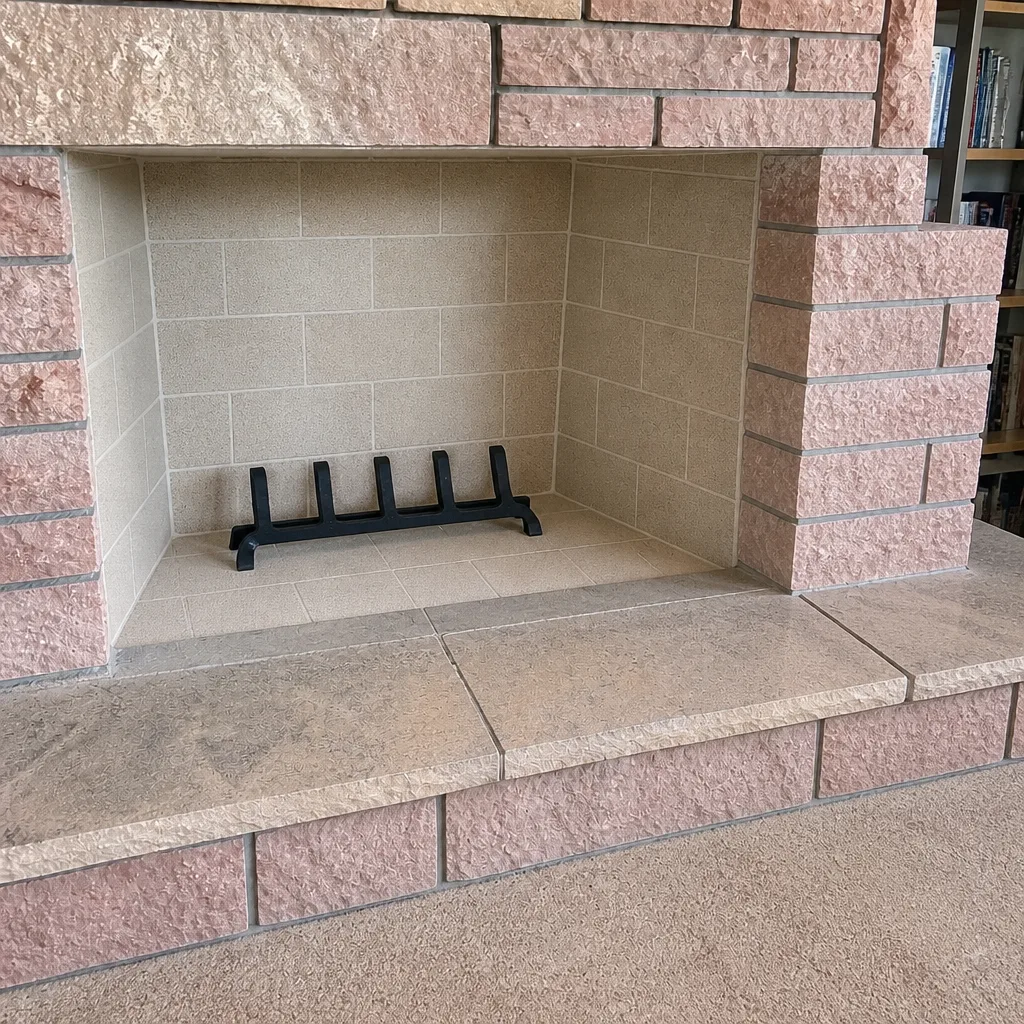
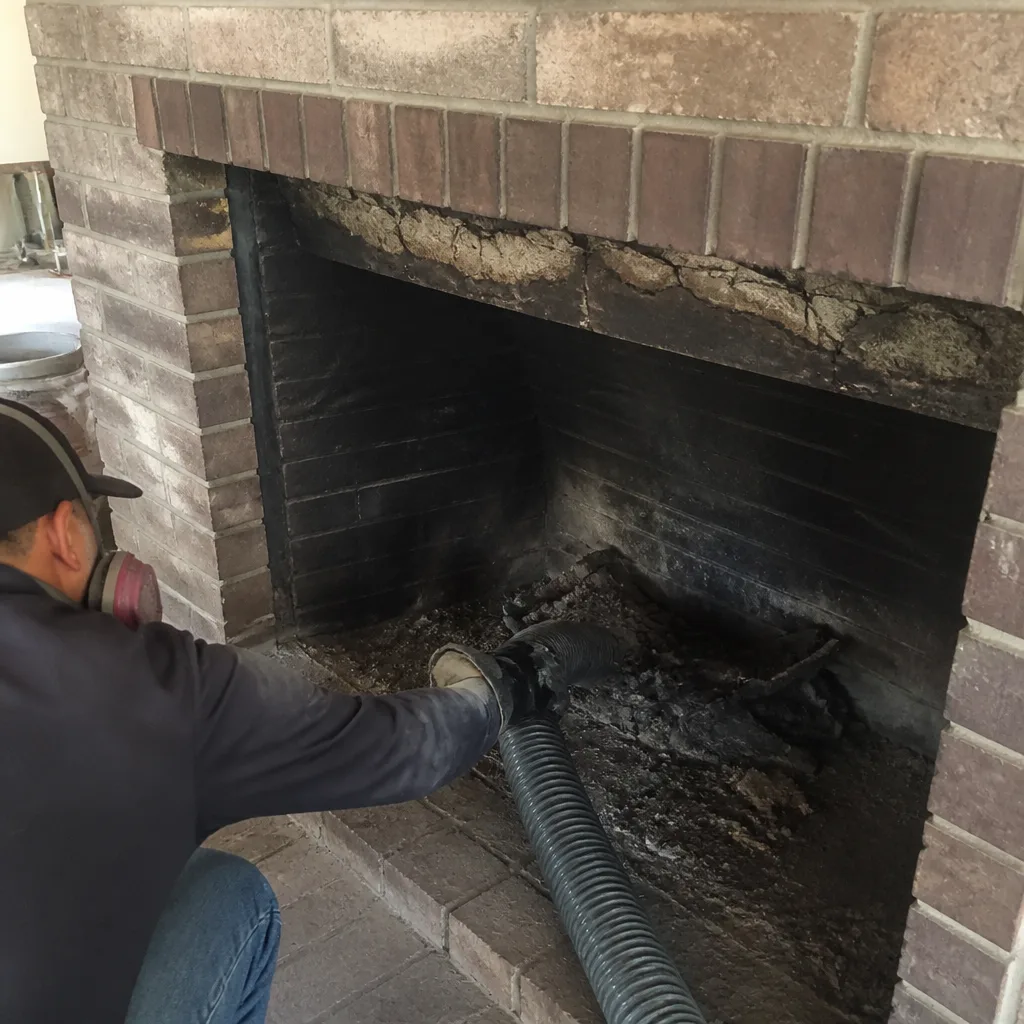
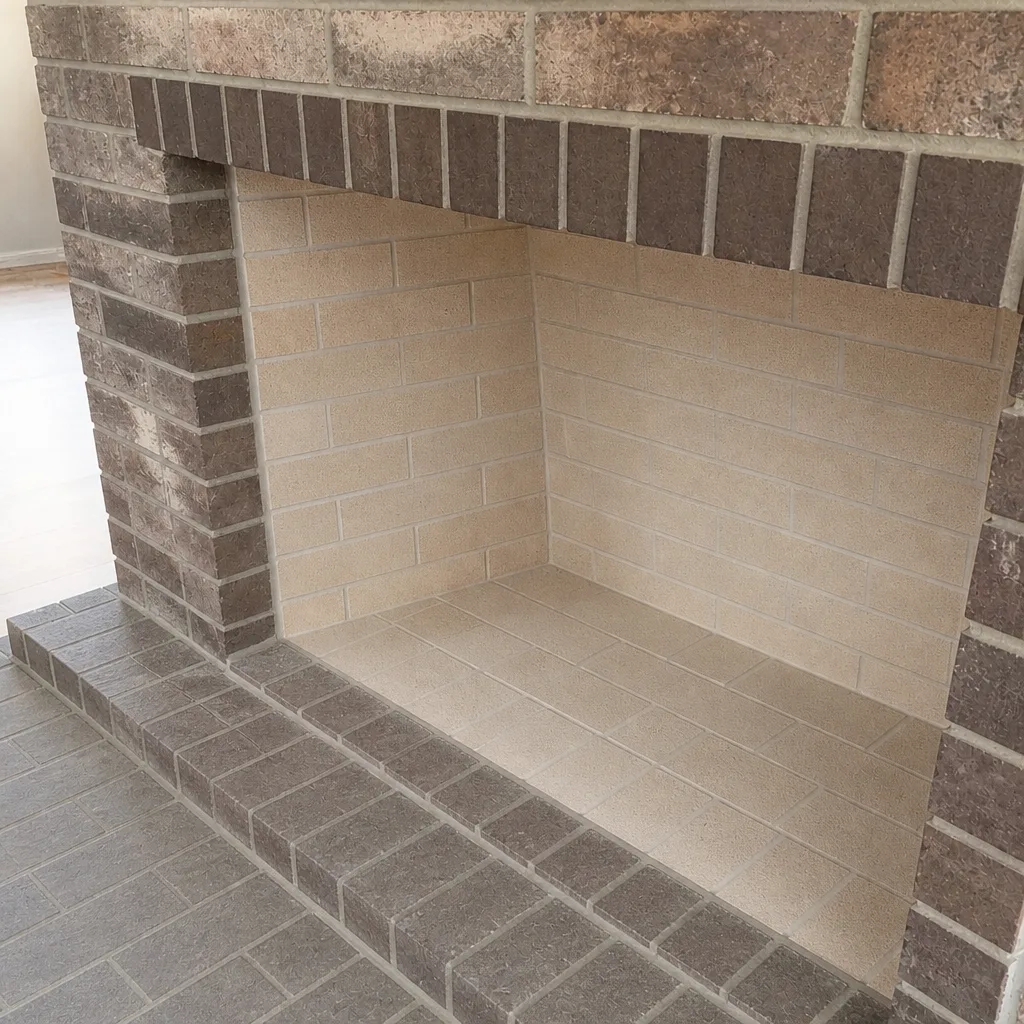
See the difference
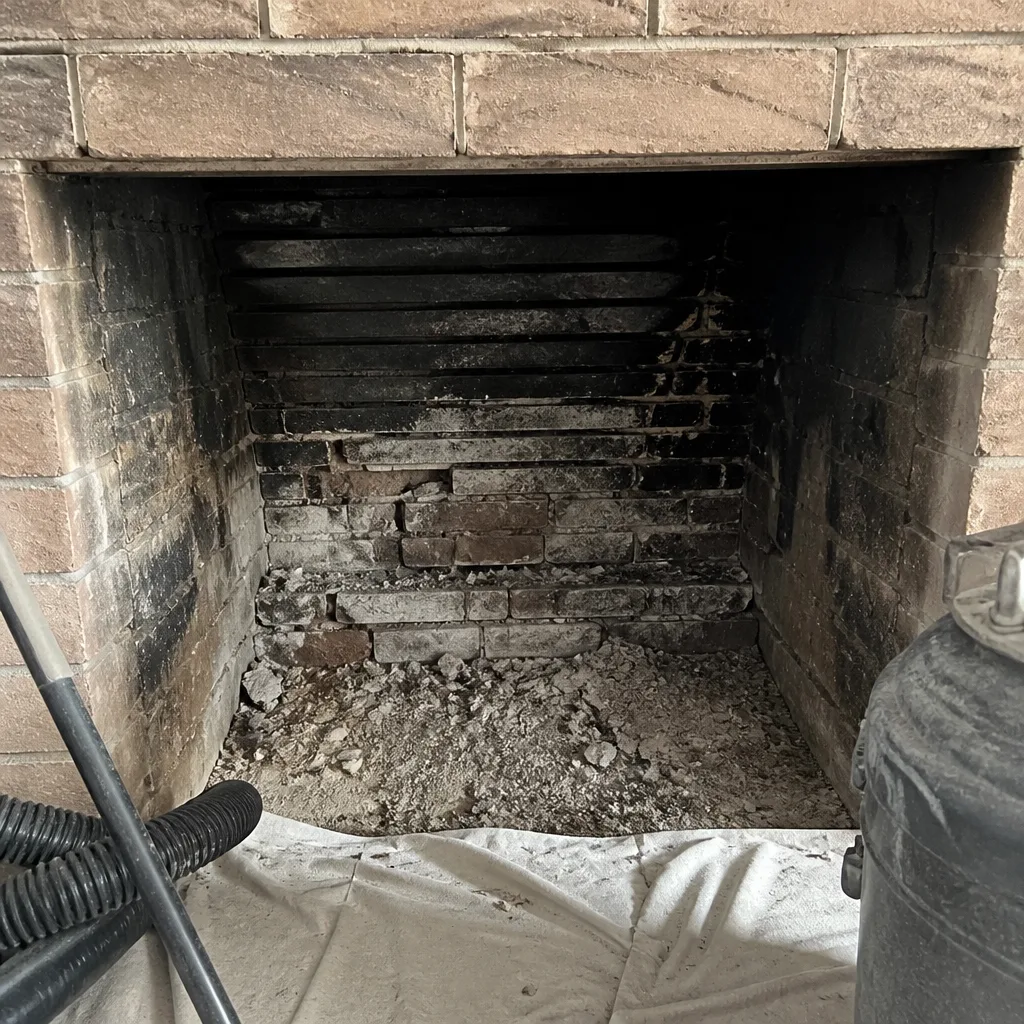 Before
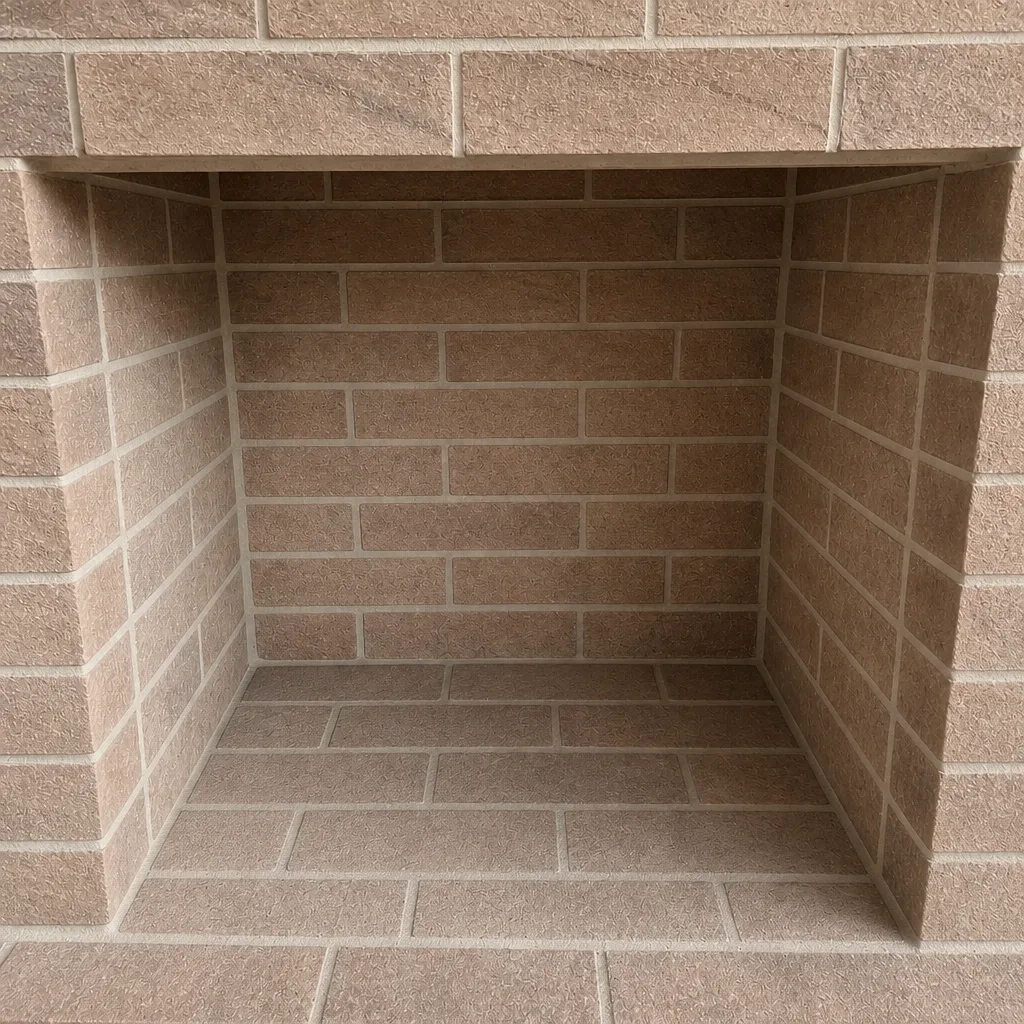 After
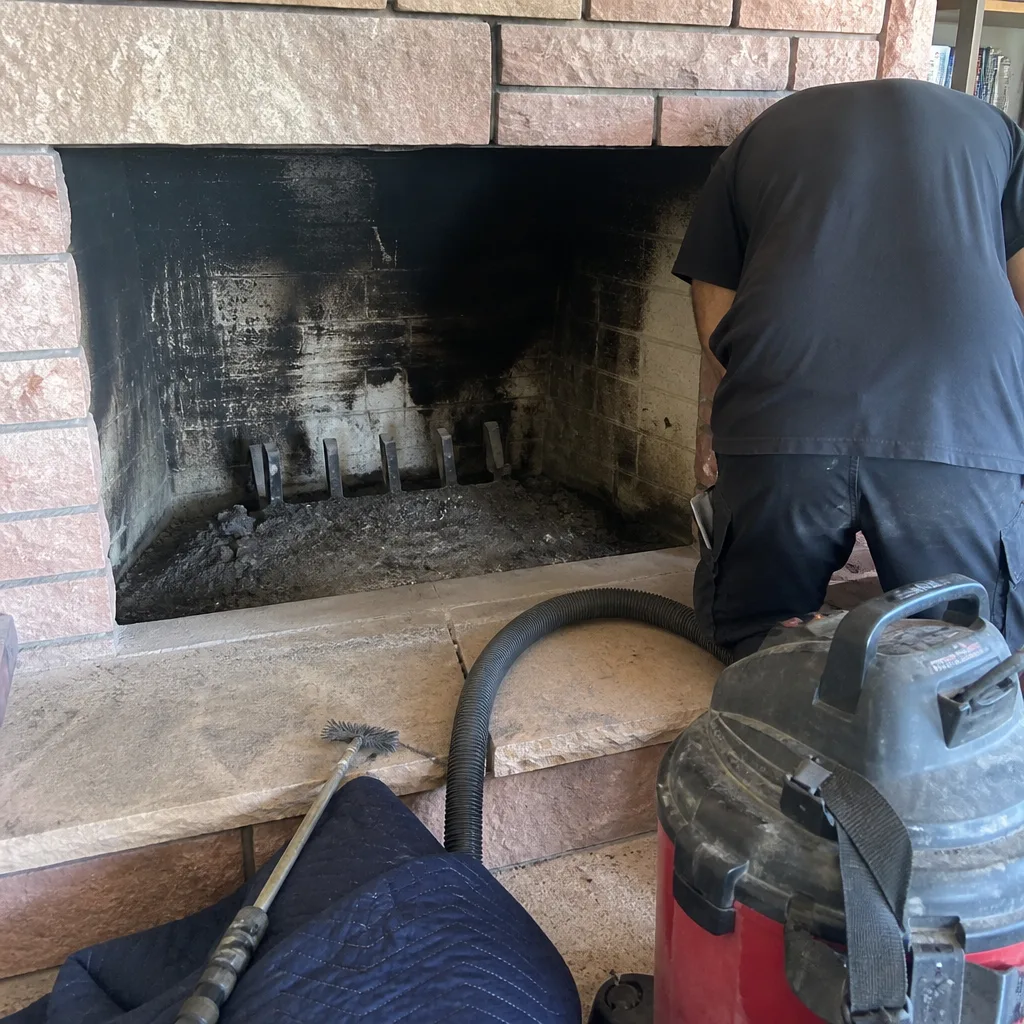 Before
 After
 Before
 After
When to Call a Professional
Call for service if you’ve had a chimney fire, even a small one, because the liner needs inspection before you use the fireplace again. Call if you smell smoke indoors when no fire is burning, if a monsoon left debris you can see in the flue, if an earthquake shook your part of Maricopa County, or if the chimney exterior shows a tilted cap, cracked crown, or crumbling mortar. Call before the first fall fire if your flue is uncapped or you can’t remember the last sweep. For an active fire, call 911 first and us second. We’ve been working with Famco and DuraFlex components for years, and we inspect the full system, flue, damper, crown, and cap. Phoenix Chimney Cleaning offers free estimates in Phoenix. Call (855) 360-8261 to schedule. We answer 24/7. Fast dispatch from 7am to 7pm, Sunday through Friday.
Frequently Asked Questions
You’re having an active chimney fire if you hear a loud roar from the flue, see smoke or flames at the top of the chimney, smell strong creosote indoors, or notice discoloration on the chimney exterior. Any one of those means get out and call 911. Do not open the damper wider. Close the glass doors and damper if it’s safe to reach them, and wait for the fire department. Once the fire is out, call (855) 360-8261 for an inspection, because a chimney fire can crack the liner even when it looks contained. Estimates are free.
Once a year is the standard, and for Phoenix homes the right timing is right after monsoon season and before your first fall fire. Even if you only use the fireplace a few times a winter, the flue still collects debris through nine months of disuse. A sweep is the check that catches a blocked or damaged flue before it becomes an emergency. Call (855) 360-8261 to get on the schedule. We answer 24/7. Fast dispatch from 7am to 7pm, Sunday through Friday.
Look up the flue with a flashlight first. Daylight at the top means it’s clear, and dark patches mean debris is blocking it. Do not light a test fire and do not try to clear the debris from the firebox with a pole, since a nest can hold a live animal and pushing material down usually makes it worse. Call (855) 360-8261 and we’ll clear it with proper rods and a camera check. We’ll also confirm whether the flue was damaged while the debris was in there. Estimates are free.
Yes, if you felt noticeable shaking and have a masonry chimney. Check the exterior from the ground for a tilted cap, cracked crown, or mortar gaps, and look up the flue for daylight through a tile. Hairline cracks are the hard part, because they pass smoke without being obvious from either end. Have a professional camera-inspect the flue before you relight. Call (855) 360-8261 to schedule an inspection. We’ll tell you plainly whether the chimney needs a repair or can safely wait.
An emergency contractor inspects and repairs the full flue, not just the firebox. That means camera equipment, liner-replacement capability with DuraFlex, and HeatShield resurfacing capability when a damaged liner can be restored rather than fully replaced. A regular sweep clears soot but typically can’t diagnose or fix structural damage. If your chimney has had a fire, a debris blockage, or masonry movement, you need the contractor. Call (855) 360-8261 to talk through what’s happening. Estimates are free.
Most chimney service in Phoenix runs from a basic sweep to a full reline or rebuild, depending on what the inspection finds, and the final price is set per job by the written estimate, not by a flat emergency rate. We don’t charge more for an urgent call. The inspection comes first, and the recommendation comes with photos you can see for yourself. Call (855) 360-8261 for an exact quote. Estimates are free.
The Bottom Line
Chimney emergencies in Phoenix are monsoon blockages, nest-fed fires, and post-earthquake masonry damage, not the ice-storm scenarios in national guides. The response protocol for each is short and worth knowing before you need it. Get out and call 911 for an active fire. Close the damper; don’t open it wider. Look up the flue with a flashlight after every monsoon. Inspect the exterior after any seismic activity. Photograph before you clean anything so an insurance claim can move. And cap the flue, so most of this never happens. Call (855) 360-8261 for a free estimate. We answer 24/7. Fast dispatch from 7am to 7pm, Sunday through Friday.
Written by the team at Phoenix Chimney Cleaning, serving Phoenix since 2012.