
Last updated November 14, 2026
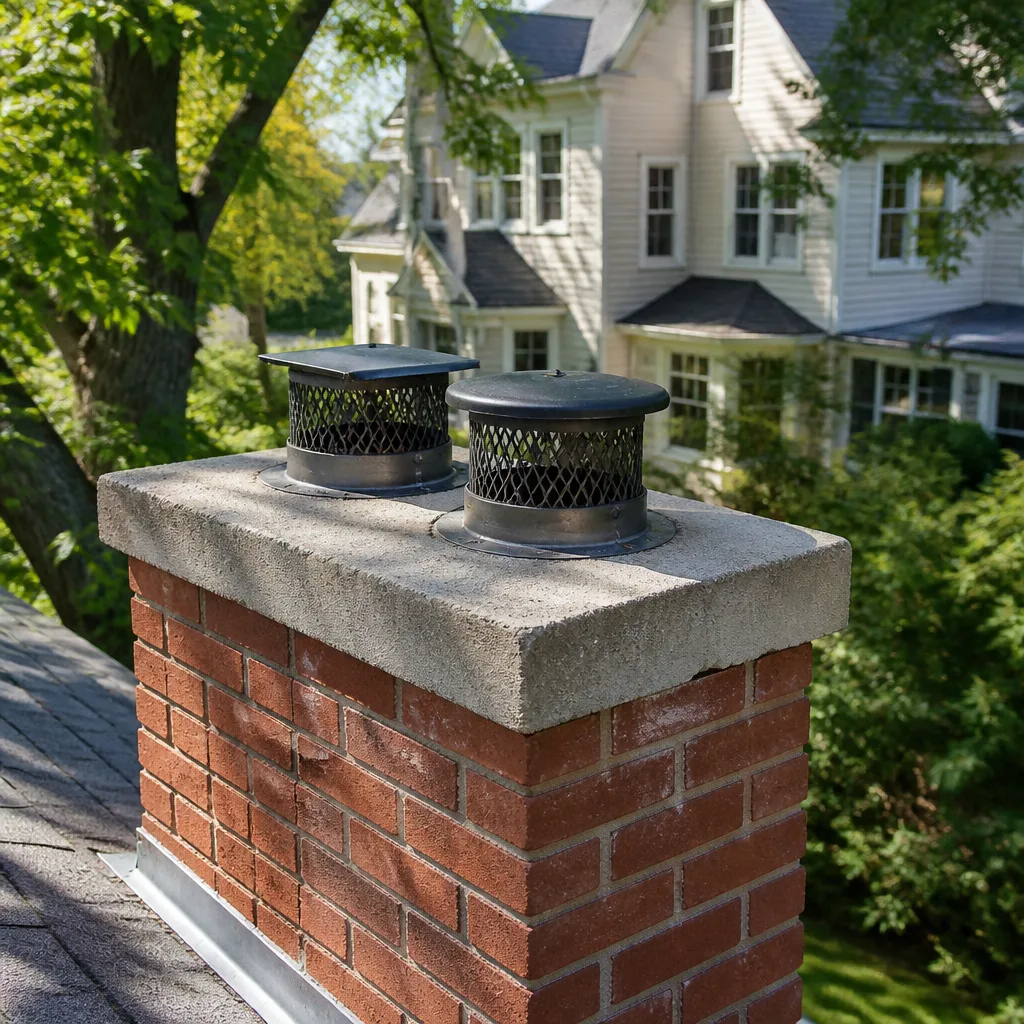 Sweep & inspection
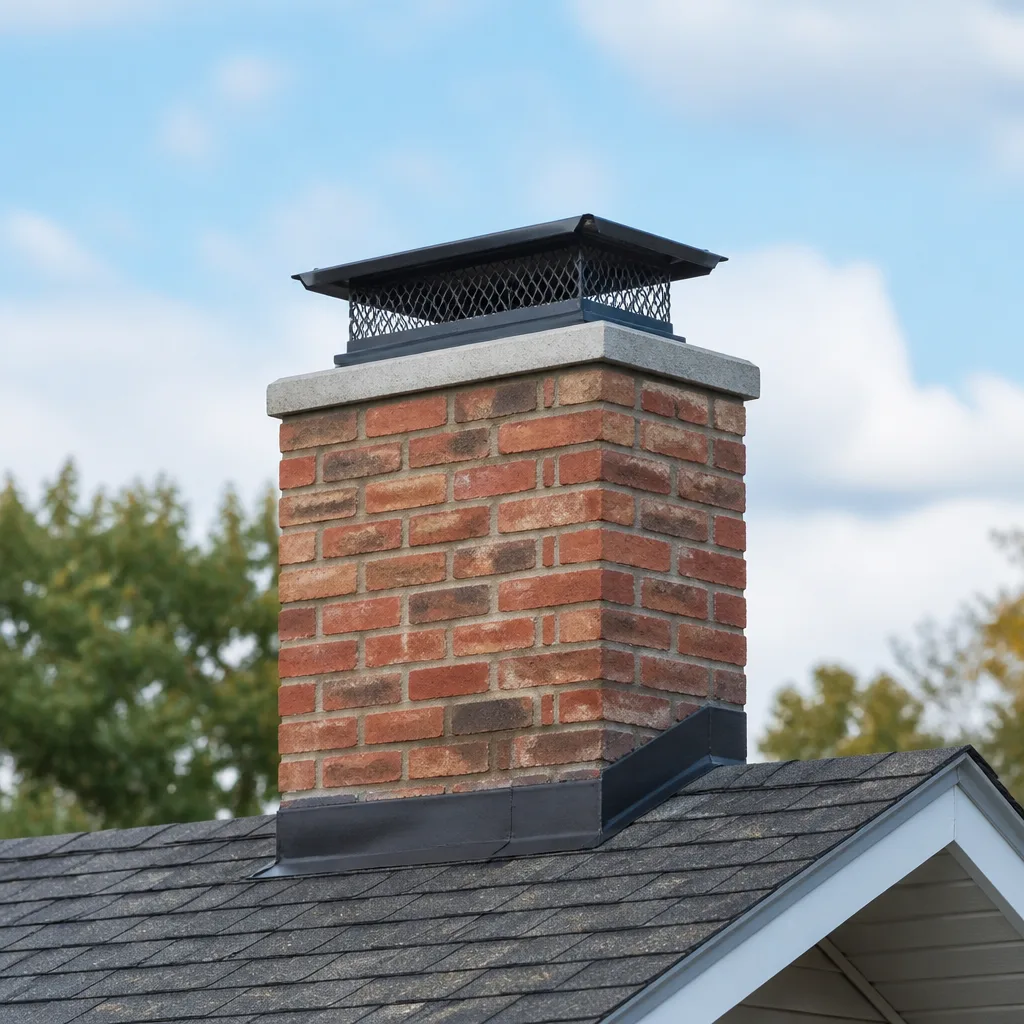 Caps & crowns
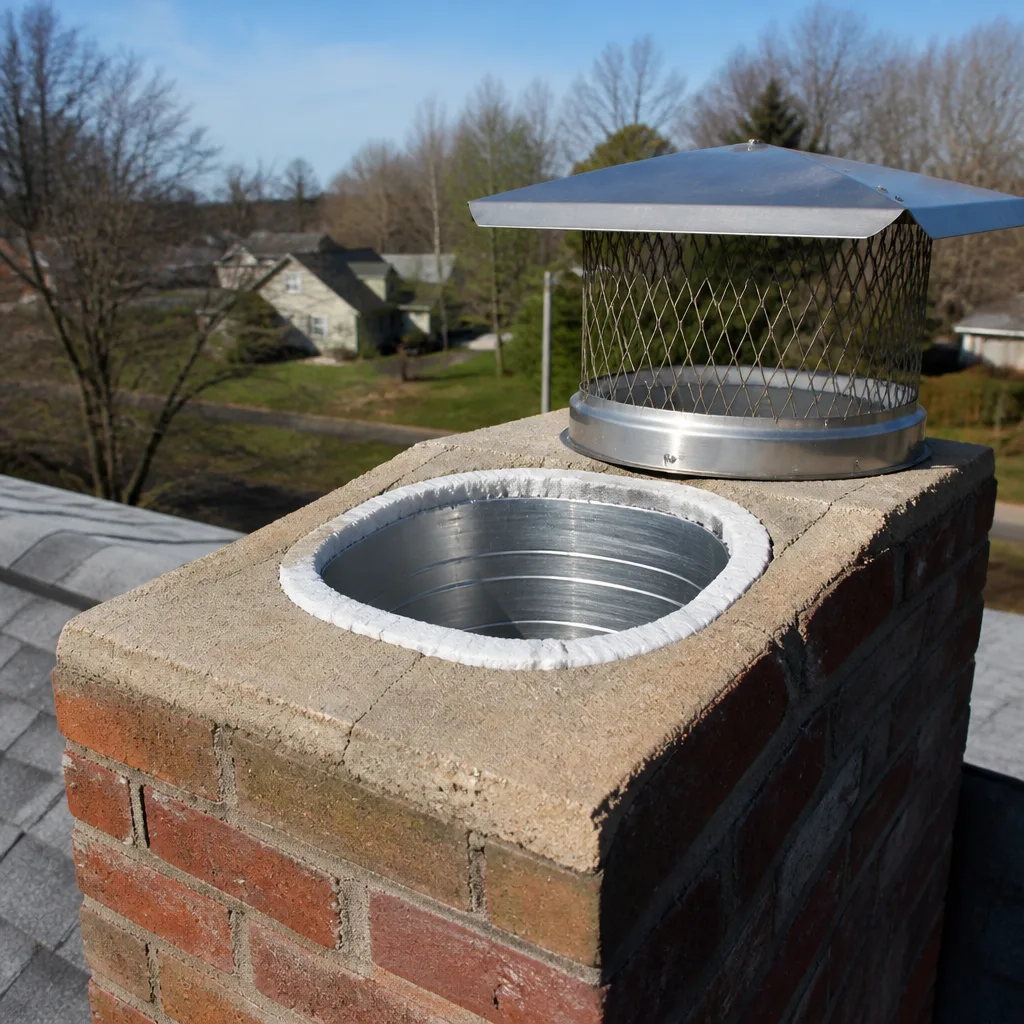 Flue relining
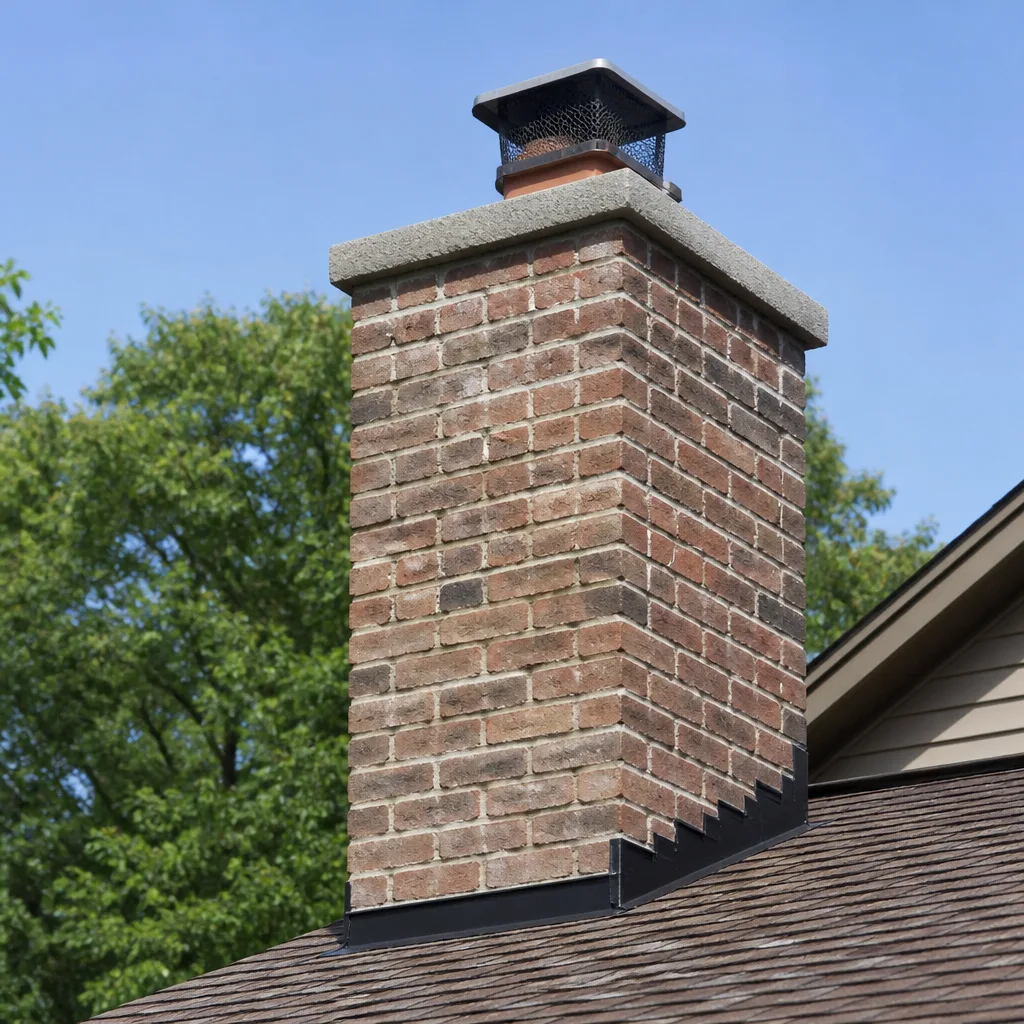 Masonry repair
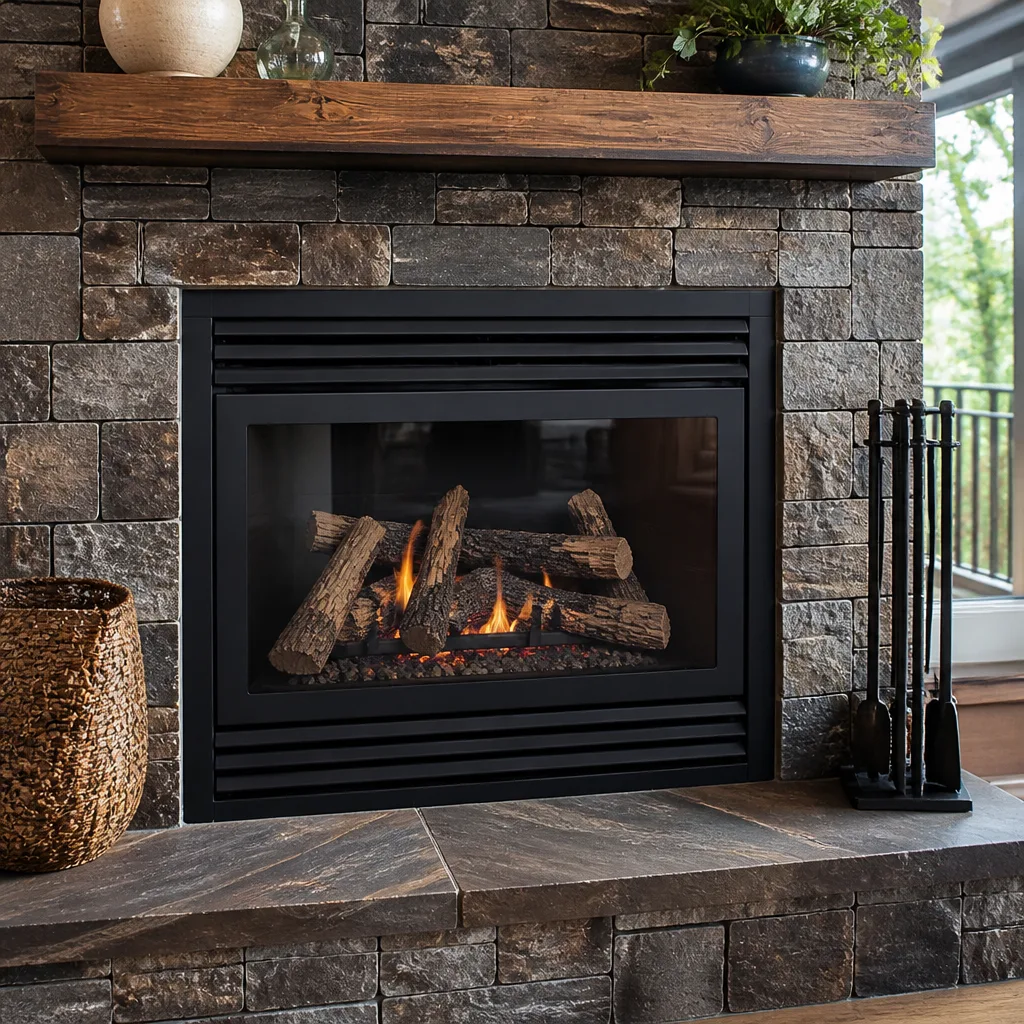 Gas fireplace service
Level 1 sweep and inspection to the NFPA 211 annual standard - flue, crown, cap, and flashing checked and photographed
Chimney sweep logs do not sweep chimneys. They loosen some creosote - which then falls where a brush and vacuum still have to collect it.
Chimney Sweep Maintenance Checklist for Phoenix Homeowners
If you’re following a chimney maintenance schedule written for a Midwest home, you’re doing the right tasks at the wrong times and skipping the ones that actually matter in the Sonoran Desert. Most national chimney guides assume a hard freeze, a long heating season, and a house that sits under snow for months. Phoenix doesn’t work that way. Our fire season runs roughly October through March, our wet season arrives in late summer, and the dust that settles on a roof in June is a bigger threat to a flue than anything winter throws at it. The checklist below is sequenced around Phoenix’s real calendar: what to do before first fire, what to check after monsoon, and what you can safely handle yourself. By the end you’ll have a maintenance rhythm you can log, date, and hand to a buyer or an insurer if you ever need to prove the chimney was cared for.
Quick Answer
A Phoenix chimney maintenance checklist should be built around two dates, not four seasons: a pre-season inspection and sweep before your first fire in October, and a post-monsoon check in late August or September after the summer rains and dust have passed. Between those, homeowners should visually check the firebox, damper, cap, and dryer vent monthly, and book a professional sweep once a year if the fireplace sees regular use. Everything else, from camera inspection to liner condition, needs a technician’s tools to confirm.
Styles & brands we work with
- Sweep & inspection
- Caps & crowns
- Flue relining
- Masonry repair
- Gas fireplace service
Table of Contents
- Why a Phoenix Chimney Checklist Is Different
- The Pre-Season Checklist (September, Before First Fire)
- The Post-Monsoon Inspection (Late August to September)
- What You Can Check Yourself vs. What Needs a Technician
- The Dryer Vent Item Most Chimney Checklists Skip
- How to Log and Date Your Maintenance
- How Often Does a Phoenix Chimney Actually Need Sweeping?
- Common Mistakes to Avoid
Why a Phoenix Chimney Checklist Is Different
Chimney maintenance advice is usually written for places where the heating season is long and cold. In Phoenix, the fireplace is a cool-evening appliance used for a few months, not a furnace backup. That changes the math in a few ways that matter.
First, the burning window is short and concentrated. Most Phoenix homeowners light the fireplace from October through March, and often only on the handful of nights when the desert cools down enough to want one. That means creosote builds more slowly than in a cold-climate home, but it also means people forget the chimney exists for eight months at a stretch. A flue that sat untouched through a Phoenix summer has had months of dust, insect activity, and monsoon moisture working on it before anyone thinks to look.
Second, the local climate creates two distinct stress periods. Summer brings heat, dust, and the monsoon moisture of late July through September. Winter brings actual combustion. Those are different problems on different timelines, and a single annual fall sweep doesn’t address both. The moisture period is where we see more surprises on inspection than anywhere else, because water finds its way into a chimney through the cap and crown and sits there in warm weather.
Third, our housing stock matters. Phoenix has a lot of homes built in the 1970s through 1990s with masonry fireplaces that have now had several decades of use, plus newer construction with factory-built systems that have their own service requirements. Neither type can be assessed from the ground, and neither benefits from a schedule written for a house in Ohio. If you want the broader picture of what Phoenix Chimney Cleaning handles, that page covers the full scope of chimney and vent work.
The Pre-Season Checklist (September, Before First Fire)
September is the most important month on the Phoenix chimney calendar. The monsoon has passed, temperatures are dropping, and you’re about to start burning again. Everything you do this month determines how the next six months go. Here’s the sequence we recommend, in order:
- Book the annual sweep and inspection. Schedule it for September or early October, before the first fire and before the pre-season rush. A sweep removes what last season left behind so the inspection that follows can actually see the flue.
- Have the flue inspected with a camera. A visual check from the firebox only shows the bottom few feet. Camera inspection is what confirms whether the liner is intact, whether joints are open, and whether there’s damage you can’t see from below. Ask to see the footage; you should be able to look at the same screen the technician does.
- Check the chimney cap and spark arrestor. The cap keeps rain, birds, and debris out of the flue. A cap that’s loose, rusted through, or missing is an open door for everything a Phoenix summer can throw at it.
- Inspect the crown for cracks. The crown is the concrete or mortar surface at the top of the chimney that sheds water away from the flue. Cracks let water in, and in a hot climate that water does its damage quickly.
- Test the damper. It should open and close smoothly and seat fully. A damper that sticks open wastes conditioned air all summer; one that won’t open means smoke in the room.
- Clear the firebox and check for loose mortar. Vacuum out ash and debris from last season, then look at the firebrick and mortar joints. Crumbling mortar or cracked brick needs a technician’s eye before you burn.
- Confirm you have dry, seasoned firewood. Green wood produces far more creosote and burns poorly. In Phoenix, wood stored in the open can absorb monsoon humidity, so keep it covered and off the ground.
- Book dryer vent cleaning on the same visit. More on why below, but the short version is that it’s the same kind of problem on the same kind of schedule.
We schedule September appointments for exactly this reason. If you wait until the first cold night, you’re booking into a wait behind everyone else who did the same thing. Getting the chimney sweep done in September means the inspection has time to flag anything that needs repair before the season starts, not after.
What “Before First Fire” Actually Means in Phoenix
There’s no single date. Some years the first cool evening arrives in early October; others it holds off until November. The practical rule is to have your chimney swept and inspected before you light the first fire of the season, whatever date that lands on, and to schedule the work in September so you aren’t caught out. If you’ve already burned a few fires before you remembered the checklist, it’s not a crisis, but book the sweep before the next one and don’t put it off to spring.
The Pre-Season Items That Get Skipped
Two items get left off almost every homeowner’s pre-season list. The first is the attic and roofline. From the ground, you can see the cap and the top of the chimney, but you can’t see whether flashing has pulled away from the roof or whether water is tracking down the outside of the flue. The second is the appliance connection. If your fireplace has a gas log set or a gas starter, the connection and the shutoff deserve a look by a qualified technician, because gas and a dirty flue are a bad combination. Neither of those is a do-it-yourself item.
The Post-Monsoon Inspection (Late August to September)
Phoenix’s monsoon season, roughly July through September, is the second stress point on the chimney calendar, and it’s the one most national checklists ignore entirely. The rains themselves aren’t the issue. The problem is what the storms carry and where the water ends up.
Dust storms roll through the Valley during monsoon season, and fine dust settles into every opening on a roof. A chimney with a missing or damaged cap collects that dust in the flue, and the layer it leaves behind can crust onto creosote from last season. Wind-driven rain finds its way past a cracked crown or failed flashing and into the masonry. Birds and other animals look for shelter in an open flue during storm season, and nesting material is a fire hazard the moment you light a fire.
Here’s what a post-monsoon inspection should cover:
- Cap and spark arrestor condition: still attached, still intact, no storm damage.
- Crown and flashing: cracks, gaps, or pulled-away edges that let water in.
- Flue interior: debris, dust accumulation, and any animal nesting material.
- Masonry exterior: spalling, loose mortar, or staining that suggests water penetration.
- Attic and ceiling near the chimney: staining or dampness that suggests a leak from above.
- Dryer vent exterior termination: the outside flap should open freely and the screen should be clear.
If the inspection turns up nothing, that’s a good result, and we’ll tell you so. If it turns up a crack in the crown or a cap that needs replacing, fixing it in September is simpler than discovering it in January when water damage has had months to spread. The post-monsoon check isn’t about finding problems to sell; it’s about catching the ones monsoon weather tends to create while they’re still small.
What You Can Check Yourself vs. What Needs a Technician
There’s a genuine line between what a careful homeowner can inspect safely and what requires training, tools, and access. Knowing where that line sits keeps you out of danger and keeps your chimney in better shape. Here’s the split.
What You Can Check Yourself
- The firebox: look for cracked firebrick, crumbling mortar, and excessive ash buildup. Don’t try to repair it, just note it.
- The damper: open and close it by hand and confirm it seats fully. A sticky damper is a maintenance note, not an emergency.
- The cap, from the ground: use binoculars to check whether the cap is present and intact. Don’t climb onto the roof to check it. A fall is far likelier than a chimney problem.
- The visible flue from the firebox: shine a light up and note whether you can see daylight, blockage, or heavy buildup. You won’t see far, but the first few feet tell you something.
- The dryer vent exterior flap: confirm it opens when the dryer runs and isn’t clogged with lint.
- The dryer’s lint filter and behind the dryer: clear the filter every load, and pull the dryer out occasionally to check for lint accumulation behind it.
What Needs a Technician
- Camera inspection of the full flue: this is the only way to see the upper flue, confirm liner integrity, and detect joint separation. A chimney professional has the camera and the training to read what it shows.
- Sweeping: proper sweeping uses the right brushes for the flue type, and it’s dirty, physical work up on a roof. Not a homeowner job.
- Liner assessment and repair: if the liner is damaged, the options include relining or resurfacing, and choosing the right one requires training. We work with HeatShield for flue resurfacing when the damage qualifies, and with DuraFlex for liner installation when it doesn’t. That capability matters because it means the answer is based on what the liner actually needs, not on what a sweep-only operation can offer.
- Crown, cap, and masonry repair: any work at the top of the chimney is height work, and it needs scaffolding, proper materials, and training.
- Anything involving gas or electrical: gas log sets, starters, and any connected components belong with a qualified technician, full stop.
A word on safety, because this part matters. The inside of a chimney and the top of a roof are two of the more dangerous places in a house. Ladders slip, roofs are pitched and hot, and flues hide hazards you can’t see. Whatever you decide to check yourself, keep it to the ground, the firebox, and the visible parts you can reach safely. The camera work and roof work are worth paying for, and they’re the parts that actually tell you whether your chimney is sound.
The Dryer Vent Item Most Chimney Checklists Skip
Here’s the item that’s missing from almost every chimney checklist you’ll find: the dryer vent. It has nothing to do with your fireplace, but everything to do with the same underlying problem. A dryer vent is a flue. It carries hot, moist, lint-laden air out of the house, and when it clogs, the lint that builds up inside it is a fire hazard. Lint is extremely flammable, and a dryer running against a blocked vent runs hotter than it should.
That’s why dryer vent cleaning belongs on your annual maintenance list, right alongside the chimney sweep. Both are venting systems, both are fire risks, and both degrade quietly. The difference is that the dryer vent gets used far more often than the fireplace, so it accumulates lint year-round rather than for a few months.
The signs a dryer vent needs attention:
- Clothes take longer than one cycle to dry.
- The dryer feels hot to the touch, or the top of the machine gets unusually warm.
- The outside flap doesn’t open fully, or you can see lint around it.
- There’s a musty or burning smell in the laundry area.
- It’s been more than a year since the vent was last cleaned.
In Phoenix, the vent routing matters too. Long runs through hot attics, or vents that terminate under the house or into a wall, are harder to keep clear and harder to inspect. A technician with a camera can see the whole run and confirm it’s clear, which is more than you can do from either end. We treat dryer vent cleaning as a core service, not an upsell bolted on to a sweep, because the same safety logic applies to both systems and the same people should be checking them.
How to Log and Date Your Maintenance
Maintenance you can’t prove might as well not have happened. If you sell a Phoenix home, a buyer’s inspector will look at the fireplace and ask when it was last serviced. If you ever have a chimney-related insurance claim, your insurer will want to know the chimney was maintained. A simple log answers both questions in a way that a verbal memory can’t.
What to record after every service:
- The date of the service.
- Who did the work, including the company name and the technician’s name if you have it.
- What was done: sweep, inspection, repair, dryer vent cleaning.
- What was found: liner condition, creosote level, any damage noted.
- What was recommended and whether it was done.
- Any photos or camera footage you were shown.
- Receipts and invoices, kept with the other records for the house.
Keep it in the same folder as your HVAC service records and your roof inspection. If you have a Homeowners Association or an insurer with specific documentation requirements, ask them what they want and match it. A dated record of annual service is a small thing that saves real friction at a real estate closing, and it’s the difference between a buyer trusting the fireplace and a buyer asking for a credit.
One practical note: ask for the documentation at the time of service, not later. When you book with us, tell us you want the report for your records, and you’ll have it before the technician leaves. That’s part of what Phoenix homeowners get from a professional service that treats the record as part of the job. If you’re the type who moves every few years, this habit pays for itself at every move.
How Often Does a Phoenix Chimney Actually Need Sweeping?
Once a year is the standard answer for a chimney that sees regular use, and it holds for most Phoenix homes. The nuance is in what “regular use” means here. A fireplace lit a few nights a week from October through March needs an annual sweep. A fireplace lit a handful of times a season may stretch to every other year, but the annual inspection still matters, because inspection is about condition, not just buildup.
The variables that push you toward annual service:
- You burn wood regularly throughout the season.
- You’ve noticed smoke rolling into the room instead of up the flue.
- The fireplace smells smoky when it isn’t in use.
- The chimney is older, masonry, and hasn’t been inspected recently.
- You’ve had a chimney fire, even a small one, at any point.
- You’re buying or selling the home and have no service history.
The variables that might let you space it out:
- You burn only occasionally and use seasoned wood.
- You have a recent inspection report showing a clean, sound flue.
- You have a gas appliance rather than a wood-burning fireplace, which has different service needs.
What we don’t recommend is relying on a visual check from the firebox to decide. The buildup that matters is higher up, and the liner damage that matters is often invisible from below. The annual inspection is what tells you which category your chimney falls into this year. If it’s clean, we’ll say so and you can wait; if it needs work, you’ll see the camera footage that shows why. No recommendation gets made without evidence you can look at yourself.
Common Mistakes to Avoid
- Following a national fall schedule. If your checklist says “sweep in September because winter is coming,” you’re doing the right task for the wrong reason. Phoenix’s pre-season window is real, but the far more neglected item is the post-monsoon check in late August. Most guides skip it entirely.
- Skipping the inspection because the sweep “looked fine.” A sweep clears the flue; an inspection assesses its condition. They’re different jobs, and a chimney can be clean and still have a cracked liner. Ask for the camera inspection every year, not just when something seems wrong.
- Assuming the cap is optional. A missing or damaged cap is the single most common entry point for monsoon water, dust, and animals in Phoenix. It’s a small part that prevents a large category of problems.
- Ignoring the dryer vent because the chimney is the “real” vent. The dryer vent runs more often and clogs faster than the chimney. Treat it as an annual item on the same schedule.
- Climbing on the roof to check the cap. Roofs in Phoenix get hot enough to burn skin, and the pitch and height make falls the biggest risk of any chimney task. Check the cap from the ground with binoculars and leave the roof work to a technician.
- Not keeping records. A chimney with no service history is a question mark at a home sale and at claim time. A one-page log with dates and findings avoids the whole problem.
- Waiting until the first cold night to book. The week the first cool evening hits, everyone in the Valley calls at once. Book in September and you’re ahead of the queue rather than behind it.
See the difference
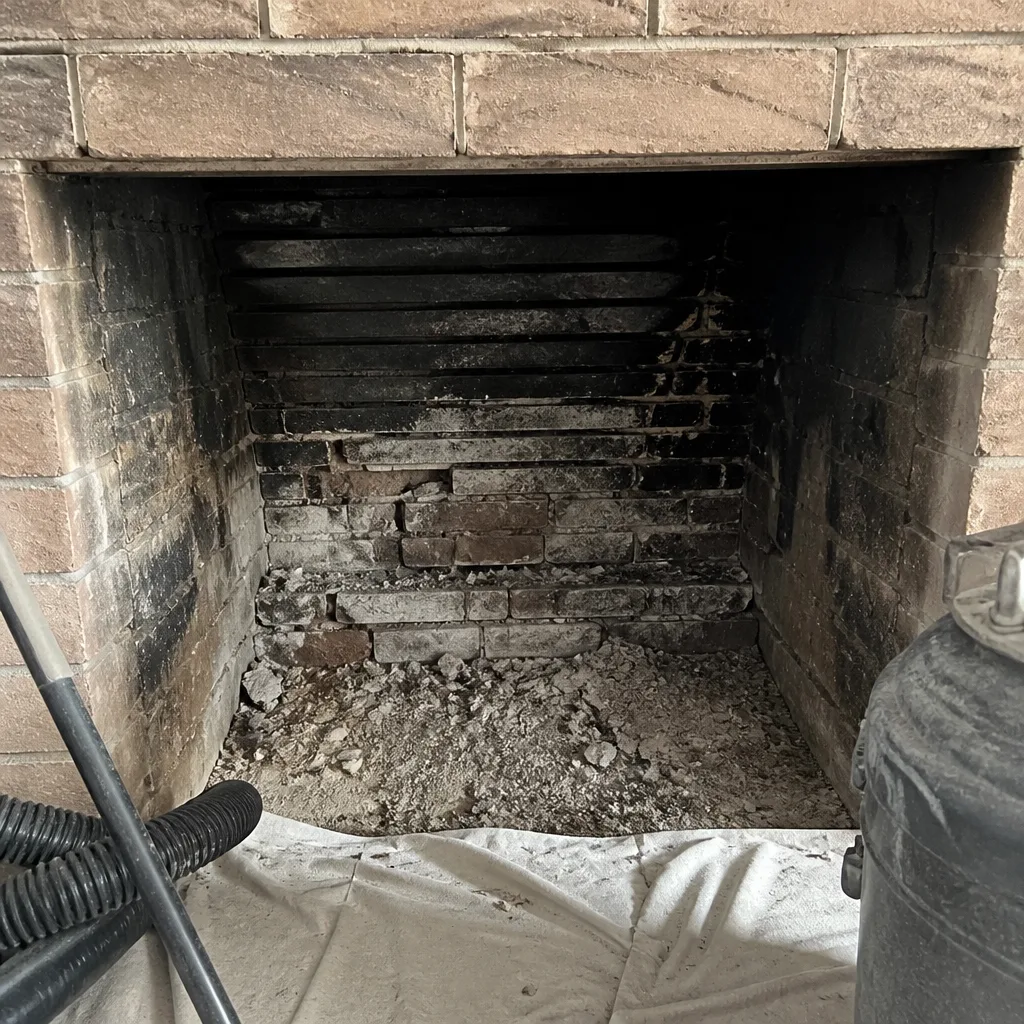 Before
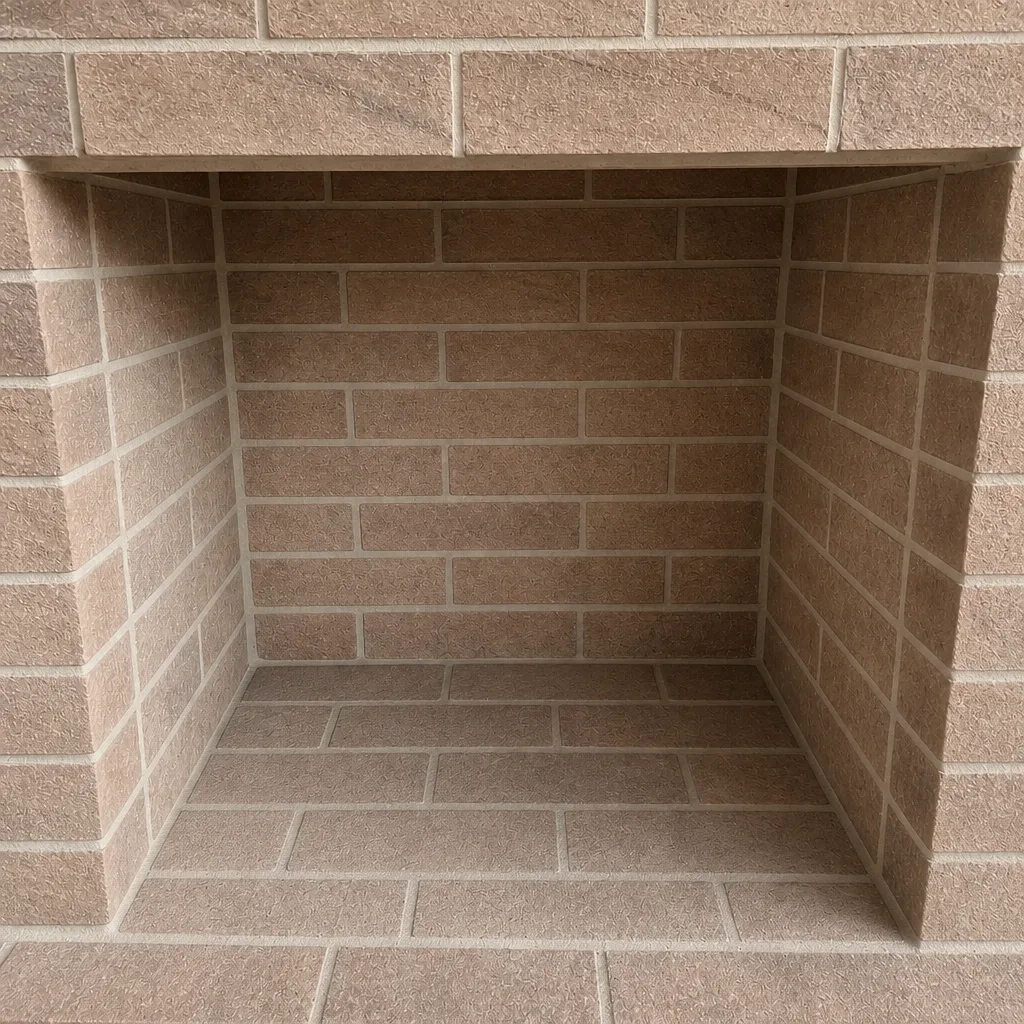 After
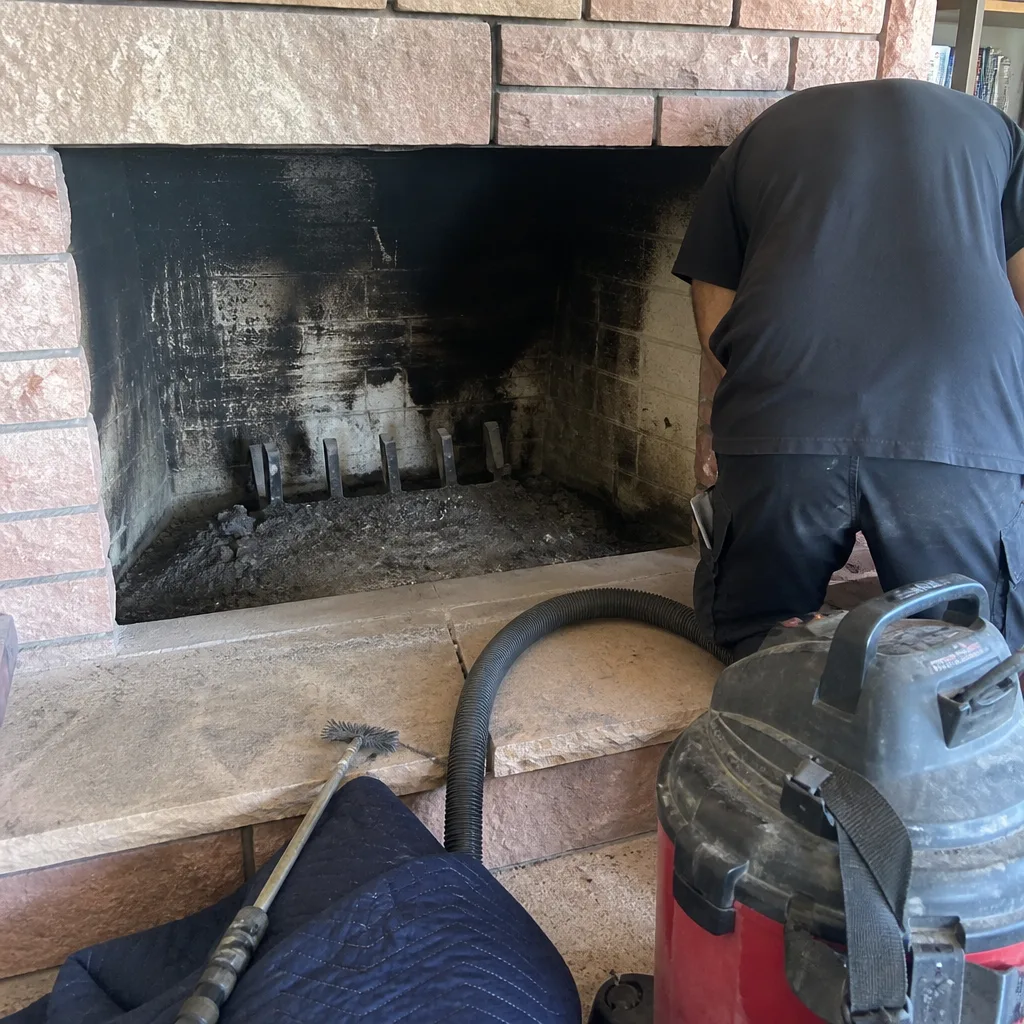 Before
 After
 Before
 After
When to Call a Professional
Some things are worth a phone call rather than a judgment call. Call a professional if you see smoke backing into the room when the damper is open, if you smell a strong smoky odor from the fireplace when it isn’t in use, if you notice cracked firebrick or crumbling mortar in the firebox, if the cap is visibly damaged or missing, if there’s staining on the ceiling or attic near the chimney, or if it’s simply been more than a year since the last inspection. Any of those means it’s time to have someone look with a camera and tell you plainly what’s there. Phoenix Chimney Cleaning offers free estimates in Phoenix, covering chimney sweeping, dryer vent cleaning, and chimney repair with the same team. Call (855) 360-8261. We answer 24/7. Fast dispatch from 7am to 7pm, Sunday through Friday.
When you call, we’ll ask what you’ve noticed and when the chimney was last serviced, and we’ll book a time that fits. If the inspection shows the liner needs work, we’ll show you the footage and explain the options, including HeatShield resurfacing when it qualifies and DuraFlex relining when it doesn’t. If nothing needs doing, we’ll tell you that too and you can wait until next year.
Frequently Asked Questions
Chimney maintenance in Phoenix is quoted per job based on what your chimney actually needs, so there’s no single number that fits every home. A standard annual sweep and inspection is the most common service, and repair work is priced separately depending on scope. The written estimate sets the final price before any work begins, and the estimate itself is free. Call (855) 360-8261 for an exact quote.
Schedule the sweep for September or early October, before your first fire of the season, and follow it with a post-monsoon inspection in late August or September. That timing puts the work before the burning season rather than in the middle of it, and it catches monsoon-related damage before it has a chance to spread. Call (855) 360-8261 to book a September slot before the pre-season rush.
Not necessarily, and nobody should tell you otherwise without showing you why. Liner condition is confirmed with a camera inspection, and the recommendation should come with footage you can see for yourself. If the liner is damaged, resurfacing with HeatShield can restore it in some cases, and full relining with DuraFlex is the option when resurfacing won’t hold. Ask to see the camera footage before you decide, and call (855) 360-8261 if you’d like an independent look.
Skipping maintenance lets creosote build up and lets small problems, like a cracked crown or a damaged cap, go unnoticed until they get bigger and more expensive. The real risk is chimney fire and carbon monoxide, both of which are tied to a flue that isn’t clear and sound. Skipping a year isn’t automatically a crisis, but skipping several in a row is how small issues become structural ones. Call (855) 360-8261 to get an honest assessment of where your chimney stands.
Yes, and it needs it more often than the chimney because it runs year-round. A clogged dryer vent is a fire hazard in its own right, and the signs include clothes taking longer to dry, a hot dryer, and a vent flap that doesn’t open fully. We clean dryer vents as a core service on the same visit as the chimney sweep. Call (855) 360-8261 to add it to your appointment.
You can safely check the firebox, the damper, and the cap from the ground, but the flue itself needs a technician’s camera and the roof work needs proper equipment. The parts you can’t see, including the upper flue, the liner, and the crown, are where most problems hide. A professional inspection is the only way to know the condition of the whole system. Call (855) 360-8261 to book one.
The Bottom Line
A Phoenix chimney checklist runs on two dates, not four seasons. Sweep and inspect in September before the first fire, then inspect again after monsoon in late August. Check the firebox, damper, and cap yourself, and leave the flue camera, roof work, and any repair to a technician. Put the dryer vent on the same annual schedule, keep a dated log of every service, and don’t trust a recommendation that doesn’t come with footage you can see. That order will keep your chimney sound through the burning season and give you the records to prove it when it matters.
If you’d rather have someone walk the whole checklist with you, that’s what we do. Call (855) 360-8261 for a free estimate. We answer 24/7. Fast dispatch from 7am to 7pm, Sunday through Friday.
Written by the team at Phoenix Chimney Cleaning, serving Phoenix since 2012.