
Last updated November 14, 2026
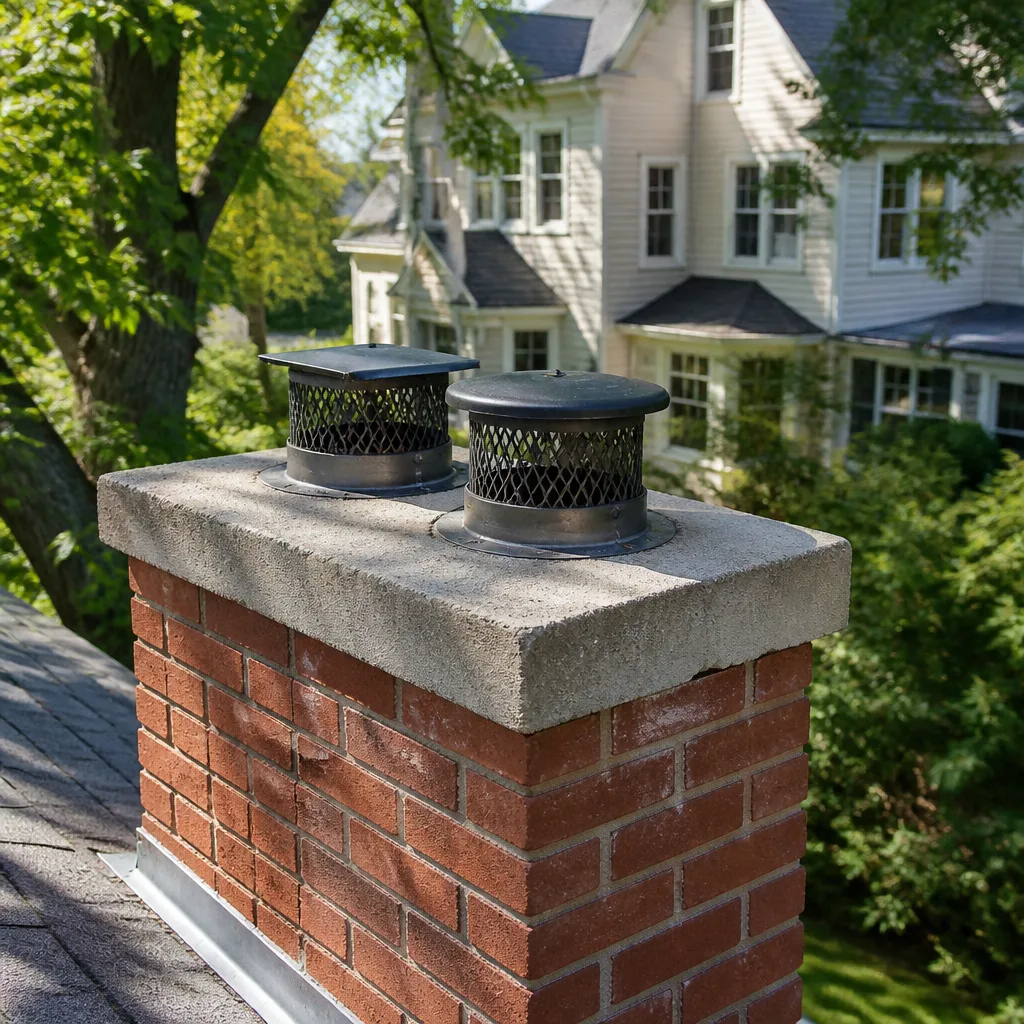 Sweep & inspection
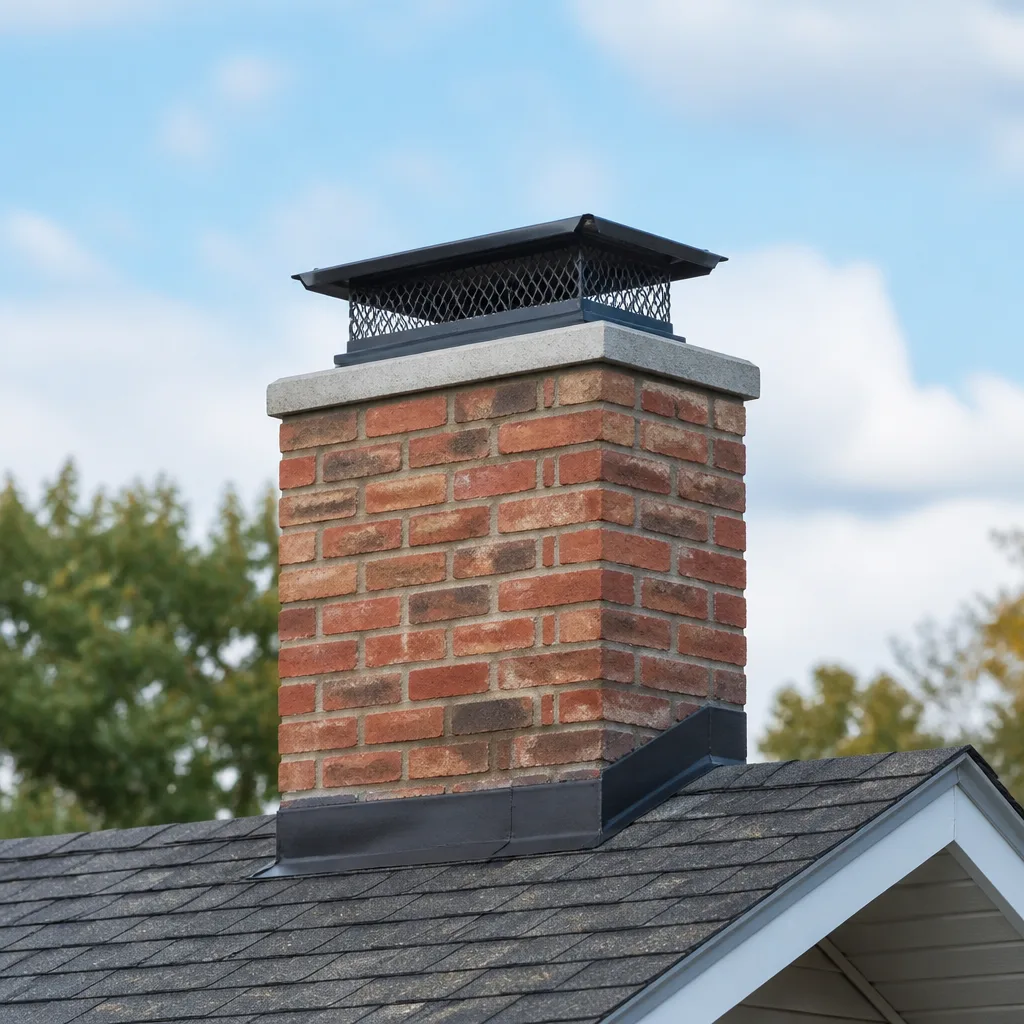 Caps & crowns
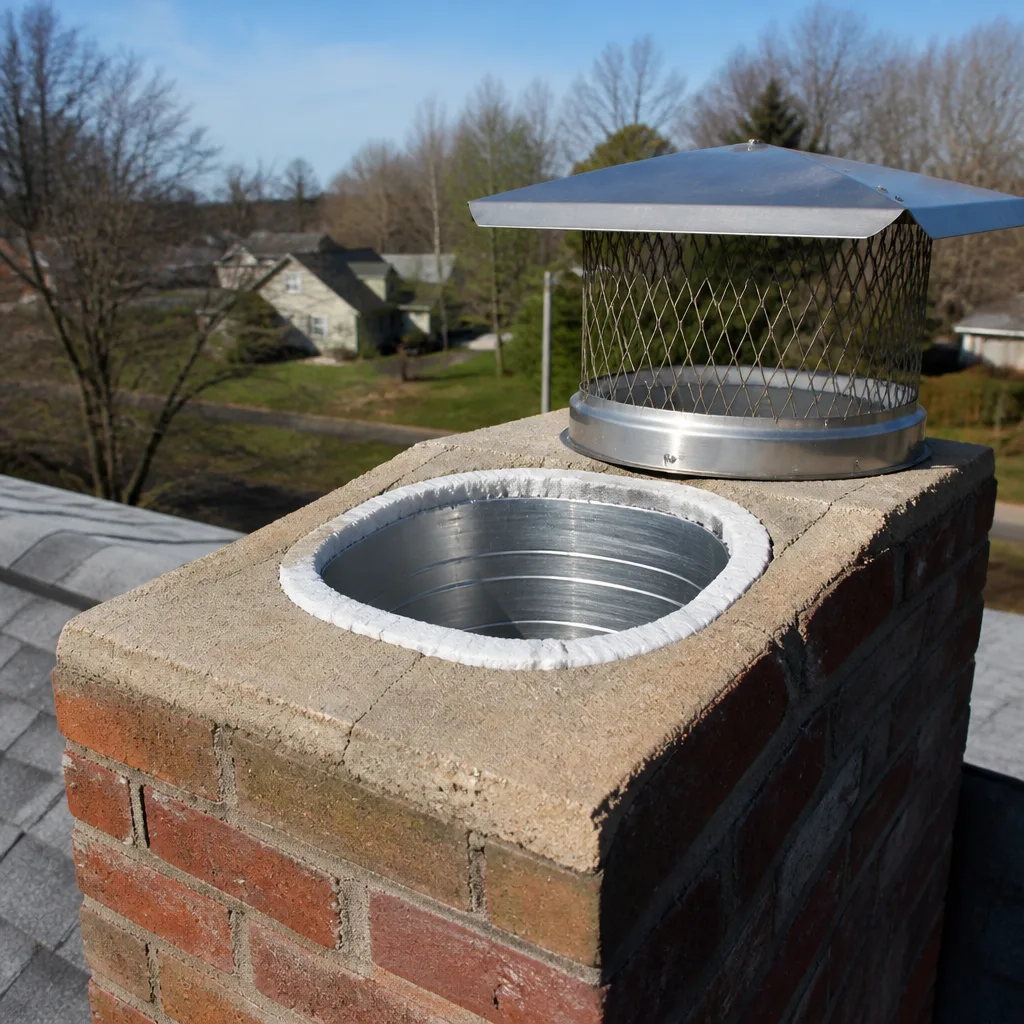 Flue relining
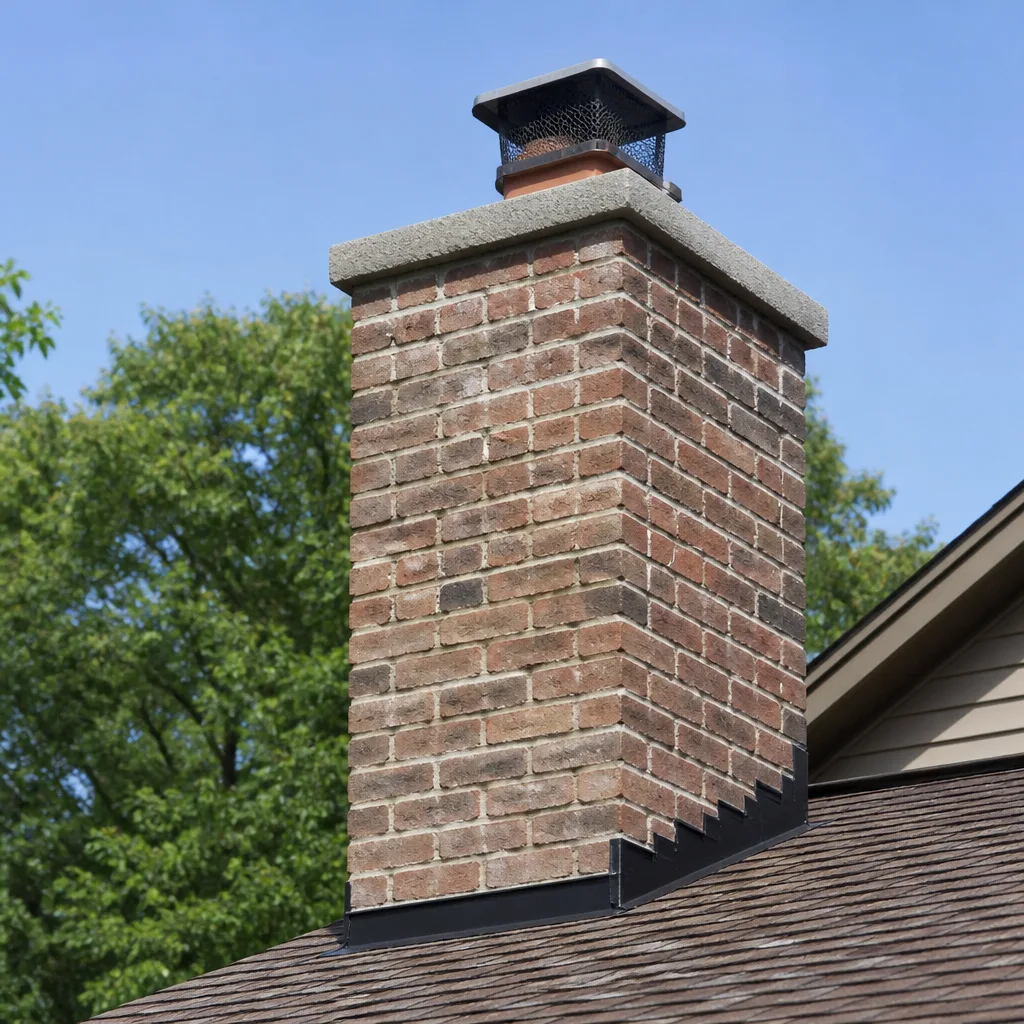 Masonry repair
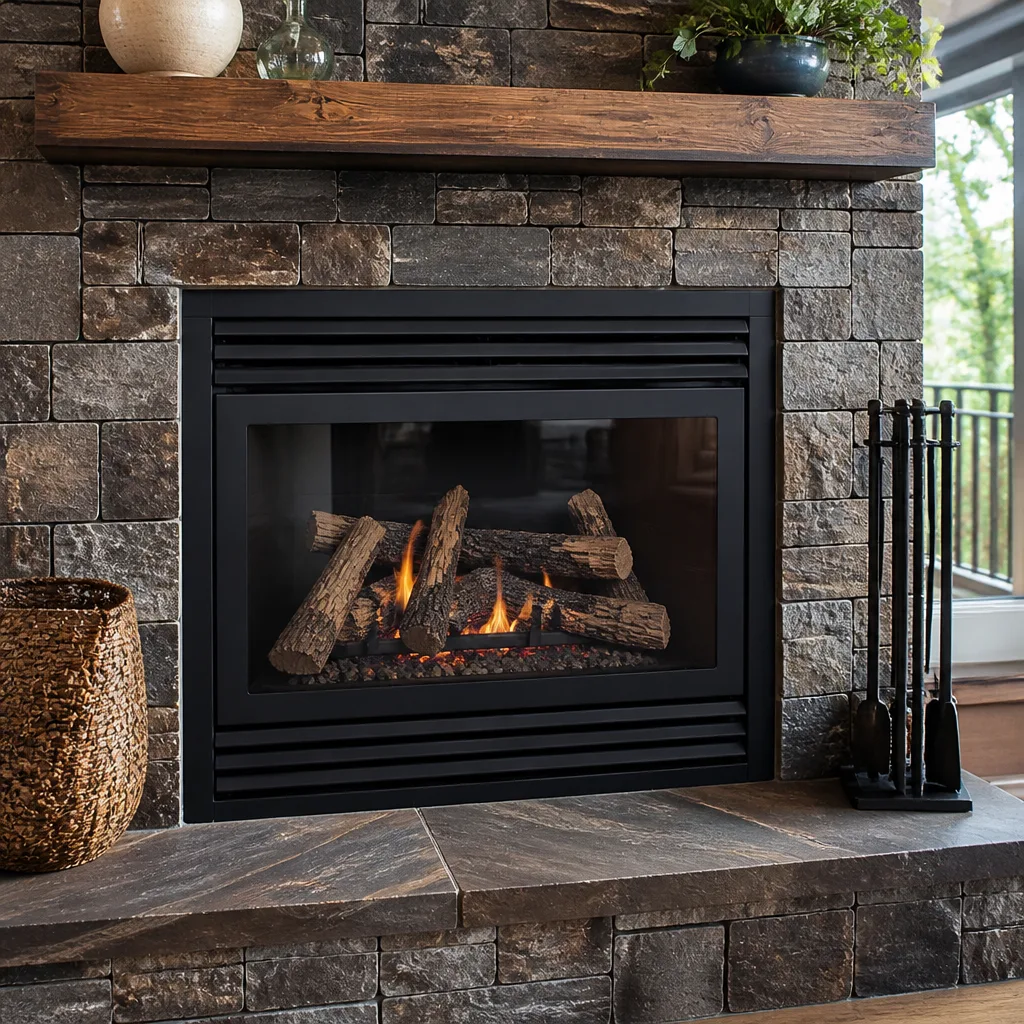 Gas fireplace service
Level 1 sweep and inspection to the NFPA 211 annual standard - flue, crown, cap, and flashing checked and photographed
Chimney sweep logs do not sweep chimneys. They loosen some creosote - which then falls where a brush and vacuum still have to collect it.
Chimney Sweep Maintenance Schedule: What to Do and When
If you’re following a chimney maintenance calendar written for the Midwest or Northeast, you’re probably doing the right tasks at the wrong times, and skipping the ones that actually matter here. Most national chimney advice assumes a wood fire burns six months a year and winter weather does the damage. In Phoenix, the opposite is closer to the truth: your fireplace sits idle through the hottest months, gas logs outnumber wood-burning fireplaces in many neighborhoods, and the real threats arrive with the monsoon and the spring nesting season. This guide lays out a maintenance schedule built around what Phoenix chimneys actually face, month by month, with clear lines between what you can check yourself and what needs a trained eye and a flue camera.
Styles & brands we work with
- Sweep & inspection
- Caps & crowns
- Flue relining
- Masonry repair
- Gas fireplace service
Quick Answer
In Phoenix, a chimney should be inspected once a year and swept before the burning season, which here starts around November. The key checkpoints are a pre-monsoon inspection in May to catch water damage before the rains, a post-monsoon check in October for leaks and debris, and a sweep in November before you light the first fire. Bird and pest nesting is the busiest blockage season, running February through April, so a cap inspection in late winter prevents most spring calls. Gas fireplaces still need annual inspection even though they produce no creosote.
Table of Contents
- Why a Phoenix Chimney Schedule Looks Different
- The Month-by-Month Phoenix Chimney Calendar
- The Pre-Monsoon Inspection (May)
- The Post-Monsoon Check (October)
- The Pre-Use Sweep (November)
- Maintenance by Fuel Type: Wood, Gas Logs, and Decorative Gas
- The Bird and Pest Window (February through April)
- Where Dryer Vent Cleaning Fits in the Annual Schedule
- What You Can Check Yourself vs. What Needs a Professional
- Common Mistakes to Avoid
- When to Call a Professional
- Frequently Asked Questions
- The Bottom Line
Why a Phoenix Chimney Schedule Looks Different
Standard chimney advice tells you to sweep in fall after a season of burning and inspect in spring. That logic works where creosote builds up steadily from October through March and frost cracks masonry. Neither is the main event in Phoenix. The desert climate means most fireplaces see light use over a short window, so creosote accumulation is often modest compared to cold-climate homes. Meanwhile, the conditions that cause the most damage here are months of intense sun on masonry and metal, sudden monsoon rain driven sideways against chimney tops, and a spring bird population that treats an uncapped flue as prime real estate.
That shift changes priorities. Water intrusion and pest blockage deserve more attention than they get in a generic schedule, while the frequency of sweeping can be lower for a household that burns a few cords a season. The tasks stay the same, but the timing and emphasis flip. A chimney in Phoenix is less a combustion machine that needs constant cleaning and more a structure that needs regular weather and wildlife checks around a short burning season.
A few local realities to keep in mind as you plan:
- Fireplaces here often go unused from April through October. Dust, debris, and nesting animals have eight quiet months to move in before you notice.
- Monsoon storms deliver short, intense rain that finds every gap in a crown, flashing, or cap. That water sits in masonry and rusts metal liners if it’s not addressed.
- Gas fireplaces are common in Phoenix and produce almost no creosote, but they still vent and still need an annual look at the flue, the venting, and the firebox.
- Birds, especially in the spring nesting window, are the source of a large share of spring blockage calls.
If you take nothing else from this guide, take this: build your schedule around the monsoon and the nesting season first, then fit sweeping around your actual burning habits. That’s the sequence that matches a Phoenix chimney’s real life. Our Phoenix Chimney Cleaning team plans every job on that basis, and it’s why we build the calendar this way rather than copying a northern template.
The Month-by-Month Phoenix Chimney Calendar
Here’s the full year laid out as a numbered schedule you can follow. Each entry is the task that pays off most in that period for a typical Phoenix home.
- January: Mid-burning-season check. Watch for smoke backing into the room, weak draft, or a sudden smell. Clear ash buildup and confirm the damper opens and closes freely.
- February through April: Bird and pest window. Inspect the cap and flue top for nesting material. This is the highest-risk period for blockage in Arizona.
- May: Pre-monsoon inspection. Check the crown, flashing, and masonry for cracks and gaps before the rains arrive. This is the single most important structural check of the year here.
- June through September: Monsoon season. After any major storm, look for water stains, rust, or loose material. Watch for leaks at the ceiling near the chimney.
- October: Post-monsoon check. Confirm the chimney came through the rainy season intact and address any water damage before it sets.
- November: Pre-use sweep. Have the flue swept and inspected before the first fire of the season. This is where a chimney sweep pays for itself.
- December: Active burning season. Keep an eye on draft and smoke behavior as you use the fireplace regularly.
- Dryer vent (any month you choose): Put dryer vent clearing on the same calendar once a year, more often for large households. More on this below.
You’ll notice the calendar puts the two monsoon checks and the bird window ahead of the sweep. That’s deliberate. In Phoenix, structural and pest issues cause more problems than creosote, and they show up before the burning season, not during it. The schedule keeps the sweep where it belongs, in November, ready for the first cold night.
The Pre-Monsoon Inspection (May)
May is the month to look the chimney over before the rains hit. The monsoon brings intense, wind-driven rain that finds every weakness in the top of the chimney, and once water gets into masonry or a cracked crown, it works its way deeper all summer. A May inspection catches those weaknesses while there’s still time to seal or repair them.
What a competent pre-monsoon inspection covers:
- The crown – the concrete or mortar cap at the top of the chimney. Hairline cracks are normal; open cracks, crumbling edges, or a crown pulling away from the flue are not.
- Flashing – the metal where the chimney meets the roof. Lifted or rusted flashing is the most common source of chimney leaks in Phoenix.
- Masonry and mortar joints – loose or missing mortar lets water in and weakens the structure.
- The cap and spark arrestor – a damaged cap stops keeping water and animals out.
- The flue interior – visible cracks, gaps in the liner, or heavy debris. A camera inspection shows the parts you can’t see from the top.
If something needs repair, professional-grade materials matter. We use HeatShield for resurfacing a damaged flue liner because it’s what specialty contractors specify, not what sits on the shelf at the hardware store. A May inspection that turns up a fixable problem is exactly the outcome you want: better to seal a cracked crown in May than to discover water damage in the ceiling in August.
The Post-Monsoon Check (October)
October is the mirror of May. The rains are done, and you want to confirm the chimney came through intact. By the end of September, any water that got in during the monsoon has had a season to sit. October is when you catch the leak that started in July but hasn’t yet shown up as a stain on the ceiling.
The post-monsoon check focuses on water and storm damage:
- Look for water stains on the ceiling or walls near the chimney, and on the chimney breast itself.
- Check the firebox and damper area for rust or dampness, which can point to a leak higher up.
- Recheck the crown and flashing for new cracks or lifted edges after the storm season.
- Inspect the cap for storm debris or damage.
- Confirm the flue is clear before the burning season.
October is also a smart time to look at the damper and firebox if your fireplace has sat unused since spring. Animals, dust, and debris have had months to settle in. A quick check now means the November sweep is routine rather than a surprise. If your fireplace is gas, the October check is when you confirm the venting and the pilot still behave as they should.
One benefit of an October check for a Phoenix homeowner: it lines up nicely with getting ready to actually use the fireplace. By the time you’re thinking about the first fire, you’ve already confirmed the structure is sound and the flue is clear.
The Pre-Use Sweep (November)
November is sweep month in Phoenix because it comes right before the burning season. The point is simple: you want a clean, clear flue before you light the first fire, not after you’ve spent a season burning into a dirty one. A flue blocked by creosote, bird nests, or fallen debris restricts draft and, in the worst case, sends smoke and carbon monoxide back into the room instead of up the chimney.
What happens during a professional sweep:
- The technician protects the floor and hearth, then works from both the top and the firebox as needed.
- The flue is brushed clean, and the debris is removed, not left to drift back down.
- A camera inspection checks the liner, joints, and any offset for cracks or gaps.
- You get a straightforward report on what was found, what’s fine, and what genuinely needs attention.
That last step matters. A good sweep is also an inspection. You should walk away knowing the condition of your flue, not just that it was cleaned. If the liner is damaged, there’s a real difference between a repair and a full replacement. HeatShield resurfacing can restore a damaged liner without the cost of full relining, and when a full reline is the right call, a DuraFlex liner system does the job properly instead of patching and hoping. Most sweep-only operations can’t offer either, so the sweep and the fix have to be done by different companies. We’d rather tell you honestly which one your flue needs and handle it ourselves.
Scheduling the sweep in November also means you’re not competing for an appointment with people who wait until the first cold night to call. In our experience, the closer you get to the holidays, the tighter the calendar gets. Book in November, before the rush, and you’re ready when the weather turns.
Maintenance by Fuel Type: Wood, Gas Logs, and Decorative Gas
Not every Phoenix fireplace needs the same maintenance. The fuel type changes what builds up, what can go wrong, and what the inspection should focus on. A schedule that treats every fireplace the same misses those differences.
Wood-burning fireplaces
- What builds up: Creosote and soot in the flue. How fast depends on how much you burn, how dry the wood is, and how well the fire drafts.
- Annual tasks: A sweep before the season, a full flue inspection with a camera, and a check of the firebox, damper, and cap.
- Watch for: Glazed creosote, smoke rolling into the room, and masonry cracks that let water and gases through.
Wood-burning fireplaces carry the most combustion risk, so the annual sweep is the task that matters most. A yearly inspection is the floor, not a ceiling; heavy burning may call for a mid-season check too.
Gas log fireplaces
- What builds up: Little to no creosote, but the firebox, logs, and venting still collect dust and can develop soot from an improperly adjusted flame.
- Annual tasks: Inspect the flue and venting, check the firebox for corrosion, look at the logs and burner for soot or blockage, and confirm the vent is clear.
- Watch for: A yellow, lazy flame where it should be blue and crisp, soot on the logs, or a smell that lingers when the fireplace is off.
Gas logs still vent. They still produce carbon monoxide, and they still need a clear flue. Skipping the annual check because “it’s just gas” is a common mistake, and it’s the one that lets venting problems build up quietly.
Decorative gas fireplaces and inserts
- What builds up: Dust and debris in the firebox, and potentially issues with the venting and the termination point.
- Annual tasks: Check the venting, the termination cap, and the firebox. Confirm nothing is blocking the flue, especially after the nesting window.
- Watch for: A cap that’s been damaged by storms or blocked by birds, which matters as much for a gas fireplace as a wood one.
Whatever your fuel type, the same annual rhythm applies: pre-monsoon check in May, post-monsoon check in October, and a service visit before the season. What changes is what the technician focuses on. That’s why we ask about your fireplace setup when you book, because the checklist depends on it.
The Bird and Pest Window (February through April)
Arizona’s spring is when birds look for a place to nest, and an uncapped chimney looks like a good one. From February through April, chimney tops fill with nesting material, twigs, and the occasional bird that gets trapped inside. It’s the single most common cause of spring blockage calls here, and it’s almost always preventable.
A late-winter cap inspection heading into this window prevents most of these calls. The task is simple:
- In late January or February, look at the chimney cap from the ground. Confirm it’s intact and properly sized over the flue.
- Check that there’s no gap between the cap and the flue that a determined bird can get through.
- After the nesting window, in late April or early May, check again for material that got in anyway.
- If you hear scratching, fluttering, or smell something unusual from the fireplace in spring, treat it as a possible nest and have the flue checked before you burn.
This is why the cap and its condition come up so often in our work. It’s a small piece of metal doing a big job: keeping water, animals, and debris out of the flue. A missing or damaged cap is an invitation. Replacing one is a straightforward repair, far less trouble than clearing a nest and checking what the birds brought in. The nesting window is also when a pre-use inspection has the highest odds of finding something, so if you notice anything unusual in spring, don’t wait until November to look.
Where Dryer Vent Cleaning Fits in the Annual Schedule
Your chimney isn’t the only venting system in the house that needs regular attention. The dryer vent carries hot, lint-laden air out of your home, and lint buildup is a fire risk. It belongs on the same annual calendar as the chimney, and the timing can be simpler: pick a month, do it once a year, and adjust for how your household actually uses the dryer.
As a rough guide for how often to clean the dryer vent:
- One or two people: Once a year is a reasonable baseline.
- A family of four or more: More frequent, since more laundry means more lint.
- Heavy use or long dryer runs: If you dry several loads a day or the dryer vent run is long, tighten the interval.
- Any of these signs: Clothes taking longer to dry, the dryer feeling hot to the touch, a burning smell, or lint visible around the vent outside. Clean it now, then set the next date.
We handle dryer vent cleaning as one of our core services, not an add-on, because it’s the same category of problem as the chimney: a vent carrying hot exhaust out of the house, with a buildup risk. When we do a chimney visit, checking the dryer vent on the same trip is efficient and gets both venting systems on the same annual rhythm. One call covers your chimney and your dryer vent, both are venting problems, both are fire risks, and we handle both. That’s the practical reason to put them on the same schedule.
What You Can Check Yourself vs. What Needs a Professional
Not everything on this calendar needs a technician. Some checks are safe and useful to do yourself, and knowing which is which saves you money without putting you at risk. Firebox and flue work are not do-it-yourself territory.
Safe to check yourself:
- The cap: Look from the ground with binoculars. Confirm it’s intact, covers the flue, and has no obvious gaps.
- The visible crown: If you can see the top of the chimney safely from below, note any large cracks or crumbling edges. Don’t climb the roof to inspect it.
- Damper function: Open and close it from the firebox. It should move freely and seal when closed.
- Smoke and draft: When you test a fire, watch for smoke rolling into the room, a sign of a restricted flue.
- Water stains: Check the ceiling and walls near the chimney, and the firebox, for dampness or staining.
- The dryer vent exterior: Check the outside vent for lint buildup or a flapper that won’t open.
Leave to a professional with the right tools:
- Flue interior inspection: Seeing cracks, gaps, and creosote condition requires a camera.
- Sweeping: Brushing the flue safely means the right brushes and containment, and no mess in the house.
- Liner assessment and repair: Whether a liner needs HeatShield resurfacing or a full DuraFlex reline is a judgment call that needs a camera and experience.
- Masonry and crown repair: Roof work is risky, and the repair needs to hold against monsoon rain.
- Any gas appliance work: Gas lines and venting are not a homeowner job.
Roof climbing is a real hazard, and so is working in a flue. The checks you can do from the ground and the firebox give you good early warning. The rest is what the annual professional visit is for, and it’s why we bring a camera and show you what we find instead of just telling you a verdict.
Common Mistakes to Avoid
- Following a northern calendar. Sweeping in spring and ignoring the monsoon gets the timing backwards for Phoenix. Build the schedule around the May and October checks, plus the February through April nesting window.
- Skipping the gas fireplace. Gas logs and decorative gas fireplaces still vent and still need an annual inspection. “It’s just gas” is how venting problems go unnoticed for years.
- Ignoring the cap until birds move in. Spring nesting is the top blockage cause here, and a late-winter cap check prevents most of those calls. Don’t wait until you hear fluttering.
- Waiting for the first cold night to book a sweep. November is the right month, and the closer you get to the holidays, the harder it is to get on the schedule. Book ahead.
- Treating a sweep as the whole job. A clean flue with a cracked liner is still a problem. Ask for the inspection and a report on the liner, not just a cleaning.
- Assuming a light-burning season means no maintenance. Eight idle months let dust, debris, and animals into an unused flue. The structure needs checking even when the fireplace doesn’t get much use.
- Forgetting the dryer vent. It’s a vent carrying hot exhaust and lint, and it needs its own annual clearing. Put it on the same calendar as the chimney.
When to Call a Professional
Some situations call for a technician rather than a glance and a note. Call when smoke rolls into the room when you light a fire, when you smell a strong odor from the fireplace even when it’s off, or when you see water stains near the chimney. Call if you hear scratching or fluttering from the flue in spring, or if the cap is damaged or missing. Call if your liner condition is unknown and you haven’t had a camera inspection in a while. Call if the damper sticks or won’t seal. Any of these points to a problem a professional should look at before you burn again. Phoenix Chimney Cleaning offers free estimates in Phoenix. Call (855) 360-8261. We answer 24/7. Fast dispatch from 7am to 7pm, Sunday through Friday. We’ll tell you what the flue needs, and we have the materials and training to do the repair on the same visit when possible.
Frequently Asked Questions
Once a year is the baseline for a Phoenix home, timed in November before the burning season. How much you burn affects it: a fireplace used most winter nights may call for a mid-season check, while a lightly used one can stay on the annual schedule. The annual inspection matters as much as the sweep, because it catches liner and structural problems a brush won’t.
Yes. Gas logs and decorative gas fireplaces still vent exhaust, still produce carbon monoxide, and still need the flue and venting checked once a year. There’s little to no creosote, so sweeping may not be needed, but the inspection and vent check are not optional. Call (855) 360-8261 to get a gas fireplace on the schedule.
Late winter and spring, roughly February through April, when birds nest in uncapped chimneys. It’s the most common cause of spring blockage calls in Arizona. A cap inspection in late January or February prevents most of them, and a follow-up check in late April catches anything that got in anyway.
You need the inspection more than the sweep in that case. A flue can be clean of creosote and still have a cracked liner, a damaged crown, or debris from the nesting season. The annual visit is really an inspection that includes a sweep when needed. Call (855) 360-8261 for an exact quote, and estimates are free.
Monsoon rain is wind-driven and finds every crack in the crown, flashing, and masonry, which is why we check those in May before the rains and then recheck in October after them. Water that gets in during the summer can sit in the masonry for weeks. The pre-monsoon inspection is the most important structural check of the year in Phoenix.
You can check the cap from the ground, open and close the damper, watch for smoke problems, and look for water stains. You cannot safely inspect the flue interior, assess a liner, or repair masonry. Those need a camera and a trained eye, and roof work is a real hazard. Call Phoenix Chimney Cleaning for the parts that need a professional.
The Bottom Line
A Phoenix chimney doesn’t follow the national calendar. Build your year around a pre-monsoon inspection in May, a post-monsoon check in October, and a sweep in November before you burn. Add the bird and pest window from February through April, and put dryer vent cleaning on the same annual rhythm. Differentiate your maintenance by fuel type: wood, gas logs, and decorative gas each need their own checklist. Check the cap, the visible crown, and the damper yourself, and leave the flue interior, liner, and masonry to a professional with a camera and the right materials. Done this way, the schedule matches the problems Phoenix chimneys actually have, and you’re ready for the first cold night instead of scrambling after it. If you’d like a free estimate to get your chimney on this schedule, call (855) 360-8261 for Phoenix service. We answer 24/7. Fast dispatch from 7am to 7pm, Sunday through Friday. Our crews handle chimney sweeping, dryer vent cleaning, and chimney repair with professional-grade materials from brands like HeatShield, Gelco, Olympia Chimney, and Famco. Straightforward assessment, professional materials, work that holds.
Written by the team at Phoenix Chimney Cleaning, serving Phoenix since 2012.
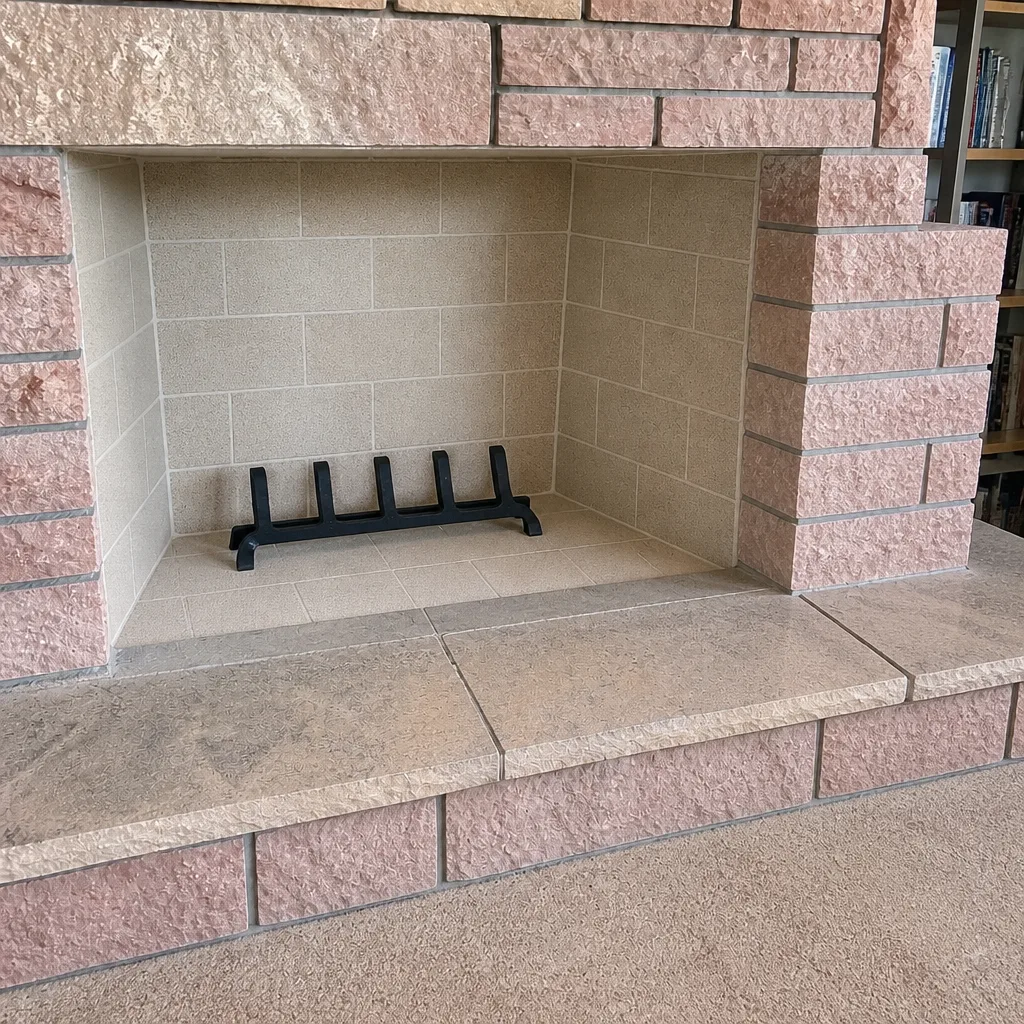
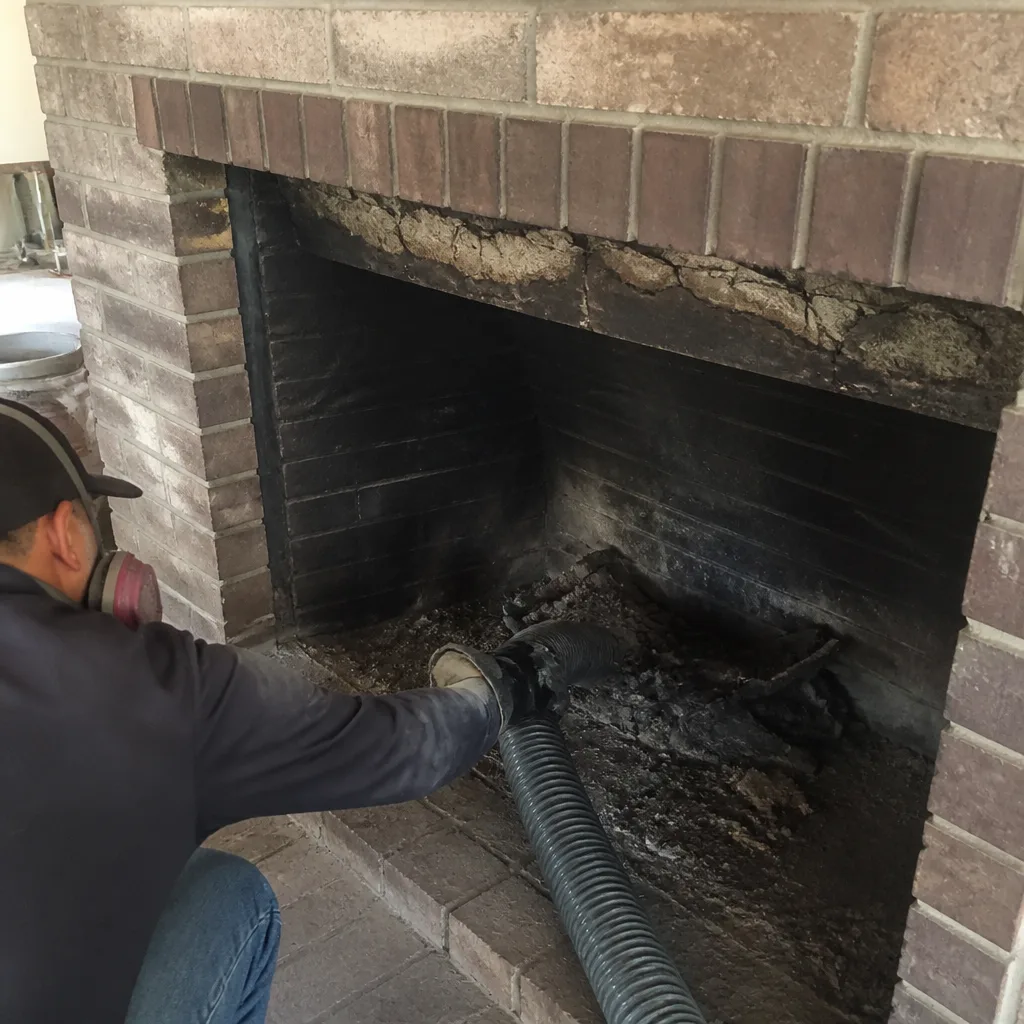
See the difference
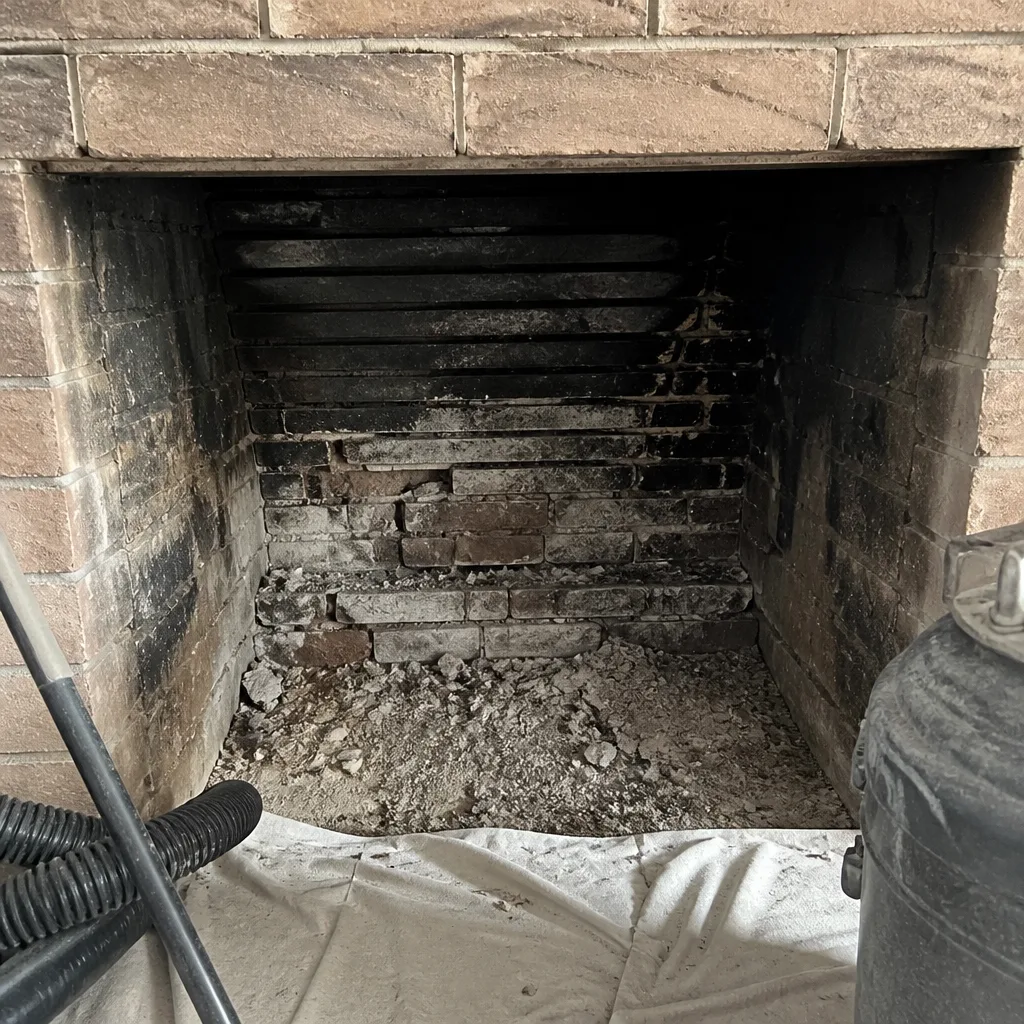 Before
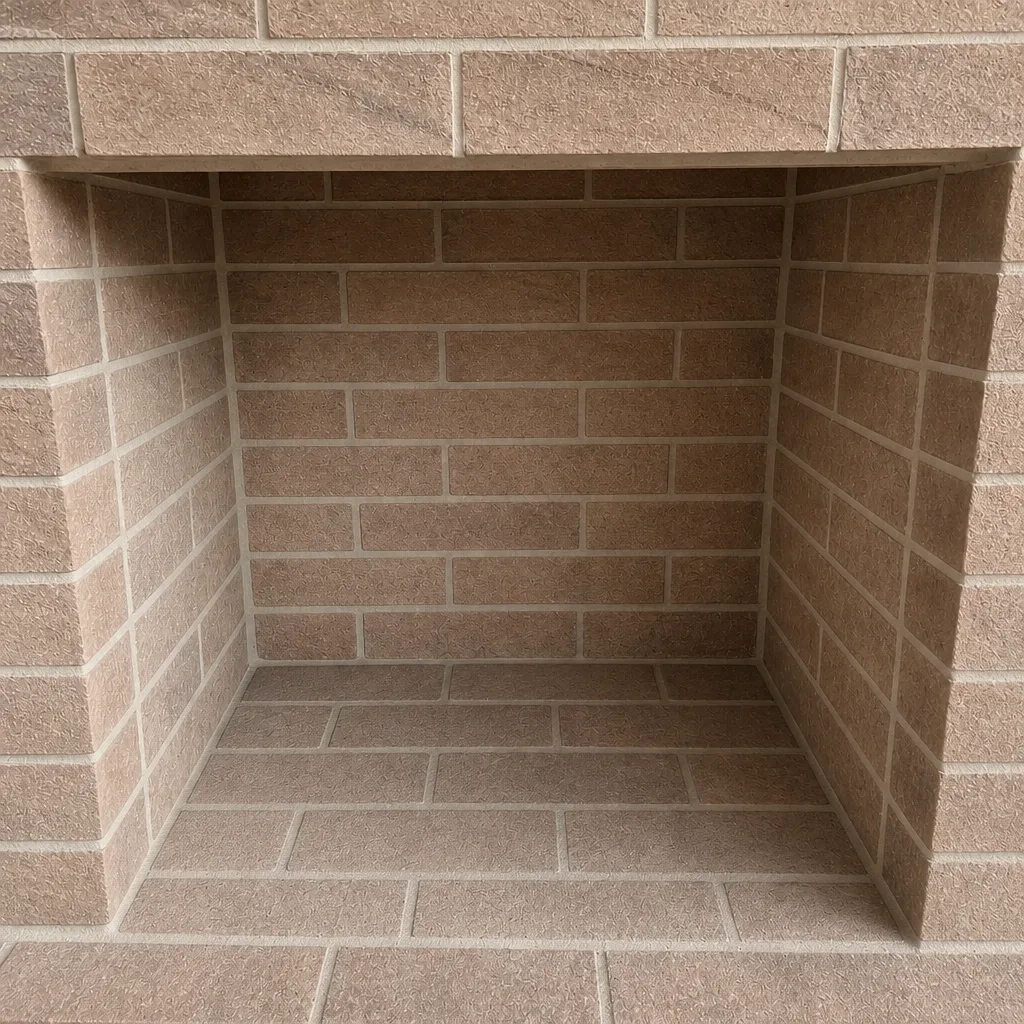 After
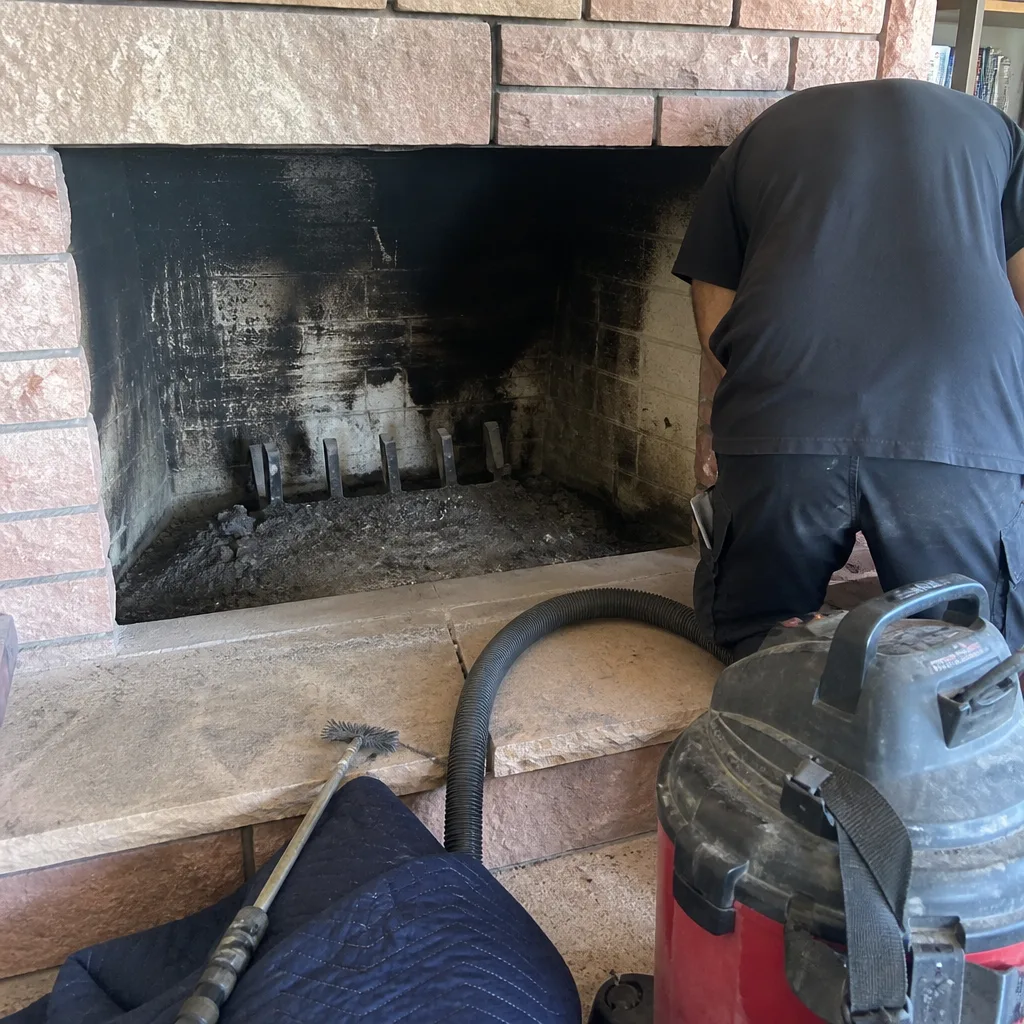 Before
 After
 Before
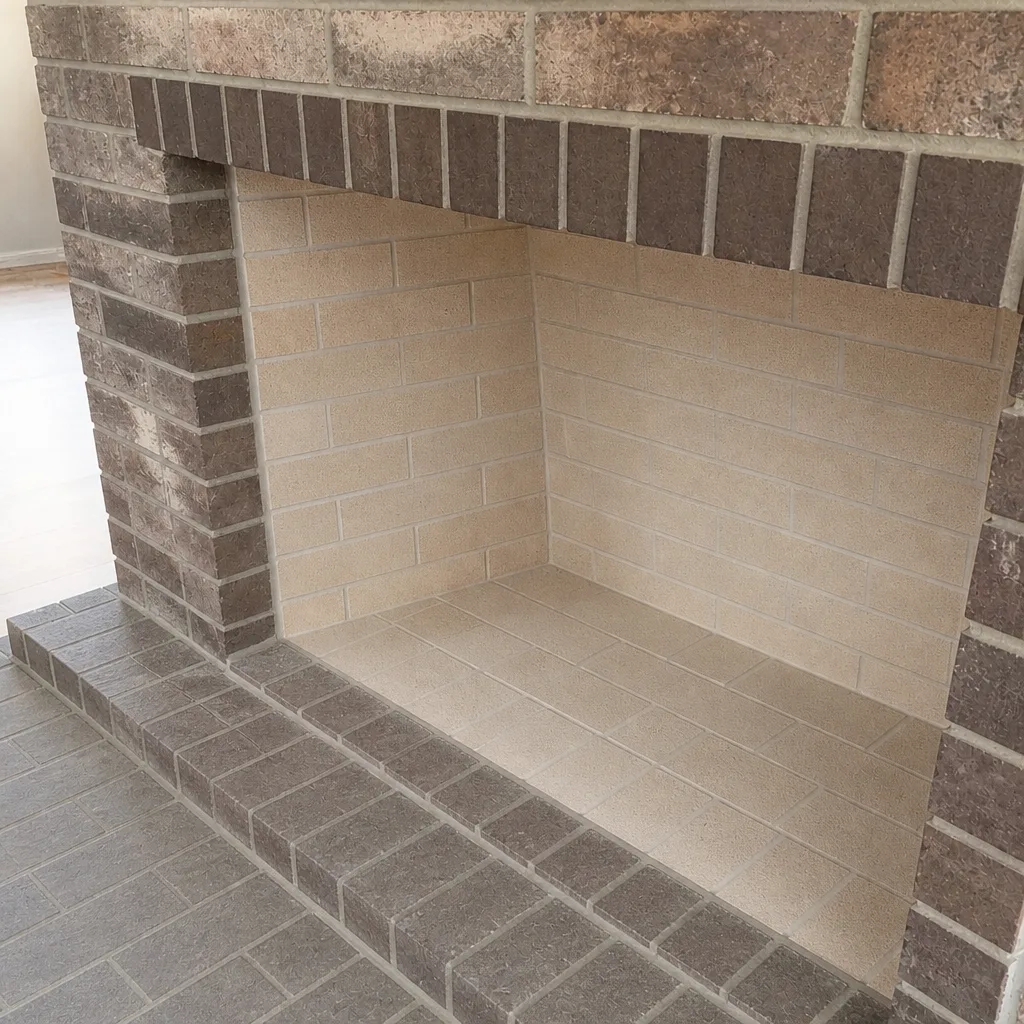 After