
Last updated November 14, 2026
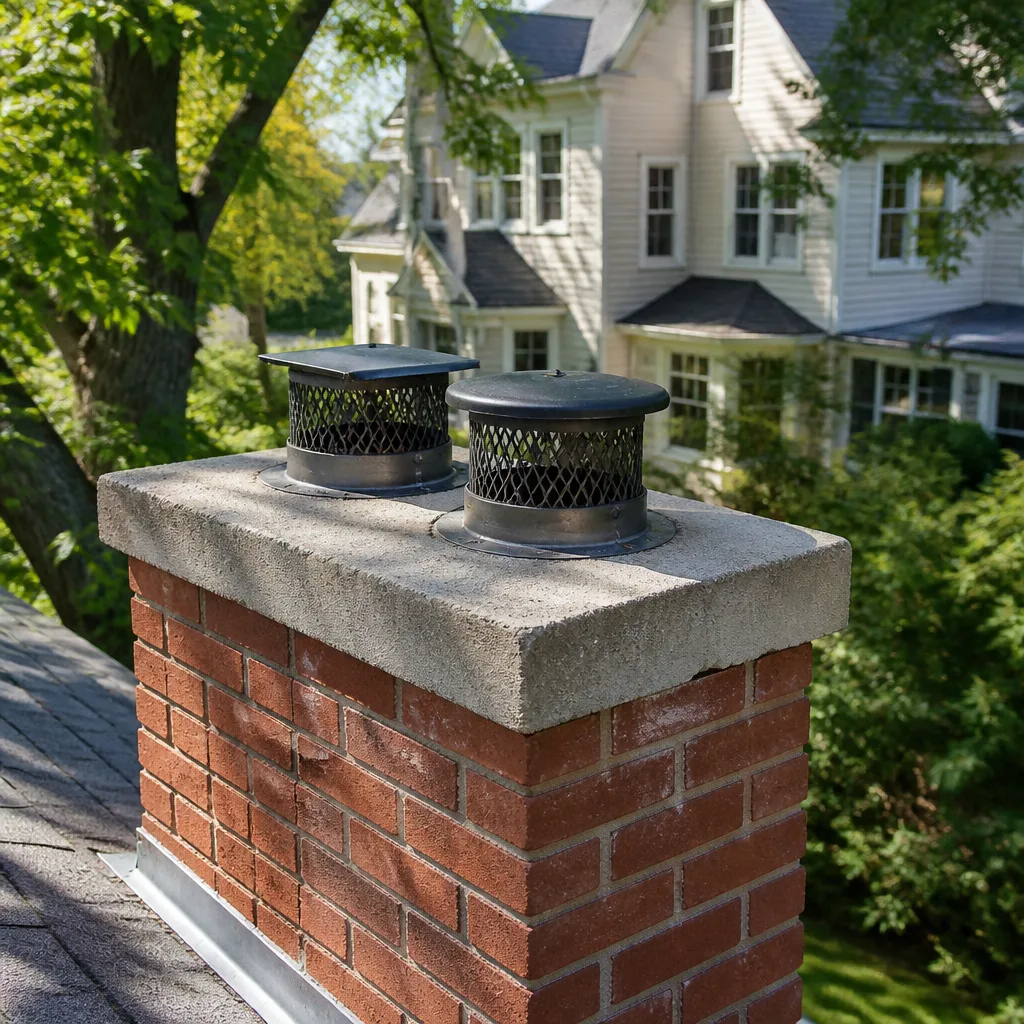 Sweep & inspection
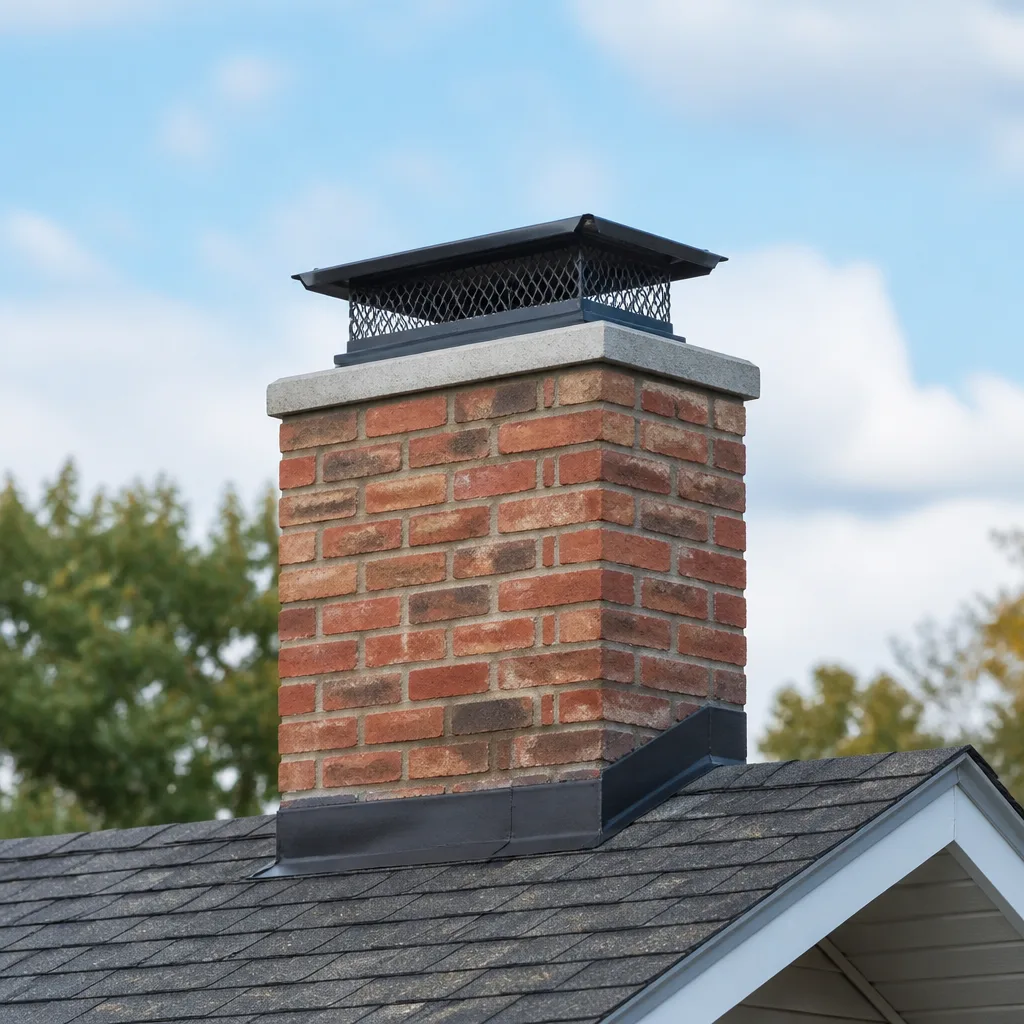 Caps & crowns
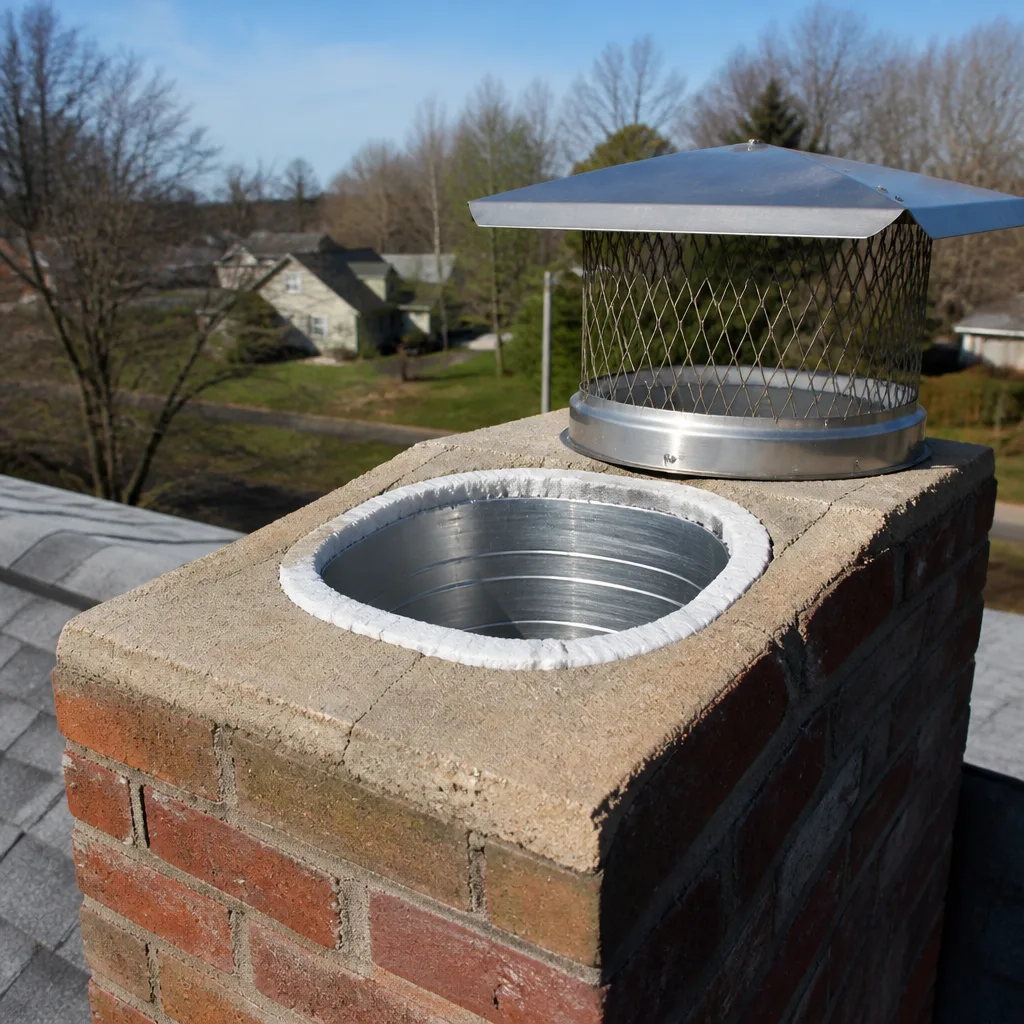 Flue relining
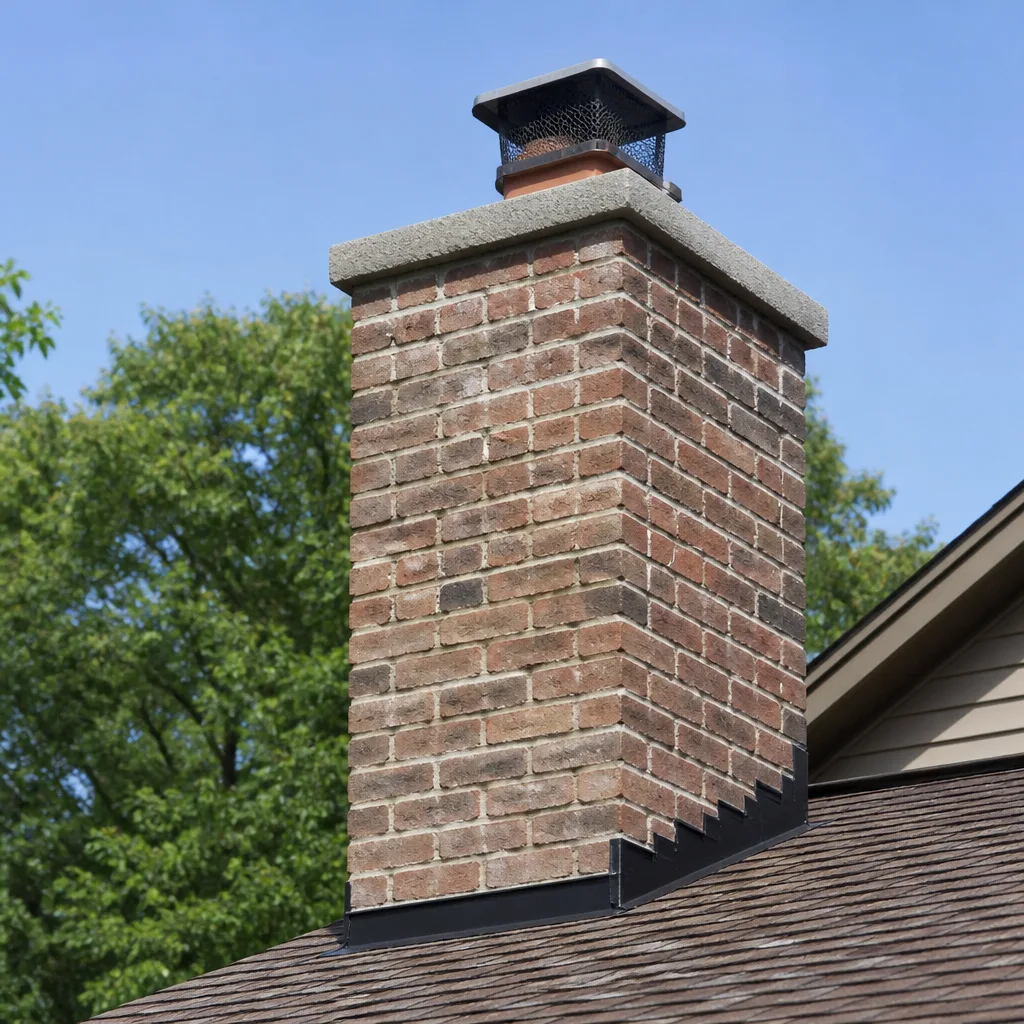 Masonry repair
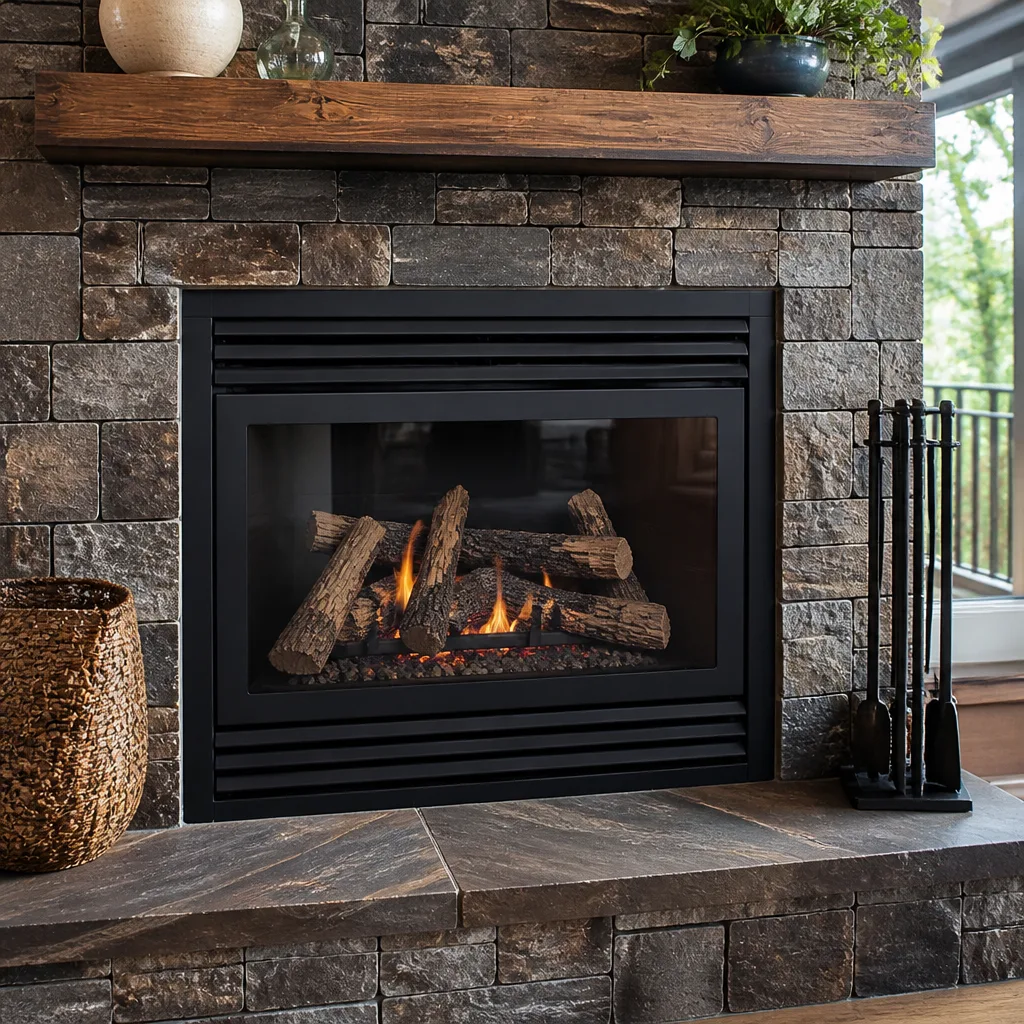 Gas fireplace service
Level 1 sweep and inspection to the NFPA 211 annual standard - flue, crown, cap, and flashing checked and photographed
Chimney sweep logs do not sweep chimneys. They loosen some creosote - which then falls where a brush and vacuum still have to collect it.
Chimney Cleaning Permits, Codes & Inspections in Phoenix, AZ: What You Need to Know
Here’s the part that surprises most Phoenix homeowners: the cleaning itself is the simple side of the paperwork. A routine sweep of a wood-burning fireplace doesn’t trigger a permit in this city, and nobody from the city is going to inspect your flue after we run a brush through it. The confusion starts the moment the job changes shape. A cracked liner, a rusted chase cover, a cap that blew loose in a monsoon gust, a fireplace insert you want to add. Those move you from maintenance into construction, and construction has rules. This guide walks through where that line sits, what a Level 2 inspection actually is and when the law expects one, and how to keep documentation that holds up at resale. We’ve watched homeowners in Phoenix get burned by missing paperwork far more often than by creosote.
Quick Answer
In Phoenix, routine chimney cleaning is generally permit-exempt, but structural changes, relining, and cap or chase cover replacement can require a permit through the City of Phoenix Building Services. Arizona has adopted the International Residential Code, which sets the liner, clearance, and venting specs those permits are checked against. A Level 2 inspection is expected after a chimney fire, during a real estate transaction, and after any change to the system. Always confirm current requirements with the city before work begins, and get the inspection report in writing.
Styles & brands we work with
- Sweep & inspection
- Caps & crowns
- Flue relining
- Masonry repair
- Gas fireplace service
Table of Contents
- Which chimney services need a permit in Phoenix?
- How the International Residential Code shapes your chimney
- What a Level 2 inspection is and when you legally need one
- How to request inspection documentation
- Pulling a permit vs. working permit-free: why it matters at resale
- Why Phoenix conditions change the inspection calendar
- Step-by-step: getting your chimney work done the right way
- Common mistakes to avoid
Which chimney services need a permit in Phoenix?
The clean split is between maintenance and modification. Cleaning, sweeping, and inspection are maintenance. Anything that changes the physical system is a modification, and that’s where the City of Phoenix Building Services gets involved.
Routine work that typically doesn’t need a permit:
- Standard chimney sweeping and creosote removal
- Level 1 and Level 2 inspections
- Dryer vent cleaning (a separate system, but the same venting logic)
- Minor cap re-seating where no new component is installed
- Cosmetic firebox cleaning
Work that commonly triggers a permit requirement:
- Installing a new chimney liner or relining an existing flue
- Replacing a chase cover or installing a new cap system
- Adding or replacing a fireplace insert
- Structural masonry repair to the chimney stack
- Converting a wood-burning fireplace to gas
- Any change to the flue’s height, diameter, or termination
The line isn’t arbitrary. A permit exists so a city inspector can confirm the work matches code before it’s buried behind drywall or sealed under a cap. Liner diameter, clearance to combustibles, and termination height are the things inspectors check, and those are exactly the things a permit-free job tends to skip. We use Phoenix Chimney Cleaning materials like DuraFlex and HeatShield because they meet the specs inspectors look for, not because they’re convenient.
One caution: requirements shift, and the City of Phoenix can update its permitting thresholds. Before any repair work starts, confirm the current rule with Building Services directly. We do that on our end too, because getting it wrong costs the homeowner, not the contractor.
How the International Residential Code shapes your chimney
Arizona has adopted the International Residential Code (IRC) as the basis for residential construction standards. The IRC’s chimney and venting chapter covers the specs that matter most in a Phoenix home: liner material and thickness, clearance from combustibles, and termination height above the roof.
What the IRC controls in practical terms:
- Liner requirements. A flue must be lined with an approved material suitable for the fuel type. An unlined or damaged flue doesn’t meet the standard, which is why relining is a code issue, not just a performance issue.
- Clearance to combustibles. Wood framing, sheathing, and insulation must maintain the required distance from the flue. In older Phoenix homes, especially those built before modern clearance standards, this is where problems surface during inspection.
- Termination height. The chimney must extend the required distance above the roof line and nearby structures so exhaust vents properly and doesn’t draft back into the home.
- Cap requirements. A listed cap or spark arrestor protects the flue from debris, water intrusion, and animals. Phoenix’s dust and bird activity make an uncapped flue a chronic problem.
When a permit is pulled, the inspector verifies the work against these IRC provisions. That’s the reason a permit matters: it’s the only independent check that the liner you paid for actually meets the standard. A contractor who relines a chimney without a permit may still do good work, but nobody verifies it, and that absence follows the house.
What a Level 2 inspection is and when you legally need one
The National Fire Protection Association (NFPA) defines three inspection levels, and the Level 2 is the one with legal weight. It includes everything in a Level 1 plus a video camera scan of the flue interior and inspection of accessible portions of the chimney exterior and attic.
When a Level 2 inspection is expected:
- Real estate transaction. A home sale is the most common trigger. Buyers, lenders, and insurers want documented evidence of the chimney’s condition before closing.
- After a chimney fire. Even a small one can crack a clay liner. A Level 2 is how you confirm the flue is still sound.
- After any change to the system. A new liner, a new appliance, a fuel conversion, or a change in the chimney’s operating conditions.
- After an earthquake or major storm event. Structural shifts can open gaps that aren’t visible from the firebox.
- When switching fuel types or adding an insert. The venting requirements change with the appliance.
The camera scan is the part that matters in Phoenix. Our dry climate is hard on masonry. Clay tile liners crack from thermal stress over decades of heating and cooling cycles, and a Level 1 visual check from the firebox simply can’t see those cracks. A camera can. That’s why we run camera inspection and include a photo report with the findings. You should be able to look at the images yourself and understand what you’re seeing.
How to request inspection documentation
Ask for the report before the technician leaves, and ask what it includes. A contractor who does this every day will have a standard format ready. If they don’t, that’s information.
A complete inspection report should include:
- The inspection level performed and the date
- The method used (visual, video camera, or both)
- Photographs of the firebox, damper, smoke chamber, flue interior, crown, and cap
- Measured flue dimensions and liner material identified
- Any deficiencies noted, with location and severity
- Recommendations, separated into urgent and monitor
- The technician’s name and the company’s information
Keep that document with your home records. It’s evidence at resale, and it’s evidence for an insurance claim after a fire. An insurer investigating a claim will ask what maintenance was done and when. A dated inspection report answers that question cleanly; the absence of one invites a harder conversation. We tell every customer the same thing: if you can’t produce a report, you don’t have a record.
Pulling a permit vs. working permit-free: why it matters at resale
A permit creates a paper trail. The city reviews the scope, an inspector verifies the work, and the permit close-out becomes part of the property’s record. A permit-free job leaves none of that.
At resale, the difference shows up in three places:
- The buyer’s inspection. A home inspector who finds a recently relined chimney will ask for documentation. No permit, no record.
- The buyer’s lender and insurer. Both can require evidence the chimney meets current code. An unpermitted liner may need to be re-inspected or, in the worst case, redone.
- Disclosure. Arizona requires sellers to disclose known material defects. Unpermitted work on a major system is exactly the kind of thing a buyer’s attorney will ask about.
Sometimes good work gets done without a permit because the homeowner didn’t know one was required. That’s recoverable, but it takes a Level 2 inspection and possibly a retroactive permit. The cleaner path is to confirm before work starts. We confirm with the city on any job that touches the liner, the cap, or the structure, and we tell homeowners plainly when a repair can safely wait so they aren’t forced into a decision on the spot.
The permit question also touches your insurance. A carrier that discovers unpermitted structural work after a chimney-related fire can deny or reduce a claim. That’s not a scare tactic; it’s the standard language in most homeowner policies. Our chimney sweep visits are documentation-producing visits for that reason.
Why Phoenix conditions change the inspection calendar
Phoenix chimneys age differently from chimneys in wet climates. There’s no frost heave, no freeze-thaw cycling, no snow load. What we have instead is intense summer heat, a long dry stretch, and a monsoon season that dumps water fast. That combination does specific things to a chimney.
- Thermal stress on clay liners. Repeated heating and cooling over decades opens hairline cracks. The cracks aren’t visible from the firebox, which is why camera inspection matters here.
- Monsoon water intrusion. A failed crown or a missing cap lets water into the flue and the masonry. Water plus creosote produces an acidic mix that eats mortar joints.
- Dust and debris. Phoenix dust settles in uncapped flues and mixes with creosote. It also clogs dryer vents faster than most homeowners expect.
- Wildlife. Birds and rodents nest in open flues. A cap prevents the problem; nothing else does.
The practical takeaway: schedule the sweep and inspection before the first cool-weather fire, not after. That gives you time to address findings before the heating season starts. And if your dryer is taking longer to dry clothes, that’s a venting issue in the same household, which is why we handle dryer vent cleaning as a primary service rather than an add-on.
Step-by-step: getting your chimney work done the right way
This is the sequence we recommend for any Phoenix homeowner planning chimney work, whether it’s a routine sweep or a full reline.
- Book the inspection first, not the repair. Start with a Level 1 if it’s routine maintenance, a Level 2 if there’s any question about the liner or a transaction involved. The inspection determines whether repair is needed at all.
- Review the camera footage and photo report. Ask the technician to walk you through the images. If a repair is recommended, you should be able to see the reason in the photos.
- Confirm whether a permit is required. Ask the contractor directly. If the answer is “probably not,” ask them to confirm with the City of Phoenix Building Services before starting.
- Get the scope in writing. Materials, liner type, dimensions, and timeline. We specify HeatShield for resurfacing when the liner qualifies, or DuraFlex for a full reline when it doesn’t, and we tell you which and why.
- Verify the permit is pulled and posted before work begins. A permit number you can look up is the difference between a documented repair and an undocumented one.
- Get the final inspection report and the permit close-out. File both with your home records. These are the documents your buyer, lender, and insurer will want.
Six steps, and only one of them is about the actual work. The rest is about the record the work leaves behind. That’s not bureaucracy for its own sake; it’s what protects you when the house changes hands or a claim gets filed.
Common Mistakes to Avoid
- Assuming all repairs are permit-exempt. Sweeping is exempt; relining usually isn’t. Confirming with the city takes one phone call and prevents a resale problem.
- Skipping the Level 2 before a home sale. A buyer’s inspector will flag the chimney. Having a camera report in hand turns a negotiation into a documented fact.
- Accepting a verbal assessment with no photos. In Phoenix, a cracked clay liner is invisible from the firebox. If you can’t see the image, you can’t verify the recommendation.
- Letting a failed crown go through monsoon season. Water intrusion degrades masonry faster than most homeowners realize. A small crown repair now prevents a much larger structural job later.
- Relining a chimney without checking clearance to combustibles. The IRC clearance requirement exists because heat transfer to framing is a fire risk. A liner that meets spec but sits too close to framing fails the standard.
- Discarding the inspection report. Keep it. It’s your proof at resale and your defense in an insurance claim.
- Treating the dryer vent as a separate problem. It’s the same venting logic in the same house. A clogged dryer vent is a fire risk and an efficiency problem, and it deserves the same documented inspection as the chimney.
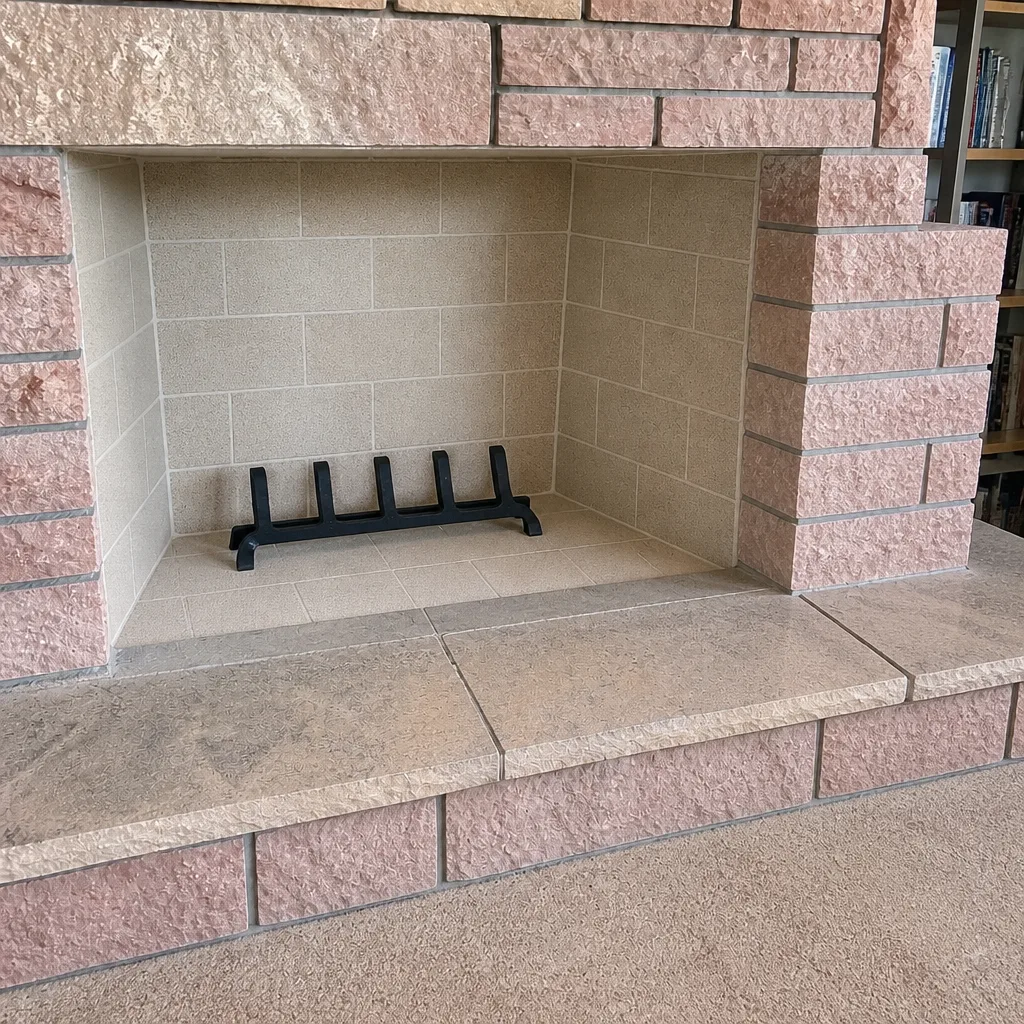
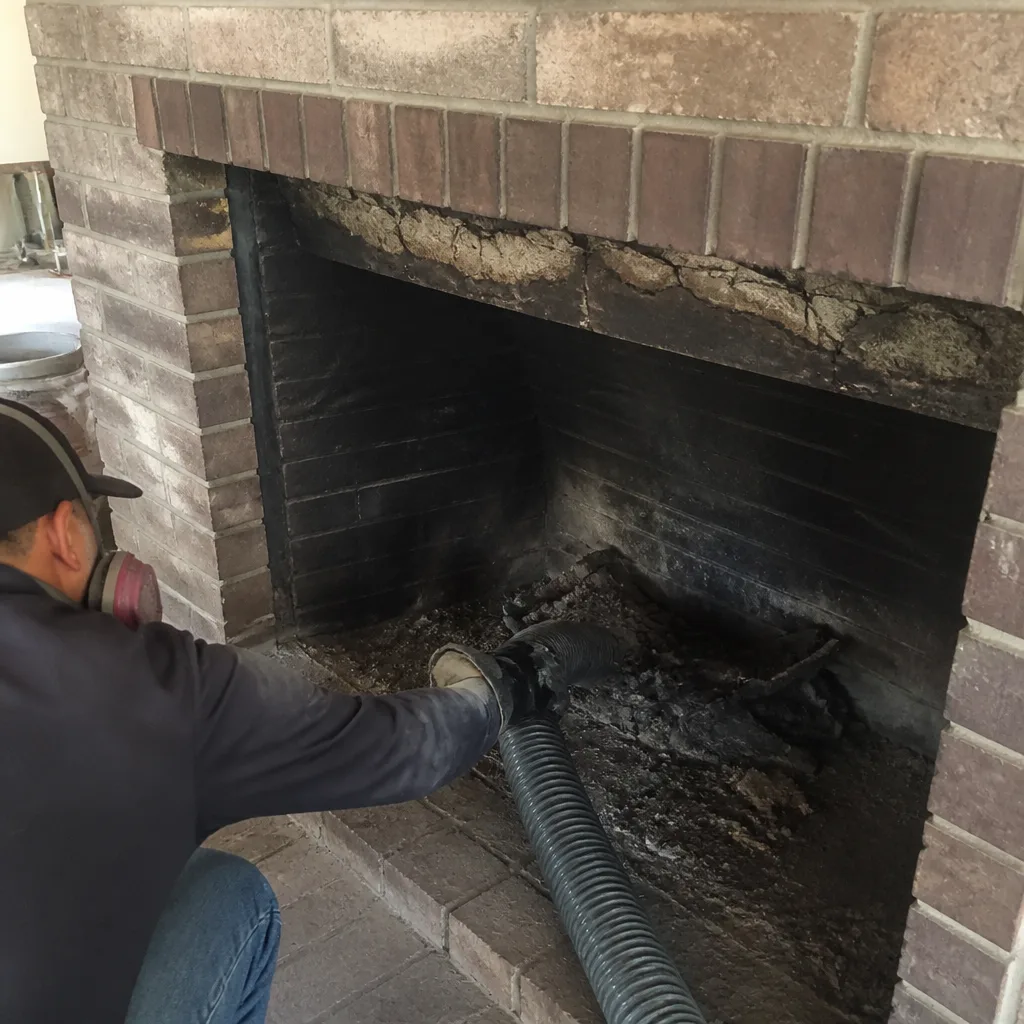
See the difference
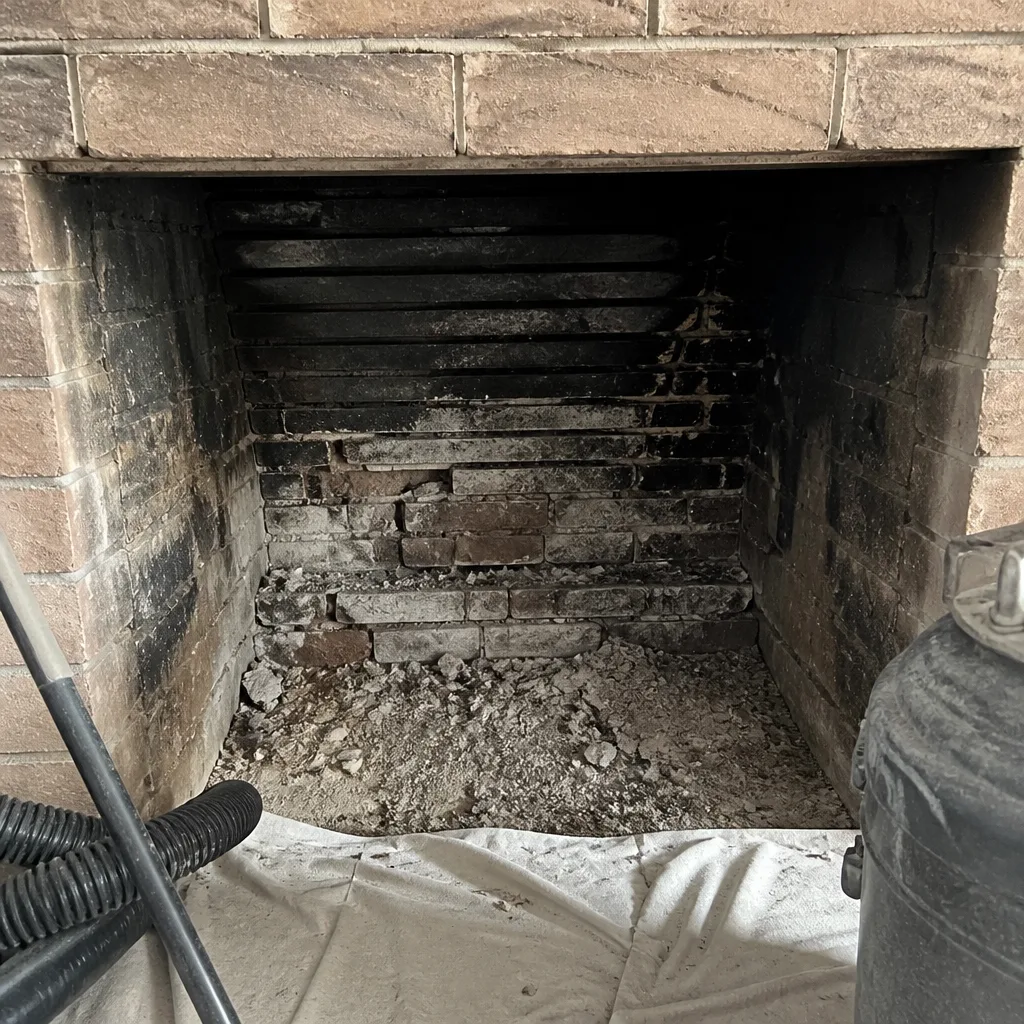 Before
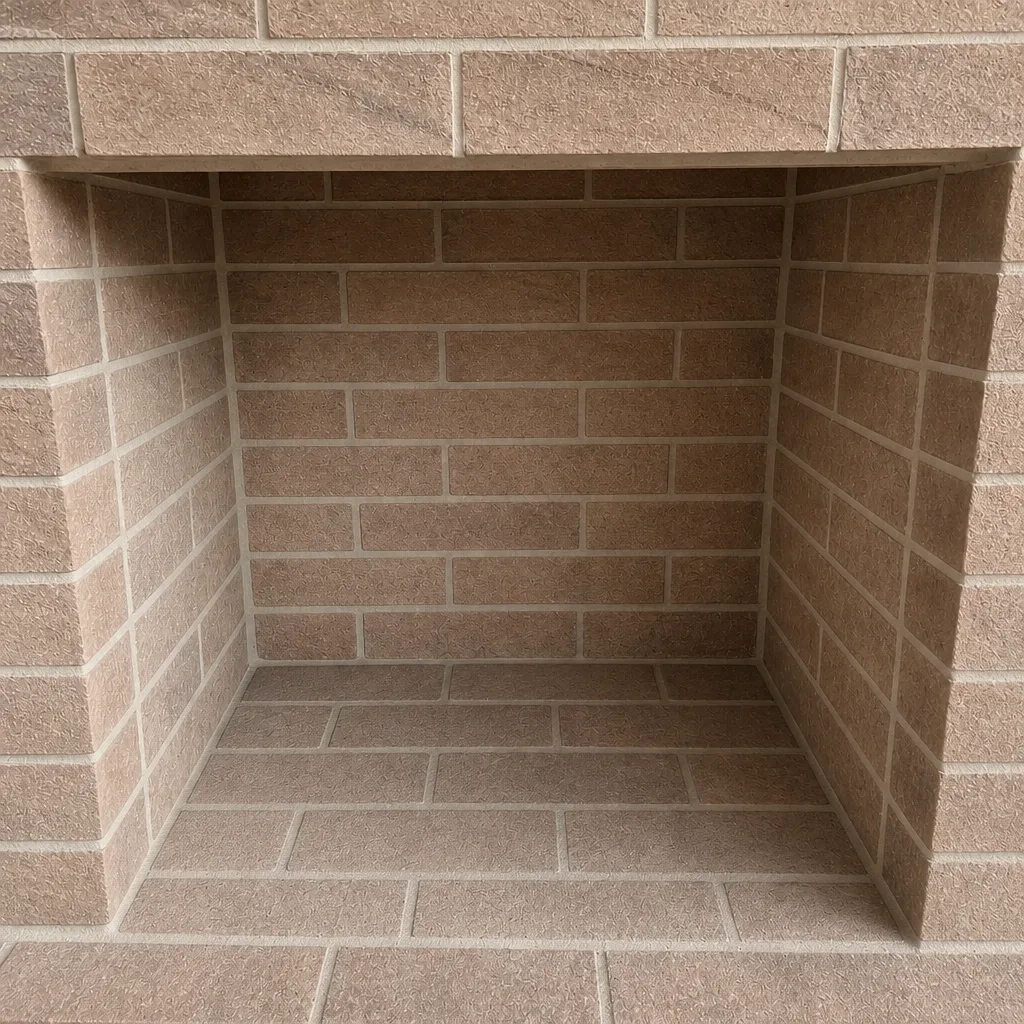 After
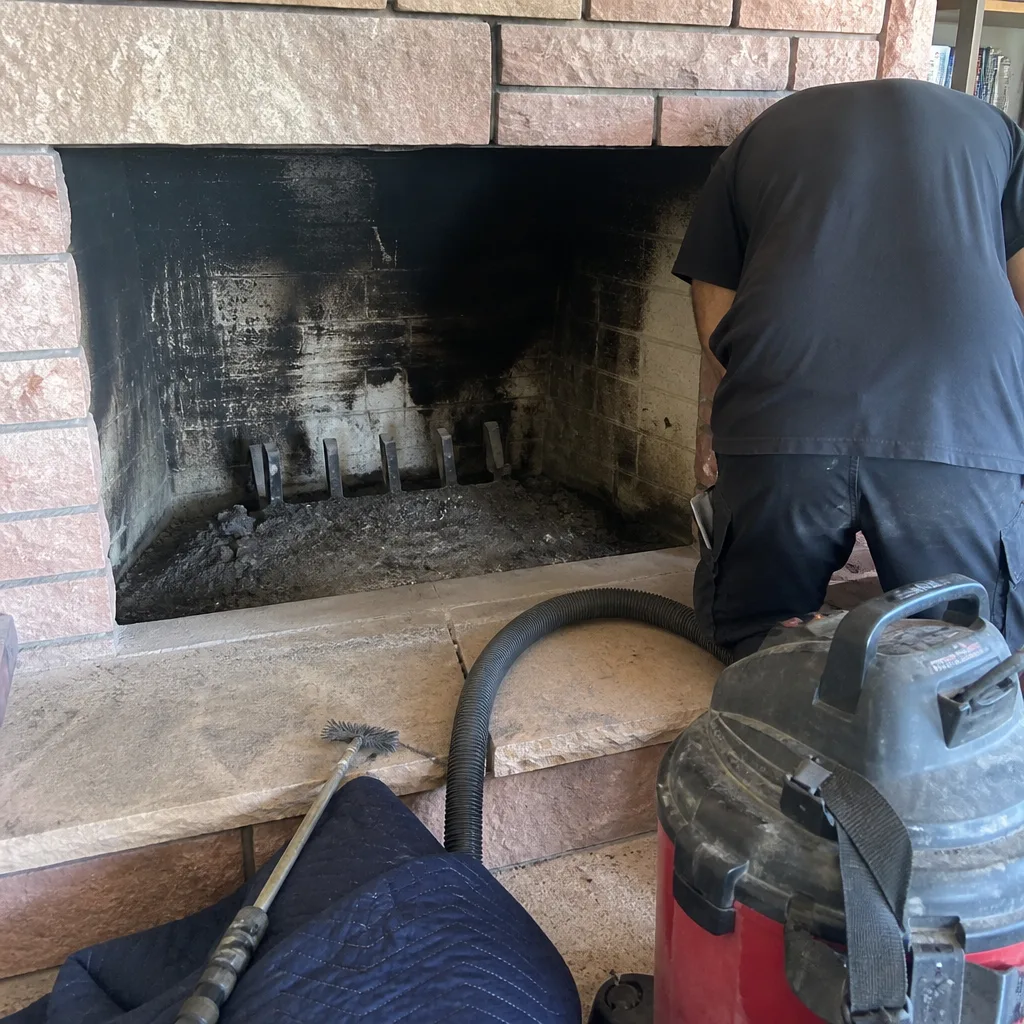 Before
 After
 Before
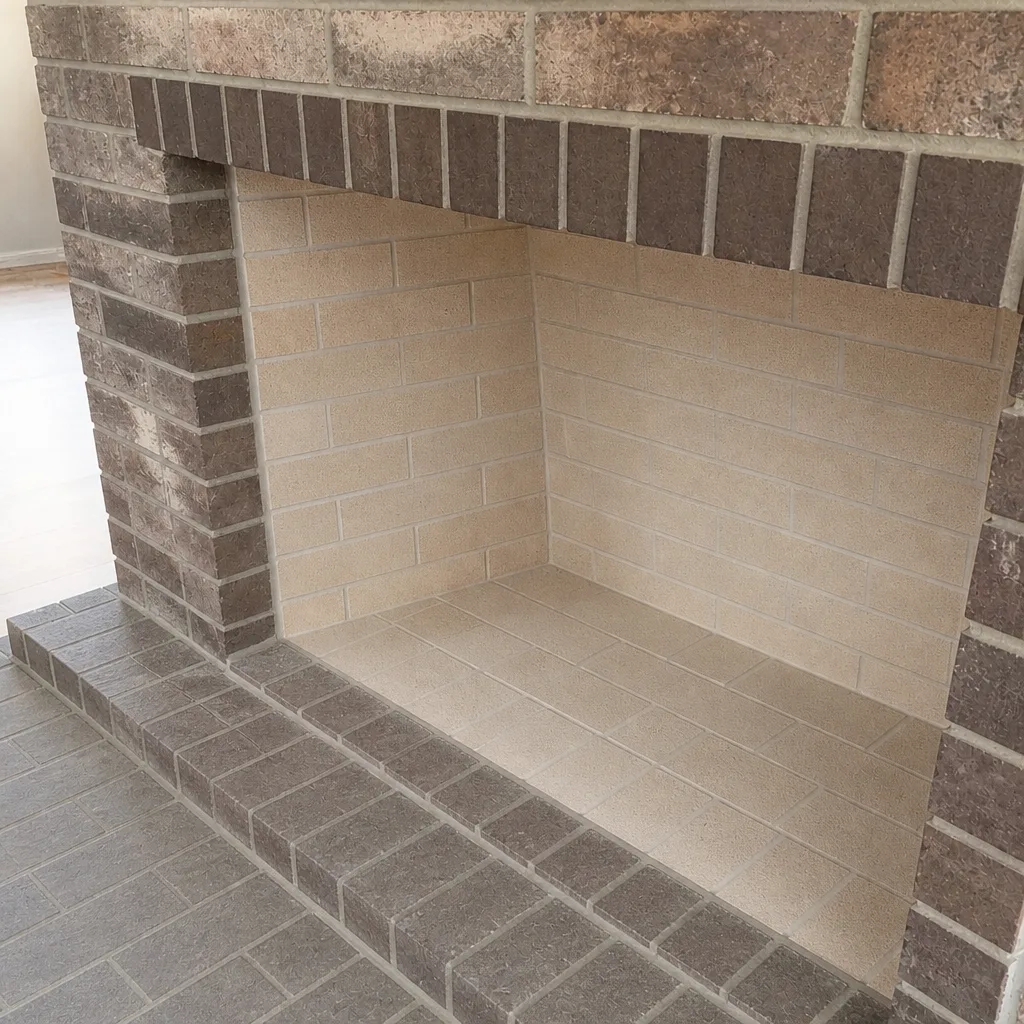 After
When to Call a Professional
Some things you can check yourself. Whether the flue is sound is not one of them. Call if you’ve never had the chimney inspected, if it’s been more than a year since the last sweep and you burn wood regularly, if you smell smoke in the house when the fireplace is running, if the firebox or damper has visible damage, or if you’re buying or selling a home and need a documented Level 2. Call if a monsoon storm loosened the cap or the crown looks cracked. Call if your dryer is taking two cycles to dry a load, because that’s a venting problem. And call if any contractor recommends a reline without showing you the camera image. Phoenix Chimney Cleaning offers free estimates in Phoenix. Call (855) 360-8261. We answer 24/7. Fast dispatch from 7am to 7pm, Sunday through Friday.
Frequently Asked Questions
No. Routine chimney cleaning and inspection in Phoenix generally do not require a permit. Permits come into play when the work changes the physical system, such as relining, installing a new cap or chase cover, adding an insert, or structural repair. Confirm the current requirement with City of Phoenix Building Services before any repair begins. Call (855) 360-8261 for an exact quote on your cleaning, and we’ll flag it upfront if your job crosses into permit territory.
A Level 2 inspection adds a video camera scan of the flue interior and inspection of accessible chimney exterior and attic portions to the standard visual check. It costs more than a Level 1 because it takes longer and uses equipment. It is the inspection level expected for real estate transactions, after chimney fires, and after any change to the system. Call (855) 360-8261 to schedule one, and we’ll include the photo report so you can verify the findings yourself.
It can. Most homeowner policies require that structural and system work comply with local code. An unpermitted reline may create a coverage gap if a chimney-related fire occurs later. The safest path is to confirm the permit requirement before work starts and keep the inspection report and permit close-out in your records. Call (855) 360-8261 and we’ll walk you through what your specific job requires.
Once a year for a wood-burning fireplace in regular use, and more often if you burn heavily. The dry Phoenix climate accelerates debris accumulation, and a cap failure lets dust and water in. An annual sweep paired with an inspection catches liner cracks before they become a reline. Call (855) 360-8261 to book a sweep; estimates are free and we’re glad to check whether an inspection level upgrade makes sense for your situation.
Sometimes yes. HeatShield is a resurfacing system applied to a liner that still has structural integrity but has cracked or deteriorated surfaces. It restores the flue without the cost of a full reline. When the liner is too far gone, a full reline with a system like DuraFlex is the correct answer. The decision depends on the camera findings, which we show you. Call (855) 360-8261 for an honest assessment of which one your chimney actually needs.
Ask for a written inspection report with photos, the scope of work, materials specified, and, if a permit was required, the permit number and final inspection close-out. Keep all of it with your home records. These documents matter at resale and in an insurance claim. Call (855) 360-8261 to schedule work that produces a record you can rely on.
The Bottom Line
Chimney cleaning in Phoenix is straightforward and generally permit-free. The moment a job crosses into repair, relining, or cap replacement, the rules change, and the paperwork becomes the point. Arizona’s adoption of the International Residential Code sets the standards those repairs are measured against, and a permit is the only independent verification that the work meets them. A Level 2 inspection is expected after a fire, during a sale, and after any system change, and the photo report is your evidence. Keep the documents. Confirm the permit. Ask to see the camera image. That’s the whole guide. If any of it feels uncertain for your home, call a professional who handles the paperwork as carefully as the work.
Phoenix Chimney Cleaning serves homeowners across Phoenix from our base here in the city, and we’ve handled chimney and vent work since 2012. We work with DuraFlex, HeatShield, Gelco, Olympia Chimney, Famco, and Copperfield because those are the lines professional chimney contractors specify. We tell you honestly when a repair can wait and when a permit is required, and we produce a report you can hand to a buyer, a lender, or an insurer. Call (855) 360-8261 for a free estimate. We answer 24/7. Fast dispatch from 7am to 7pm, Sunday through Friday.
Written by the team at Phoenix Chimney Cleaning, serving Phoenix since 2012.