
Last updated November 14, 2026
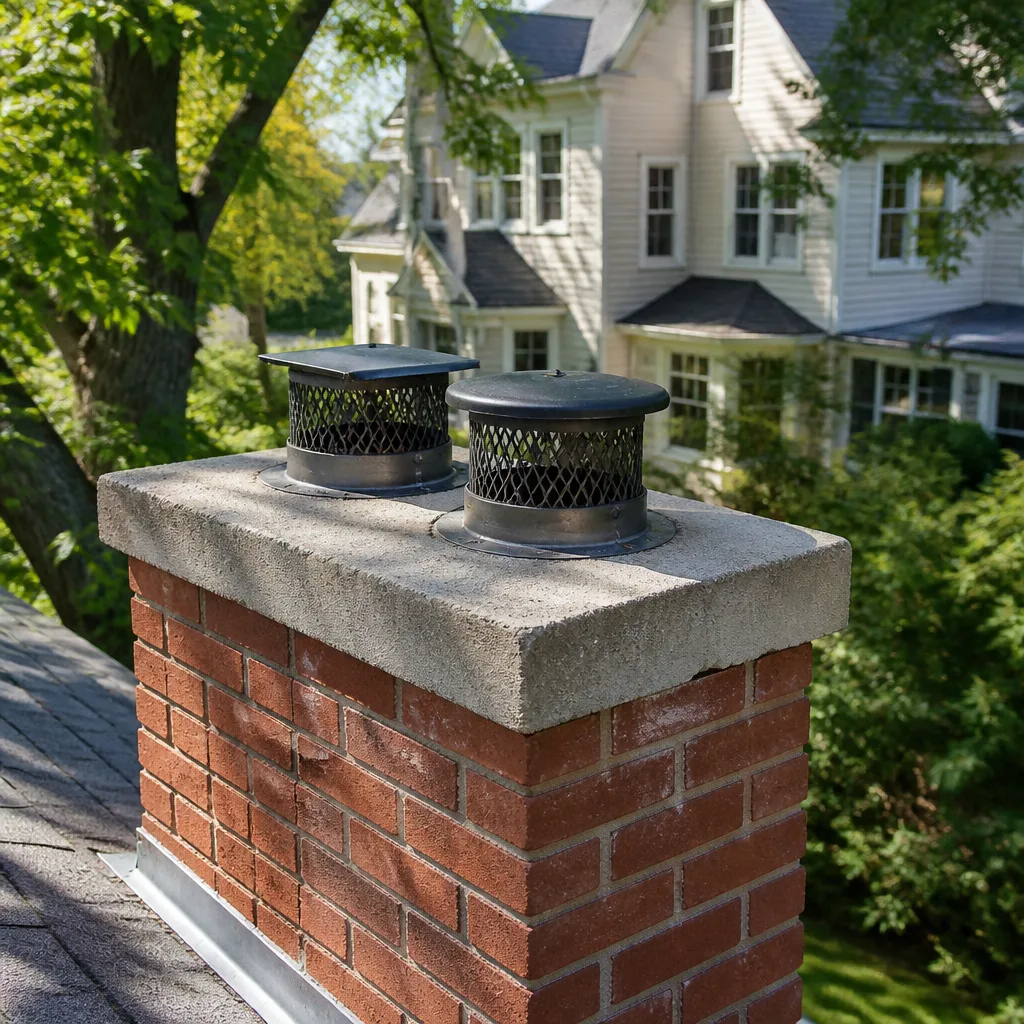 Sweep & inspection
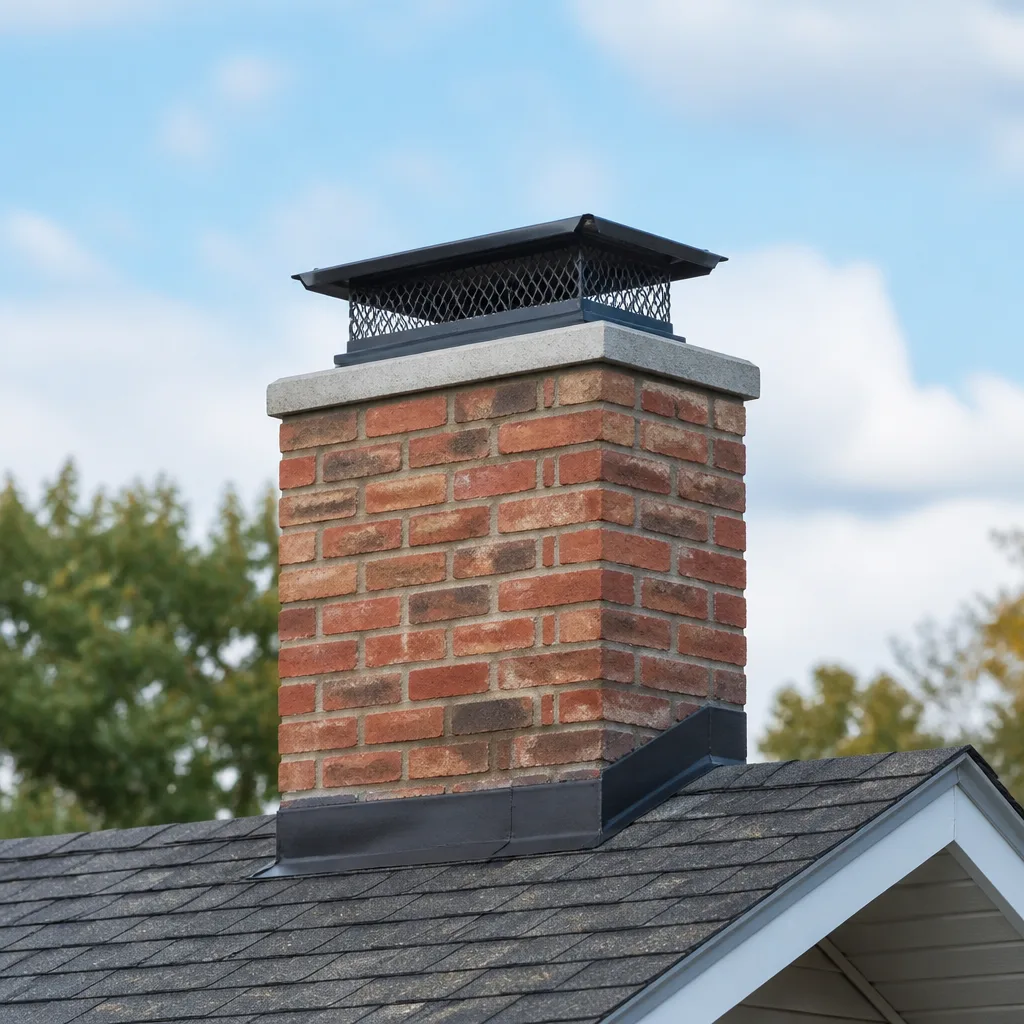 Caps & crowns
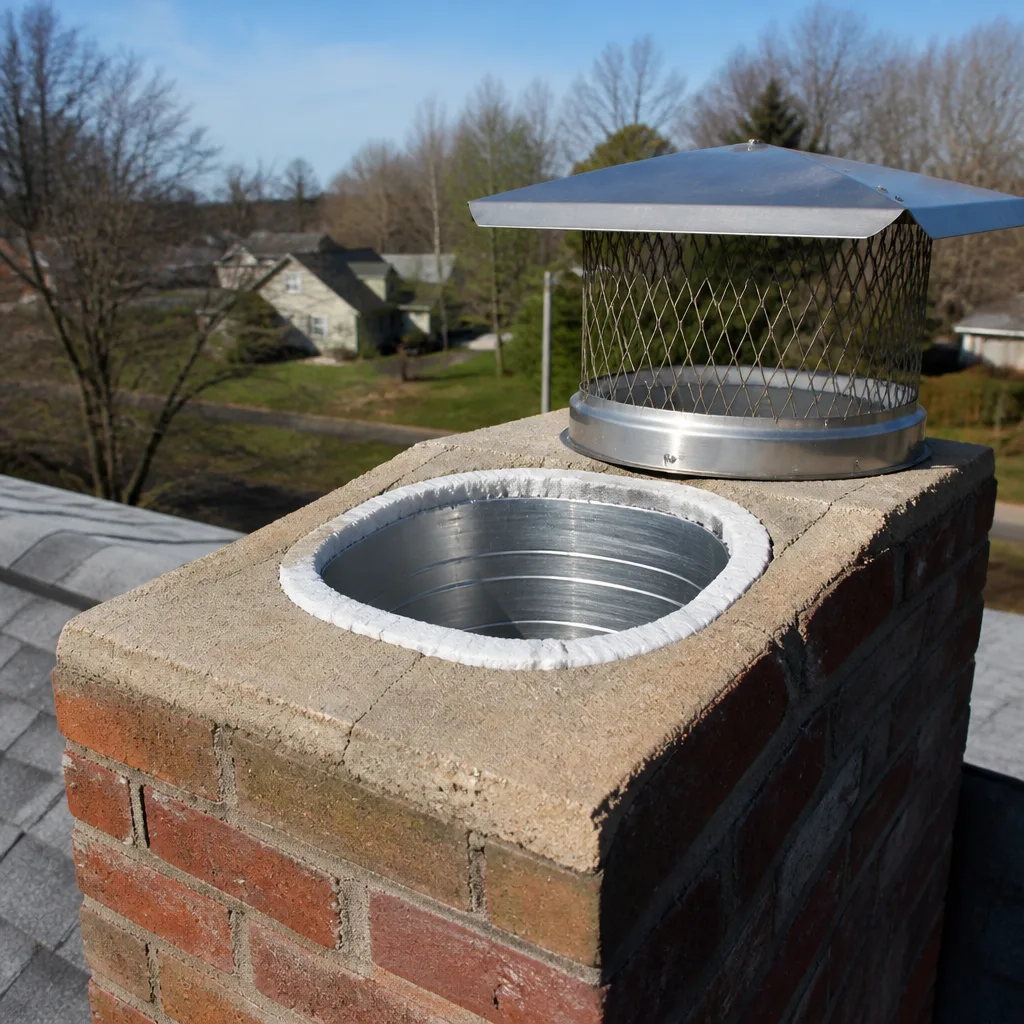 Flue relining
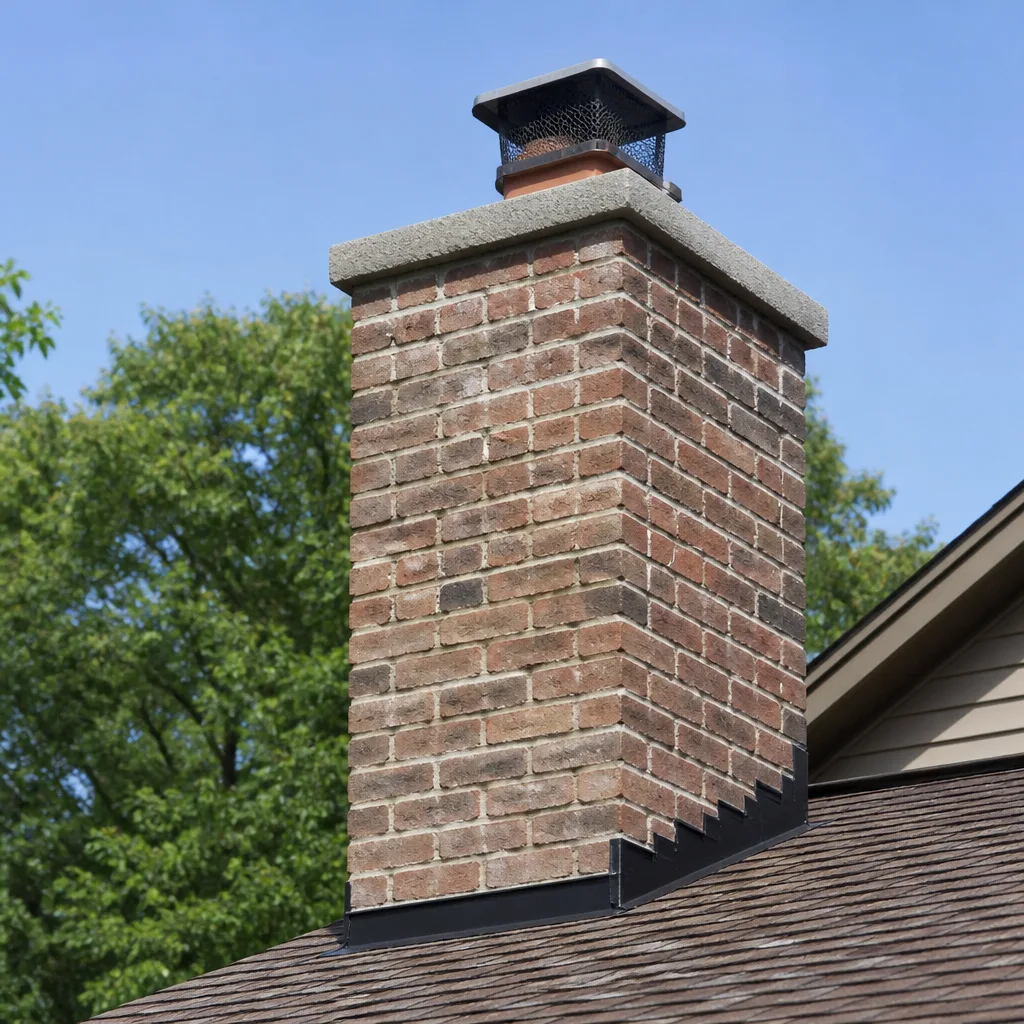 Masonry repair
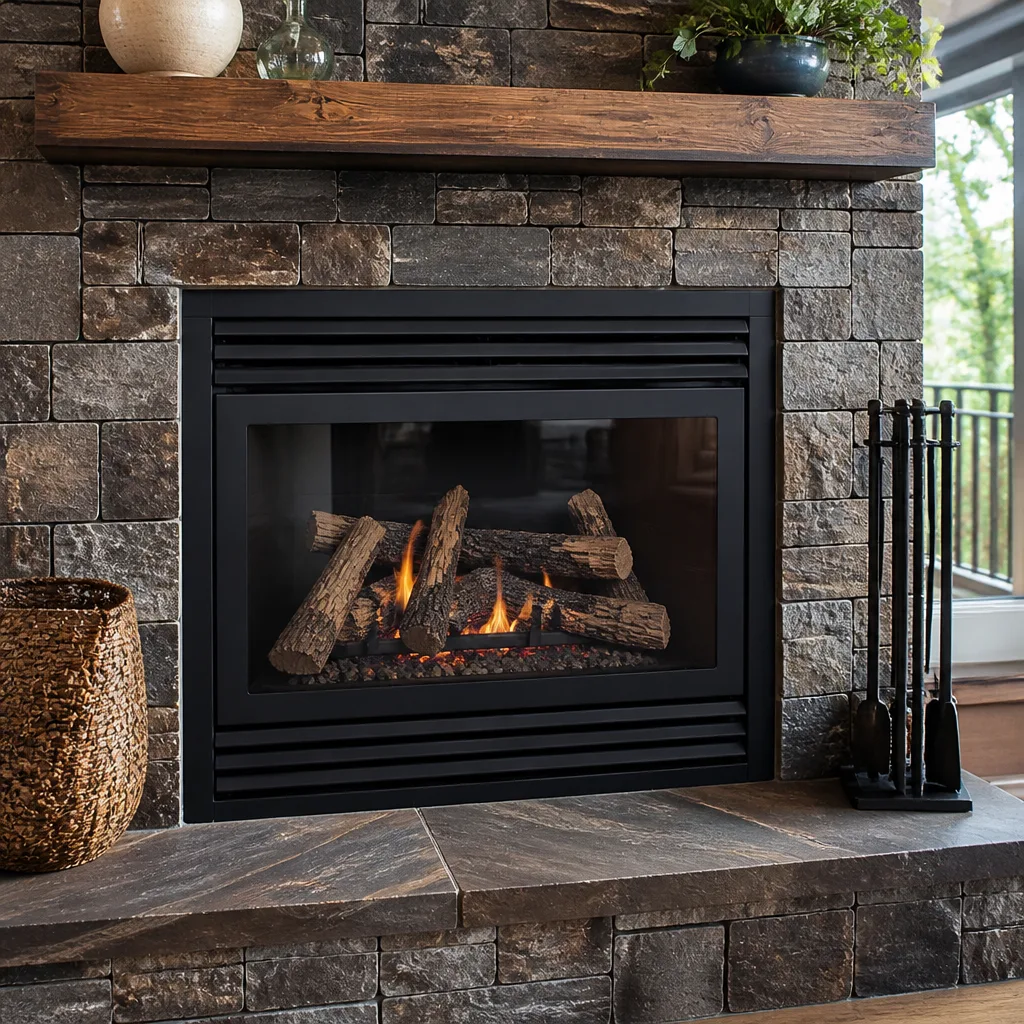 Gas fireplace service
Level 1 sweep and inspection to the NFPA 211 annual standard - flue, crown, cap, and flashing checked and photographed
Chimney sweep logs do not sweep chimneys. They loosen some creosote - which then falls where a brush and vacuum still have to collect it.
Chimney Cleaning Warning Signs: A Phoenix Homeowner’s Reference Guide
Most chimney safety advice is written for houses that burn wood all winter. Phoenix isn’t that place. When a fireplace here gets used a dozen evenings a year, and mostly for the atmosphere on the two or three cold nights we actually get, the warning signs of a flue problem don’t look dramatic. They look like a slightly smoky living room. A faint smell you’ve decided is just part of having a fireplace. A bit more soot than last season. Those small signals are exactly what this guide is built to translate, because in Phoenix a light-use fireplace fails quietly, and the signs it gives off are subtler than what you’d read about in a cold-climate article. Below you’ll find what to watch for, what each sign actually means, and how to tell a harmless quirk from a real problem.
Quick Answer
In Phoenix, the warning signs of a chimney that needs cleaning or repair are usually subtle: a fireplace that smokes more than it used to, a persistent odor even when it isn’t burning, dark staining around the damper or on the firebox walls, white powdery deposits on exterior masonry, rust-colored water marks after monsoon storms, mortar dust collecting in the firebox, or scratching and ammonia smells that point to animals. Any one of these is a reason to get the flue inspected before the next burn season. Heavy creosote buildup, blockages, and cracked liners don’t announce themselves here the way they do in a cold climate, so a professional look is how you find out for certain.
Styles & brands we work with
- Sweep & inspection
- Caps & crowns
- Flue relining
- Masonry repair
- Gas fireplace service
Table of Contents
- Why Chimney Warning Signs Look Different in Phoenix
- Normal Fireplace Smell vs. a Creosote Problem
- Reading the Stains: Firebox Wall vs. Damper Area
- Desert-Specific Signs: Efflorescence, Monsoon Stains, Mortar Dust
- Why Your Fireplace Smokes More Than It Used To
- Animal Signs in the Flue and How to Respond
- A Seasonal Walk-Around Checklist for Phoenix Homeowners
- Common Mistakes to Avoid
Why Chimney Warning Signs Look Different in Phoenix
The classic chimney-safety warnings were written for a wood-burning household in a place with a real winter. Heavy smoke rollback into the room, a thick creosote glaze on the flue walls, that sharp acrid smell that fills the house after a long burn season. Those are the signals of a flue working hard, week after week, through cold weather. A Phoenix fireplace doesn’t work that way. It gets lit for a holiday gathering, a few cool January evenings, maybe a stretch when the desert actually drops near freezing overnight. Then it sits for eight or nine months.
That pattern produces its own set of problems, and they’re quieter:
- Glazed creosote is less common, but soft soot and light creosote still accumulate. A light-use flue can go years between sweeps without a dramatic glaze forming, which is exactly why homeowners assume there’s nothing to worry about. The buildup is slower, but it still narrows the flue and still burns.
- Dormancy causes its own damage. Months of disuse let moisture work on masonry, let animals move in, and let small cracks open up unnoticed. A flue that sat empty all summer can be in worse shape in autumn than one that burned all winter.
- Blockages build quietly. Nests, leaf debris, and fallen mortar collect in a flue that isn’t moving air. When the first fire of the season is lit, the smoke has nowhere to go.
This is the heart of it: in Phoenix, the warning signs don’t look like a chimney about to fail. They look like a chimney that’s fine. The job of this reference is to show you what a light-use fireplace actually tells you when something’s wrong. We’ve seen all of these across the Valley, and the pattern is consistent: the subtle signs are the ones that get ignored the longest, and the ones that matter most when a homeowner finally asks for a real look.
Key takeaways so far: Phoenix’s mild winters mean fewer fires, slower buildup, and quieter warning signs. The signals you should trust are the ones that persist when the fireplace isn’t burning, the ones that have changed from last year, and the ones that point to water or animals. We explain each of those below.
Normal Fireplace Smell vs. a Creosote Problem
A fireplace smells like a fireplace. Woodsmoke lingers in the room for a while after you put the fire out, and that’s normal. What isn’t normal is an odor that shows up when there’s no fire in the box, or a smell that has a distinct chemical character to it. Homeowners often describe the difference in one of two ways: a sharp, tarry, almost petroleum smell, or a sulfurous, burnt-match odor that hangs in the room on a warm day with the fireplace cold.
That’s the smell of creosote, and in a light-use flue it tends to announce itself when the weather changes. As the house warms up in the afternoon, air moves up the flue and carries the odor back into the room. It’s more noticeable in spring and early summer than in the depths of winter, which is one reason Phoenix homeowners don’t connect it to the chimney at all. They assume something outside is responsible, or that it’s just the smell of an old fireplace.
Telling the two apart
- Normal combustion odor: present during and shortly after a fire, fades within a few hours, smells like woodsmoke, doesn’t return when the fireplace is cold.
- Creosote odor: appears when the fireplace is cold, often strongest on a warm afternoon, has a tarry or petroleum note, comes back consistently season after season, and tends to get stronger each year rather than fading.
If what you’re smelling is the second kind, the flue has enough creosote in it that a sweep should happen before the next fire. Creosote is the fuel that makes chimney fires possible, and a small, hot fire can ignite a deposit that’s been sitting for a year. That’s not a scare tactic; it’s just how the material behaves. Getting it swept removes the fuel. You can read more about what a proper cleaning involves on our chimney sweep page.
One more note on odor, because it’s specific to the desert. A flue that pulls air well when it’s cold can pull poorly when the outside temperature is close to the inside temperature, which happens a lot here in the shoulder seasons. That causes a faint smoky smell even in a clean chimney. The distinction is timing: if the smell is only present when the weather is neutral and clears once it’s genuinely cold, it’s a pressure and draft issue rather than a creosote issue. If it’s present regardless of weather and has that tarry note, treat it as creosote and get it checked.
If you’re not sure which one you’re dealing with, that’s a perfectly good reason to call. A technician can look at the flue and tell you in a few minutes what’s actually in it. Call (855) 360-8261.
Reading the Stains: Firebox Wall vs. Damper Area
Staining is one of the most useful diagnostic signals a Phoenix homeowner can read, because the location of the stain tells you where the problem is coming from. Two areas matter most: the firebox wall, and the damper area just above the fire.
Staining on the firebox wall
Dark staining on the firebox wall, especially near the top corners or in a V pattern rising from the fire, usually means smoke has been lingering in the box longer than it should. That points to a draft problem rather than a creosote problem. The fire is producing smoke faster than the flue can carry it away, so the smoke finds the box walls instead of the chimney. Causes range from a flue that’s partly blocked, to a damper that isn’t opening fully, to a firebox that’s larger than the flue was designed for. In a Phoenix home, this often shows up after a remodel where the firebox was opened up but the flue was left alone.
Staining around the damper area
Staining right at the damper, particularly a dark band along the damper frame or a stain that wraps around it, points to a different issue. This is where smoke escapes when the damper doesn’t seal properly, when the damper frame has warped with heat, or when creosote has built up on the damper itself and is catching smoke on the way past. It’s also the area where a cracked damper frame will let smoke bypass the flue entirely and drift into the room. That kind of staining is a signal to look at the damper hardware and the smoke chamber directly above it, not just the flue above the roofline.
What rust-colored stains mean
A rust-colored stain, whether on the firebox wall, the damper, or the face of the fireplace, is a moisture signal rather than a smoke signal. In Phoenix, the moisture usually comes from one of two places: monsoon rain driving against the chimney from outside, or condensation forming inside the flue during the shoulder seasons when the temperature swings are large. A rust stain on the interior of the firebox tells you water is getting in somewhere, and water is patient. It works on mortar joints and metal components until something gives. That’s worth a professional look even if the fireplace still burns well.
If you’re seeing staining in any of these spots, we’ll come out and look at it. Phoenix Chimney Cleaning offers a free estimate, and we’ll tell you whether it needs repair now or whether it’s something to watch. Call (855) 360-8261.
Desert-Specific Signs: Efflorescence, Monsoon Stains, Mortar Dust
Some of the most reliable chimney warning signs in Phoenix don’t show up inside the house at all. They show up on the outside of it. These are the signs cold-climate guides rarely mention, because they’re tied to the local climate: dry, hot summers, an intense monsoon season, and wide temperature swings between day and night.
White powdery deposits on exterior masonry
If you see a white, powdery, salty-looking crust on the outside of your chimney, that’s efflorescence. It forms when water moves through masonry, dissolves minerals, and then evaporates on the surface, leaving them behind. The crust itself is harmless, but what it tells you isn’t. It means moisture is traveling through the brick and mortar, which usually points to a failed crown, a cracked mortar joint, or a chimney cap that’s no longer doing its job. Efflorescence that keeps coming back after you brush it off is the sign to pay attention to. It’s a slow signal, but it’s a reliable one.
Rust-colored water stains after monsoon
Every Phoenix homeowner knows the monsoon season. What many don’t realize is that the chimney is one of the most exposed parts of the house during a storm. After a heavy monsoon, check the chimney breast inside the house and the exterior masonry for rust-colored water stains. On the exterior, a rust-colored streak running down the masonry usually points to a rusting metal component, often the chimney cap or the flashing where the chimney meets the roof. Inside, a rust-colored stain on the ceiling or the wall near the chimney is a sign that water is getting past the flashing or the cap and finding its way into the house. Both are worth fixing before the next monsoon arrives. Water damage doesn’t improve with time.
Mortar dust in the firebox
A small amount of fine dust in the firebox after a fire is normal. What isn’t normal is finding actual grit, small chunks, or a noticeable accumulation of sand-like material in the bottom of the box, especially after a fire. That’s mortar. The firebox and smoke chamber are held together with mortar joints, and when those joints start to fail, small pieces fall into the firebox. In the dry Phoenix climate, mortar joints are subjected to daily expansion and contraction as the outdoor temperature swings from cool nights to warm days. Over years, that movement opens hairline cracks. Those cracks let smoke and heat reach the masonry behind the firebox, which is a fire risk. It’s a repair rather than a cleaning issue, but a sweep will usually find it. When the mortar joints in a firebox or smoke chamber need to be restored, we’ve carried the right materials to do it properly, and HeatShield resurfacing can often restore a damaged flue lining without full replacement when the damage qualifies.
These three desert signs together form a good exterior-and-interior checklist. Efflorescence is the slow signal of water movement. Rust streaks after monsoon are the acute signal of water entry. Mortar dust is the signal of failing joints. Any one of them is a reason to have the chimney looked at by someone who knows the difference.
Why Your Fireplace Smokes More Than It Used To
If your fireplace smoked the same last year as it does this year, you may just have a fireplace that was always a little temperamental. If it smokes more than it used to, that’s a change, and change means something has shifted. In Phoenix, the wood quality explanation is almost never the real one. Our firewood is what it is; it didn’t get wetter this year. What changes is the flue and the house around it.
The most common culprits, in rough order of how often we see them:
- A partial flue blockage. Animal nests, leaves, fallen mortar, or a broken cap screen restricting the flue. The fire’s smoke has less room to exit, so it drifts into the room instead. This is the single most common cause of sudden smoking in a Phoenix home.
- A failed or sticky damper. If the damper isn’t opening fully, or if creosote is holding it partly closed, smoke has nowhere to go but into the room.
- A change in the house’s pressure. A new exhaust fan, a new kitchen range hood, or a recently sealed-up house can all change how air moves through the building. A tighter house pulls air down the chimney instead of up it. If the smoking began around the same time as a remodel or a new appliance, this is worth considering.
- A cracked flue liner. A liner that’s lost its seal lets smoke escape into the wall cavity or, worse, into the house. If you notice smoke coming from places it shouldn’t, this is a serious sign and worth an immediate inspection.
- An oversized firebox relative to the flue. If you’ve opened up the firebox or rebuilt the fireplace surround, the flue may no longer be sized for the fire it’s supporting.
Smoke that’s worse than last year is a signal to get the flue inspected before the next fire, not after. A partial blockage that’s producing smoke today is producing less draft every time you use it. In a light-use Phoenix fireplace, it’s easy to keep burning for a few more seasons without noticing how much ground the problem has gained. Catching it early is a sweep-and-inspect job. Catching it late is often a repair. If the flue liner is damaged and can’t be restored, a full reline with a flexible liner system is the fix, and we carry DuraFlex liner systems for exactly that situation.
If your fireplace is smoking more than it used to, that’s the sign to act on. Call (855) 360-8261 to schedule an inspection and a free estimate. We answer 24/7. Fast dispatch from 7am to 7pm, Sunday through Friday.
Animal Signs in the Flue and How to Respond
Phoenix is a city in the desert, and the desert has wildlife. Birds, squirrels, and occasionally other animals find an open chimney flue to be a convenient place to nest, especially during the months when the fireplace is idle. A flue that sat untouched all summer is exactly the kind of quiet, sheltered space an animal will move into. The signs they leave are among the most reliable warning signals a chimney can give.
What the signs look and sound like
- Scratching or rustling sounds coming from the chimney, especially in the early morning or at dusk, when many animals are most active.
- Nesting debris in the firebox: twigs, grass, leaves, feathers, or bits of insulation that have fallen down from above.
- An ammonia odor around the fireplace or in the room, which can point to animal waste.
- Bird activity at the chimney cap, with birds repeatedly landing on or entering the flue area.
- Smoke that behaves differently, appearing without any change to the fire, which can point to a nest blocking part of the flue.
The instinct for a lot of homeowners is to build a fire to “clear them out.” Don’t. If there’s a nest or an animal in the flue, a fire can fill the house with smoke, set nesting material alight, or drive an animal deeper into the chimney or into the house. The right move is to stop using the fireplace, keep it closed, and get a professional out to remove the obstruction safely and humanely.
How to respond without trapping wildlife
- Don’t light a fire. This is the first rule, and it’s the one that matters most.
- Don’t try to force anything down the flue. Pushing from above can trap an animal further inside, or cause it to panic into a part of the system that’s harder to reach.
- Keep the firebox door closed and the damper shut so an animal can’t work its way into the living space.
- Call for a professional removal and a sweep. A technician can remove the nest or debris, confirm the flue is clear, and check for damage the animal may have caused. Nesting removes masonry and can crack mortar joints. It also leaves behind material that has to be cleaned out before the next fire.
- After removal, check the chimney cap. A missing or damaged cap is why the animal got in. Fixing the cap is what stops it happening again next season.
Animal removal and follow-up sweeping are a normal part of chimney work, and we handle both. If you’ve heard scratching or found debris in the firebox, call (855) 360-8261. We’ll come out, clear the flue, and tell you what if anything needs repair. We’ll work with what we find and show you what we did.
A Seasonal Walk-Around Checklist for Phoenix Homeowners
A few minutes of inspection before and after the burn season catches most of the problems this guide describes. You don’t need any special tools to check for the visible signs, though anything you find along the way is worth a professional look.
Before the first fire of the season (late autumn)
- Look inside the firebox for animal debris, mortar grit, or excessive soot. If you find nesting material, stop and call before lighting anything.
- Open and close the damper a couple of times. It should move freely and seal fully. If it’s stiff or stuck, note it.
- Shine a flashlight up the flue from the firebox. You’re looking for daylight, an unobstructed path, and no visible soot scale or cracks. You don’t need to judge the condition; just look for anything that seems off.
- Walk outside and look at the chimney top. Check the cap is intact, the screen is in place, and the masonry shows no white crust, no rust streaks, and no visible cracks.
- Check the chimney breast inside the house for rust-colored water stains near the ceiling or the joints between the chimney and the wall.
After the burn season (spring)
- Look into the firebox for the season’s accumulation of soot, and check for mortar grit at the base of the box.
- Sniff the room on a warm afternoon with the fireplace cold. That’s when a creosote odor is most obvious.
- Inspect the exterior masonry after monsoon season for rust-colored streaks, efflorescence, or lost mortar.
- Book a sweep if the season produced noticeable buildup, or if any of the signs above showed up.
The general rule of thumb for how often to sweep applies here too: an annual inspection is a sound habit, and a sweep happens when there’s enough buildup to warrant one. A light-use Phoenix fireplace may not need a sweep every season, which is all the more reason to get an inspection and let someone who knows what they’re looking at tell you. Our Phoenix Chimney Cleaning team handles that inspection and will tell you plainly whether it’s clean, whether it needs a sweep, and whether anything needs repairing.
While you’re thinking about the chimney, look at your dryer vent too. It’s the other vent in your house that carries fire risk, and it has many of the same warning signs: lint buildup, a dryer that runs hot, clothes that take longer to dry. We handle dryer vent cleaning as a core part of our work because it’s the same kind of problem. If you’re looking into one of them, it’s worth having the other inspected at the same time.
Common Mistakes to Avoid
- Assuming a light-use fireplace doesn’t need inspection. In Phoenix, the quiet flues are the ones that go years without anyone looking at them. A twelve-fire season still produces soot, still invites animals, and still lets water work on the masonry. An annual inspection catches problems before they become repairs.
- Blaming wood quality when the fireplace starts smoking. Smoke that increases from year to year is a flue signal, not a fuel signal. Changing firewood won’t fix a partially blocked flue.
- Building a fire to chase an animal out. This is the most dangerous mistake on this list. It can fill the house with smoke, ignite nesting material, and drive the animal further into the system. Stop using the fireplace, and call for removal.
- Brushing off efflorescence as cosmetic. The white crust itself is harmless, but it’s evidence that water is moving through the masonry. Ignoring it lets slow damage continue until the crown or the mortar has failed.
- Treating a rust stain as old paint or a stain. Rust means water is getting in. Whether it’s on the firebox wall or the exterior masonry, it deserves a real look before the next monsoon.
- Painting or patching over a water stain to cover it. A stain that comes back after you cover it is telling you the cause is still there. Find the source before you cover anything up.
- Hiring a sweep-only operation for what’s turned out to be a repair. A damaged flue liner or failed mortar joint needs more than sweeping. A team that handles both will tell you which you need and can do the repair with the right materials.
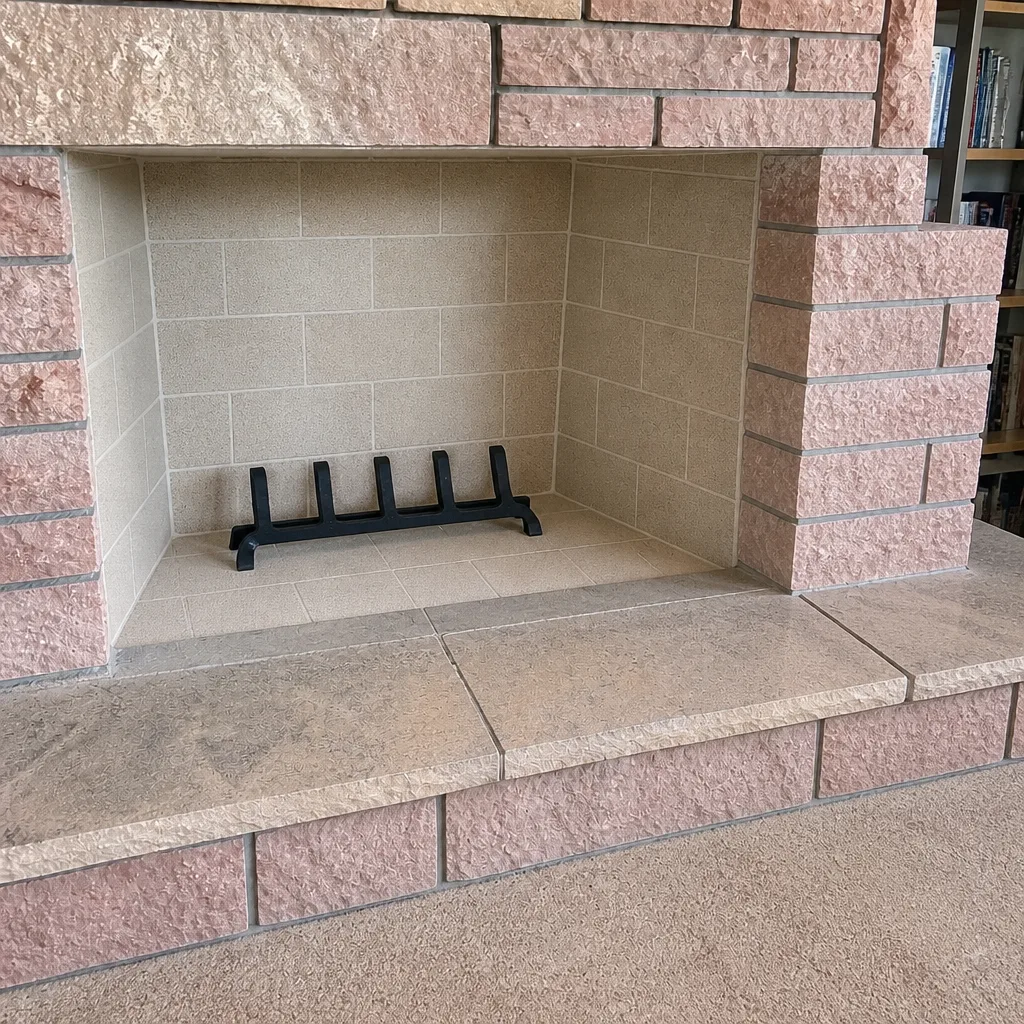
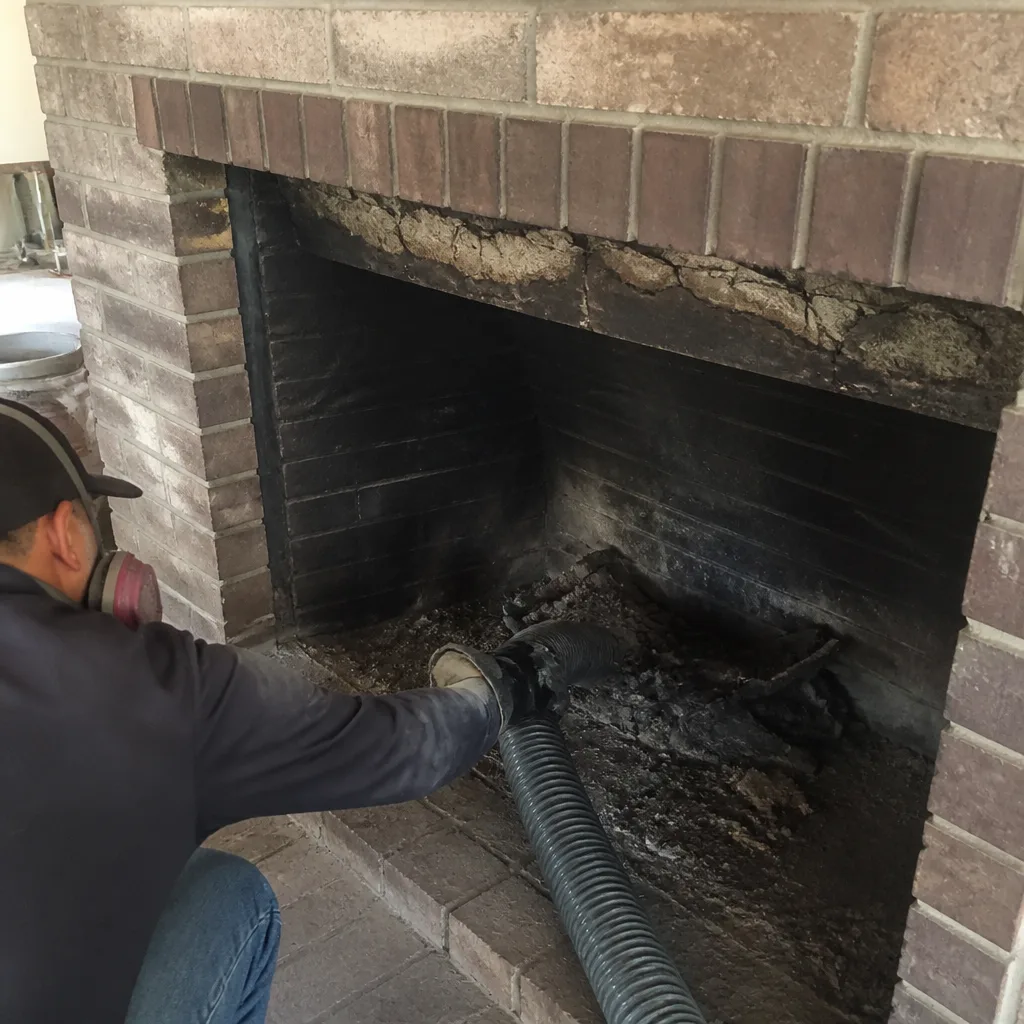
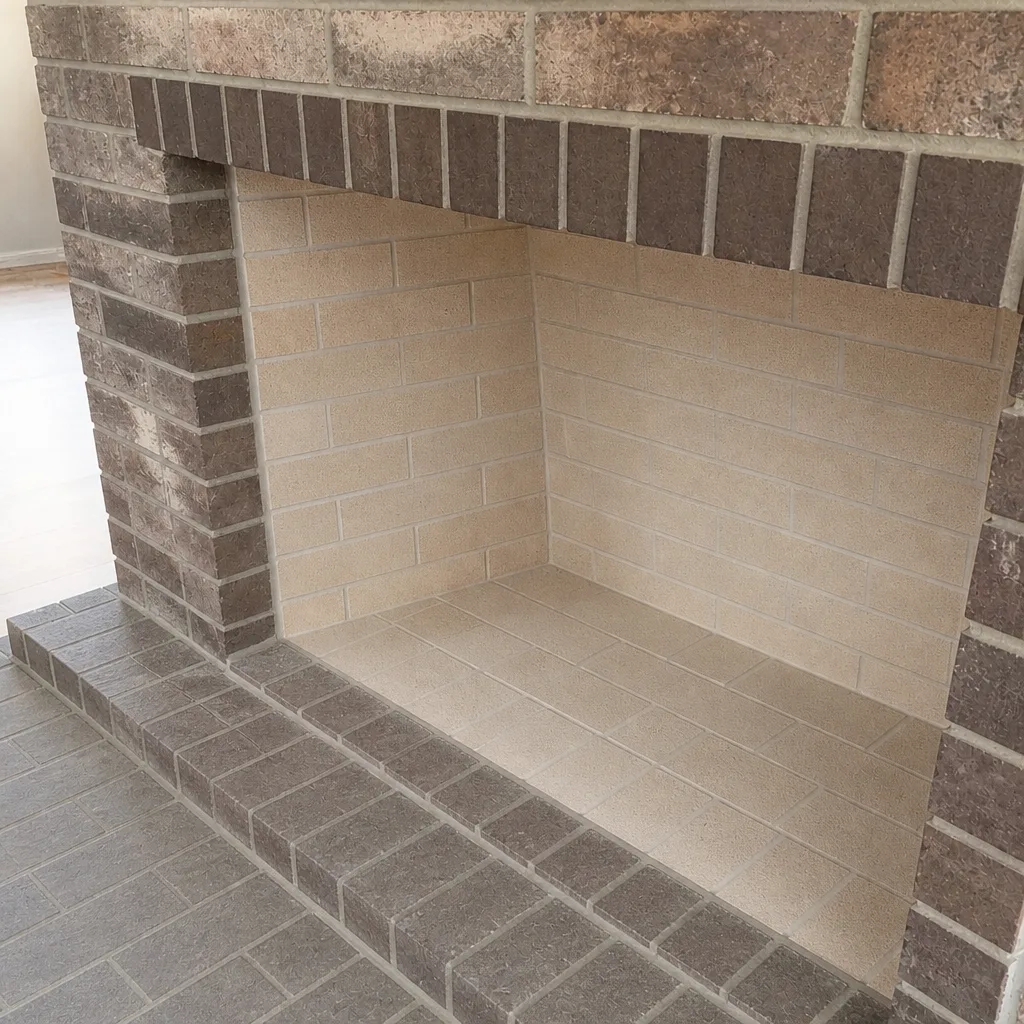
See the difference
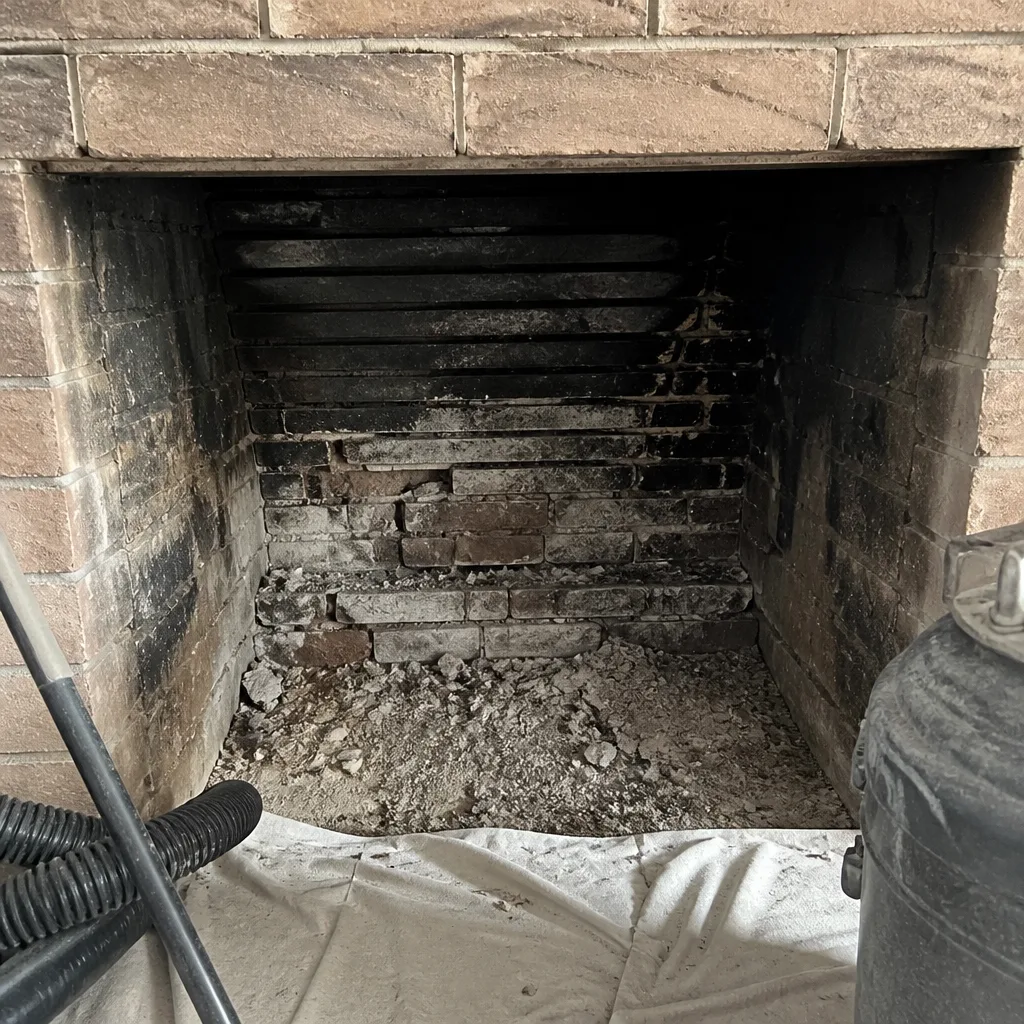 Before
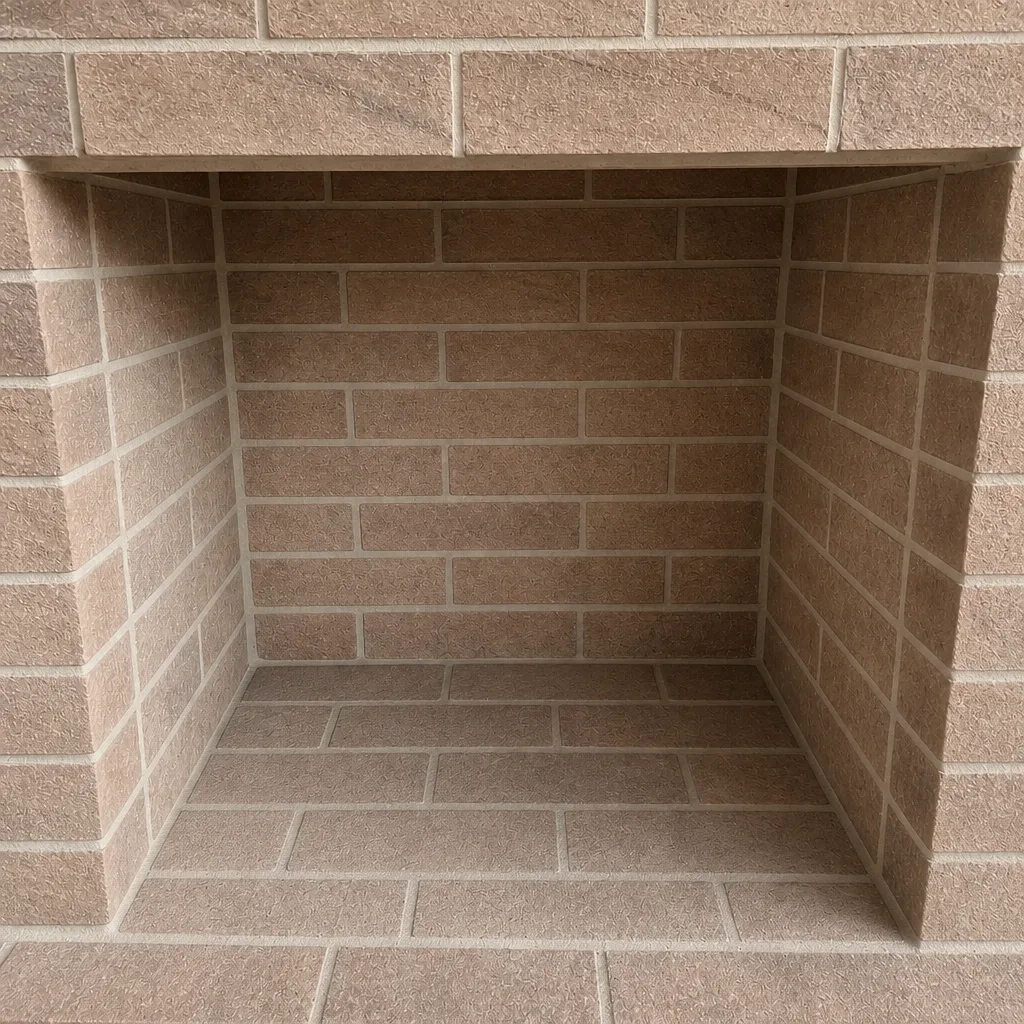 After
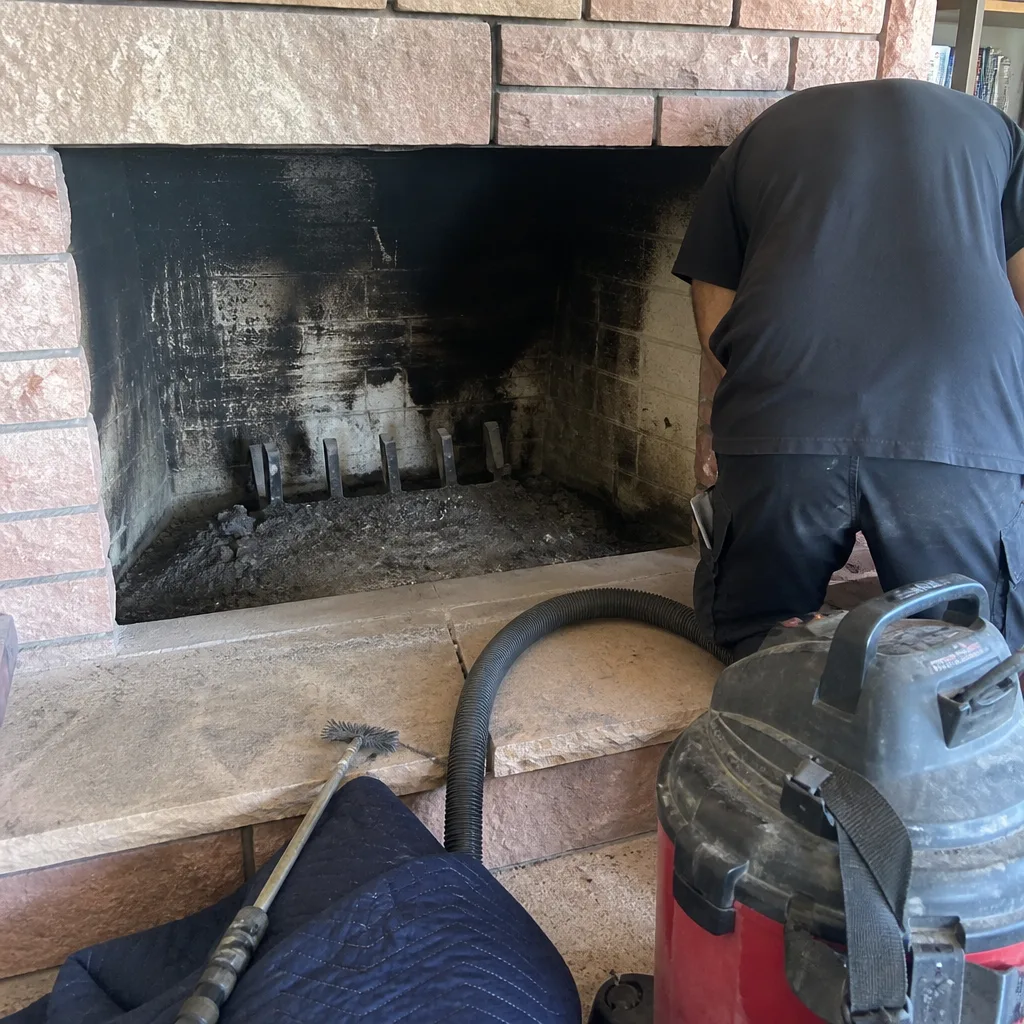 Before
 After
 Before
 After
When to Call a Professional
Some signs are worth a professional visit, no question. Call us if you smell a tarry or petroleum odor from a cold fireplace, see smoke that’s worse than last season, find rust stains or white crust on the masonry, hear scratching sounds in the chimney, notice mortar dust or nesting debris in the firebox, or see staining around the damper or the top of the firebox. We’ll come out and inspect the flue properly. In our experience, the signs that look smallest in Phoenix are often the ones that have been developing longest, which is why we don’t recommend waiting for a dramatic signal that a mild climate rarely produces. Phoenix Chimney Cleaning offers free estimates in Phoenix. Call (855) 360-8261. We answer 24/7. Fast dispatch from 7am to 7pm, Sunday through Friday.
Frequently Asked Questions
In Phoenix, the earliest warning signs are usually a persistent odor from a cold fireplace, a bit more soot than the previous season, and a fireplace that smokes more than it used to. In a light-use house, these signals come before anything more dramatic shows up. Left unattended, they’re how a flue accumulates creosote and blockages over years. Call (855) 360-8261 for an exact assessment. Estimates are free.
Creosote smells tarry, sharp, or faintly petroleum-like, and it’s present when the fireplace is cold, often strongest on a warm afternoon. Normal fireplace smell is woodsmoke that fades a few hours after the fire goes out and doesn’t come back. If the odor returns season after season and gets stronger, that’s a sign of creosote. Call (855) 360-8261 to schedule a sweep. We answer 24/7.
That white powder is efflorescence, and it keeps returning because moisture is still moving through the masonry. The crust is a symptom; the cause is usually a failing crown, failed mortar joints, or a missing or damaged cap. One professional inspection will tell you which. Call (855) 360-8261 for a free estimate.
If your fireplace is smoking more than it did last season, stop using it and get it inspected before the next fire. In Phoenix, a sudden increase in smoke almost always points to a partial flue blockage or a failed damper, not a wood problem. Both are fixable, but a blockage gets worse with use. Call (855) 360-8261.
No. Lighting a fire with a nest or an animal in the flue can fill the house with smoke, ignite the nesting material, or drive the animal deeper or into the living space. Keep the fireplace closed and call for a professional removal and sweep. Call (855) 360-8261. We answer 24/7, and a call outside dispatch hours is booked into the next opening, Sunday through Friday, 7am to 7pm.
An inspection every year is a sound habit regardless of how often the fireplace is used, and a sweep happens when there’s enough buildup to justify one. In a light-use Phoenix flue, buildup is slower, but dormancy brings its own risks: animals, moisture, and mortar damage that a sweep will catch. Call (855) 360-8261 to book an inspection and free estimate.
The Bottom Line
The warning signs of a chimney problem in Phoenix rarely look dramatic. They look like a slightly smoky room, a smell that shows up on a warm afternoon, white crust on the brick, or a bit of grit in the firebox. Each of those points to something specific: creosote, draft, water, or a failing joint. Recognize the sign, and you can act on it before it becomes a repair. In a light-use fireplace, the quiet signals are the ones worth trusting, and an annual inspection is how you keep them from going unnoticed. If any of the signs in this guide matches your fireplace, we’d rather look at it and tell you it’s fine than have you find out later it wasn’t. Our team uses professional-grade materials from brands like HeatShield and DuraFlex because they’re what specialty contractors specify. We’ll show you what we find and tell you plainly whether the work can wait.
If you’ve seen any of these warning signs, call Phoenix Chimney Cleaning at (855) 360-8261 for a free estimate. We answer 24/7. Fast dispatch from 7am to 7pm, Sunday through Friday. We’ll assess the flue, explain what we found, and give you a written estimate before any work begins.
Written by the team at Phoenix Chimney Cleaning, serving Phoenix since 2012.